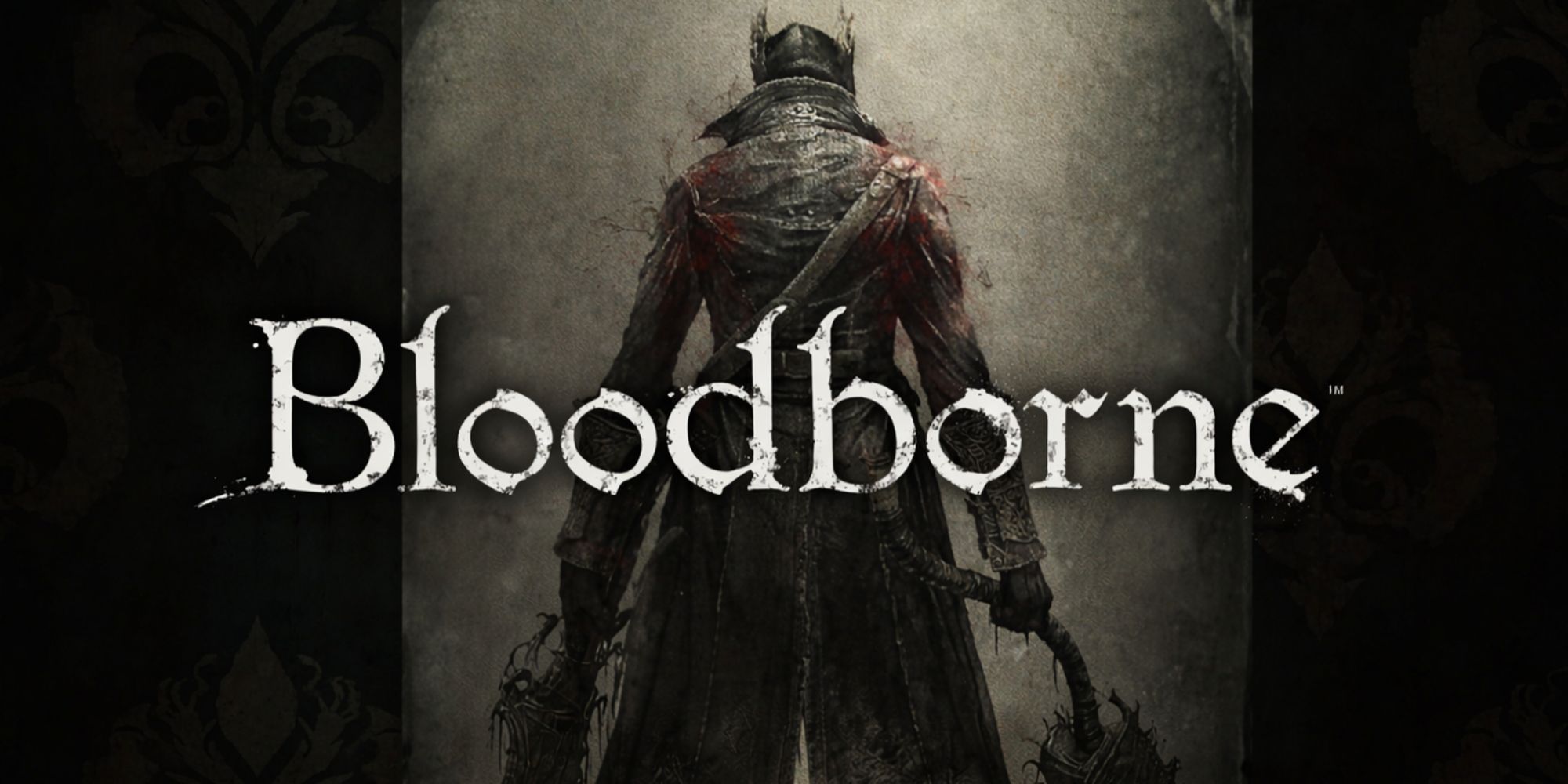
When Bloodborne first came out back in 2015, it instantly felt different from other action RPGs I’d played. The whole vibe – those crumbling, gothic cities, the terrifying monsters, and that super intense, in-your-face combat – was just unlike anything else. A lot of people called it ‘Victorian Dark Souls,’ but honestly, the game pulled inspiration from so many places – novels, tabletop games, manga, old horror movies, and even other video games. It was a really unique mix!
Hidetaka Miyazaki, the director of the game, has talked about the various books, films, and other games that inspired Bloodborne. He’s directly mentioned some of these influences in interviews, like those with PlayStation Lifestyle, and fans have identified others through clear connections in the game’s themes, art style, and how the story is told. These seven works together offer a compelling look at what makes Bloodborne feel so special, even years after it first came out.
Ico

Before creating the challenging action RPGs he’s famous for, Hidetaka Miyazaki was profoundly influenced by the game Ico. Released in 2001 for the PlayStation 2 by Team Ico, the game stood out for its subtle storytelling, desolate settings, and emotionally resonant world, which focused on creating a mood rather than explaining everything directly. Miyazaki has explained that playing Ico inspired him to become a game developer, even though he didn’t have any technical skills at the time.
The impact of Ico is strongly felt throughout Bloodborne, particularly in how both games tell their stories. Instead of relying on lots of dialogue, Bloodborne uses its environments – like the grand cathedrals and deserted streets of Yharnam – to create a similar feeling of lonely atmosphere as Ico’s castle. Like Ico, Bloodborne also gives players the freedom to piece together the story themselves. Despite differences in gameplay, Bloodborne shares Ico’s idea that leaving things mysterious can make a game world feel much more engaging than over-explaining everything.
The emotional depth and character behavior in the game Ico significantly impacted how FromSoftware designs interactions in its games. In Bloodborne, characters generally don’t offer lengthy explanations, and many sad stories are left untold. This creates a feeling of sadness and artistic depth, setting it apart from typical RPG narratives. Without the influence of Ico on Miyazaki’s vision, Bloodborne would probably have been a more standard horror game.
Demon’s Souls

Before Bloodborne became popular, Demon’s Souls established many of the core features that would become hallmarks of FromSoftware games. Originally released in 2009 for the PlayStation 3, Demon’s Souls pioneered the unique online interactions, dark and intense atmosphere, and challenging combat system that later defined the Soulsborne style of games. Hidetaka Miyazaki himself has said that Bloodborne shares a strong foundation with Demon’s Souls.
When players compare the two games, the connections are clear. Both focus on crumbling societies destroyed by dangerous secrets and otherworldly forces. The failing kingdom of Boletaria in Demon’s Souls is a clear precursor to the tragic fall of Yharnam in Bloodborne. In fact, Bloodborne‘s challenging combat system, where players weigh risk against reward, builds upon ideas that were first introduced in Demon’s Souls almost six years prior.
Bloodborne built upon the ideas first seen in Demon’s Souls, making some key changes. Instead of relying on shields, players were encouraged to be aggressive with firearms, and a new feature called ‘Rally’ rewarded quick attacks after getting hit. However, the core gameplay remained the same: players succeed by carefully observing enemies, being patient, and never giving up. While Bloodborne shifted to a Gothic and Lovecraftian horror style, its fundamental design was still deeply rooted in Demon’s Souls.
The games aren’t just similar in how they play; they also share a similar mood. Both tell stories about humans striving for power they can’t control, which ultimately leads to disaster. This fascination with ambition and how it corrupts people became a key part of Miyazaki’s work, and Bloodborne really showcases this theme at its best.
Dracula

Few books have influenced Gothic horror like Dracula. Published in 1897, it established many of the now-common vampire themes—like noble vampire families, the curse of eternal life, and monstrous transformations—that still appear in horror stories today. The game Bloodborne clearly draws inspiration from these ideas, especially in the Cainhurst Castle section and through its central focus on blood.
The Vilebloods of Cainhurst are very similar to traditional vampire nobles. Their fancy clothes, focus on blood rituals, and secluded, icy castle strongly recall the imagery of Dracula. Characters like Lady Maria and Queen Annalise specifically bring to mind the sad, frightening aristocrats found in Bram Stoker’s novel. While Bloodborne adds a unique, otherworldly twist to these ideas, the inspiration from classic vampire literature is clear.
As a huge fan of both Bloodborne and classic horror, I’ve always noticed how much the game’s style owes to Dracula and other Victorian Gothic stories. Seriously, the towering buildings, dimly lit rooms, and even the way people are dressed really capture that late 1800s Gothic feel. And the Hunters themselves? They totally feel like those classic vampire hunters, running around with cool, transforming weapons and guns, trying to survive in a city that’s been taken over by monsters and disease. It’s a really fantastic blend of influences!
While Bloodborne ultimately delves into cosmic horror, it begins much like a traditional vampire story. This shift from Gothic creepiness to overwhelming dread is similar to how Dracula gradually unveiled its deeper, more disturbing secrets. The game’s unique atmosphere relies heavily on the groundwork laid by Bram Stoker’s classic novel, written over 125 years ago.
Brotherhood of the Wolf

One of the biggest cinematic influences on Bloodborne is the French action-horror film Brotherhood of the Wolf, directed by Christophe Gans. It’s a unique and memorable movie that mixes gothic horror, monster hunting, martial arts, and historical costumes. The game’s director, Hidetaka Miyazaki, has even mentioned that Brotherhood of the Wolf directly inspired Bloodborne’s look and how it plays.
It’s hard to miss the similarities once the Hunters show up. Their long leather coats, three-cornered hats, weapons that change shape, and quick fighting style are all very reminiscent of the look and combat from the movie Brotherhood of the Wolf. These monster hunters in the game clearly served as the original inspiration for the famous Hunter characters in Bloodborne.
The movie, like the game Bloodborne, features terrifying creatures and clandestine plots within the upper class. Both explore how brutal violence connects to powerful groups that use fear and religion to control others. While Bloodborne takes these concepts to a cosmic horror level, Brotherhood of the Wolf definitely laid the groundwork visually and thematically.
Both Brotherhood of the Wolf and Bloodborne share a focus on fast-paced action, which is unusual for the horror genre. While many Gothic horror films build tension slowly, these two emphasize quick movements and aggressive combat. This is a key difference from Dark Souls, which relies more on defense and slower, more deliberate fighting, and it’s a major reason why Bloodborne feels so unique.
Call of Cthulhu

While Dracula influenced the Gothic elements of Bloodborne, Call of Cthulhu laid the groundwork for its cosmic horror. Published in 1928 by H.P. Lovecraft, the story introduced key themes now strongly associated with his work, including dangerous secrets, unfathomable deities, the descent into madness, and the realization of humanity’s small place in the vast universe.
At first, Bloodborne seems like a game about hunting werewolves, but it quickly becomes much more. The story shifts to focus on powerful, ancient beings and terrifying creatures from beyond our world, a style clearly inspired by the writing of H.P. Lovecraft. Players gradually discover that the plague ravaging the city of Yharnam isn’t just a disease or a curse – it’s connected to these incomprehensible, cosmic forces.
Okay, so the ‘Insight’ thing in this game is seriously cool and creepy – it really nails that Lovecraftian horror vibe. Basically, the more you learn, the more messed up things get. At first, you’re stumbling around, not seeing the full picture. But as you gain Insight, it’s like the world starts changing. Monsters you couldn’t see before suddenly appear, reality gets all warped and glitchy, and even the sky looks different. It’s a really clever way of showing what Lovecraft was always going for – that sometimes, knowing too much just breaks your mind instead of making you smarter. It’s not about getting power, it’s about realizing how terrifying everything really is!
Many of the creatures in Bloodborne are similar to those found in the stories of H.P. Lovecraft. Monsters like Brainsuckers, Amygdalae, and celestial beings share the tentacles and otherworldly characteristics common in cosmic horror. Hidetaka Miyazaki, the game’s director, has often talked about his fondness for tabletop games inspired by Cthulhu, making Lovecraft’s work a major influence on the game’s design.
Blade of the Immortal

Though Blade of the Immortal is a samurai manga and not a traditional Gothic horror story, its impact on Bloodborne is evident in the game’s intense combat and graphic imagery. Created by Hiroaki Samura in 1993, the manga gained popularity for its realistic and brutal sword fights, flawed characters, and shocking violence.
So, I was reading an interview with Miyazaki, and he said that the manga Blade of the Immortal was a big inspiration for how FromSoftware designs its games. Apparently, that manga isn’t about graceful heroes – it’s all about messy, desperate fights where you have to think on your feet. And honestly, that’s exactly how Bloodborne feels! You’re constantly dodging into attacks instead of just blocking, and it’s this really frantic, aggressive style of combat that feels super unique.
The characters in Bloodborne are similar to the wandering, conflicted heroes often found in samurai stories. Like the character Manji, they seem stuck in a never-ending loop of fighting, all while surrounded by a world that’s falling apart morally. Both games blur the lines between good and evil, making each fight feel more impactful.
The graphic injuries and disturbing body horror in the film Blade of the Immortal actually share a lot of similarities with the monstrous transformations seen in the game Bloodborne. Both stories depict characters changing, losing body parts, and enduring terrible violence in a way that feels connected, as if they explore similar themes. Despite being set in different worlds – feudal Japan and a dark, Victorian-era nightmare – both Blade of the Immortal and Bloodborne are fascinated by violent change and the idea of a humanity facing inevitable doom.
Fevre Dream

Okay, so it’s never been officially said, but playing Fevre Dream seriously felt like it inspired some of the backstory in Bloodborne, especially with all the stuff about noble families and bloodlines. I knew Hidetaka Miyazaki, the creator, was a big George R.R. Martin fan – he’s actually told his team at FromSoftware to read Martin’s books! That eventually led to their collaboration on Elden Ring, but I think Fevre Dream‘s influence on Bloodborne is pretty clear.
George MacDonald Fraser’s Fevre Dream blends vampire horror with a look at the crumbling society along the Mississippi River in the 1850s. The novel’s themes of old, powerful families and hidden groups are very similar to those of the Vileblood faction in the video game Bloodborne. Both stories use blood as more than just something vampires need to survive; it represents power, corruption, and the way society ranks people.
Like Bloodborne, Fevre Dream explores the sad side of living forever. Both stories show characters seeking eternal life and power, but ultimately becoming lonely, monstrous figures, disconnected from what makes them human. This same feeling of sorrow is central to the atmosphere of Cainhurst Castle and many of the most compelling characters in Bloodborne. The game’s interest in cursed aristocratic families also strongly echoes the vampire lore in Fevre Dream.
Beyond its established influences, players often notice echoes of other works in Bloodborne. Many point to Berserk due to shared imagery and themes of cursed heroes and terrifying gods. The cosmic horror and detective work in Bloodborne also seem inspired by tabletop games based on the stories of H.P. Lovecraft, like Arkham Horror. These inspirations all contribute to what makes Bloodborne such a unique and memorable horror and action game.
Read More
- Best Controller Settings for ARC Raiders
- FRONT MISSION 3: Remake coming to PS5, Xbox Series, PS4, Xbox One, and PC on January 30, 2026
- Mark Zuckerberg & Wife Priscilla Chan Make Surprise Debut at Met Gala
- Meet the cast of Good Omens season 3: All the actors and characters
- 7 Great Marvel Villains Who Are Currently Dead
- Welcome to Demon School! Iruma-kun season 4 release schedule: When are new episodes on Crunchyroll?
- Nippon Sangoku Is The Best New Post-Apocalyptic Anime of Spring 2026
- Wistoria: Wand and Sword Season 2 release schedule: When are new episodes out?
- The Boys Season 5 Officially Ends An Era For Jensen Ackles’ Soldier Boy
- Khloe, Kourtney Kardashian Call Out Kylie Jenner for Mother’s Day Post
2026-05-18 02:16