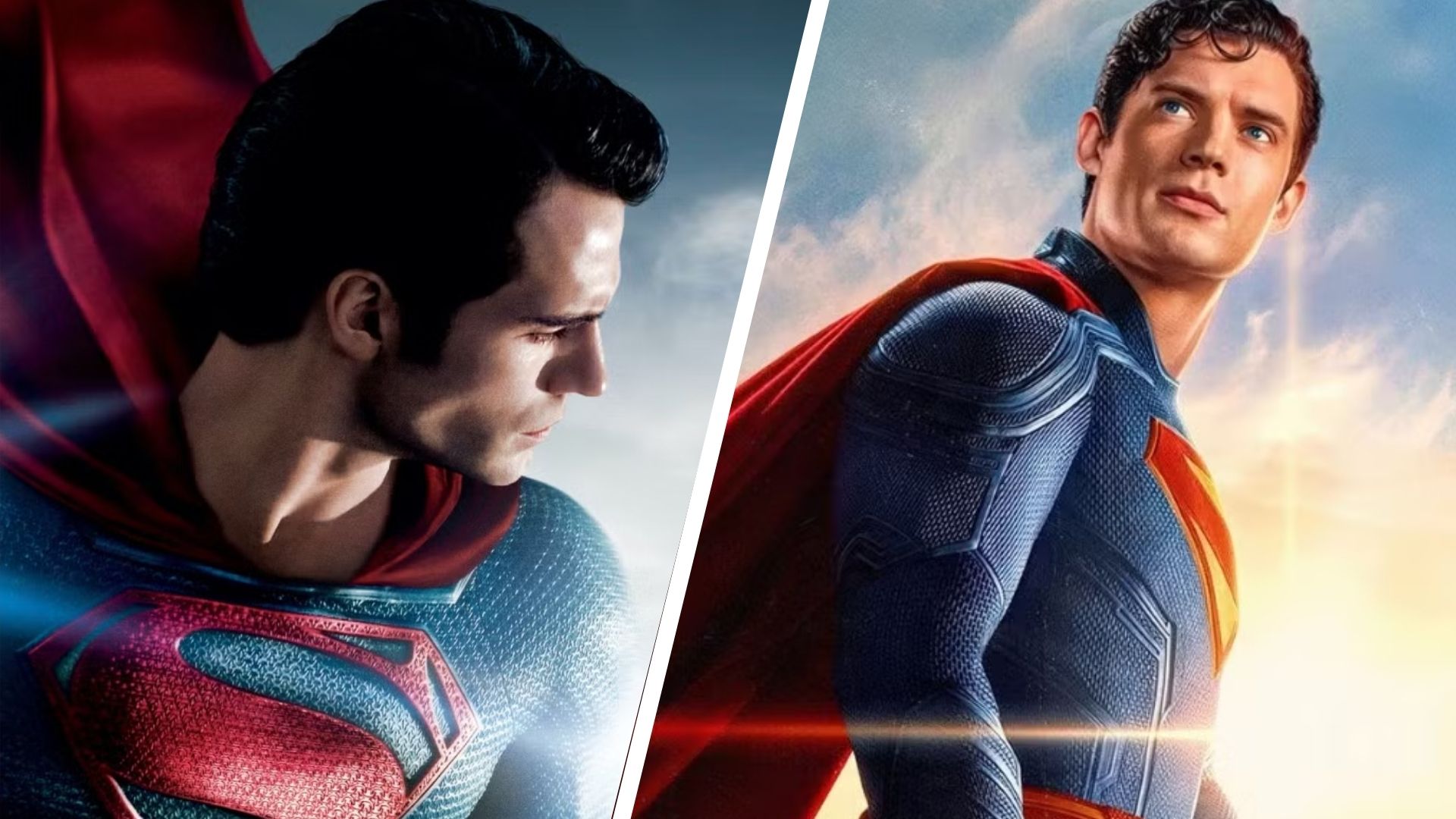
While the DC Extended Universe feels like a recent addition to the world of shared cinematic universes, DC Comics actually has a long history of them. From Tim Burton’s Batman films with Michael Keaton to the series of direct-to-DVD animated movies, there have been quite a few different DC storylines and continuities over the years.
DC Comics has explored many shared universes, but their quality varies greatly. Some versions of DC characters are considered particularly weak, while others are hailed as the best, even surpassing the original comics. Here’s a ranking of the most important DC shared universes, from least to most successful, based on factors like casting, story quality, world-building, and costume design.
The Tomorrowverse
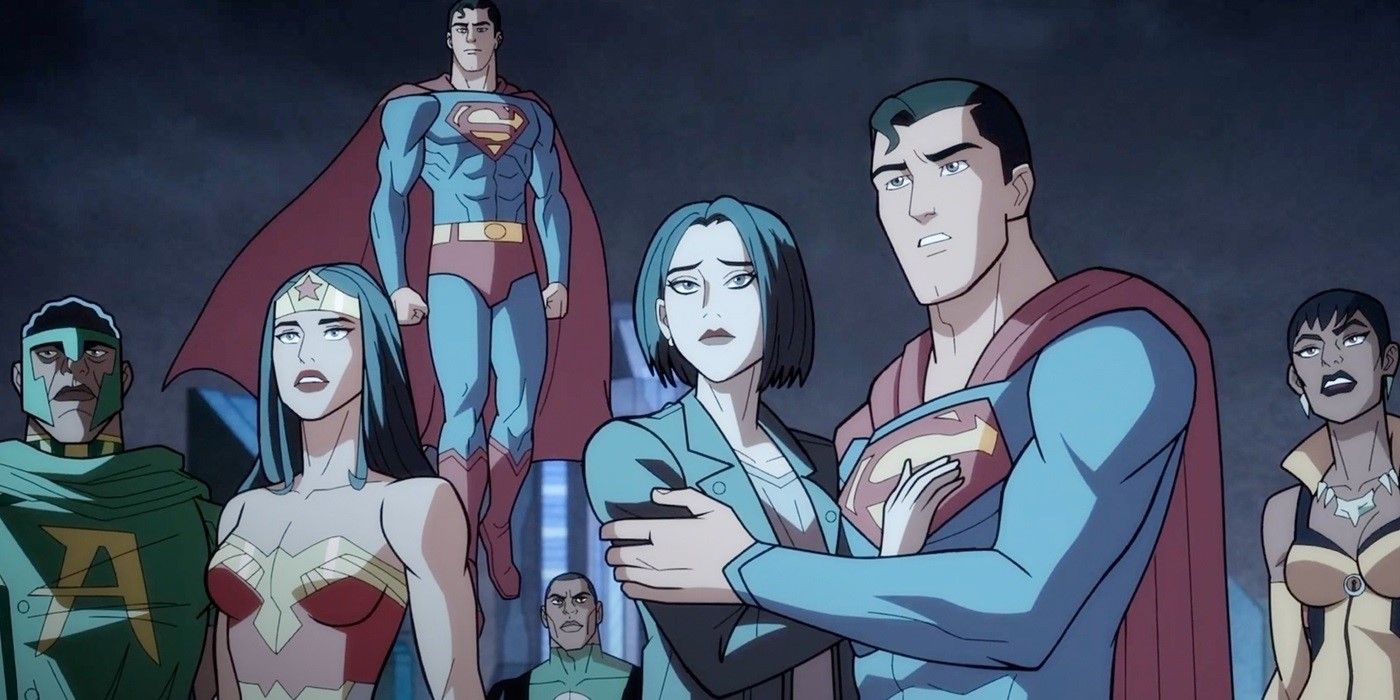
Following the conclusion of DC’s previous animated movie series, a new universe began with the release of Superman: Man of Tomorrow. This film offered a modern retelling of Superman’s origins and established the new shared universe, quickly dubbed the “Tomorrowverse.” While the Tomorrowverse started strong, some viewers found the animation style felt unnatural. The universe continued with several films, including Justice Society: World War II, the Batman: The Long Halloween films, Green Lantern: Beware My Power, Legion of Super-Heroes, Justice League: Warworld, and the Crisis on Infinite Earths trilogy. Despite lasting from August 2020 to July 2024 – a relatively short run for a DC shared universe – the Tomorrowverse produced ten animated movies.
Beyond the unusual animation, the Tomorrowverse had other problems. Fans weren’t thrilled with how Hal Jordan (Green Lantern) was portrayed, significant departures from the story of Batman: The Long Halloween, or the drawn-out Crisis on Infinite Earths adaptation. However, the casting of Darren Criss as Superman and Jensen Ackles as Batman were definite successes. Ultimately, the Tomorrowverse felt like a hurried effort to create a connected universe, focusing more on making a lot of content than on making good content, and it often strayed from the original stories for no clear reason.
The DC Extended Universe (DCEU)
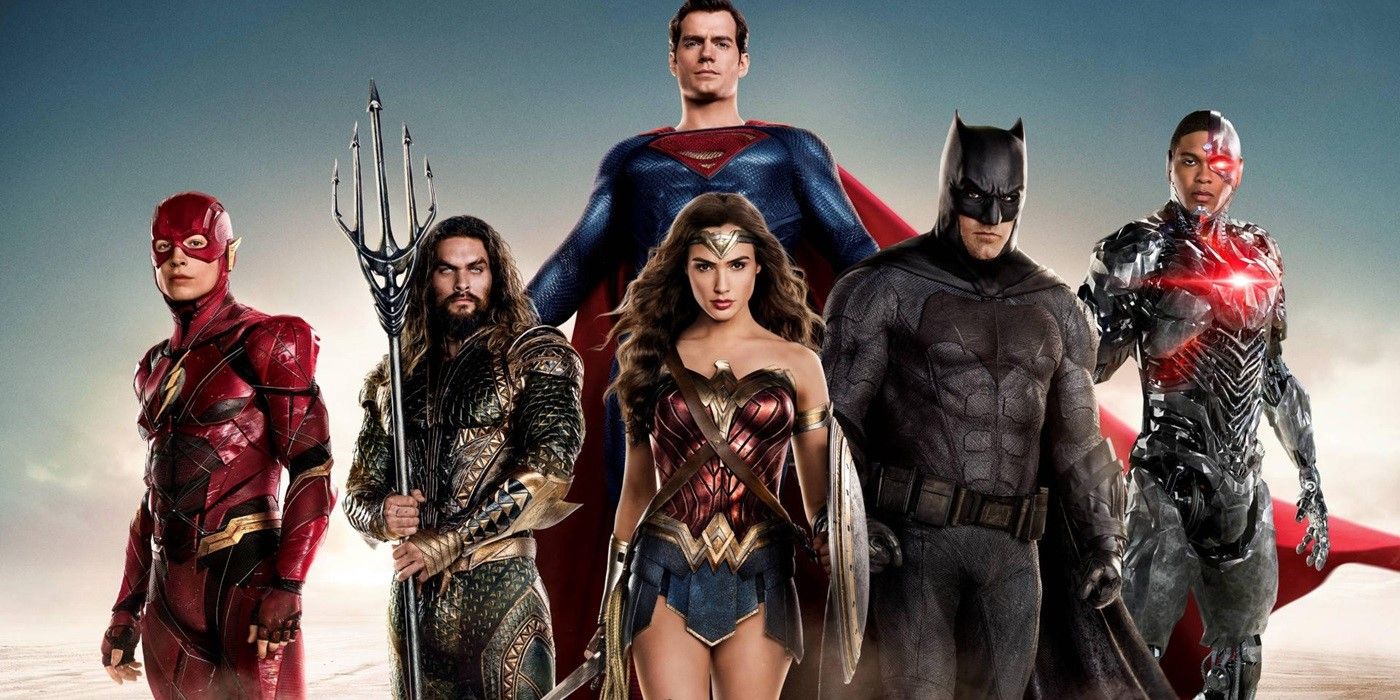
The DC Extended Universe lasted for over ten years, starting with Zack Snyder’s Man of Steel and ending with Aquaman and the Lost Kingdom. While the series had its supporters, critical opinions were mixed, especially after Warner Bros. changed direction from Snyder’s initially darker style. Though films like Patty Jenkins’ Wonder Woman, James Wan’s Aquaman, and David F. Sandberg’s Shazam! did well, their follow-ups weren’t as successful with critics or viewers. It appeared directors could make solid movies when studio interference was limited, as seen with productions like Justice League, Suicide Squad, and The Flash.
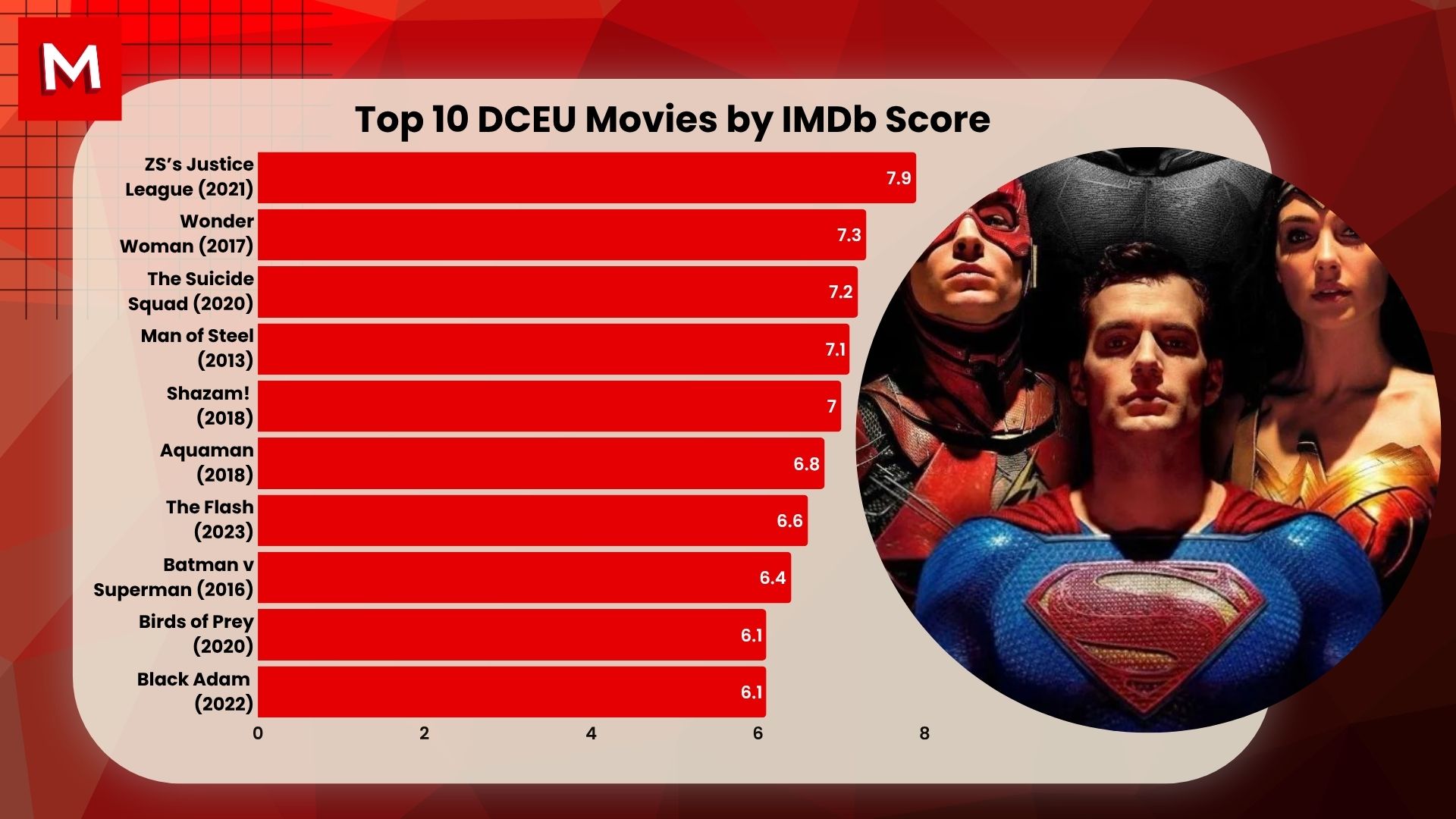
The DC Extended Universe had some excellent casting choices, like Margot Robbie as Harley Quinn, Viola Davis as Amanda Waller, and Xolo Maridueña as Blue Beetle. Fans also appreciated how accurately some comic book costumes were brought to life – Batman’s gray and black suit, for example, was new to live-action films until Batman v Superman: Dawn of Justice. However, the universe struggled with problems in editing and inconsistent storytelling across its 15 films, ultimately leading to the decision to reboot the franchise.
The Batman Burtonverse
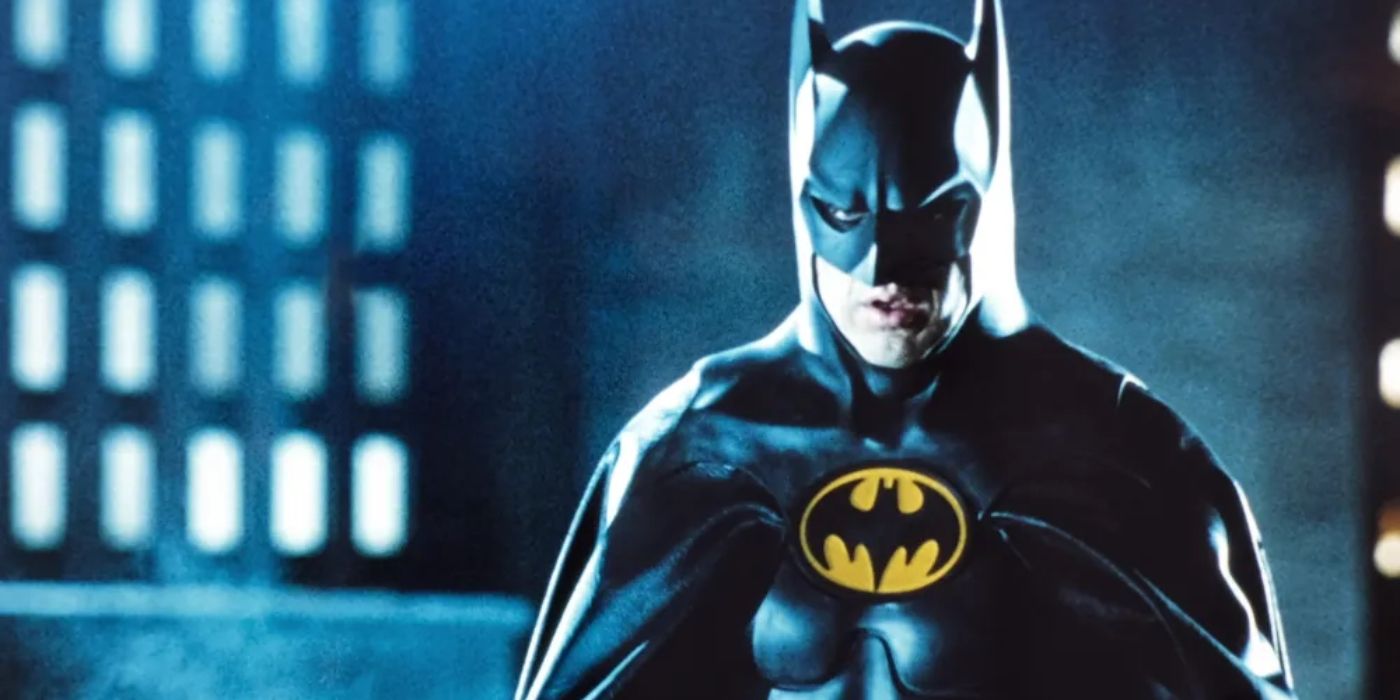
As a huge movie fan, I truly believe Tim Burton’s Batman in 1989 changed superhero films forever. Not just because of Michael Keaton as Batman, but because of those incredible villains – Jack Nicholson was the Joker, and Michelle Pfeiffer and Danny DeVito were unforgettable as Catwoman and Penguin. While Burton only gave us two films, the world he created has lived on in comics like Batman ’89, which imagines what could have been – Billy Dee Williams becoming Two-Face and even Marlon Wayans as Robin! That expanded with Batman ’89: Echoes, bringing in Burton-style versions of Scarecrow, Riddler, and Batgirl. It’s even continued through novels like Batman: Resurrection and Batman: Revolution. It’s not always strictly true to the comics, but it’s a really unique and memorable take on the Batman story, and I love how it’s been kept alive all these years.
The Superman Donnerverse
Director Richard Donner was a key figure in establishing superhero films, famously launching the modern era with his 1978 film, Superman. Christopher Reeve’s iconic performance as Superman remains beloved and set the standard for the character for years to come. The ‘Donnerverse’ encompasses the four films starring Reeve, as well as Supergirl, Superman Returns, and comics like Superman ’78 and Superman ’78: The Metal Curtain. These comics notably introduced the villain Brainiac to this universe, offering a fresh challenge beyond Lex Luthor. While the timeline isn’t always perfect—particularly with Superman II: The Richard Donner Cut and Superman Returns—the shared universe has a special appeal that continues to draw in Superman fans who appreciate a classic feel.
The DC Animated Movie Universe (DCAMU)
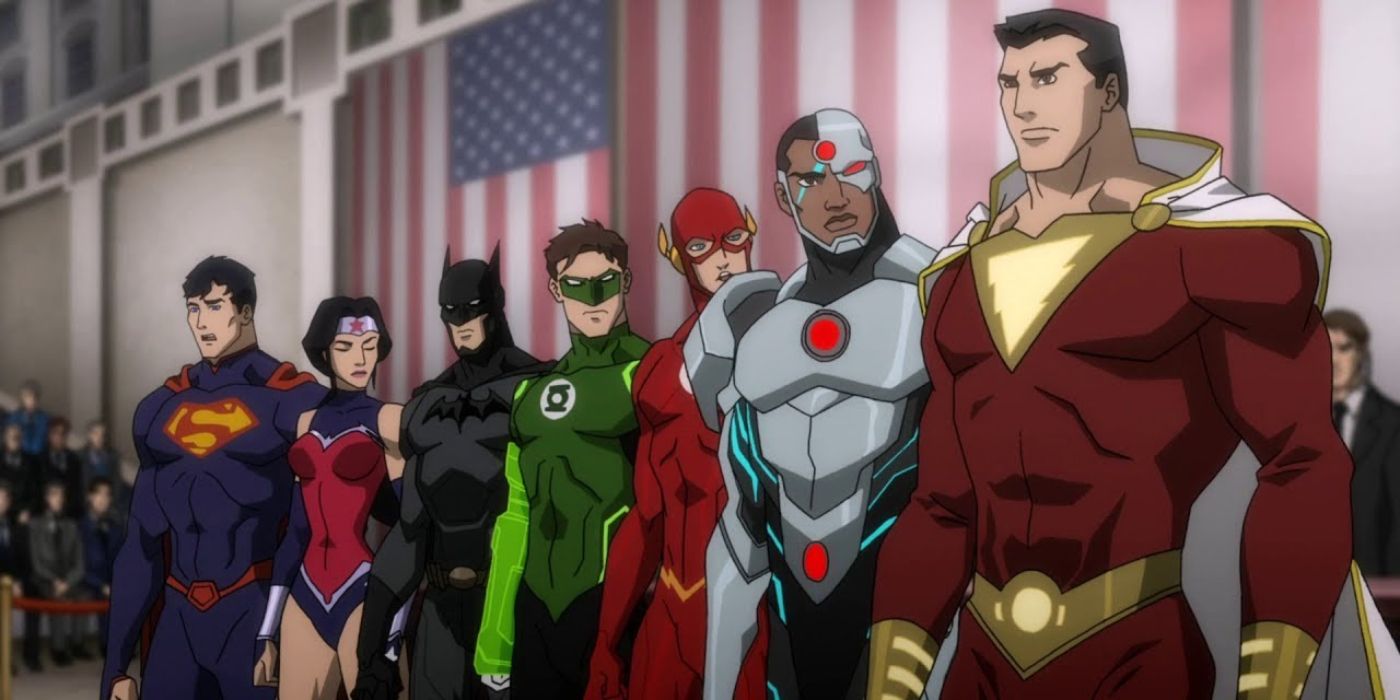
As a big fan of DC animated movies, I always appreciated how the DC Animated Movie Universe, or DCAMU, really embraced its comic book roots. It all kicked off with Justice League: The Flashpoint Paradox, where The Flash actually reset the entire timeline, creating a fresh start for everything. The DCAMU consisted of 15 direct-to-DVD films that were heavily inspired by DC’s New 52 comics – they took these characters and storylines and gave them a really modern, cinematic feel. What I loved was how many of the movies were really faithful adaptations of both classic and current comic arcs. Sure, they took some creative liberties here and there, but it never felt as jarring as what happened with the later Tomorrowverse. The DCAMU just felt connected to what was happening in the comics at the time, and it often felt like a genuine tribute to everything I loved about DC.
The Arrowverse
Even as the DC Extended Universe (DCEU) was happening, fans got another live-action DC experience through The CW’s Arrowverse, a collection of shows created by Greg Berlanti, Marc Guggenheim, and Andrew Kreisberg. Over its impressive 12-year run, the Arrowverse delivered memorable moments, including the first season of The Flash with the Reverse Flash as a villain, Tyler Hoechlin’s popular take on Superman, and large-scale crossover events like Crisis on Infinite Earths. The Arrowverse was also innovative, bringing things like the wider multiverse and characters like Gorilla Grodd to live-action DC for the first time.
Like the Marvel movies, the Arrowverse shows focused on the connection between actors, but always kept the superhero action front and center. While the shows weren’t always perfect – many experienced a drop in quality after a few seasons – the Arrowverse’s overall success is impressive. Considering the limited budgets of a TV series, it built a remarkably large and immersive world, offering a lot of content with moments of genuine brilliance.
The Batman Crime Saga
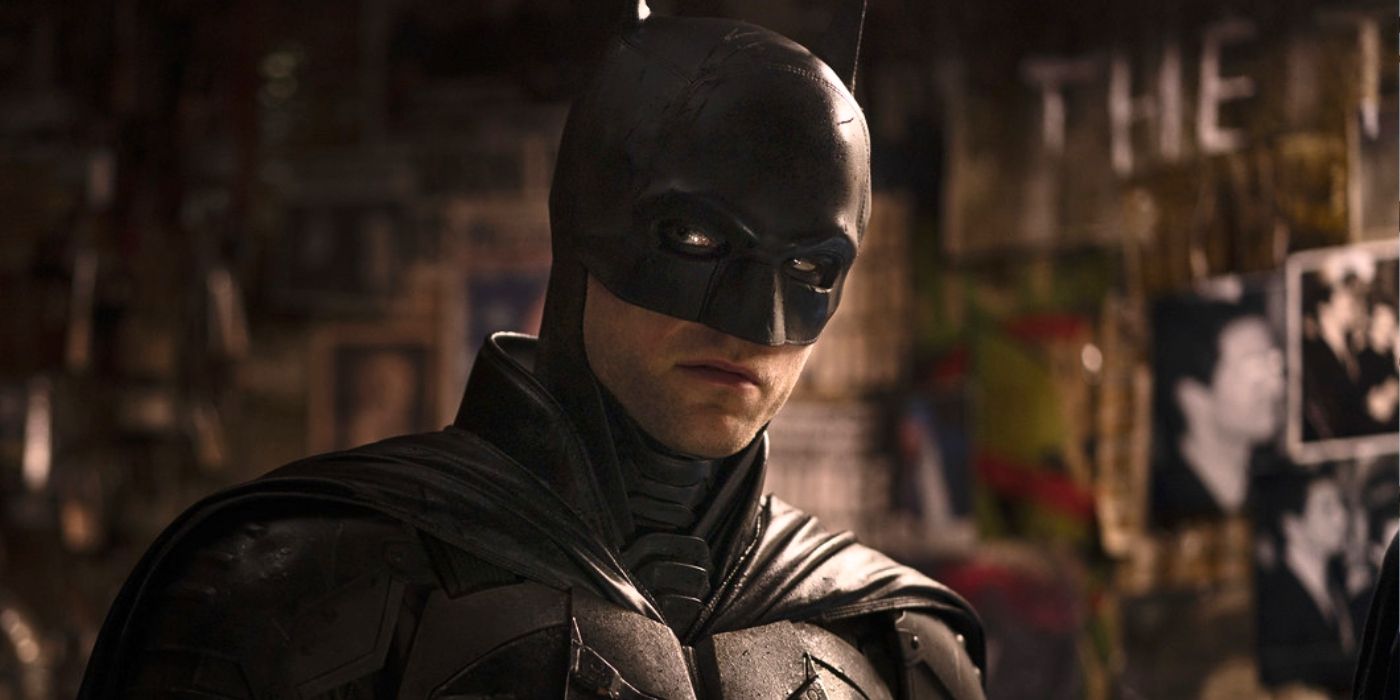
Matt Reeves’ The Batman launched a connected universe that’s continued with the critically acclaimed series The Penguin and the comic book miniseries The Riddler: Year One, which was released alongside the 2022 film. Since the start of The Batman Crime Saga, Reeves has been planning several spin-off shows, but so far, only a second season of The Penguin is confirmed, alongside the ongoing pre-production of The Batman: Part II. While the universe isn’t extensive yet, Reeves’ careful storytelling and detailed world-building have attracted a dedicated following. He’s focused on realizing his own vision for Gotham City, rather than rushing out spin-offs or sequels. The promising outlook for the next film and future series suggests that this deliberate approach is paying off.
The DC Universe (DCU)
James Gunn’s new DC Universe is off to a strong start, with smart casting choices and well-thought-out planning. While the previous DC Universe also began with a Superman film, Gunn’s Superman movie felt like a deliberate first step into a much larger world – but without the overwhelming setup of characters seen in Batman v Superman. With more shows like Lanterns and a Jimmy Olsen spin-off, plus movies such as Supergirl and Clayface on the horizon, the DC Universe is shaping up to be expansive and diverse, exploring different galaxies and genres in a way that most shared universes don’t.
James Gunn’s next Superman film, Man of Tomorrow, will introduce the iconic villain Brainiac to the big screen for the first time, and fans are hoping it will be a true adaptation of the classic comic book stories. Unlike the early Marvel Cinematic Universe, which slowly built towards The Avengers, Gunn seems to be focusing on the broader potential of the DC Universe. He understands there are many compelling characters beyond just the Justice League – characters like Booster Gold, Swamp Thing, and the Authority, as he originally outlined for the shared universe – that could surprise and engage audiences. Though still in its early stages, Gunn’s plan appears to be a smart approach, learning from both the successes and failures of the MCU.
The DC Animated Universe (DCAU)
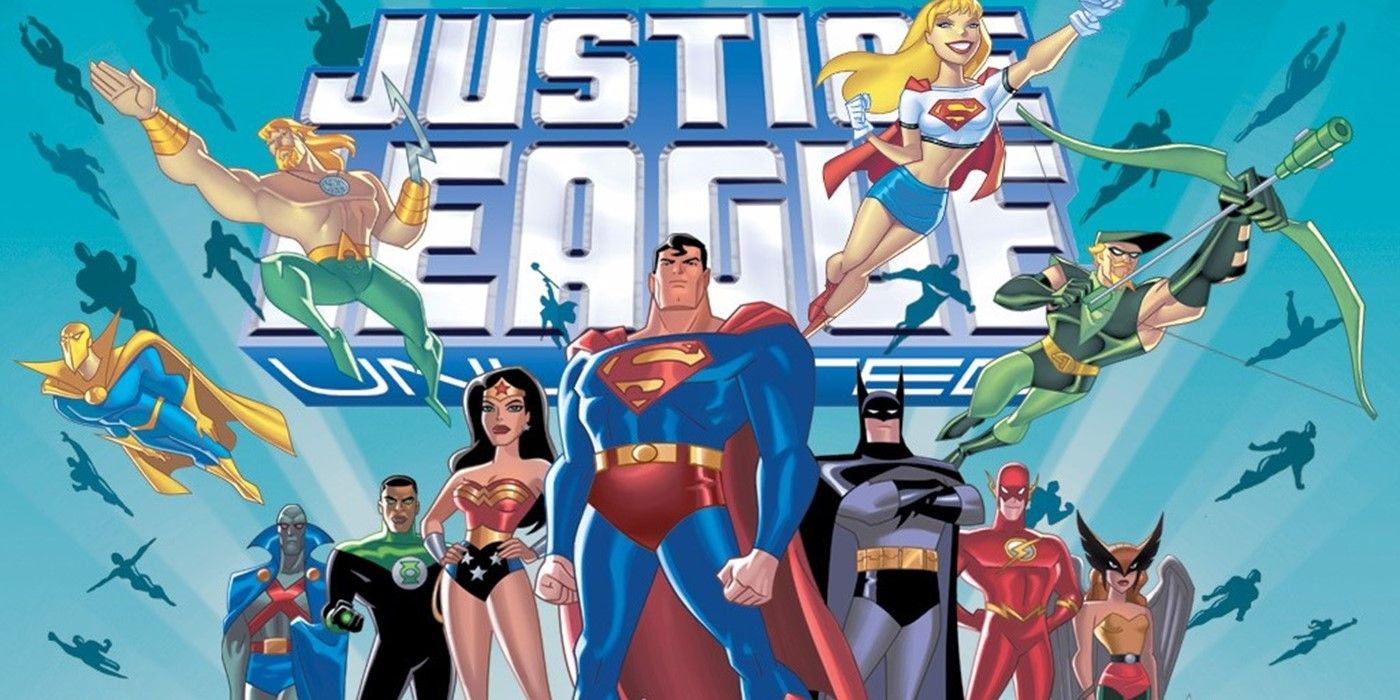
The DC Animated Universe is incredibly popular, bringing together fans of all things DC – from those who enjoy the movies and TV shows to longtime comic book readers. It started in the early 1990s with the highly influential Batman: The Animated Series, where Kevin Conroy became known as the definitive voice of Batman. Many fans even say they hear the voices of the DCAU actors when they read the comics today. Decades later, these cartoons continue to shape how people imagine the voices of DC’s most famous characters.
Fans often found exciting connections and rewards by watching different shows within the DC Animated Universe (DCAU), whether it was team-ups like Batman and Superman or episodes featuring characters from different eras, like Batman Beyond through time travel. Episodes such as “Feat of Clay,” the moving “Heart of Ice,” and “Kids’ Stuff” significantly shaped the DC universe, influencing character development and how they’re portrayed in the comics. What really sets the DCAU apart is its ability to not only faithfully adapt the source material but also to contribute back to it – most notably through the creation of iconic characters like Harley Quinn and Terry McGinnis, and with groundbreaking films like Batman: Mask of the Phantasm. These contributions have actually influenced the comics themselves.
Read More
- The Super Mario Galaxy Movie: 50 Easter Eggs, References & Major Cameos Explained
- 10 Best Free Games on Steam in 2026, Ranked
- Surprise Isekai Anime Confirms Season 2 With New Crunchyroll Streaming Release
- Why is Tech Jacket gender-swapped in Invincible season 4 and who voices her?
- ‘Project Hail Mary’: The Biggest Differences From the Book, Explained
- Preview: Sword Art Online Returns to PS5 as a Darker Open World Action RPG This Summer
- Skate 4 – Manny Go Round Goals Guide | All of the Above Sequence
- Sydney Sweeney’s The Housemaid 2 Sets Streaming Release Date
- Overwatch 2 G.I. Joe Crossover Launches July 1: Join the Battle Between Heroes and Villains
- Forza Horizon 6 ‘Prologue’ gameplay
2026-04-11 17:07