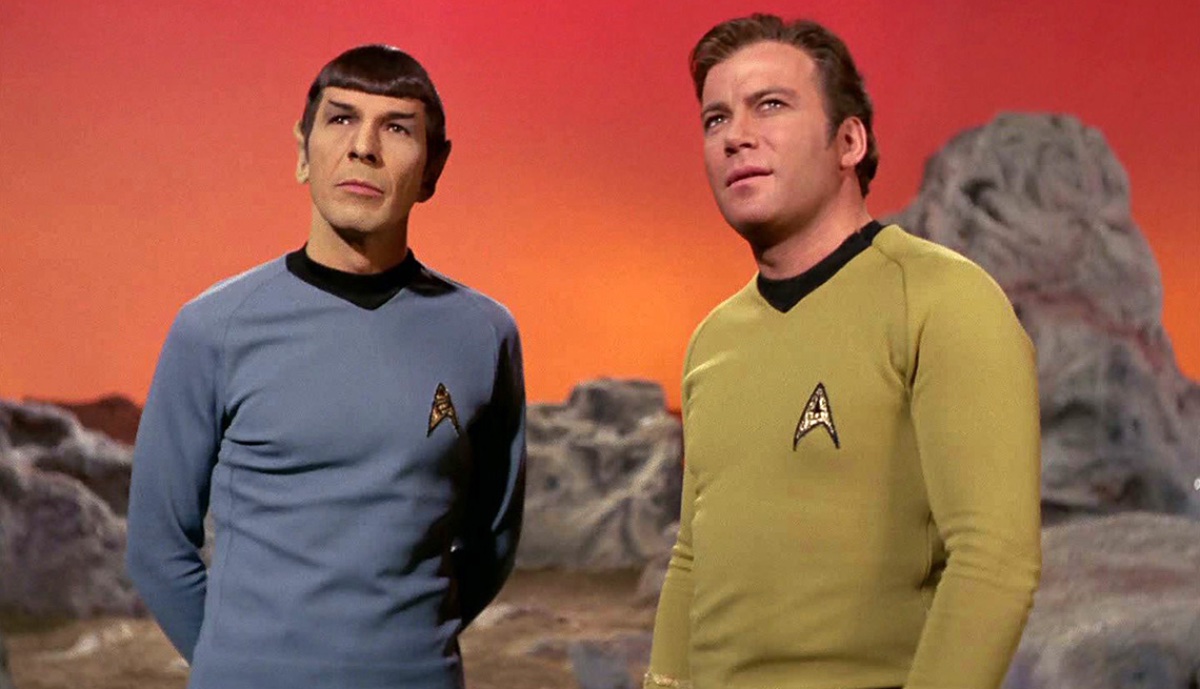
For sixty years, Star Trek has been a hugely influential force in science fiction and popular culture. Starting as a single TV show in the 1960s, it’s grown into a vast franchise with thirteen movies and more than a dozen different television series. Beyond television and film, Star Trek has thrived in other areas, including numerous novels and a long-running presence in comic books. It’s also inspired a wide range of video games. This impressive collection of content demonstrates the enduring appeal of Gene Roddenberry’s original idea, which continues to offer thought-provoking explorations of humanity and scientific progress.
The enduring popularity of Star Trek is mostly due to its consistently high production values and compelling storytelling. Both critics and fans have always praised the show’s various versions, appreciating the thoughtful ideas and technical skill that create a convincing vision of the future. This success continues today with streaming series like Star Trek: Starfleet Academy, which earned high marks on Rotten Tomatoes by combining a classic coming-of-age story with the established world of the United Federation of Planets. However, even a beloved franchise like Star Trek has faced challenges, and some seasons haven’t received positive reviews from critics on Rotten Tomatoes.
7) Star Trek: The Next Generation Season 2

The second season of Star Trek: The Next Generation hasn’t aged well with critics, currently scoring a 57% rating on Rotten Tomatoes based on seven reviews. This low score is largely due to the 1988 writers’ strike, which forced the show to use old scripts originally written for an unsuccessful 1970s Star Trek revival. Critics have pointed out that the season felt disjointed and struggled to establish a consistent story or character development. Changes to the cast, specifically the replacement of Beverly Crusher with Katherine Pulaski, also drew criticism, as many viewers found the new character unlikeable and a forced attempt to mimic the original series. To top it off, the season ended with a widely disliked clip show, “Shades of Gray,” often considered the worst Star Trek finale ever. While the introduction of the Borg and Patrick Stewart’s performance as Captain Picard were bright spots, the season’s overall creative and technical problems prevented it from being well-received by critics.
6) Star Trek: Deep Space Nine Season 6

The sixth season of Star Trek: Deep Space Nine received a surprisingly low score of 57% from critics, based on seven reviews – unusual for a series generally considered excellent. The main reason was a change in direction towards a grimmer, more continuous storyline focused on war, which some felt strayed from the hopeful tone of previous seasons. Although many fans now appreciate the complex Dominion War arc, critics at the time were split on the questionable actions of Captain Sisko and the bleakness of the war itself. One episode, “Profit and Lace,” is often singled out as particularly weak due to its clumsy humor and handling of gender issues. This mix of intense war drama and uneven, sometimes poorly written episodes led to a divided reaction from reviewers.
5) Star Trek: Enterprise Season 3
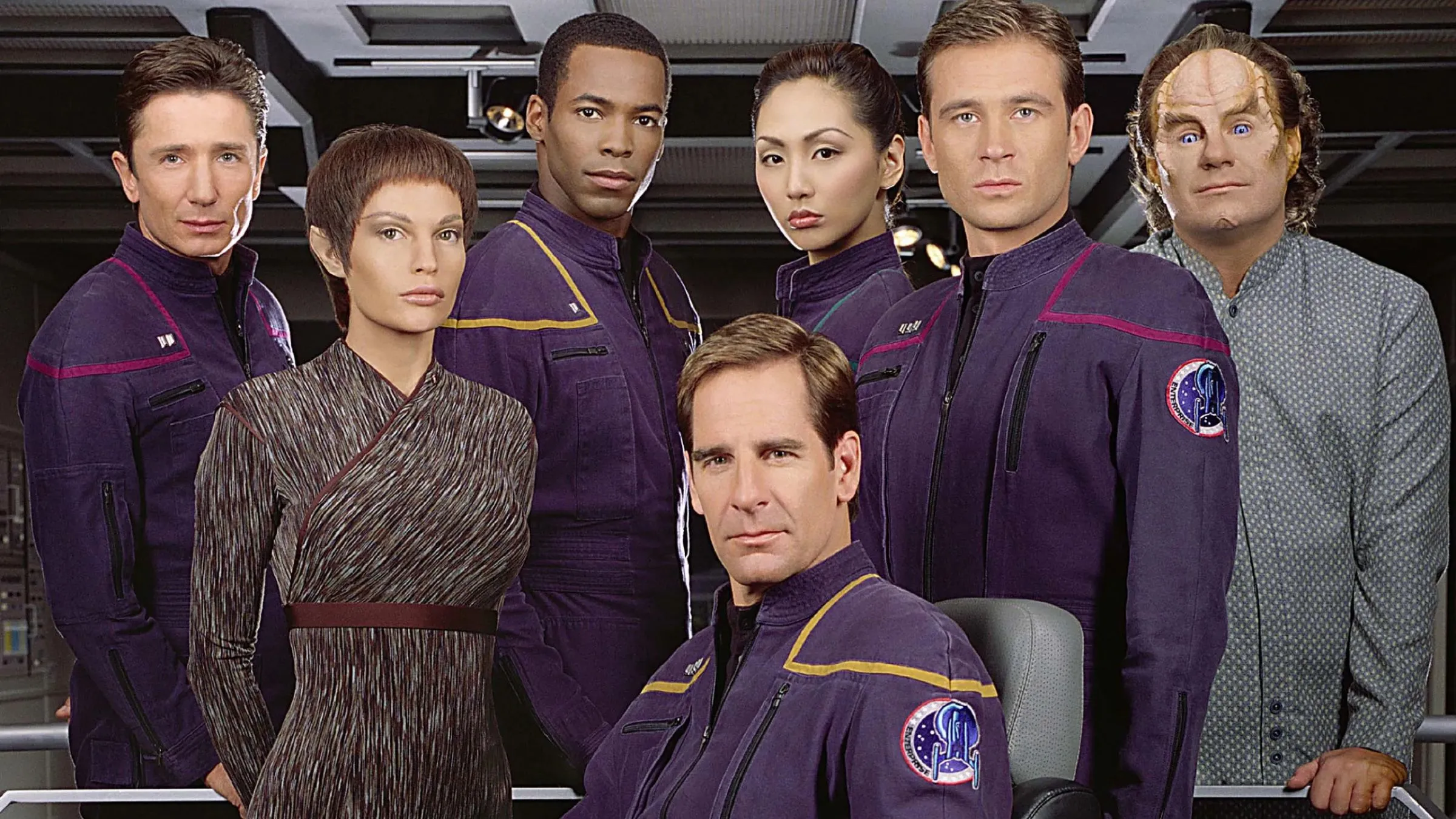
The third season of Star Trek: Enterprise has a 57% rating on Rotten Tomatoes, based on seven reviews, and reveals an interesting pattern. This season dramatically changed direction, centering on a year-long mission to prevent the Xindi, a mysterious alien race, from destroying Earth. Critics felt this shift towards a more military-focused style felt unnatural and lacked originality, often echoing the early 2000s political landscape without nuance. Some fans also disliked the portrayal of Jonathan Archer (Scott Bakula) as a more forceful leader, as they preferred the series’ traditional focus on exploration. Additionally, the season was criticized for prioritizing action over the thoughtful, philosophical stories that characterized previous Star Trek shows.
4) Star Trek: The Original Series Season 3

The final season of the original Star Trek isn’t very well-regarded, receiving a 50% rating based on ten reviews – a considerable drop from previous seasons. This decline is largely due to NBC moving the show to late Friday nights and drastically cutting its budget, which resulted in lower production quality. Critics also noted the writing became overly theatrical and lacked the thoughtful depth of earlier episodes. As a result, this season includes some of the franchise’s weakest installments, such as “Spock’s Brain” and “The Way to Eden.” While William Shatner and Leonard Nimoy continued to deliver strong performances as Kirk and Spock, even they couldn’t overcome the poorly supported and weaker scripts.
3) Star Trek: Voyager Season 2

Critics gave Star Trek: Voyager Season 2 a 33% rating, based on six reviews. The biggest issue was that the show didn’t fully use the potential of its setup – a crew lost far from Earth. Instead of showing the unique dangers of the Delta Quadrant, the season often fell back on predictable storylines and unconvincing villains, like the Kazon. Reviewers also felt that characters, including Captain Kathryn Janeway (Kate Mulgrew), didn’t grow much because each episode tended to reset their progress. The season is also known for the episode “Threshold,” which was widely criticized for its strange story about human evolution and became a popular joke among fans.
2) Star Trek: Enterprise Season 2

The second season of Star Trek: Enterprise received overwhelmingly negative reviews, earning a mere 33% approval rating based on six reviews. Critics felt the show had fallen into a predictable pattern, repeatedly using storylines similar to those from the popular Star Trek: The Next Generation. The initial sense of excitement and discovery that defined the first season was gone, replaced by uninspired episodes that didn’t develop the characters or the show’s world. Many also found the characters, including Captain Archer, lacked depth, and the show struggled to stand out within the broader Star Trek universe. Ultimately, most agreed the series needed significant changes to avoid being forgotten.
1) Star Trek: Voyager Season 6
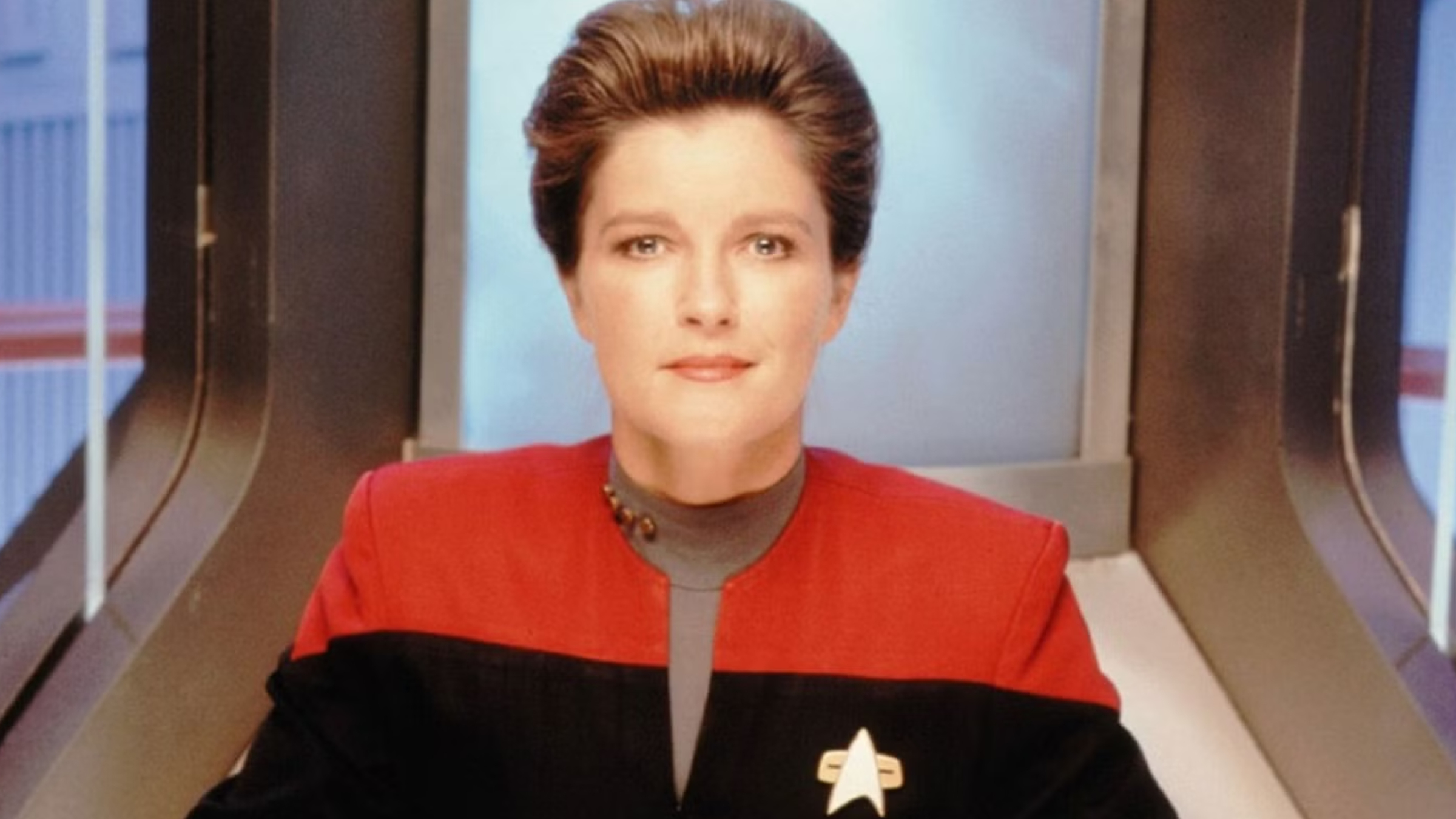
Season six of Star Trek: Voyager is generally considered the weakest in the series, based on critical reviews. While there aren’t enough reviews on Rotten Tomatoes for a formal score, the majority are negative – making it the most consistently criticized season. Reviewers felt the show had become too dependent on the characters of Seven of Nine and the Doctor, sidelining the rest of the cast. Many episodes felt repetitive, retreading old ideas without adding anything new. Furthermore, critics believed the show lost its sense of urgency; Captain Janeway’s mission no longer felt like a desperate fight to get home, but rather a collection of unrelated stories.
As a huge Star Trek fan, I’m really curious – which season do you think critics unfairly judged on Rotten Tomatoes? I’d love to hear your thoughts! Let’s discuss it all in the ComicBook Forum – come join the conversation now!
https://comicbook.com/tv-shows/list/the-10-best-star-trek-villains-of-all-time-ranked/embed/#
Read More
- Surprise Isekai Anime Confirms Season 2 With New Crunchyroll Streaming Release
- The Super Mario Galaxy Movie: 50 Easter Eggs, References & Major Cameos Explained
- 10 Best Free Games on Steam in 2026, Ranked
- Starfield (PS5) Review – A Successful Cross-Console Voyage
- Preview: Sword Art Online Returns to PS5 as a Darker Open World Action RPG This Summer
- ‘Project Hail Mary’: The Biggest Differences From the Book, Explained
- All 7 New Supes In The Boys Season 5 & Their Powers Explained
- Frieren: Beyond Journey’s End Gets a New Release After Season 2 Finale
- Sydney Sweeney’s The Housemaid 2 Sets Streaming Release Date
- Silver Rate Forecast
2026-01-21 01:19