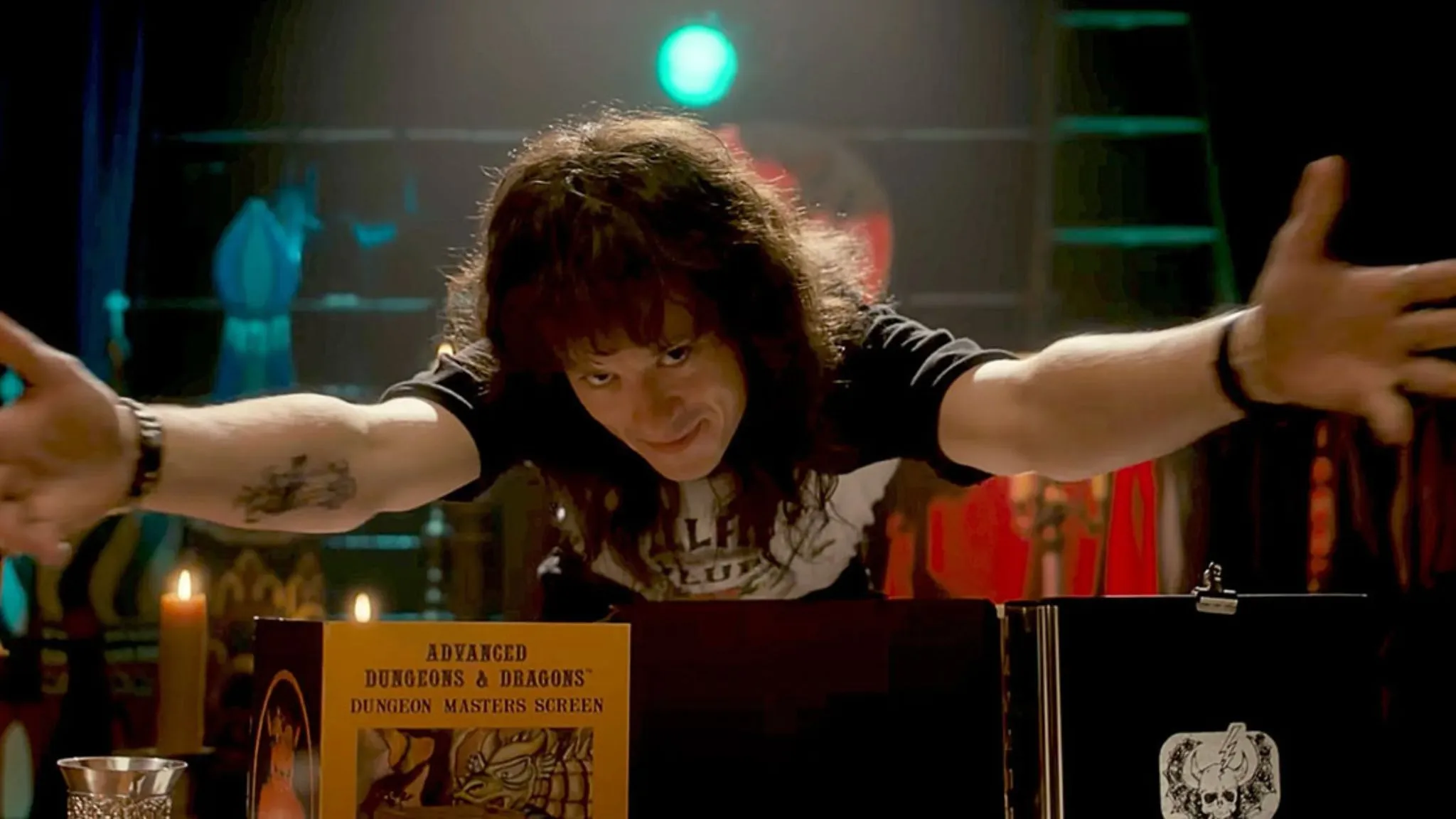
In Stranger Things, the monsters and threats that come from the Upside Down are consistently named by the group of friends – Mike, Will, Dustin, and Lucas. These boys, who are big fans of Dungeons & Dragons and actively play the game, tend to name the creatures after monsters from the tabletop roleplaying game. This isn’t just a fun throwback; the names often give hints about the monsters’ powers, weaknesses, and place in the overall hierarchy. With the final two parts of Season 5 coming soon, looking closely at the official Dungeons & Dragons 5th Edition rules for these monsters could reveal important clues about what’s going to happen in Hawkins.
By comparing what happens on screen – how the monsters behave and what affects them – to their established strengths and weaknesses, you can predict how the story will end, how powerful the heroes (like Will, who’s become a skilled sorcerer) will become, and exactly what it will take to permanently seal the gate to the Upside Down.
6) Vecna
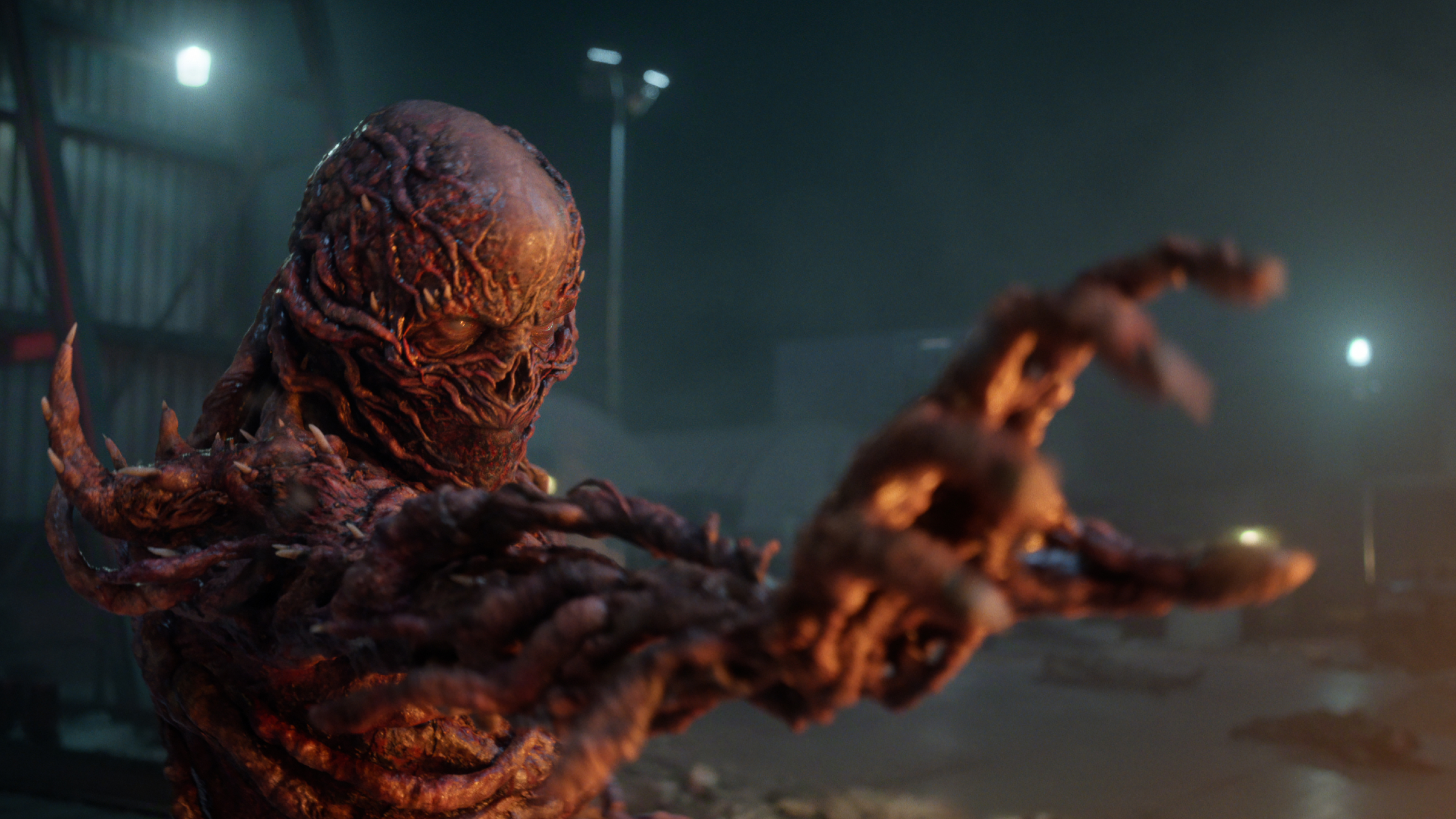
Vecna, a once-human now incredibly powerful villain, is a terrifying psychic force who hunts victims by exploiting their deepest fears and traumas, even from the alternate dimension known as the Upside Down. Dustin figures out that Vecna isn’t just a monster – he’s like a general leading the Mind Flayer’s army, controlling everything through a shared consciousness. Vecna wants to break down the walls between worlds, making him a huge danger to Hawkins and the entire world. To defeat him, the heroes will probably need to destroy both his physical form and his connection to the hive mind.
In Dungeons & Dragons, Vecna is an incredibly powerful, almost immortal villain – a lich and demigod of secrets. He’s much stronger than monsters like the Demogorgon, with a challenge rating of 26. He can withstand attacks that would instantly defeat almost any other enemy. Like many liches, Vecna doesn’t truly die when his body is destroyed; his soul is hidden within a special object called a phylactery (similar to the Horcruxes in Harry Potter). Given that Stranger Things seems to use D&D rules, simply defeating Vecna’s physical form likely won’t be enough. The heroes may need to locate and destroy his phylactery – or, as some believe, the Mind Flayer – to truly defeat him.
5) The Mind Flayer

The Mind Flayer is a huge creature that started as a shadowy mass, but was reshaped into a spider-like form by Henry Creel, also known as Vecna. It’s the central intelligence controlling the Upside Down invasions, and even Vecna himself. While it has a real-world body, the Mind Flayer mostly uses possessed humans – people it has ‘flayed’ – like Billy Hargrove, to carry out its plans. Its main ability is to control others, using psychic connections to command creatures like the Demogorgon and to try and take over people’s minds, as seen with Will Byers. Ultimately, it’s the root cause of all the trouble.
In Dungeons & Dragons, a Mind Flayer (or Illithid) is a creature with an octopus-like head and a very high intelligence. They hunt other creatures to steal their brains. Though officially considered a mid-level threat, a Mind Flayer can be a dangerous boss, especially because of its ability to instantly kill a helpless victim and its powerful Mind Blast, which can stun everyone in a large area. The Mind Flayers in the show seem to operate as a collective hive mind, led by an Elder Brain, implying that Eleven, Will, and potentially Kali will need to use their mental powers to defeat it.
4) Thessalhydra

As a huge Stranger Things fan, I’ve been thinking a lot about the Thessalhydra. We haven’t actually seen it in the show yet – it was the monster the boys beat at the very end of their first Dungeons & Dragons campaign. But that’s why I think it’ll be a big deal later on. It’s the only monster from their game that hasn’t shown up in the real world, and that feels deliberate. It’s described as this huge, many-headed reptile with a poisonous tail! Considering the Mind Flayer and Vecna are already such powerful villains, the Thessalhydra might be lower on the totem pole in the Upside Down. Still, the fact that it was the final boss in their game makes me wonder if it’ll show up as a major, unexpected threat in the final seasons – maybe even a climactic battle!
The Thessalhydra, a large and frightening monster from Dungeons & Dragons 5th Edition, closely resembles the creature featured in the show. It has a powerful pincer tail and several snake-like heads surrounding a central, dangerous mouth. Its difficulty level varies, but even a relatively weaker version (CR 4) is a serious threat, with some versions being much harder (CR 12 or 18). This monster is immune to acid and can launch multiple attacks, including biting and spraying acidic saliva. Because of its many heads, it’s very resistant to being stunned or charmed, meaning Will’s abilities might not be enough to defeat it.
3) The Flayed
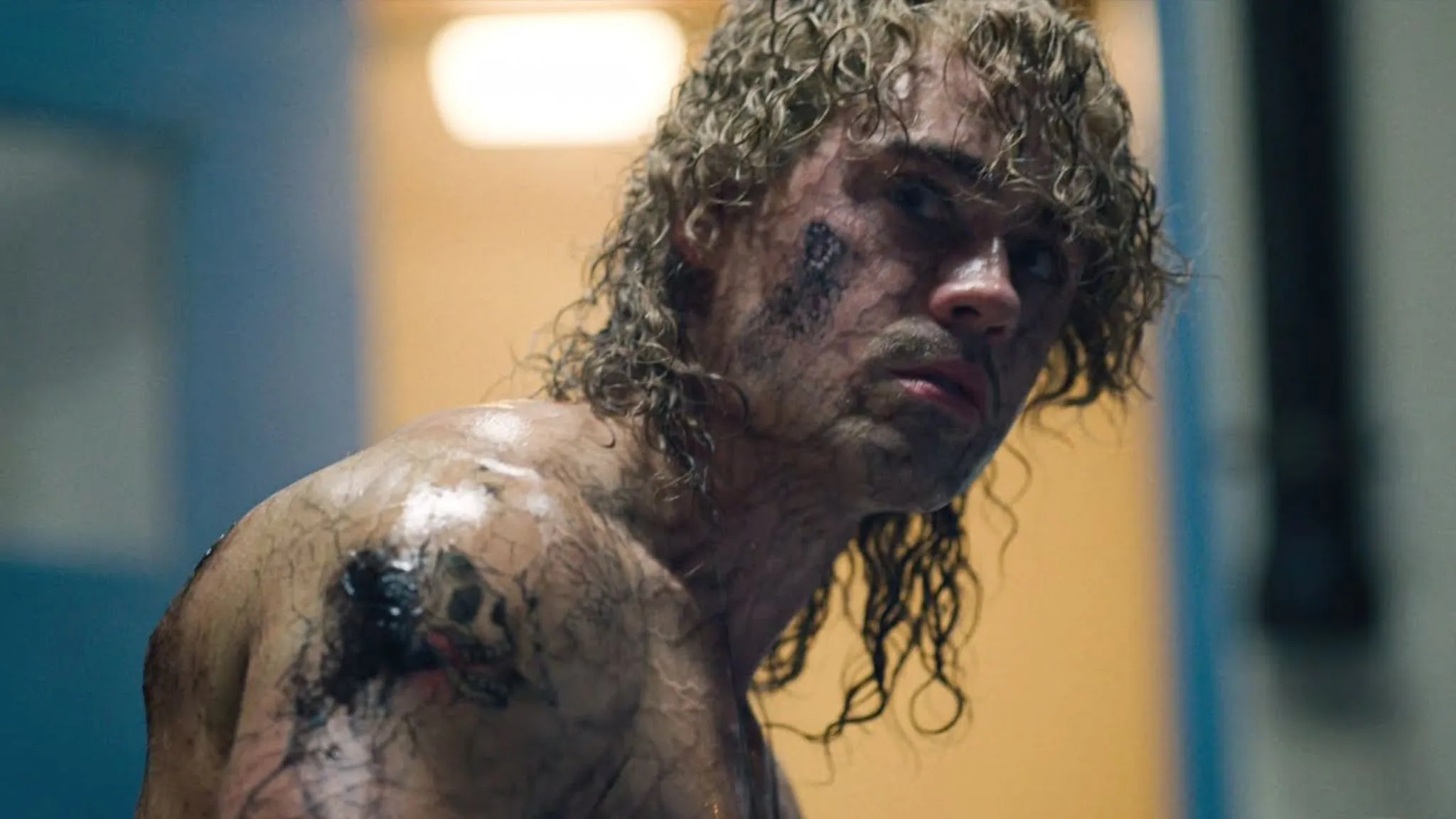
The Flayed are people, usually humans, who have been taken over by the Mind Flayer after being infected by its spores. Will Byers and Billy Hargrove are two of the most well-known examples. Once controlled, these victims become puppets of the Mind Flayer, forced to carry out its orders – including kidnapping and murder – with no will of their own. Eventually, they break down into a horrible, acidic substance that adds to the Mind Flayer’s body. Though still possessing a flicker of their former selves, the Flayed are completely helpless, making them tragic enemies that the heroes struggle to fight, recognizing the humanity that remains within.
The Flayed are most similar to creatures in Dungeons & Dragons 5th Edition like Mind Flayer Thralls or Zombies controlled by a stronger being. Monsters such as the Slaad Host or Ghouls/Ghasts with a puppet master also fit the description, as they were once living creatures forced into servitude. The defining characteristic of the Flayed is the loss of their own will and becoming part of a collective consciousness, which in D&D usually requires strong magical control or a powerful leader like an Elder Brain to maintain.
2) The Demogorgon
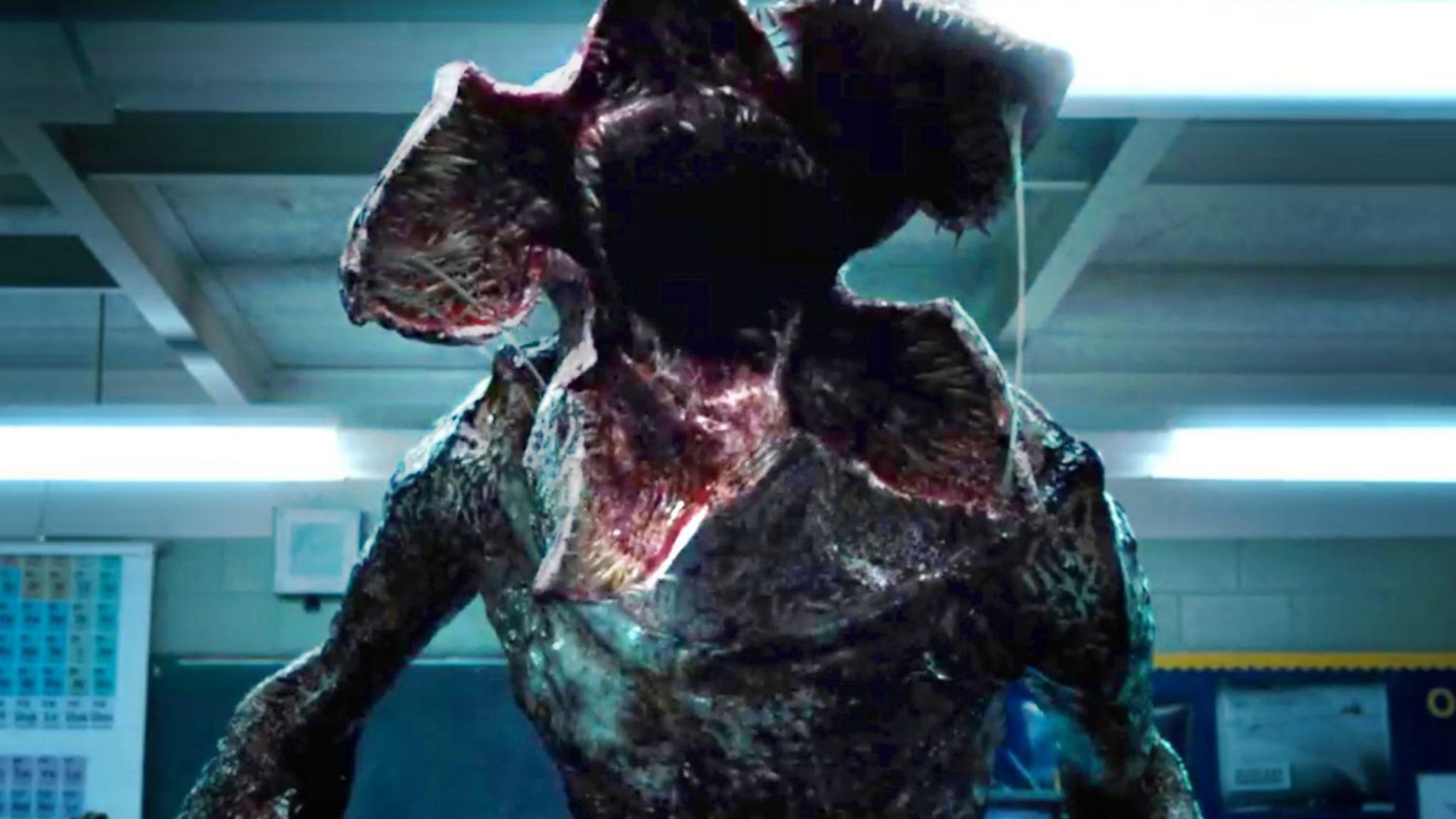
The Demogorgon is arguably the most famous monster from Stranger Things. First appearing in season one, this creature is a predatory carnivore that hunts in the alternate dimension known as the Upside Down. It can create temporary portals to pull victims into its world and is instantly recognizable by its horrifying, flower-like head filled with teeth. The Demogorgon is a powerful, instinct-driven predator with a simple, animalistic mind. It acts as a front-line attacker for the Upside Down’s forces, initially controlled by the Mind Flayer and later by Vecna, and often appears with groups of smaller creatures called Demodogs (young Demogorgons) and Demobats.
In Dungeons & Dragons 5th Edition, the Demogorgon is a hugely powerful demon lord, comparable in strength to Vecna. It’s depicted as a two-headed, reptile-like being and is known for causing chaos and using telepathy. The Demogorgon seen in the show looks different and hasn’t shown telepathic powers, but the D&D version has strong magic resistance – it’s very hard to affect with spells. Considering the show generally follows D&D rules for its monsters, this resistance explains why Eleven’s psychic attacks don’t always kill the adult Demogorgons immediately. However, Will’s growing abilities can now inflict both physical wounds and potentially instant death.
1) Stirges (Demobats)
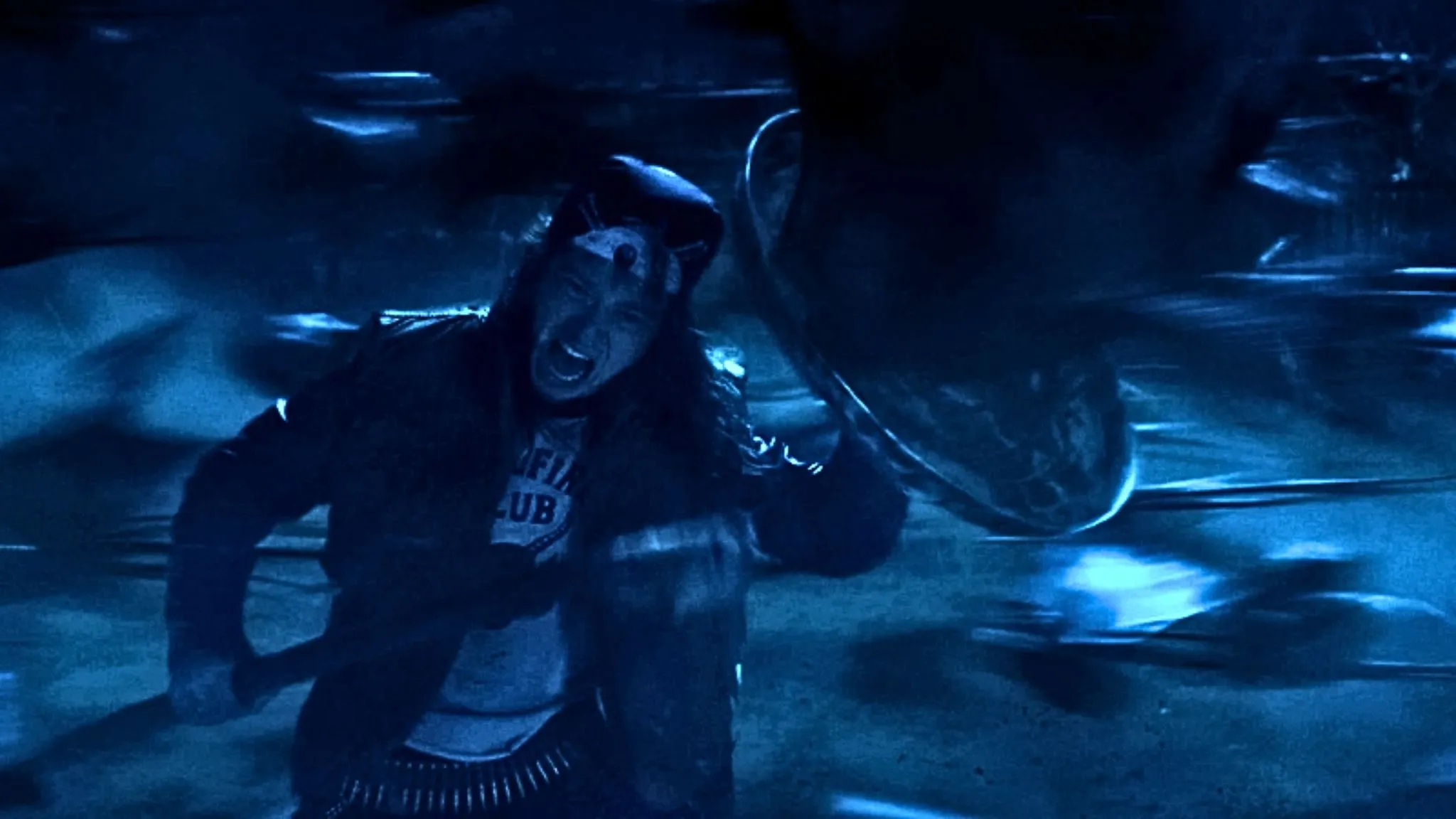
In Season 4 of Stranger Things, the Demobats are aggressive, bat-like creatures that fly in huge groups within the Upside Down. These creatures attack fiercely, inflicting serious, bleeding injuries. Though controlled by Vecna, they hunt in a way that overwhelms and weakens their victims, similar to insects or parasites, making them a dangerous threat and ultimately contributing to Eddie Munson’s sacrifice.
The Dungeons & Dragons monster most similar to Demobats is the Stirge. Stirges are small, bat-like creatures with faces similar to mosquitoes. Though individually weak (with a challenge rating of only 1/8), they attack in large groups, just like Demobats. Their main attack involves latching onto a target and continuously draining their blood, which closely reflects the relentless, draining nature of a Demobat swarm.
What do you think? Leave a comment below and join the conversation now in the ComicBook Forum!
Read More
- What Song Is In The New Supergirl Trailer (& What It Means For The DC Movie)
- TV legend Carol Kirkwood reveals the reasons why she decided to retire after 28 years with BBC
- Dune 3 Gets the Huge Update Fans Have Been Waiting For
- Highly Anticipated Strategy RPG Finally Sets Release Date (And It’s Soon)
- The Super Mario Galaxy Movie: 50 Easter Eggs, References & Major Cameos Explained
- Why is Tech Jacket gender-swapped in Invincible season 4 and who voices her?
- Welcome to Demon School! Iruma-kun season 4 release schedule: When are new episodes on Crunchyroll?
- Sydney Sweeney’s The Housemaid 2 Sets Streaming Release Date
- Who Wants to Be a Millionaire? confirms contestant wins full £1 million prize pot on Jeremy Clarkson quiz
- The OG Resident Evil 1, 2 and 3 Are Now Available on Steam With a Heavy Discount (and DRM)
2025-12-14 16:11