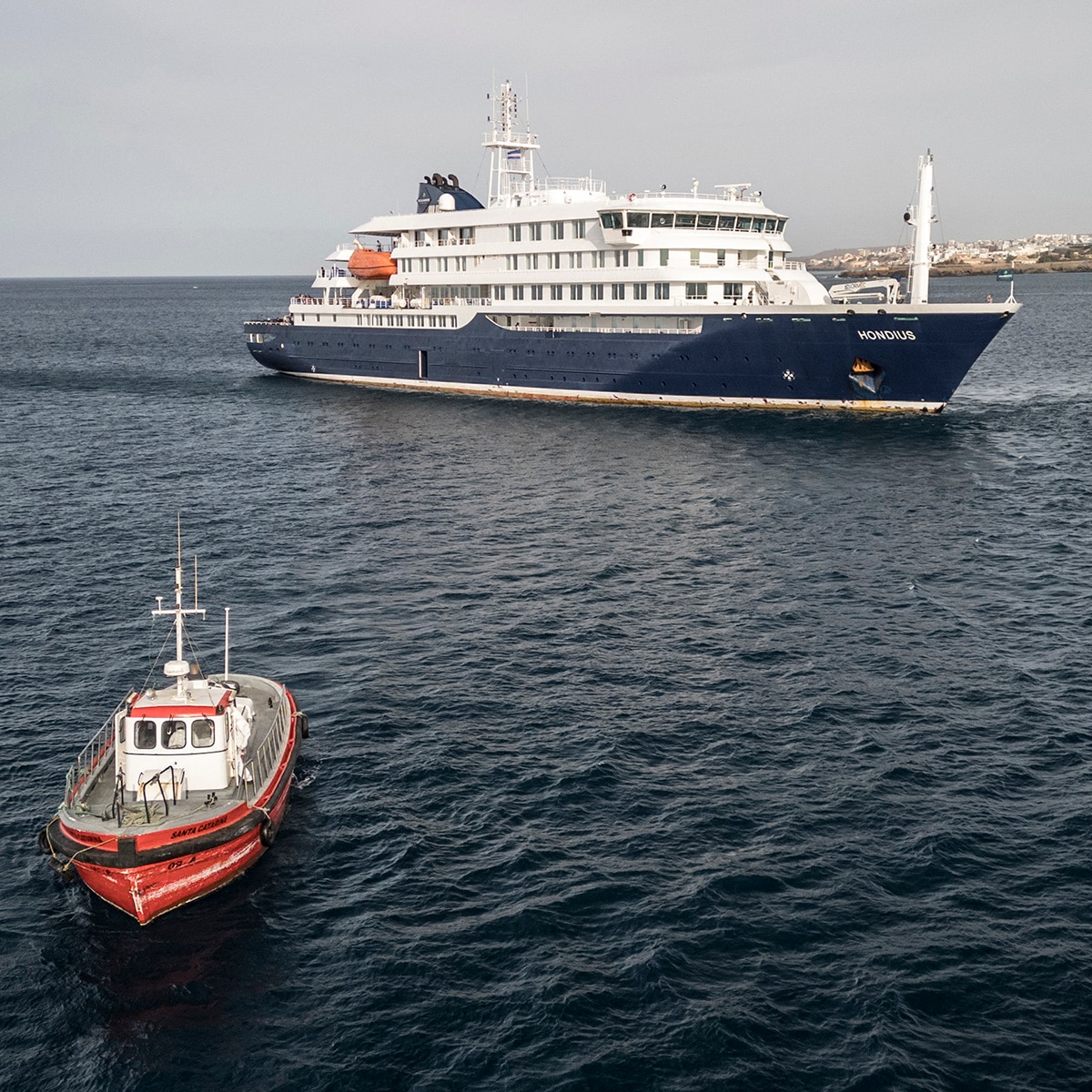
Three people are dead amid an outbreak of the rare hantavirus aboard a cruise ship.
Health officials worldwide are looking into an outbreak of a virus carried by rodents. This same virus caused the death of Betsy Arakawa, the wife of the late actor Gene Hackman, in New Mexico last year. Currently, several passengers on the MV Hondius, a Dutch expedition ship that began its journey from Argentina on April 1st, have been infected.
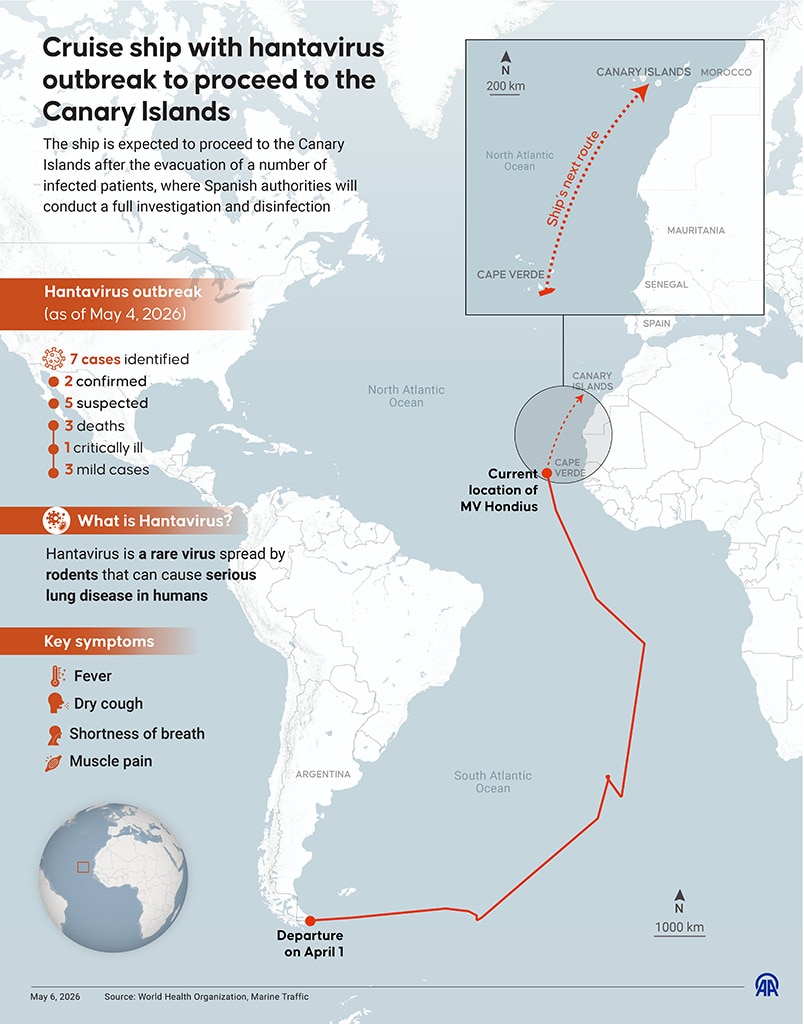
As of May 7th, the ship is currently anchored off the coast of Cape Verde, Africa. Investigators have confirmed five cases of hantavirus onboard, and three more people are suspected of having the virus.
Okay, so Dr. Van Kerkhove from the WHO – I follow everything she says, seriously – told the Associated Press that this new disease isn’t another COVID, which is a relief, but it is something we need to take seriously. And honestly? She said most of us probably won’t even get it, which is amazing, but still… I’m keeping up with every update!
Dr. Abdirahman Mahamud, the World Health Organization’s director for alert and response, stated, “If public health measures are put in place and countries work together, we expect this outbreak to be limited.”
Want to learn about the hantavirus outbreak on the cruise ship? Here’s a closer look at the details.
What is hantavirus?
Hantavirus is a rare but serious group of viruses spread mainly by rodents such as rats and mice, explains the Centers for Disease Control and Prevention (CDC). It can cause two potentially fatal illnesses: hantavirus pulmonary syndrome (HPS), a severe disease affecting the lungs and heart, and hemorrhagic fever with renal syndrome (HFRS), which damages blood vessels and kidneys.
How is hantavirus transmitted?
Hantavirus spreads to people from animals, specifically through contact with rodent urine, droppings, or saliva, according to the CDC. Most people get infected by breathing in tiny virus particles found in rodent waste – this often happens in closed-in spaces like cabins, sheds, or buildings that don’t have good airflow. While it’s possible to get the virus from a bite or scratch, it doesn’t happen often.
Andes virus is unique among hantaviruses because it can spread directly between people. However, this kind of transmission is rare and generally only happens with very close contact with an infected individual.
What are hantavirus symptoms?
According to the CDC, people first experience symptoms like fever, muscle aches, tiredness, and feeling sick to their stomach. Later, they often develop a cough and have trouble breathing because fluid builds up in their lungs. Other possible symptoms include severe headaches, chills, blurred vision, and feeling nauseous.
How many people got sick in the hantavirus cruise ship outbreak?
On May 7th, the World Health Organization announced that eight people aboard the MV Hondius had become sick, and five of those cases were confirmed to be hantavirus.
According to the World Health Organization, a man who experienced breathing difficulties and pneumonia symptoms on April 24 is now hospitalized in South Africa and remains critically ill. Tests have confirmed he has a hantavirus infection.
How many are on board the hantavirus cruise ship?
According to the World Health Organization, the ship that left Argentina had 147 people on board – 88 passengers and 59 crew members – representing 23 different countries.
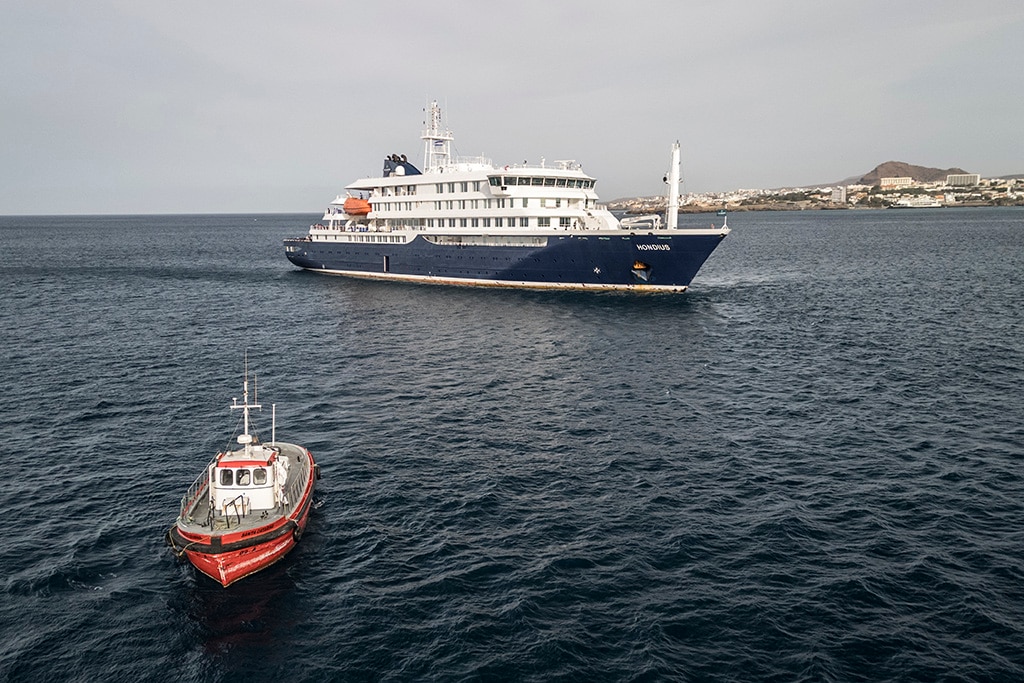
On May 4th, the ship was anchored near the coast of Cabo Verde, and medical personnel and investigators were traveling to it by smaller boats.
What is happening on the cruise ship amid the hantavirus outbreak?
According to The New York Times, passengers are being asked to maintain social distancing, wear masks, and leave a seat between themselves and others while eating.
Passenger Kasem Hato said that life on the ship has been relatively normal while they wait for officials to resolve the situation. He added that spirits are high among passengers, who are passing the time by reading, watching movies, and enjoying warm beverages.
How did the hantavirus cruise ship outbreak start?
According to two Argentine officials who spoke with the Associated Press, a Dutch couple likely caught the virus in Ushuaia, Argentina. They believe the couple was infected while visiting a landfill during a bird-watching outing before getting on the cruise ship.
According to the World Health Organization, a passenger on the MV Hondius started feeling sick with a fever, headache, and mild diarrhea on April 6th, five days after leaving Argentina. His condition worsened, and he developed breathing difficulties before dying onboard on April 11th.
He was taken off the ship in Saint Helena, an island in the Atlantic Ocean, on April 24th. The Associated Press reported that he had stomach problems when he disembarked.
According to the World Health Organization, the woman’s condition worsened during her flight to Johannesburg on April 25th. She arrived at a hospital locally and died the following day, April 26th.
She was 69, while her husband was 70 years old, per The New York Times.
Who died in the hantavirus cruise ship outbreak?
According to the World Health Organization, a female passenger died on May 2nd after showing signs of pneumonia. She had reported feeling feverish and generally unwell starting on April 28th.
How many people got sick in the hantavirus cruise ship outbreak?
On May 7th, the World Health Organization (WHO) announced that eight people aboard the MV Hondius had become ill, and five of those cases were confirmed to be hantavirus.
According to the World Health Organization, a man who first experienced breathing difficulties and symptoms of pneumonia on April 24 is now hospitalized in South Africa in critical condition. Tests have confirmed he has a hantavirus infection.
How many are on board the hantavirus cruise ship?
According to the World Health Organization, the ship left Argentina with 147 people on board – 88 passengers and 59 crew members – representing 23 different nationalities.
On May 4th, the ship was anchored near the coast of Cabo Verde, and doctors and investigators were traveling to it by smaller boats.
What is happening on the cruise ship amid the hantavirus outbreak?
According to The New York Times, passengers are being asked to maintain social distancing, wear masks, and leave every other seat empty while eating.
Passenger Kasem Hato said that life on the ship has been relatively normal while they wait for officials to resolve the situation. He added that spirits are high among passengers, who are passing the time by reading, watching movies, and enjoying warm beverages.
Has hantavirus come to the United States?
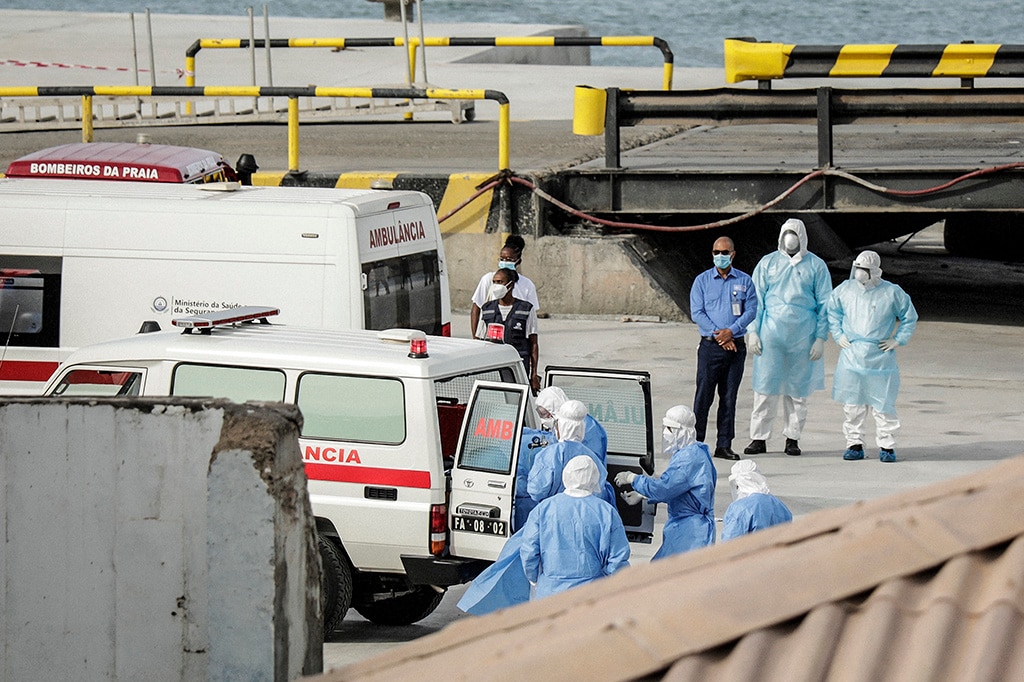
As of May 7th, no cases have been reported in the United States. However, health departments in Virginia, California, Arizona, Texas, and Georgia are keeping a close watch on passengers who were on the ship and have returned home.
According to Virginia Department of Health spokesperson Maria Reppas, a very small number of people in Virginia – fewer than five – who may have been exposed are likely to be identified in the coming days. Officials believe the risk to the public is minimal, she told USA Today.
Okay, so they’re trying to figure out everyone this passenger might have been near, you know, to make sure nobody else gets sick. The World Health Organization is leading the charge, and honestly, it’s a little reassuring to know they’re on top of it, tracking down every possible contact from that flight. I’m just glued to the updates, hoping they catch everything!
How contagious is hantavirus?
As a lifestyle expert, I want to reassure you that, according to the University of California Health, human-to-human transmission of this virus is incredibly uncommon. It’s really not something to worry about in terms of widespread infection.
According to acting CDC director Jay Bhattacharya, hantavirus isn’t spread by people who aren’t sick, and it requires close contact to transmit. He stated on May 7th, as reported by The Hill, that the risk to the public in the United States is very low. The CDC, with its leading hantavirus experts, is working with partners both domestically and internationally to plan responses and help bring people home safely.
Read More
- Gold Rate Forecast
- 10 Most Powerful Versions of Superman, Ranked
- GBP CNY PREDICTION
- 10 Best Free Games on Steam in 2026, Ranked
- 007 First Light: Release Date, Story, Gameplay, Cast, Editions, and Platforms
- Forza Horizon 6 Car List So Far: Confirmed Highlights, Cover Cars, DLC, and Rewards
- 10 Greatest Manga Endings of All Time
- Black State Trailer Showcases Ray-Traced Reflections and DLSS 4 Performance
- Hazbin Hotel Creator Teases a Long Awaited Big Bad That Sets Up A Huge Change
- Forza Horizon 6 PC Issues: Fix Crashes, Stuttering, Steam Errors, and Game Pass Problems
2026-05-08 01:48