It’s easy to overlook now, but when the PlayStation 5 launched, Sony really felt the need to compete with Xbox Game Pass and was under a lot of pressure to do so.
A lot of people believed Microsoft, having virtually unlimited funds and promoting what they called the best gaming deals, would easily dominate the market. However, the Japanese company consistently maintained that such a strategy wasn’t financially viable.
Many experts believed Microsoft was employing a common strategy: attract customers with very low initial prices, then profit from them later through other purchases. Internal records show the company once predicted it would gain 100 million subscribers.
The team behind the service consistently dismissed criticism, assuring its loyal fanbase that it was financially viable. At one point, they even claimed Xbox Game Pass boosted full-price game sales – which might have been true for some smaller, independent games that gained popularity through the service, but definitely wasn’t the case for their major, well-known franchises.
As a long-time Game Pass fan, I was pretty shocked late last year when they hiked up the price of Game Pass Ultimate from $19.99 to almost $30 a month! It felt like a huge jump, and I know a lot of people cancelled their subscriptions because of it – except for those of us who snagged those amazing deals a while back when they were really pushing the service.
Following the release of internal memos last week – where new CEO Asha Sharma noted the service’s high cost – the price of Xbox Game Pass Ultimate has been lowered to $22.99.
While the new price is still a bit higher than last year’s $19.99, this increase is largely due to the fact that it no longer includes Call of Duty.
It’s surprising how quickly opinions have shifted regarding this first-person shooter game. Once highlighted as a key reason to justify Microsoft’s almost $70 billion purchase of Activision Blizzard, it now seems less important. People are prioritizing the $7 a month they can save instead.
It’s well known that Microsoft lost a significant amount of money – around $300 million, according to estimates – by offering the latest Call of Duty game, Black Ops 6, through its subscription service. The financial impact on the next installment, Black Ops 7, could have been even greater.
This raises doubts about whether the current plan is sustainable. How many major game series will eventually be considered too large to launch on the service from the start? Will future games like The Elder Scrolls 6, if it’s ever released, be excluded?
Facing competition from Microsoft, Sony tested a similar strategy with Horizon Forbidden West, adding it to the PlayStation Plus Extra tier only a year after its initial release.
Although initial full-price sales of the game were similar to those of Horizon Zero Dawn, offering it on a subscription service too early is projected to result in around $85 million in losses.
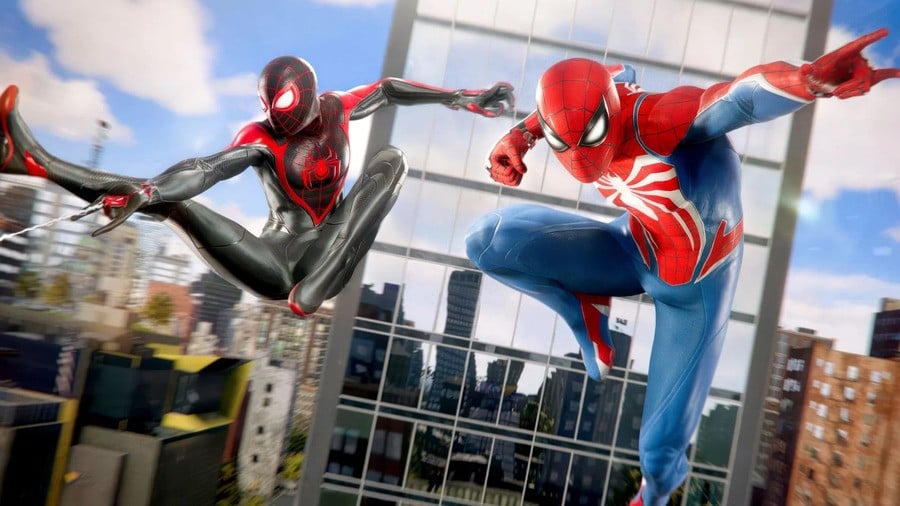
Since then, other games made by PlayStation have been included with PS Plus Extra, but they were added much later. For example, Marvel’s Spider-Man 2 joined the service earlier this year—more than three years after it first came out.
Sony has consistently improved its PlayStation Plus offerings, making them appealing to subscribers. PS Plus Extra, in particular, provides excellent value, costing just $14.99 a month – noticeably less than Xbox Game Pass Ultimate. However, unlike Game Pass, it doesn’t include new first-party games on the day they are released.
Microsoft’s recent adjustments seem to confirm that Sony was right all along, and they deserve recognition for standing their ground despite significant pressure.
Microsoft seems to be shifting towards a more flexible service model. However, it’s still debatable whether offering a large, all-you-can-play game subscription is a good idea, considering how much focus gaming requires. Unlike music or movies that you can enjoy in the background, games demand your full attention, making services like Spotify and Disney+ a better fit for passive entertainment.
Subscriptions are definitely worthwhile, especially if you enjoy playing a large amount of content. In that case, either option would be a good choice.
The idea of a gaming subscription service like Netflix doesn’t seem to be working out for Microsoft, and we expect they’ll continue to change their approach as they realize their original plan wasn’t very effective.
Read More
- GBP CNY PREDICTION
- 10 Most Powerful Versions of Superman, Ranked
- Gold Rate Forecast
- DOGE PREDICTION. DOGE cryptocurrency
- 10 Greatest Wii U Games of All Time, Ranked
- Superman’s 7 Best Power-Ups, Ranked
- 007 First Light: Release Date, Story, Gameplay, Cast, Editions, and Platforms
- Forza Horizon 6 Car List So Far: Confirmed Highlights, Cover Cars, DLC, and Rewards
- EUR CNY PREDICTION
- CNY RUB PREDICTION
2026-04-22 22:21