
I still remember the first time a first-person shooter really got me. It felt like stepping into the future, honestly! Suddenly, the screen was what I was seeing, the gun felt like part of my arm, and everything around me demanded quick reactions. It’s crazy how much the tech has changed over the decades, but even now, playing those games still feels surprisingly similar to how it did twenty years ago – that same rush, you know?
First-person shooters were incredibly popular and have continued to be, constantly improving their visuals and online capabilities. While graphics have gone from simple to incredibly realistic and matches now happen worldwide, the core gameplay – moving, aiming, and shooting – hasn’t changed much. The real question isn’t if the genre has gotten better—it definitely has—but why it hasn’t taken a truly bold step forward like some other types of games.
The Comfort of the Familiar: Why FPS Games Resist Change

First-person shooters prioritize making players feel instantly connected to the action. What you do in the game immediately affects what happens, and this clear connection is what made the original, popular games so engaging. Because this core gameplay feels so good, developers are hesitant to change it, fearing they’ll ruin the experience players love. This has led to a lot of games in the genre sticking with a familiar formula.
What began as comfortable design choices gradually became standard practice. Games started following predictable patterns – campaigns felt the same, multiplayer focused on common goals, and leveling-up systems were added without changing the core gameplay of shooting. Developers focused on making existing features better, like gun recoil and enemy behavior, but rarely considered completely new ways to structure a game. They prioritized small improvements over bold, innovative changes.
Beyond creative choices, financial factors also heavily influence first-person shooter (FPS) game design. These games are expensive to make, so developers tend to stick with what they know works to avoid losing money. If a familiar formula keeps players engaged, publishers are hesitant to take big risks that might turn off their existing fanbase. This leads to incremental changes rather than bold innovations, which can make the genre feel repetitive overall.
Surprisingly, the biggest changes in gaming haven’t come from altering the core gameplay itself. Things like battle passes, ongoing live services, and games focused on unique characters have changed how players spend time with a game, but the basic experience – aiming and shooting better than your opponent – has stayed largely the same. The dramatic overhaul many predicted simply hasn’t happened.
Innovations That Tried (and Mostly Failed) to Shake the Genre
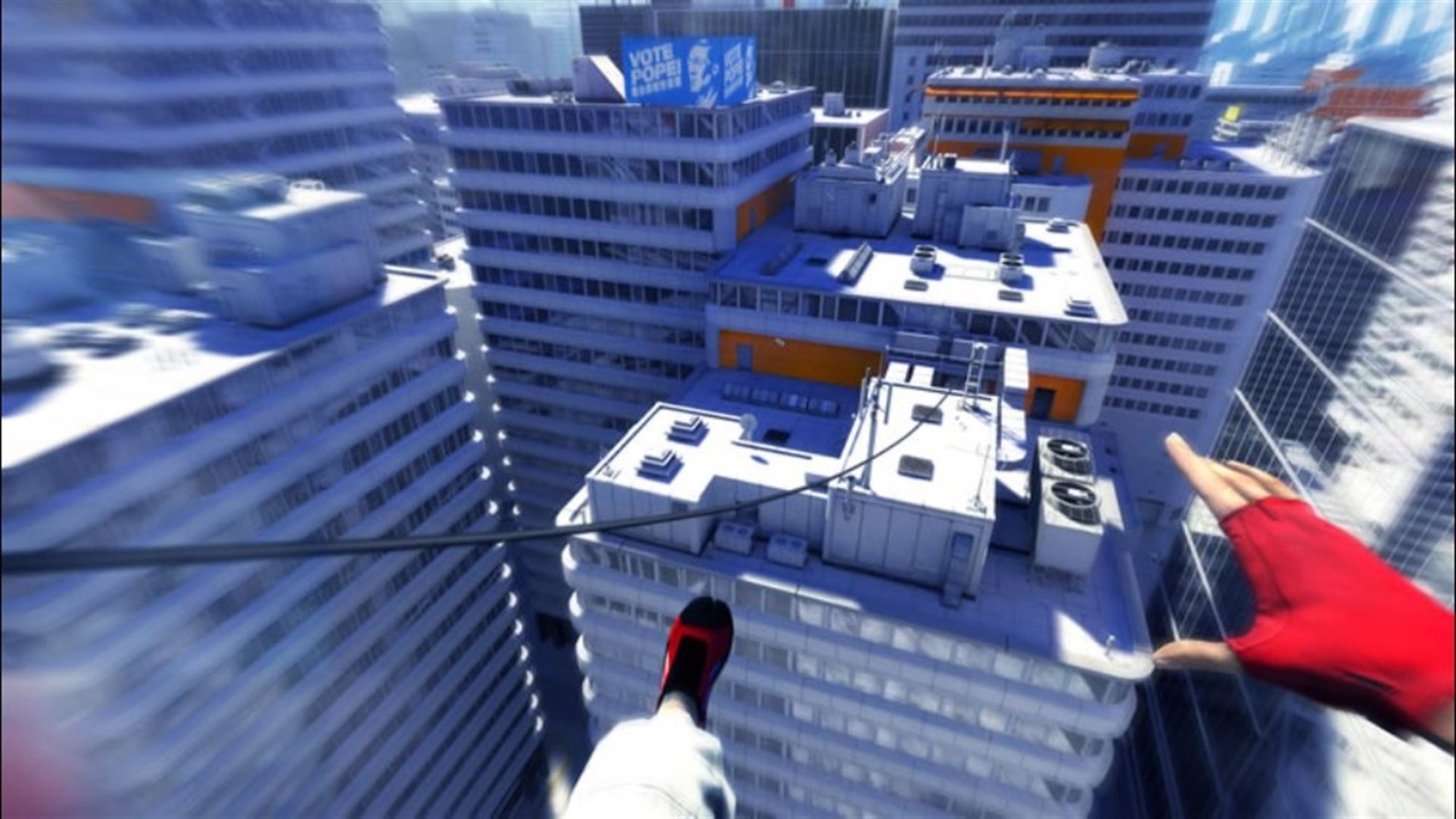
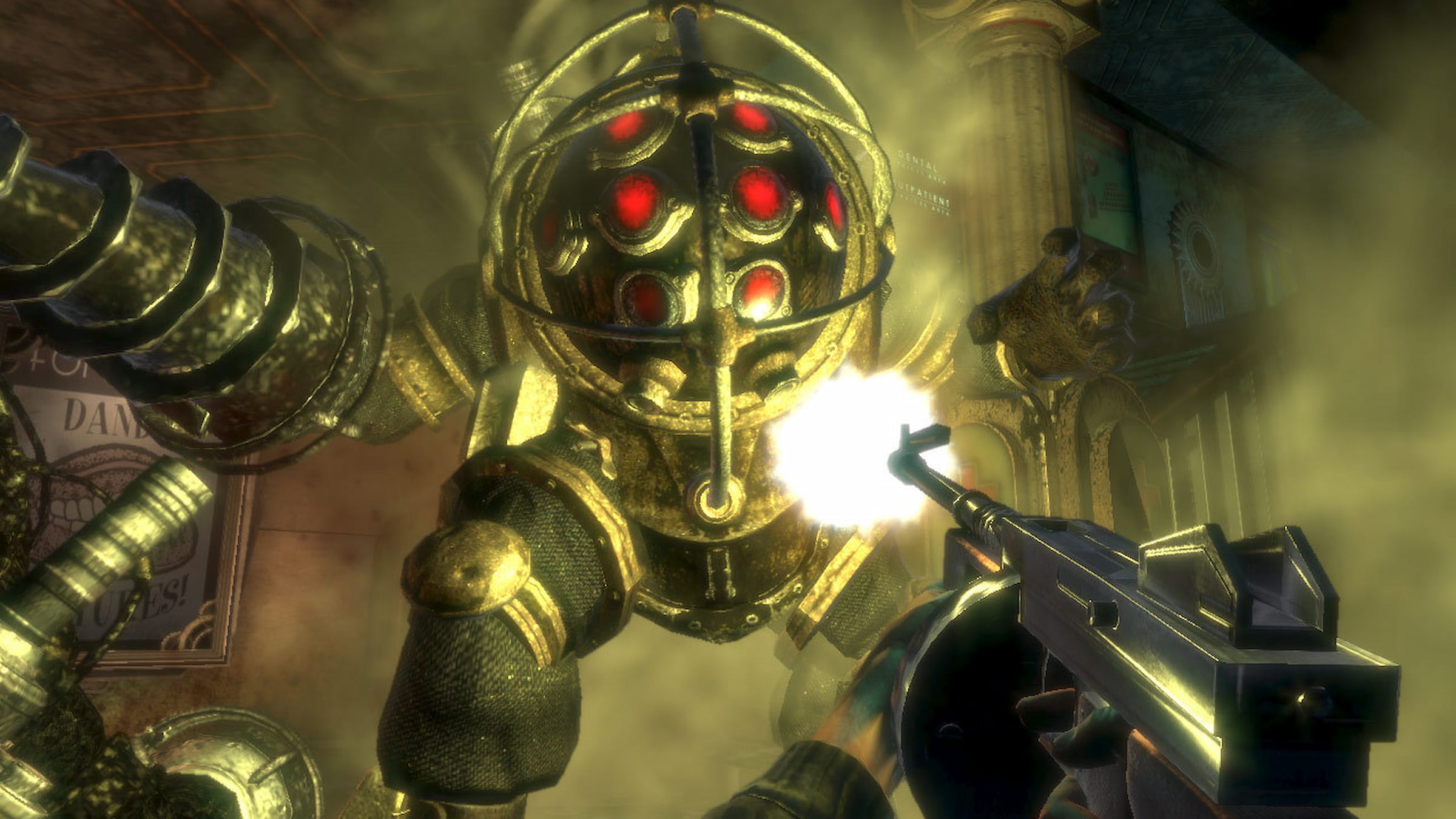
While the core formula remained largely consistent, developers did try new things. Games like Mirror’s Edge focused on movement, using wall running and fast traversal to change the pace. BioShock attempted to combine compelling stories with immersive gameplay. We also saw hybrid games that added RPG elements and open-world exploration to the typically straightforward structure of first-person shooters.
While many new ideas gained some traction, very few fundamentally changed how games are made. Innovative features often proved hard to implement successfully in competitive games. Games that focused heavily on story sometimes didn’t feel worth the effort after players got over the initial excitement. Even attempts to create truly open worlds usually ended up relying on traditional missions and shooting. The gaming industry often hints at big changes, but rarely sticks with them long enough to create lasting new trends.
One reason first-person shooters haven’t changed much is that the core experience is still compelling. The feeling of being in the action and pulling the trigger creates a powerful, satisfying response that’s difficult to replicate. Because this sensation consistently delivers thrills, both developers and players may not see a need for major innovation. The genre works so well, in fact, that it doesn’t immediately suggest opportunities for significant reinvention.
Often, things seem fine on the surface, but real progress is actually slowing down. While games are getting slightly better looking and more connected online, a major breakthrough will likely require a fundamental change to the core concept of a “shooter” game. This could mean creating worlds that truly respond to player decisions, using AI to create unpredictable and dynamic encounters, or even moving away from the traditional aiming system. These ideas are out there, but it will take a brave developer to take the risk and try something completely new.
While first-person shooters have continued to evolve, they haven’t seen a truly groundbreaking change in a long time. The basic gameplay – running, aiming, and shooting – remains largely the same as it has for decades. The next leap forward likely won’t come from simply improving visuals or expanding levels. It will take a developer willing to challenge the genre’s established, and comfortable, formula and explore entirely new ideas.
What do you think? Leave a comment below and join the conversation now in the ComicBook Forum!
Read More
- The Super Mario Galaxy Movie: 50 Easter Eggs, References & Major Cameos Explained
- Surprise Isekai Anime Confirms Season 2 With New Crunchyroll Streaming Release
- 10 Best Free Games on Steam in 2026, Ranked
- ‘Project Hail Mary’: The Biggest Differences From the Book, Explained
- Sydney Sweeney’s The Housemaid 2 Sets Streaming Release Date
- Skate 4 – Manny Go Round Goals Guide | All of the Above Sequence
- Preview: Sword Art Online Returns to PS5 as a Darker Open World Action RPG This Summer
- Why is Tech Jacket gender-swapped in Invincible season 4 and who voices her?
- Forza Horizon 6 ‘Prologue’ gameplay
- Joel Kinnaman Claims ‘Peacemaker’ Was His Last Time as Rick Flag Jr. in the DCU
2026-03-02 01:10