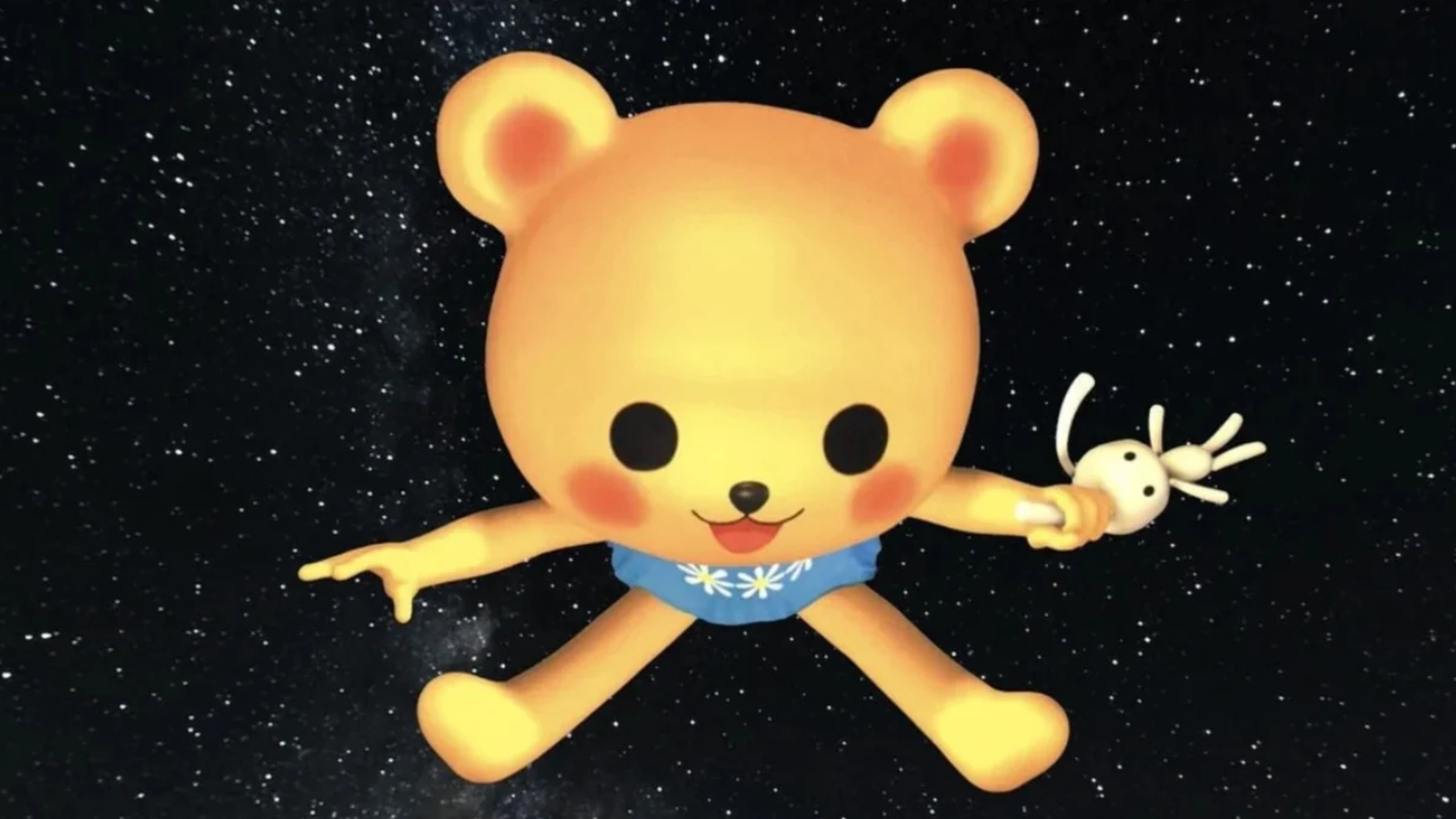
Over the years, countless video games have been created, but many older titles are now considered lost. This is because early video games were often seen as temporary entertainment, leading to a lot of them disappearing over time – much like some classic films from the beginning of cinema are no longer available. It’s particularly disappointing when you consider video games to be a form of art.
Organizations like the Video Game History Foundation are actively working to preserve gaming history, going further than most fans in their efforts. This includes fighting against those who falsely claim copyright ownership of older, lesser-known games to prevent people from enjoying them today. While frustrating, the VGHF has successfully found ways to overcome these obstacles.
How Cookie’s Bustle Became The Target Of A Copyright Fight

Preserving video games is already difficult, and now those working to save them are facing harassment from online trolls. Organizations like the Video Game History Foundation are dedicated to keeping gaming history alive and preventing titles from being lost forever. One example is a lesser-known Japanese adventure game called Cookie’s Bustle, originally released in 1999. While it had a limited physical release back then, it’s now considered an “orphan work” because it’s unclear who currently owns the rights.
For several years, Graceware Inc. has been claiming copyright over the game, and has been sending takedown notices to anyone posting about it online. Gamers and content creators have noticed these requests are much faster and more forceful than usual. For example, the Video Game History Foundation received a notice simply for announcing a donated copy of the game. After receiving multiple notices, the foundation investigated with its legal team and found that Graceware did not, in fact, own the rights to Cookie’s Bustle.
It appears “Graceware” isn’t a legitimate company – it has no online presence or listed services. The individual claiming ownership, Brandon White, seemingly used another company, Interoco, to falsely suggest he held the copyright, which allowed him to issue DMCA takedown requests. However, he only owns the trademark, not the actual copyright to the intellectual property. When asked to prove his copyright ownership, Graceware stopped responding. The Vintage Gaming History Foundation (VGHF) announced that “Cookie’s Bustle has finally been freed from copyright troll hell,” and believes Graceware’s takedown requests were likely a form of harassment.
Why Game Preservation Is Important Enough To Fight For

I was reading about this, and it’s really worrying! Apparently, the Video Game History Foundation says about half of all games and software from before 1995 are basically ‘orphaned’ – meaning nobody really knows who owns them anymore. These games came out before people thought of game design as art, so it’s hard to track down the original creators or companies. It’s a huge problem because it stops these classic games from getting rereleased or even properly saved! They’re just disappearing, and even if someone does try to preserve them, there’s always the risk of someone claiming copyright and causing trouble. It’s a real shame!
People creating troublesome content are hindering efforts to preserve video games and honor the original creators’ work. While game preservation is improving, it’s disheartening to see content being unfairly targeted for removal. This not only frustrates players but also impacts those who share their experiences through gameplay videos and fan-created content based on older games.
Protecting older video games is crucial for remembering the history of the medium. Even famous game designers like Shigeru Miyamoto recognize its importance, which has spurred groups like the Video Game History Foundation, the Game Preservation Society, and GOG.com to work tirelessly to keep games available for players and allow creators to still connect with their past work. While it’s discouraging when people try to hinder these efforts, the Video Game History Foundation’s recent success against Graceware demonstrates that game preservation will continue to find ways to thrive.
Read More
- What Song Is In The New Supergirl Trailer (& What It Means For The DC Movie)
- Gold Rate Forecast
- Eurogamer Gives ARC Raiders 2/5 Over AI Voices, Dropping Metacritic Score from 94 to 84
- Steve Rogers’ Return Means the MCU Can Finally Solve Avengers: Endgame’s Last Mystery
- This One Stranger Things Theory Explains a 9-Year-Old Season 1 Mystery, Sets Up the Finale, & is the Key to Future Spinoffs
- 7 Classic TV Shows With Criminally Low Rotten Tomatoes Scores
- Miss Super Sentai After Cancellation? Watch These 5 Anime to Fill the Void
- The OG Resident Evil 1, 2 and 3 Are Now Available on Steam With a Heavy Discount (and DRM)
- The Monsterverse’s Shocking New Time Travel Story – Monarch: Legacy Of Monsters Season 2, Episode 6 Explained
- Tainted Grail: The Fall of Avalon – Merlin’s Tomb DLC Adds a New End-Game Dungeon for Free
2026-03-13 21:41