When people choose a web browser, privacy and security are top priorities. This is especially true now with new AI-powered browsers like Comet from companies like Perplexity entering the market.
Until recently, your browsing history was generally private, though there’s been concern that companies like Google and Facebook monitor your online activity and use it to personalize the ads you see.
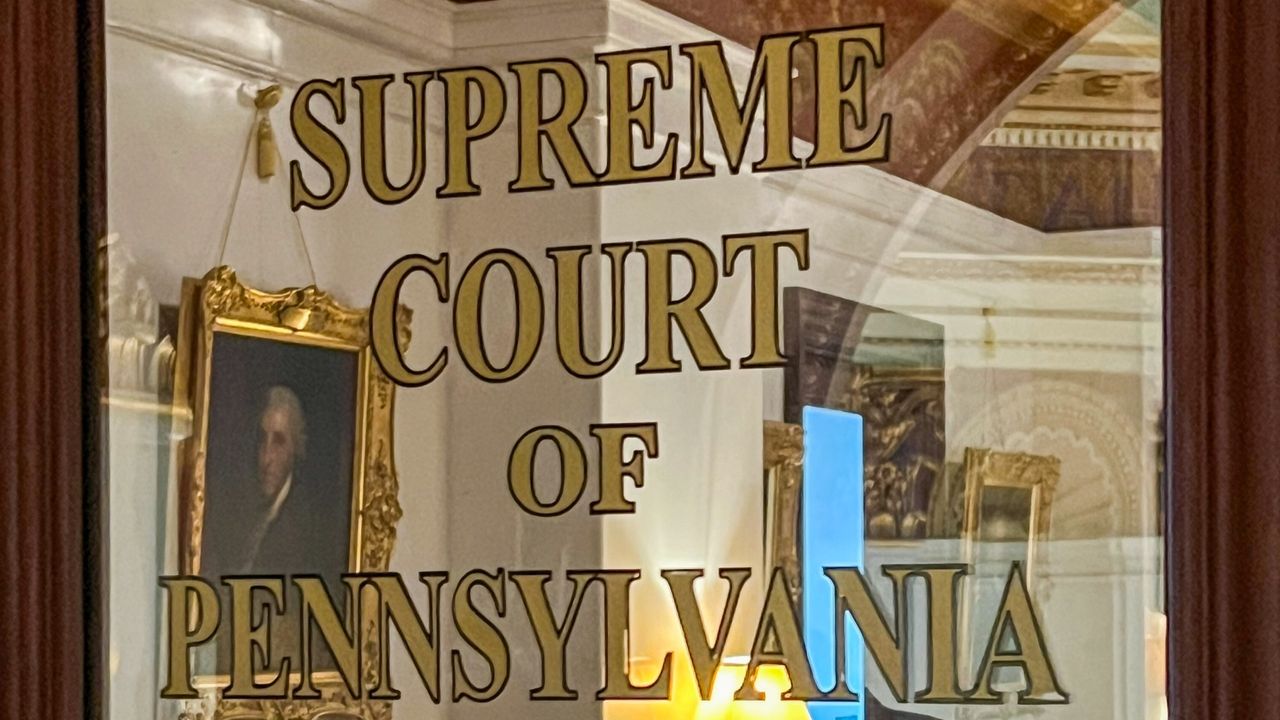
As a researcher following legal developments, I was really struck by the recent Pennsylvania Supreme Court decision in *Commonwealth v. Kurtz*. It feels like a game-changer in how we think about online privacy and what protections people have when using web browsers. The ruling fundamentally shifts our understanding of those rights.
Police are investigating a sexual assault involving someone identified as “K.M.” Investigators believe the perpetrator may have used Google to search for K.M.’s name or address before the assault (according to Forbes).
Therefore, the court decided that authorities were justified in looking at a suspect’s search history even without a warrant. The court reasoned that users of these services should reasonably expect to be monitored.
The court acknowledged that it’s widely known websites, apps, and internet providers routinely gather and sell user data.
As an analyst, I understand that investigators secured a unique warrant – essentially a reverse keyword search. This allowed them to request Google provide the IP addresses of anyone who had searched for the victim’s name or address around the time of the crime. Google complied with the request, and the data revealed the specific IP address used to look up the victim’s address just hours before the attack.

The IP address used in the crime led investigators to the defendant’s home. Although they didn’t initially suspect Kurtz, authorities began monitoring him and collected a DNA sample that matched evidence found at the crime scene.
Although a technicality in the legal details helped convict the criminal and close the case, it still brings up important questions about privacy. The judges reasoned that Google’s privacy policy acts somewhat like an agreement users give to allow their data to be used.
In this situation, Google didn’t just hint at a lack of privacy – it directly told users they shouldn’t expect any when using its services.
Honestly, as a follower of this case, it basically boiled down to the court saying that by agreeing to Google’s privacy rules, users had already given up their Fourth Amendment rights. That was the core of their reasoning – the privacy policy was seen as a kind of agreement that changed things.
Honestly, I thought it was a bit of a stretch when the court said you could just…stop using the internet if you didn’t want to leave a data trail! They basically argued that unlike your phone – which you kind of *have* to carry around these days – going online is a choice. That’s how they justified saying the data created by internet use isn’t the same as the data your phone automatically gives off. They really seemed to think if you’re worried about being tracked, just disconnect!

Do you agree with the court’s decision that using Google means giving up some of your privacy rights and protections under the Fourth Amendment? Share your thoughts in the comments and vote in the poll!
Read More
- What Song Is In The New Supergirl Trailer (& What It Means For The DC Movie)
- Highly Anticipated Strategy RPG Finally Sets Release Date (And It’s Soon)
- TV legend Carol Kirkwood reveals the reasons why she decided to retire after 28 years with BBC
- Dune 3 Gets the Huge Update Fans Have Been Waiting For
- Why is Tech Jacket gender-swapped in Invincible season 4 and who voices her?
- Palworld! More Than Just Pals ‘Special Video’, characters detailed
- How Blake Lively & Ryan Reynolds’ Kids Pranked Her on April Fool’s Day
- The OG Resident Evil 1, 2 and 3 Are Now Available on Steam With a Heavy Discount (and DRM)
- The Monsterverse’s Shocking New Time Travel Story – Monarch: Legacy Of Monsters Season 2, Episode 6 Explained
- Tainted Grail: The Fall of Avalon – Merlin’s Tomb DLC Adds a New End-Game Dungeon for Free
2025-12-24 14:09