
Marathon didn’t exactly make a splash when it first came out, even for Bungie. However, it’s managed to stay popular, likely thanks to the dedication of both its developers and a committed fanbase. And that’s good, because Bungie has consistently worked to improve the game and help it reach its full potential. They’ve made some smart choices since launch, including more reasonable ways to spend money and adding the new maps players were asking for.
It seems Marathon is currently falling short of expectations, and Bungie’s future plans will likely confirm this. The developer is about to take a big gamble with the game that, in my view, risks pushing away the players it needs to succeed financially and recover its substantial investment. This gamble centers around the game’s story, which is already a point of contention among fans, especially considering Bungie’s past work, what players expect from this type of game, and the issues with Destiny.
Marathon’s Story Could Become Player-Led, And That’s A Problem
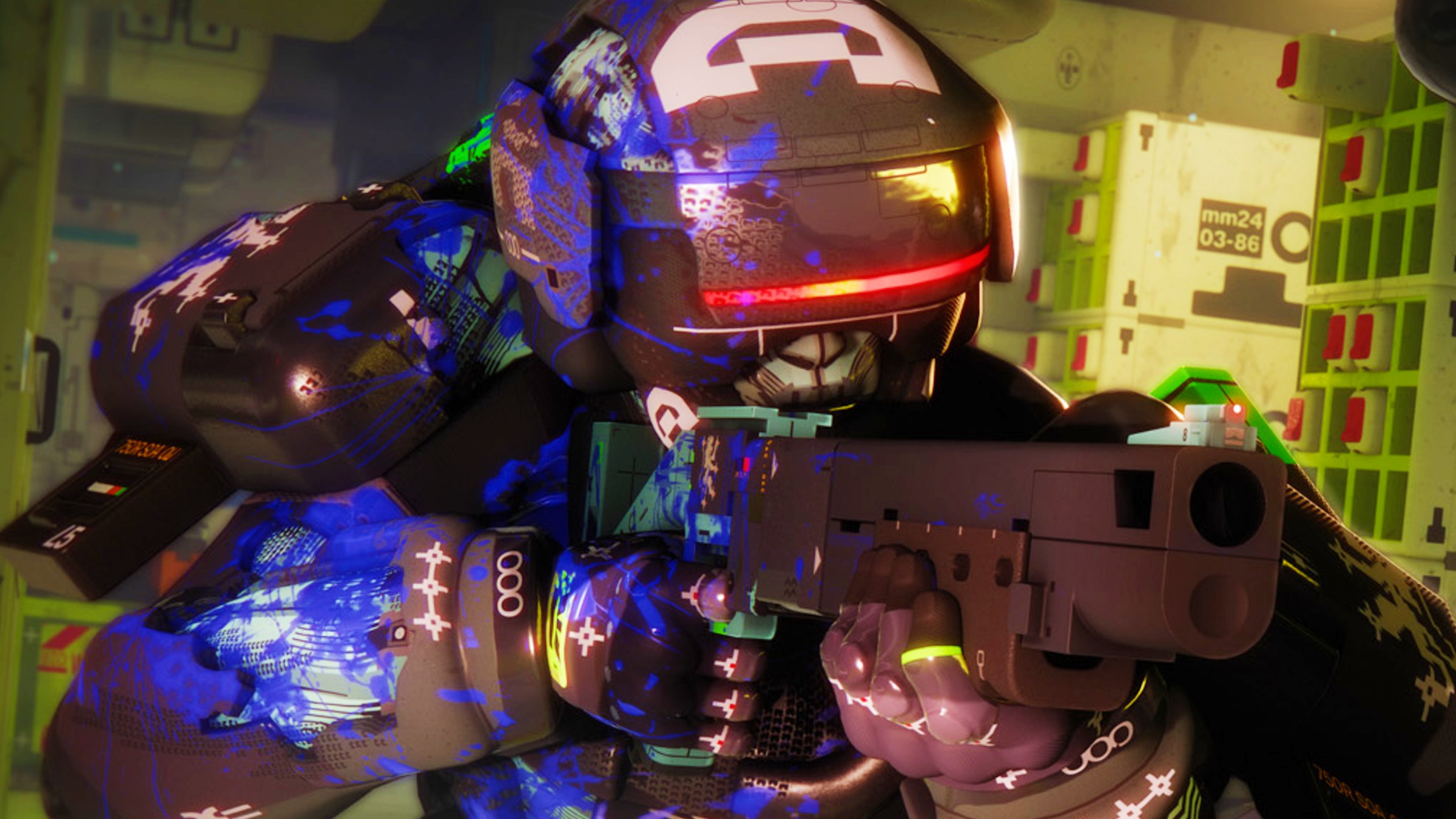
Ever since its announcement, the way Marathon tells its story has been a source of debate. The choice to deliver the story bit by bit through text logs and in-game computers feels strange, particularly because Marathon is made by the studio famous for Halo – a game that greatly influenced first-person shooters by prioritizing storytelling. I was hoping the game would include a proper story mode to help players connect with its world, characters, and lore, but that never happened, and it doesn’t look like it ever will.
Even though the game is constantly updated, Bungie doesn’t seem to prioritize the story, but it still motivates players to come back and justify the game’s high cost. While the game, Marathon, continues to get new features and updates, including narrative elements, Bungie has stated that the story’s progression will be driven by player choices. I previously worried the story would be limited to just a few text updates, which I considered a major flaw. However, the idea that players will have significant control over how the story unfolds – and potentially even its ending, which seems to be coming soon – is actually more concerning.
Julia Nardin, creative director for Marathon, recently shared with GamesRadar that they have a general idea of where the story is headed over the next few years. However, they’re keeping things flexible, wanting player feedback to influence the direction. While many live service games struggle to create truly captivating narratives (and often fall short of traditional single-player stories), it’s worth noting that other extraction shooters do have dedicated storylines, and Bungie has proven capable of crafting excellent sci-fi narratives in the past.
I’m concerned that relying on players to drive the story forward doesn’t work well if they can’t really engage with it in a meaningful way. This is especially true considering the initially low and still relatively small player base of Marathon. While there are enough players to theoretically influence the story, most of them are dedicated fans with specific opinions, and don’t represent a broader audience. Giving story control to a small group of loyal fans risks creating a narrative that appeals only to them, potentially alienating new players.
Player-Shaped Narratives Can Work In Live Service Games, But Not Marathon
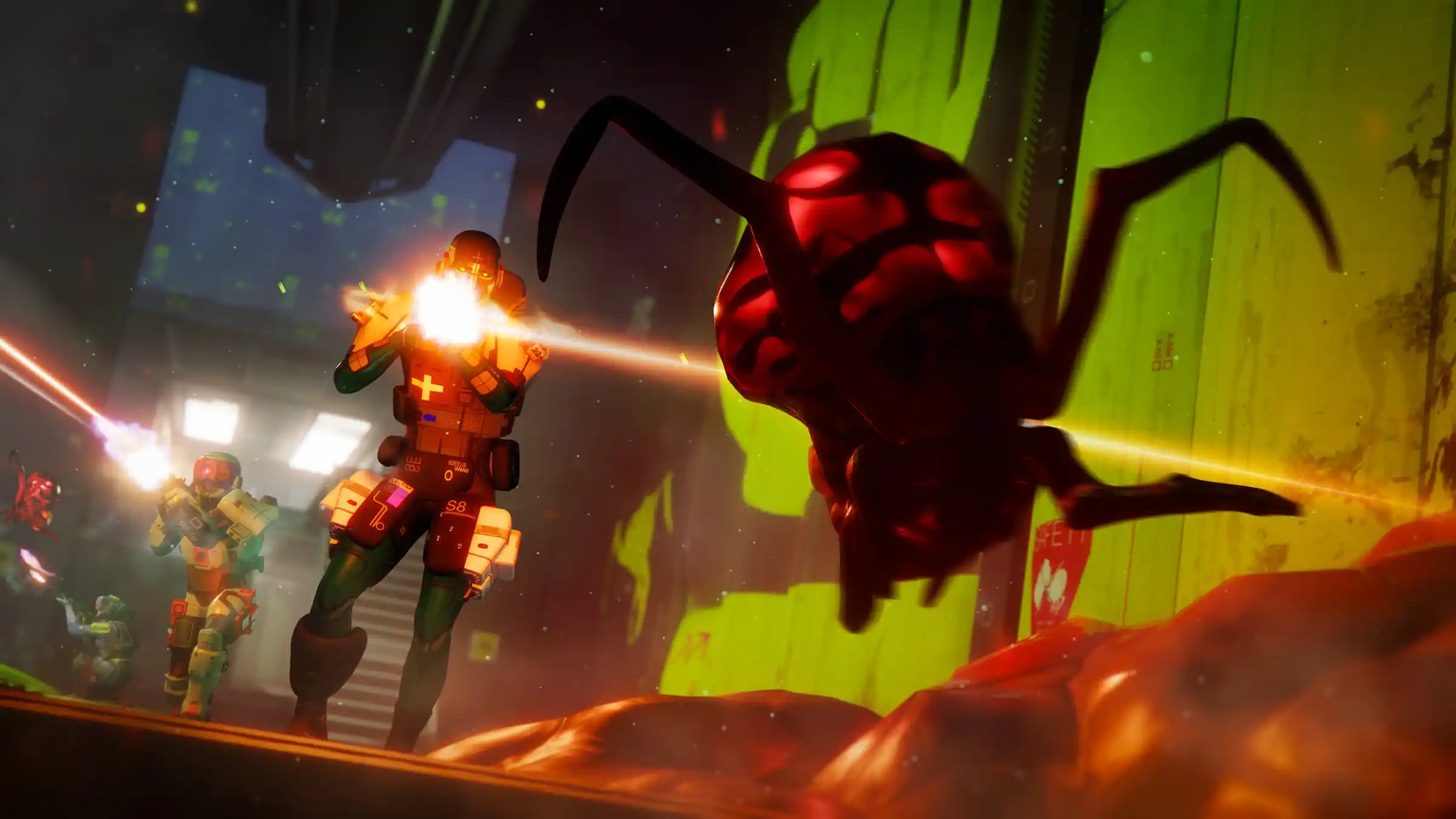
Player-driven stories can be incredibly successful in games that are constantly updated, and Helldivers 2 is a prime example. The game’s thriving community is central to its success, and it’s also welcoming to new players. Every player’s actions, even in small groups, feel meaningful because they directly impact the game’s overall war and evolving story. Whether players succeed or fail in battles shapes the game’s lore and has already created some of its most memorable moments.
Unlike games with carefully crafted stories and memorable characters, like Bungie’s Destiny, Helldivers 2 creates its narrative through the collective actions of players. What happens in the game doesn’t have lasting consequences; the war will always continue. Losing or winning feels significant because the community and developers choose to make it so, but ultimately, it’s just a fun addition to an ongoing experience that won’t truly end as long as the game servers are running.
Given that Marathon, as we’ve discussed, doesn’t prioritize storytelling, it’s likely to approach narrative in a similar way. However, that would be a mistake, because Marathon is fundamentally different from Helldivers 2. Helldivers 2 works because it doesn’t take itself seriously – its lighthearted approach is key to its appeal. Marathon, on the other hand, feels purposeful in its design. Its rich backstory relies on players being engaged and invested. Every detail is carefully crafted, not just to create a unique visual style, but to draw players deeper into the world Bungie wants them to care about. Importantly, Marathon is a reboot of a single-player, story-focused shooter – a very different structure from Helldivers 2, and that’s intentional.
Marathon Should Put A Greater Emphasis On Its Narrative

As a longtime Bungie player, my perspective is definitely biased. While I appreciate the game’s intense, hardcore first-person shooter gameplay, it can be incredibly challenging. You really need to invest a lot of time learning the maps, how everything works, and how to build a good team. It’s also a difficult setting for a strong story, as any potentially immersive moment is often interrupted by another player attacking you.
It’s possible that dedicated players aren’t as interested in the game’s story, despite Bungie’s emphasis on it in their marketing. I might be the only one who thinks the rich world, unique visuals, and Bungie’s history of creating large-scale stories could have resulted in a truly groundbreaking narrative. I could also be mistaken in believing Bungie could have brought a fresh approach to the extraction shooter genre with their storytelling expertise – particularly in a game that’s constantly updated – instead of just another game that looks and feels like everything else, even with its stylish sci-fi aesthetic.
I suspect many others also want to see Marathon fully realize its storytelling possibilities. A stronger narrative focus could have been the key to Bungie’s latest game becoming the long-term, ongoing service PlayStation has been looking for. Even Fortnite understood that players need a compelling story with meaningful characters and exciting events to keep them engaged season after season. That game had to change because, like Marathon but unlike Helldivers 2, it couldn’t rely on players creating their own stories – it needed a strong narrative that could be built upon and teased over time.
I’m not demanding that Marathon follow my specific story ideas to succeed. However, it doesn’t make sense to depend on a shrinking group of players to create a narrative, especially when the studio is known for storytelling in first-person shooters. Live service games need active player involvement, and I get that the studio wants the community invested. But I believe a better approach would be to deliver a story that genuinely interests players, rather than one where only a few feel like they have a say.
Should the story of Marathon be driven by player choices? Share your thoughts in the comments and join the discussion on the ComicBook Forum!
https://comicbook.com/gaming/list/3-video-game-studios-that-have-one-more-shot-at-redemption/embed/#
Read More
- Gold Rate Forecast
- 10 Most Powerful Versions of Superman, Ranked
- 10 Best Free Games on Steam in 2026, Ranked
- Forza Horizon 6 Car List So Far: Confirmed Highlights, Cover Cars, DLC, and Rewards
- GBP CNY PREDICTION
- 007 First Light: Release Date, Story, Gameplay, Cast, Editions, and Platforms
- 10 Greatest Manga Endings of All Time
- Black State Trailer Showcases Ray-Traced Reflections and DLSS 4 Performance
- Forza Horizon 6 PC Issues: Fix Crashes, Stuttering, Steam Errors, and Game Pass Problems
- DOGE PREDICTION. DOGE cryptocurrency
2026-05-08 19:11