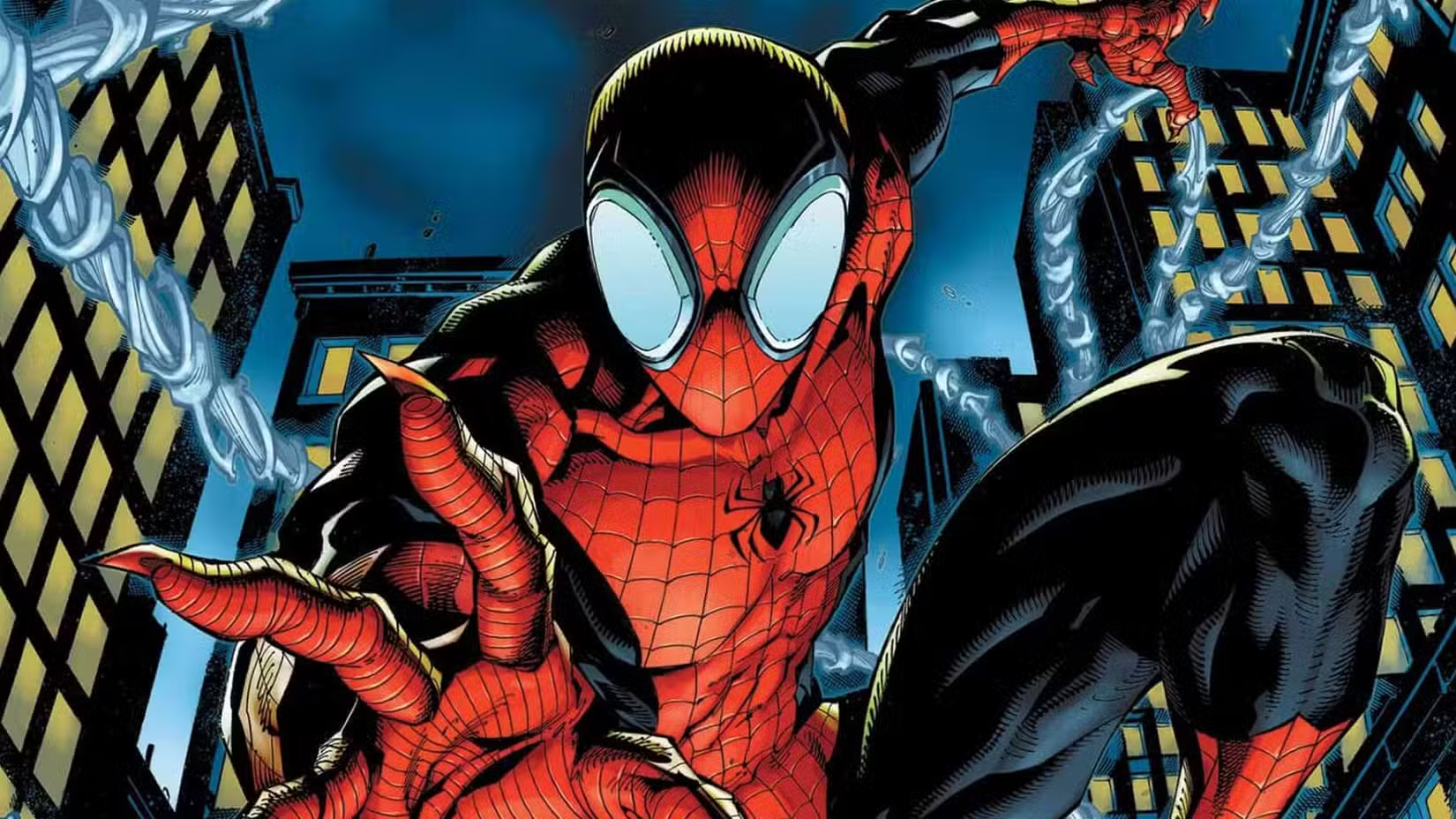
Marvel often considers itself the leader in comics, but over the past ten years, DC Comics has actually been more successful, especially with the launch of the Absolute Universe line. Recently, a highly-regarded Marvel writer revealed a well-known problem within the company. Despite attempts to downplay it, this suggests difficult times are coming for Marvel’s main comic book universe (known as 616).
Growing up, Marvel was the comic book company – they totally took over in the 60s and really cemented that lead when DC had its problems in the 70s. For like, fifty years, they were just the biggest, even if the sales numbers didn’t always show it. But recently, DC actually took the top spot, and then seeing what’s happening with Spider-Man… it’s a clear sign Marvel’s hitting some rough patches. They seriously need to look at what went wrong over the last few years and figure out how to get things back on track.
Dan Slott Accidentally Made Marvel’s Biggest Problem Official
Over the past decade, DC Comics has occasionally outsold Marvel, especially with successful launches like New 52 and Rebirth. Marvel, however, has generally viewed these moments as short-lived boosts from marketing tricks. This has led to a reluctance to examine its own weaknesses and make necessary changes, allowing problems to persist. Recently, in March 2026, a prominent creator urged comic book stores and fans to continue purchasing issues beyond the first one of his new Spider-Man title, a move that sparked disagreement among fans.
Dan Slott didn’t simply ask for support for his comic series; he revealed a concern many fans had about Marvel’s approach. He explained that if initial sales were low, both his series and others might be limited to just five issues. For years, fans have noticed a trend of comics being cut short or turned into miniseries, and it’s clear that Marvel heavily relies on strong sales for the first issue to justify continuing a series.
Marvel, more so than DC Comics, has become focused on quick wins. They heavily promote the beginnings of new comic series without clearly outlining long-term plans. Considering Marvel’s history of creating comics that lasted for hundreds of issues, it’s concerning that titles like Captain Marvel and Fantastic Four are constantly being relaunched. Instead of supporting creative teams and planning for multi-year stories, the company seems to prioritize maximizing initial sales. This is clear in their frequent use of variant covers, special incentives, and hints about character debuts – all designed to boost numbers. Sometimes, it even appears they’re creating unnecessary drama to generate buzz around these new releases.
For more than eighty years, comic book fans have reliably received new stories about their favorite superheroes every month. However, this tradition is becoming less common, as many characters now only get limited series or runs capped at twelve issues. As a result, new readers may increasingly turn to DC’s ‘Compact’ line as their primary entry point into DC comics, separate from the main Marvel universe (‘616’).
DC Comics Has Outclassed Marvel For a Decade
DC Comics experienced a lot of highs and lows during the 2010s, with some initiatives succeeding while others didn’t. They’ve learned some important lessons, including avoiding drastic changes to popular characters simply to appeal to a ‘modern audience,’ clearly distinguishing between their main stories and alternate universes, and making classic stories more affordable through collections like their Compact trade paperbacks. A key strength for DC has been their commitment to creators, offering them long-term projects and consistent work.
For years, DC Comics has generally led the way in the comic book industry, with Marvel often following suit. While Marvel sometimes responded to DC’s strategies with abrupt changes like killing off characters or ending storylines quickly, DC has recently regained its momentum. Initiatives like Absolute Universe and strong creative teams have proven incredibly successful, even surpassing the impact of the earlier Rebirth era. A major factor in this turnaround has been consistency and a commitment to longer, more predictable story arcs. Fans appreciate being able to follow their favorite writers and artists for more than just a single storyline, and the quality of creative talent working on DC books is at its highest in years.
DC has been actively recruiting top creators, successfully bringing back familiar names like Mark Waid and attracting talent from competitors, such as Chip Zdarsky from Marvel’s Daredevil. They understand what fans want and effectively announce these additions. Importantly, these announcements often include assurances about how long the creators will be working on the titles. While some readers disliked Tom King’s run on Batman, his guaranteed hundred-issue contract now seems like a positive example when a creative team is a good match for the book.
As a long-time comic reader, I’ve seen things change a lot. Remember when one writer could stay on a title for years, like Claremont with the X-Men? Now, it feels like creators barely get five issues before someone else takes over. Honestly, it feels like Marvel is way too focused on quick profits. It’s weird, because fans seem more willing than ever to stick with a series if they like it. What really bugs me is these huge events that feel pointless and just push us to buy books we wouldn’t normally read. I wish Marvel would just let a good story and creative team develop naturally. It would show us they’re invested in the characters, not just trying to see what sticks.
Marvel Needs to Learn From DC Comics’ Success
Marvel, likely due to being part of a large media company or simply the franchise’s widespread success, seems to be losing its leading position. Weaknesses in how they sell collected editions, ineffective marketing, and a reluctance to commit to popular writers all point to a troubling trend. This decline has been happening since the mid-2010s, but has become more noticeable since the COVID-19 pandemic began.
Recent comments from Marvel executives like Tom Brevoort revealing a willingness to provoke fans highlight deeper problems within the company. While some creators resist the idea, offering fans what they want can significantly boost struggling titles and attract readers. Dan Slott’s urging of fans to purchase beyond the first issue demonstrates Marvel’s need to regain its position as the top comic publisher. Looking back at successful runs like The Incredible Hulk shows that giving writers job security can lead to truly exceptional series.
Marvel has a wealth of popular heroes – like Wolverine, Daredevil, Ghost Rider, The Punisher, and Captain America – who would likely be very successful as merchandise. Even though the Marvel Cinematic Universe is hugely profitable, Marvel seems hesitant to fully capitalize on that success, which is a missed opportunity. They don’t need to alter their characters or storylines, but announcing major new products around the time of a movie release would be a smart move.
Marvel has recently made some odd choices, particularly with its most popular heroes. Instead of building on established characters, they’ve frequently replaced them with new ones – like when Doctor Strange seemingly died around the time of the movie, or the changes to the Guardians of the Galaxy team. Many of these issues could have been avoided if Marvel had hired creators who truly understood these characters and allowed them to work on the titles for a longer, more consistent period.
Dan Slott Has Seemed To Speak For Many Creators
Look, Dan Slott’s comments to fans aren’t just one-off thing – it really shows what’s been going on at Marvel for a while now. Honestly, they should have shaken things up after losing the sales crown to DC. Whether that meant new leadership or bringing in more amazing talent, something needed to change. Think about creators like Garth Ennis, Daniel Warren Johnson, and Jimmy Palmiotti – they gave Marvel some of its best stuff lately, and yet the company keeps letting those top-tier creators walk away. It’s frustrating as a fan to see that happen.
Comics fans expect stories to have lasting impact, but recent comments from Marvel writer Dan Slott suggest the company is falling behind DC. With DC’s successful ‘Absolute Universe’ line, Slott’s statements serve as a clear sign that Marvel is struggling to compete.
Found an error? Send it so it can be corrected.
Read More
- Surprise Isekai Anime Confirms Season 2 With New Crunchyroll Streaming Release
- The Super Mario Galaxy Movie: 50 Easter Eggs, References & Major Cameos Explained
- Starfield (PS5) Review – A Successful Cross-Console Voyage
- HBO Max Just Added the Final Episodes of a Modern Adult Swim Classic
- 10 Best Free Games on Steam in 2026, Ranked
- Sydney Sweeney’s The Housemaid 2 Sets Streaming Release Date
- Preview: Sword Art Online Returns to PS5 as a Darker Open World Action RPG This Summer
- ‘Project Hail Mary’: The Biggest Differences From the Book, Explained
- All 7 New Supes In The Boys Season 5 & Their Powers Explained
- Frieren: Beyond Journey’s End Gets a New Release After Season 2 Finale
2026-03-24 00:13