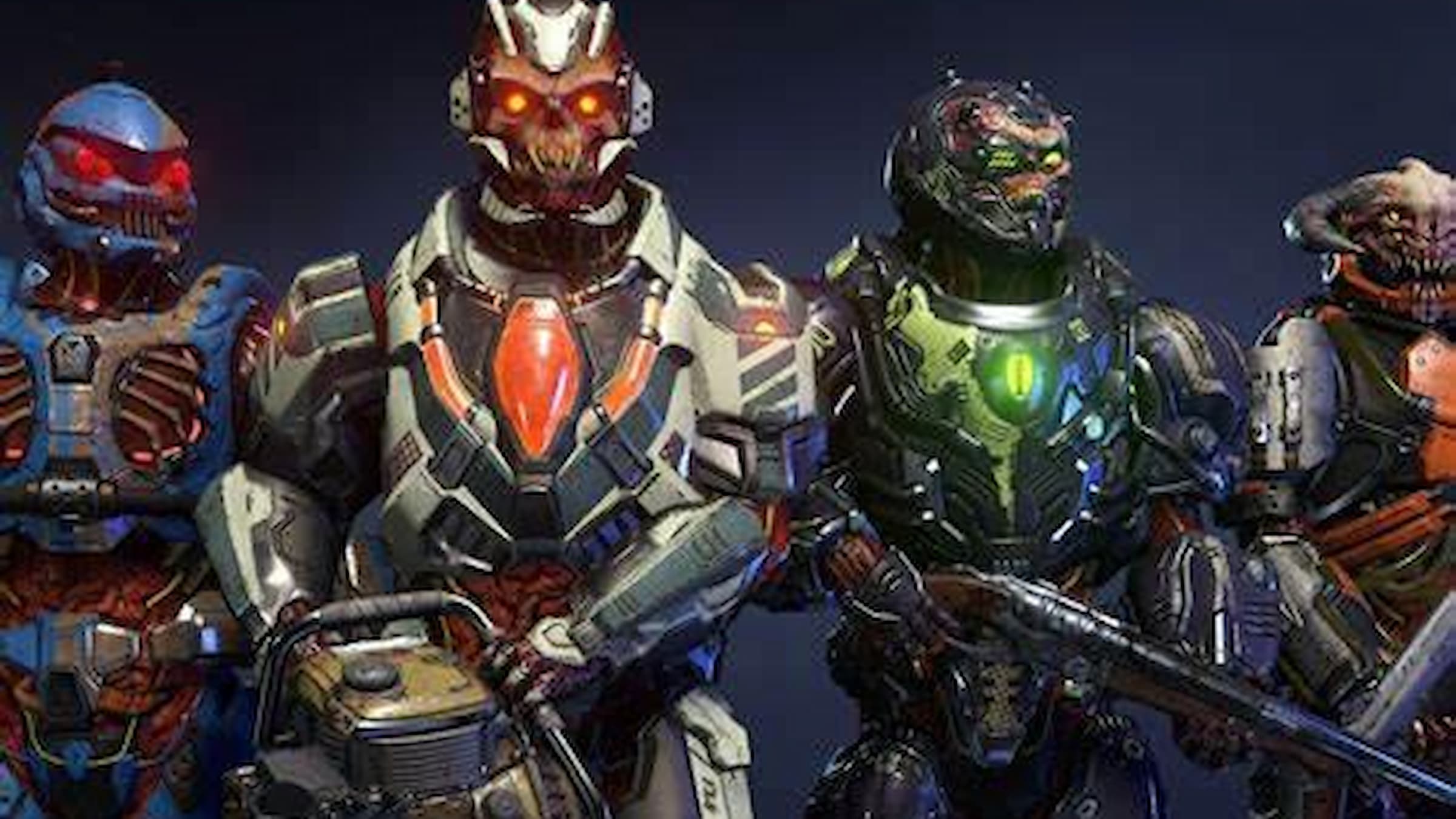
The world of video games is constantly changing, and first-person shooters are a perfect example. Starting as quick, action-packed games on computers, they grew into a massive part of the industry, impacting everything from competitive esports to how stories are told. However, by the mid-2010s, many shooters became more focused on elaborate scenes and guided gameplay, losing some of the fast-paced, direct action of their earlier days. But a landmark game soon arrived, reminding everyone of the genre’s exciting origins and proving how important those roots still were.
In 2016, ID Software, Panic Button, and Bethesda successfully revived the classic first-person shooter, Doom. This reboot not only refreshed the series but also had a significant impact on the FPS genre, an influence still seen today in its sequels, Doom Eternal and Doom: The Dark Ages. Just as the original Doom did in 1993, the 2016 version redefined what shooters could be, delivering faster-paced and more intense action.
Doom 2016 Brought the Franchise Back From the Dead
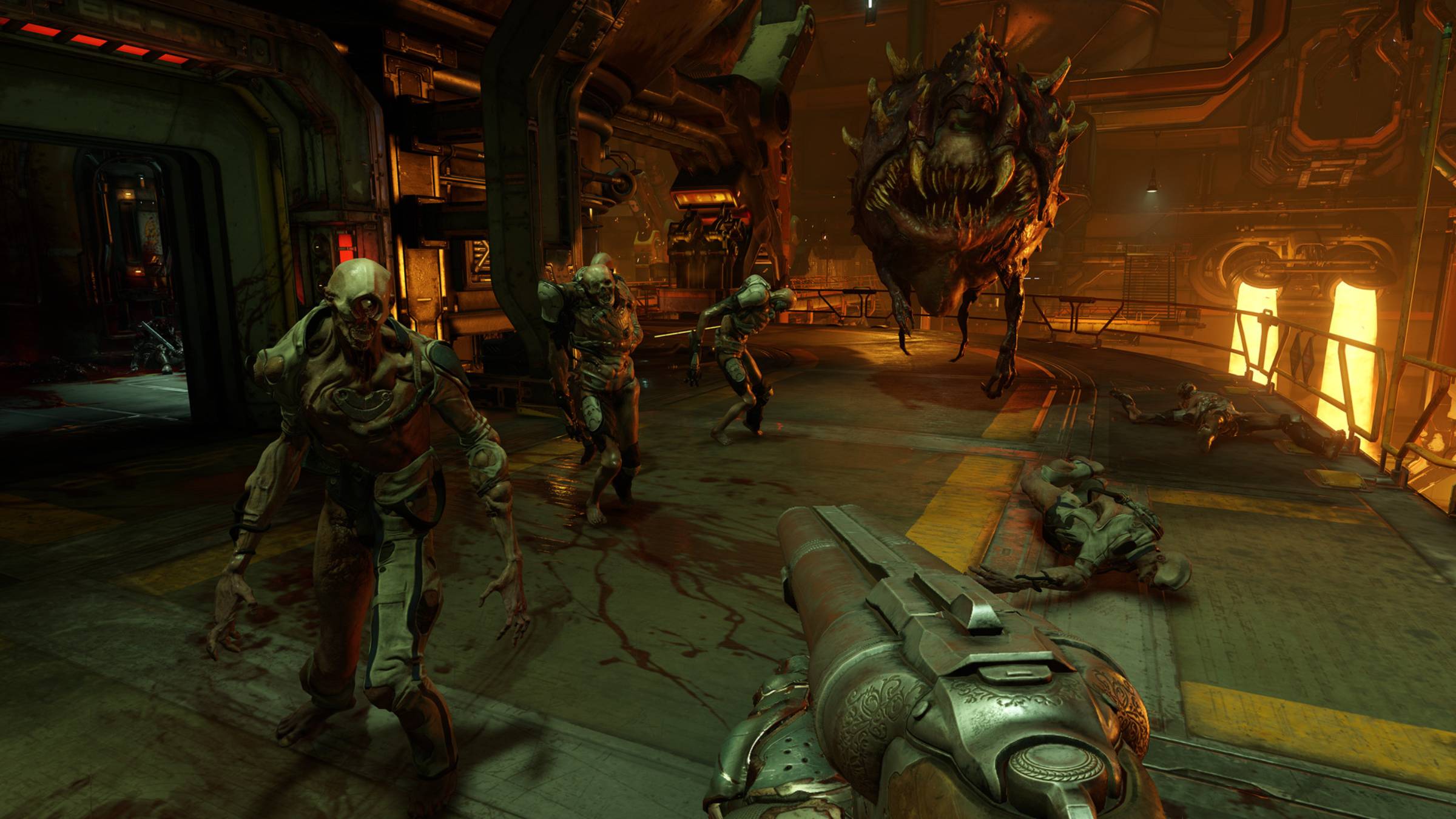
Before its 2016 revival, the future of the Doom series was uncertain. Doom 3, released in 2004, shifted the focus to slower-paced horror, which proved divisive among fans. For years afterward, the franchise mostly faded into the background, with only ports and re-releases appearing. When id Software unveiled the new Doom in 2015, initial reactions were mixed. Early previews emphasized multiplayer and cinematic features similar to other popular shooters, leading some to worry the series would lose what made it special. However, demonstrations of the single-player campaign quickly changed opinions. Its fast-paced action, violent finishing moves, constant combat, and relentless enemies immediately grabbed players’ attention.
When the game was released in 2016, it received fantastic reviews and enthusiastic support from players. People especially loved how quickly the game moved, its music, the weapons, and the fact that it didn’t interrupt the action. Instead of hiding and shooting from cover, the game rewarded players for being aggressive and constantly moving forward. Getting health and ammo meant pushing into the fight, not taking cover. This unique approach helped Doom really stand out among other shooting games.
The 2016 Doom reboot was a huge hit. Bethesda reported strong initial sales, and the game continued to thrive thanks to streaming, speedrunning, and ongoing online discussion. Even ten years later, many gamers still rank its campaign among the best in first-person shooter history, and it’s been released on almost every gaming system. Some fans even enjoy the reboot more than the subsequent sequels, playing it repeatedly. This reboot revitalized the series, preventing it from becoming a relic limited to older ports and re-releases.
The Reboot Changed Modern Shooter Design
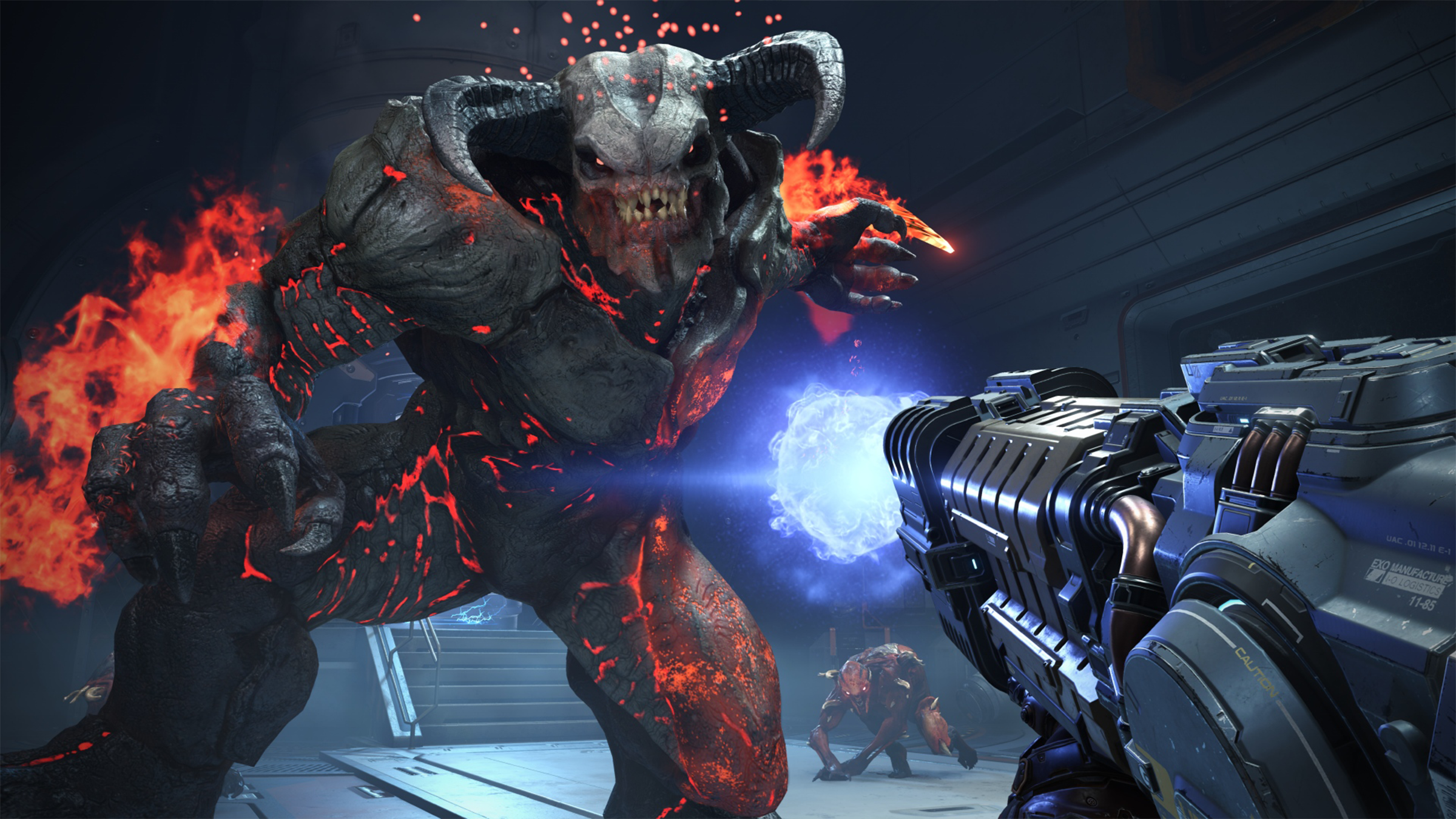
The first Doom game revolutionized gaming in the 1990s, essentially creating the first-person shooter as we know it. The 2016 version had a different kind of influence, but its mark is still visible in many action games today. A key change Doom made was in how players moved. Around the early 2010s, most shooters were becoming slower, more realistic, and relied heavily on pre-planned events. Doom went in the opposite direction. Players were encouraged to move fast, jump around, and constantly change position during combat. The game emphasized speed and quick thinking over careful planning and patience.
The 2016 Doom reboot revolutionized combat design with its “push forward” approach. Instead of hiding, players were rewarded for actively engaging enemies – performing Glory Kills restored health, and using the chainsaw provided ammo. Staying aggressive and constantly moving became key to surviving. Players had to quickly assess and prioritize targets while managing their health, ammunition, and location. The game’s intense soundtrack, composed of heavy industrial metal by Mick Gordon, also had a significant impact, changing how music was used to enhance the feeling of combat in shooter games.
Many shooting and action games owe a lot to Doom. Games like Ultrakill and Shadow Warrior 3, and the recent wave of ‘boomer shooters’, all took inspiration from its fast pace and exciting combat. We’re seeing a big comeback of old-school FPS games, and that’s still going strong. Even newer titles, like Returnal and its upcoming sequel Saros, wouldn’t exist in the same way without Doom‘s successful reboot, proving its impact extends beyond small indie studios to major companies like Sony.
Doom Eternal and Doom: The Dark Ages Show the Reboot’s Lasting Success
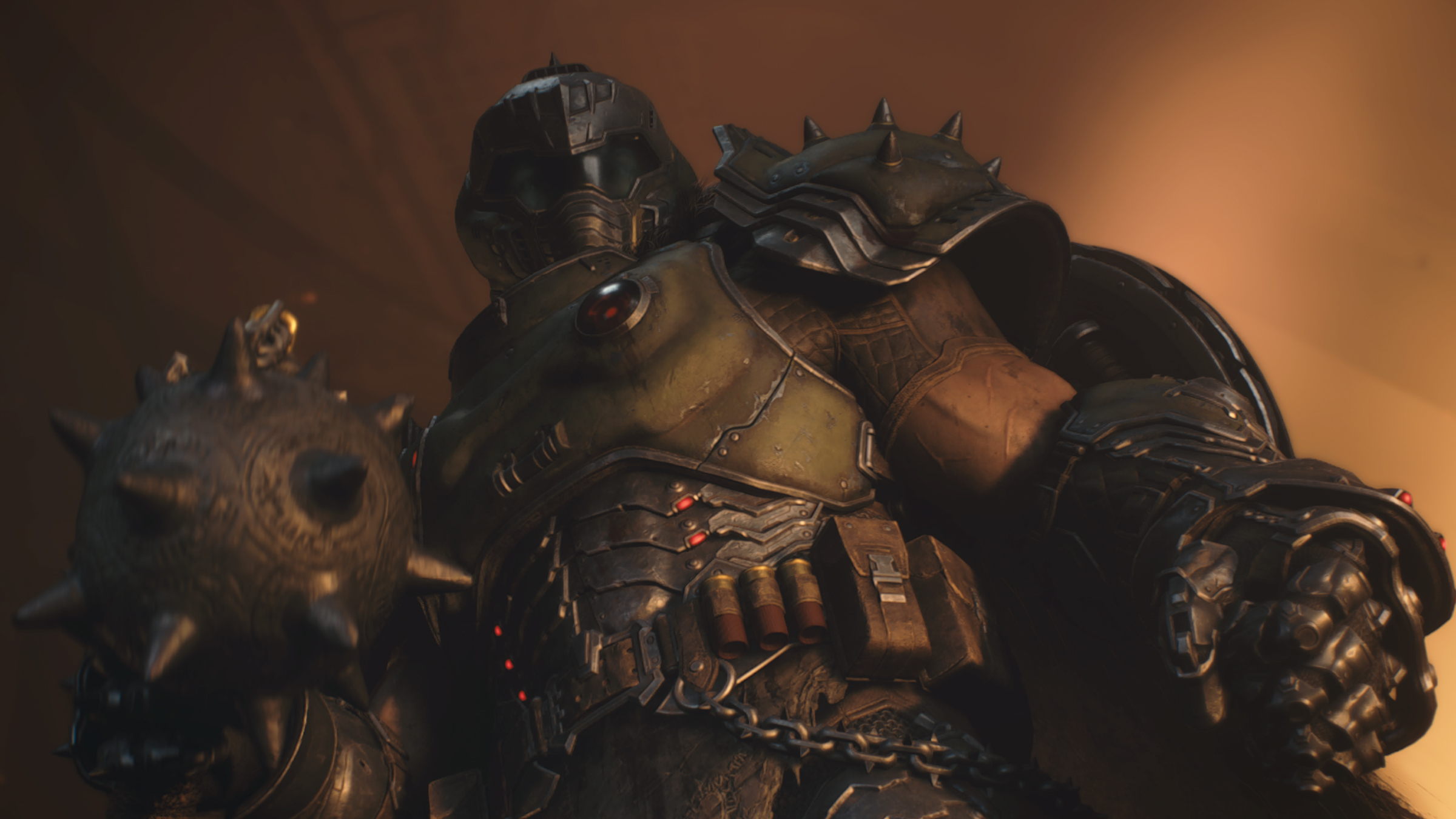
The biggest proof that the recent Doom games are a hit is how popular the series has become since 2016. Instead of being a one-time success, Doom has become a key franchise for Bethesda. The 2020 release, Doom Eternal, took the gameplay even further, making combat faster, more challenging, and more complex. Players had to quickly swap weapons, find enemy weak points, and carefully manage their resources.
The Doom franchise is still thriving, as evidenced by the recent release of Doom: The Dark Ages. This demonstrates continued strong interest in the modern Doom games, even with significant changes to the story and how the game is played. The fact that id Software keeps creating new games within this reimagined universe highlights just how successful the reboot has been. What’s particularly remarkable is that the reboot attracted both dedicated, longtime fans and a new generation of players. Veteran fans enjoyed the return to the fast-paced, classic shooter style, while newer players discovered it for the first time.
The 2016 reboot of Doom, released ten years later, is now considered one of the most successful revivals in gaming. It honored what fans loved about the original while still feeling fresh and new. Crucially, it proved that solid gameplay is still king. With its quick movement, powerful weapons, well-designed levels, and non-stop action, Doom thrived at a time when many other shooters were focusing on realistic graphics and storytelling. Like the original game years before, this Doom once again influenced how developers create first-person shooter games.
Read More
- FRONT MISSION 3: Remake coming to PS5, Xbox Series, PS4, Xbox One, and PC on January 30, 2026
- The Boys Season 5, Episode 5 Ending Explained: Why Homelander Does THAT
- Taylor Sheridan’s Gritty 5-Part Crime Show Reveals New Final Season Villain
- Mark Zuckerberg & Wife Priscilla Chan Make Surprise Debut at Met Gala
- ‘The Bride!’ Review: Jessie Buckley Breathes Life into a Monstrous Mess
- From season 4 release schedule: When is episode 2 out on MGM+?
- Welcome to Demon School! Iruma-kun season 4 release schedule: When are new episodes on Crunchyroll?
- Why There’s No Ghosts Tonight (Nov 27) & When Season 5, Episode 7 Releases
- Anna Wintour Reacts to Rumors She Approves All Met Gala Looks
- How to Build Water Elevators and Fountains in Enshrouded
2026-05-13 16:11