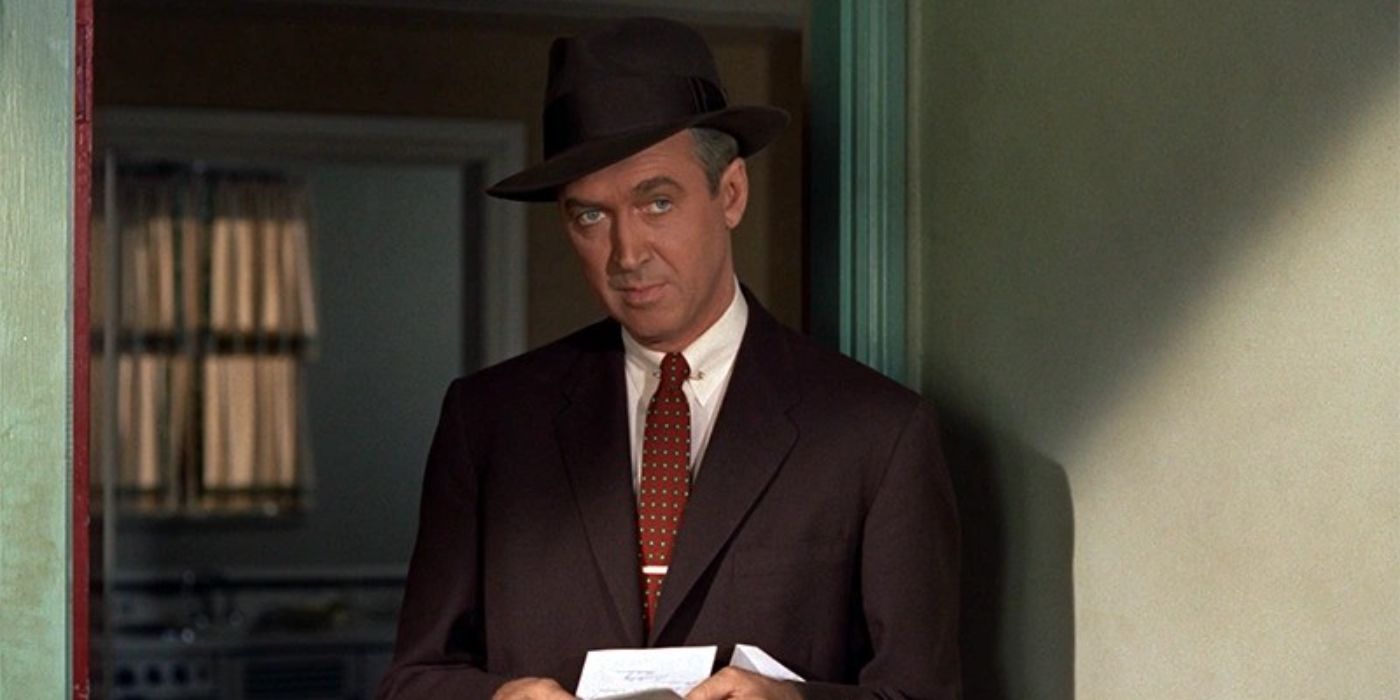
After first seeing Psycho, Alfred Hitchcock became one of my favorite classic film directors, and I also greatly admire modern filmmaker Quentin Tarantino. Tarantino is known for being very open about his opinions on movies and directors, both positive and negative. I was particularly struck by some thoughtful and positive criticism he offered about the director of Rope, and I found myself agreeing with his perspective.
The early days of filmmaking boasted many talented individuals who went on to become famous actors and directors, including John Wayne, Cary Grant, and John Ford. But Alfred Hitchcock stands out even among these giants, remaining remarkably relevant and influential. He directed iconic thrillers like Rear Window, Vertigo, North by Northwest, and the unforgettable Psycho, effectively defining the suspense genre. His films were both impactful and high-quality, regardless of whether they were dramatic stories or horror. While I greatly admire Hitchcock’s talent and mastery of suspense, I actually agree with a critique offered by Quentin Tarantino regarding his work.
How Alfred Hitchcock Defined Cinema
I think a lot of people think of Hitchcock’s films from the ’50s and later as his best, but honestly, he was already a huge success by the 1930s! He made some amazing thrillers back then, like Sabotage, The Man Who Knew Too Much, and The Lady Vanishes – people couldn’t get enough! Then, in the ’40s, he really hit his stride with films like Rebecca, Rope, and Shadow of a Doubt. What I love about those movies is how twisty they are, and how they make you think. Plus, the characters aren’t always clearly good or bad, which is so interesting. They really helped shape the thriller genre and paved the way for the classic film noir style we all know and love.
Alfred Hitchcock was at the height of his career in the 1950s, creating some of the decade’s most memorable films, including Dial M for Murder, Rear Window, and Strangers on a Train. He reached a peak with the 1959 release of North by Northwest, a groundbreaking spy film often considered one of the greatest of all time. It’s clear that Cary Grant’s performance as Roger Thornhill heavily influenced future spy characters, and it paved the way for the James Bond series, which began just three years later. For decades after, countless spy thrillers attempted to copy the style and impact of Hitchcock’s masterpiece.
Alfred Hitchcock’s movies consistently focused on either unraveling a mystery or deeply examining a character. He often explored themes of moral failings, leaving viewers wondering if the main character would make the right choices. If they didn’t, the suspense shifted to whether they would be discovered and how. Because of the strict censorship rules of the time—especially the Hays Code—Hitchcock faced limitations on what he could show. He was cautioned against portraying criminals as heroes, depicting murder explicitly, or criticizing law enforcement. Though considered a somewhat controversial director, Hitchcock skillfully navigated these restrictions, finding inventive ways to push the boundaries of what was allowed.
Quentin Tarantino’s Criticism Of Hitchcock, Explained
Quentin Tarantino, despite calling Alfred Hitchcock “one of the greatest directors who ever lived,” admitted he doesn’t actually love Hitchcock’s films. He explained on the Two Bears One Cave podcast that his issue isn’t with Hitchcock’s stories or most of his filmmaking, but specifically with how many of his movies conclude. Tarantino feels the third act often loses momentum and doesn’t quite deliver on the promise of the earlier parts. He believes if Hitchcock had worked in a different era, like the 1970s instead of the 1950s, Tarantino would likely enjoy his films much more.
Many great thrillers build to a dramatic climax, with heroes and villains finally facing off. However, Alfred Hitchcock’s endings often feel disappointing compared to the intense suspense he creates. Take North by Northwest, for example: we spend two hours watching the protagonist, Roger Thornhill, desperately evade an international spy ring. But when he finally confronts those responsible, they turn out to be surprisingly underdeveloped and are quickly defeated. The resolution feels rushed – in just a minute, the film jumps from a tense standoff on Mount Rushmore to the characters happily reunited. The ending isn’t terrible, but it’s typical of Hitchcock’s films, feeling like a hasty addition to satisfy general audiences.
Although Quentin Tarantino often critiques Alfred Hitchcock, he does admire some of his third acts, specifically praising the one in Strangers on a Train. The film tells the story of a tennis player who encounters a troubled man on a train. This man proposes a disturbing exchange: he’ll murder the athlete’s unfaithful wife if the athlete kills his father. The idea is that by ‘trading murders,’ each would have an alibi and lack a clear motive. When the athlete discovers the man actually committed the murder, he’s shocked and becomes a suspect, unable to prove his innocence while being constantly harassed. Tarantino also highlighted Cary Grant’s performance in Suspicion, suggesting Hitchcock had to avoid a definitive murder ending and instead opted for a suggestive one as a compromise.
Hitchcock’s Endings Are A Question Of Taste
Whether you like how Hitchcock ends his movies is really a matter of personal preference. Some people adore the unexpected conclusion of Vertigo, where the hero, Scottie, becomes overwhelmed by obsession, but others feel the twist doesn’t quite feel earned. When Hitchcock was at his peak, he created stories focused on how characters change. These stories also benefited from a shift in social norms; many of the themes he tackled wouldn’t have been possible when even simple things like on-screen affection were censored.
Films like Psycho, though nearly perfect, prioritize explaining the twist over letting it truly resonate with the audience. The reveal of Mrs. Bates is quickly followed by Norman’s capture and a jump to the next scene, leaving no time for the shock to sink in. As Tarantino pointed out, it feels rushed, as if something was cut to meet the standards of 1960s censorship. While the revelation itself is iconic and groundbreaking, the audience doesn’t have a chance to process what it means before a character, Dr. Richman, explains everything for them.
Hitchcock Led The Way In Ending The Hays Code
Despite the restrictions of the Hays Code, Alfred Hitchcock created some of the most memorable films of his time. He was a true innovator, essentially inventing the psychological thriller and modern horror, and his work heavily influenced the groundbreaking cinema of the 1970s. However, by the time filmmaking became more open and unrestricted, much of his most famous work was already completed, and he only directed a few more films. His signature style began to feel dated compared to the fresh approaches of newer directors like Steven Spielberg, William Friedkin, George Lucas, Martin Scorsese, and John Carpenter.
Alfred Hitchcock is considered one of the most influential filmmakers of all time, and his impact can still be seen in today’s horror and thriller movies. While he’s widely celebrated, his work isn’t without flaws. For example, Quentin Tarantino pointed out that the endings of Hitchcock’s films sometimes didn’t live up to the suspense built earlier, and this is a fair criticism, even though films like Psycho are considered classics.
Read More
- Gold Rate Forecast
- 10 Most Powerful Versions of Superman, Ranked
- GBP CNY PREDICTION
- 10 Best Free Games on Steam in 2026, Ranked
- 007 First Light: Release Date, Story, Gameplay, Cast, Editions, and Platforms
- Superman’s 7 Best Power-Ups, Ranked
- Forza Horizon 6 Car List So Far: Confirmed Highlights, Cover Cars, DLC, and Rewards
- 10 Greatest Manga Endings of All Time
- DOGE PREDICTION. DOGE cryptocurrency
- The Boys Officially Sets Up 4 Supes for Jensen Ackles’ Soldier Boy Spinoff
2026-05-07 21:37