Be warned: the following discusses key plot points of Aneil Karia’s film, Hamlet. Riz Ahmed’s version of Hamlet offers a fresh and compelling take on the classic Shakespearean story, and it’s a change that really deserved more attention. Director Aneil Karia sets this reimagining of Hamlet in modern-day London, viewing the story through a Hindu cultural perspective. While the setting and time period are updated, the film generally follows the same plot and overall story as the original play.
Essentially, the movie follows the familiar storyline of Hamlet, but it adds some interesting cultural elements to keep things fresh. These include details about Hindu funeral traditions, a new take on the play-within-a-play scene, and significant changes to the final showdown between Hamlet and his uncle.
Recent versions of Hamlet have included a fascinating change: combining the characters of Horatio and Ophelia. While this choice becomes less emphasized as the play progresses toward its traditional ending, it’s a compelling and unusual interpretation of the original story.
How Riz Ahmed’s Hamlet Fuses Horatio And Ophelia

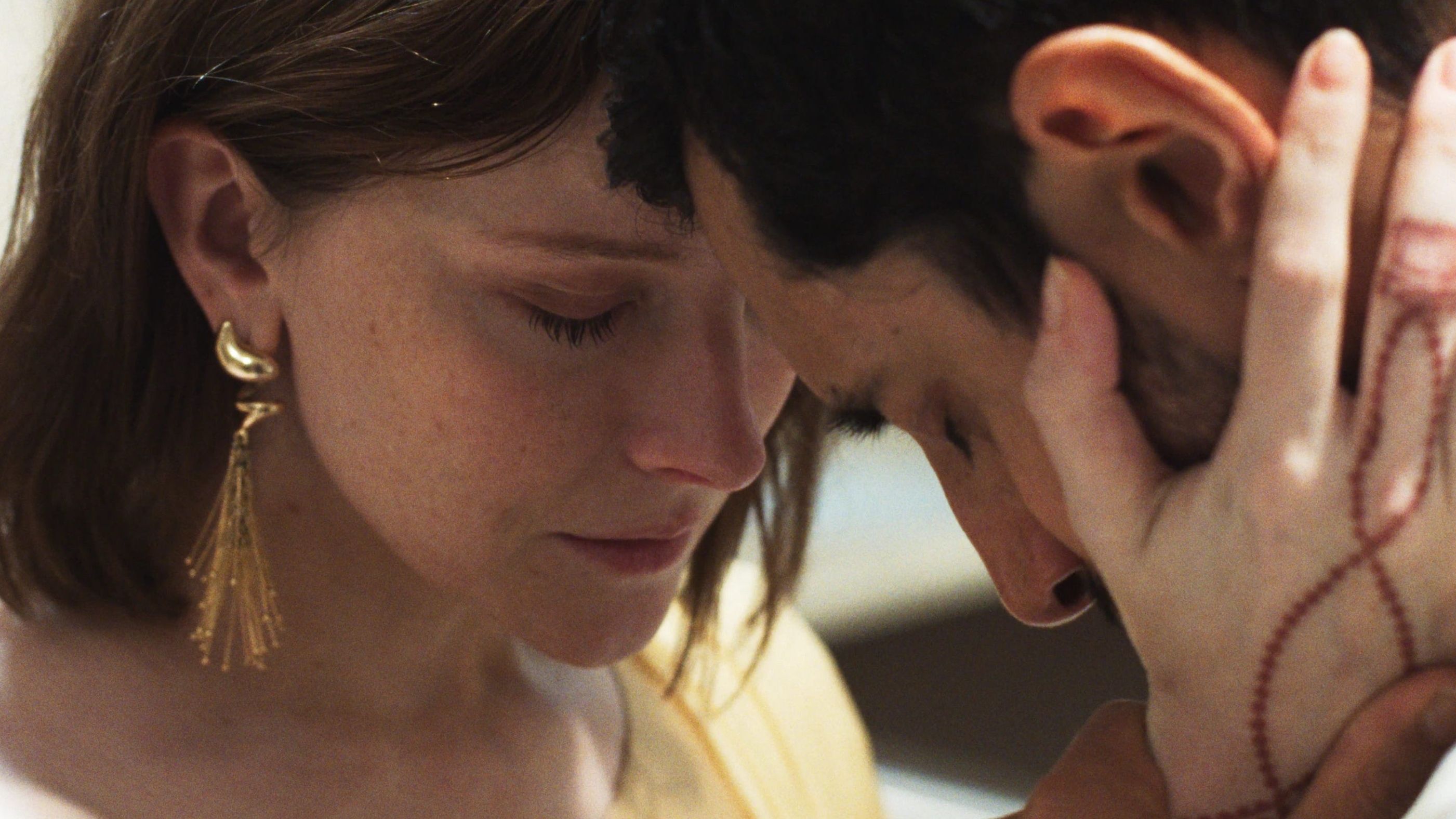
In Riz Ahmed’s film adaptation of Hamlet, Ophelia—played by Morfydd Clark—incorporates characteristics of Horatio, Hamlet’s close friend. Although the film stays mostly true to the original story, the most noticeable change is the absence of the character Horatio.
Horatio, Hamlet’s close friend, usually acts as a connection to the audience in versions of the play. Traditionally, he’s the only major character who lives through the story. However, this new film significantly reduces Horatio’s role, making Hamlet seem more alone and emphasizing his descent into madness as seen by those around him.
The movie doesn’t erase the original character’s traits, but subtly shifts them onto Ophelia. The film portrays Ophelia and Hamlet as former lovers with lingering feelings, creating a warmer, more relaxed dynamic when they first meet. This clever change allows for a fresh take on Ophelia’s character.
What struck me most about this actress’s portrayal of Ophelia was how she initially played her – not as the meek flower we often see, but with a real spark and a willingness to challenge Hamlet, even while clearly caring for him. It was a fascinating dynamic! Sadly, as the story unfolded, she fell into the more traditional depiction of Ophelia, becoming increasingly heartbroken by Hamlet’s cruelty, ultimately leading to that tragic and familiar end.
The filmmakers’ decision isn’t a poor one – it effectively heightens the tension between Hamlet and Ophelia’s brother, Laertes, and emphasizes the deadly consequences of Hamlet’s quest for revenge. Still, it feels like a missed chance to offer a fresh take on Ophelia’s character and subvert audience expectations, particularly considering how her story ends.
Moryfdd Clark’s Ophelia Should Have Been More Like Horatio

Giving Ophelia the role traditionally held by Horatio in adaptations of Hamlet is a smart move. It simplifies the story by eliminating a character, but also allows for a more complex portrayal of Ophelia. This approach presents Ophelia as Hamlet’s equal rather than simply a romantic interest, which makes their conflicts more powerful and emotionally devastating.
In a way, Ophelia is the only person Hamlet feels he can truly trust. When he loses faith in her and begins to see her as part of the corrupt court he’s fighting against, it essentially destroys his last real friendship. However, within the story itself, Ophelia follows the expected path for her character and dies quickly, with her death happening offstage.
It’s unfortunate, but reimagining Ophelia in the role typically held by Horatio opens up some compelling possibilities for interpreting Hamlet. If Ophelia had been the one to witness the ghost, like Horatio does in the original play, she might have realized Hamlet was only pretending to be insane. This could have created a more complex relationship between Hamlet and Ophelia’s family.
The death of Ophelia’s father, Polonius, could create a conflict between her and her brother, especially if she recovers from the emotional turmoil that typically leads to her death. Even if she doesn’t survive, the film could have used its increased focus on her to powerfully demonstrate the devastating effects of Hamlet’s impulsive behavior.
Interestingly, some interpretations of the story allow Ophelia to live, just like Horatio. As the last of her family and Hamlet’s final link to his past, she could have become a memorable, though troubled, character – a surprising twist for such a tragic figure. This would have given Ophelia’s story a completely new and compelling layer.
This version of Hamlet makes some clever changes, like reimagining Fortinbras as the head of a community of people who’ve been forced from their homes. It’s a bit disappointing, though, that the most creative idea – combining the characters of Horatio and Ophelia – wasn’t explored more fully.
Read More
- The Super Mario Galaxy Movie: 50 Easter Eggs, References & Major Cameos Explained
- 10 Best Free Games on Steam in 2026, Ranked
- Surprise Isekai Anime Confirms Season 2 With New Crunchyroll Streaming Release
- Sydney Sweeney’s The Housemaid 2 Sets Streaming Release Date
- Why is Tech Jacket gender-swapped in Invincible season 4 and who voices her?
- Skate 4 – Manny Go Round Goals Guide | All of the Above Sequence
- Preview: Sword Art Online Returns to PS5 as a Darker Open World Action RPG This Summer
- Welcome to Demon School! Iruma-kun season 4 release schedule: When are new episodes on Crunchyroll?
- Overwatch 2 G.I. Joe Crossover Launches July 1: Join the Battle Between Heroes and Villains
- 10 Best Supporting Actress Oscar Wins That Are Indisputable
2026-04-10 21:32