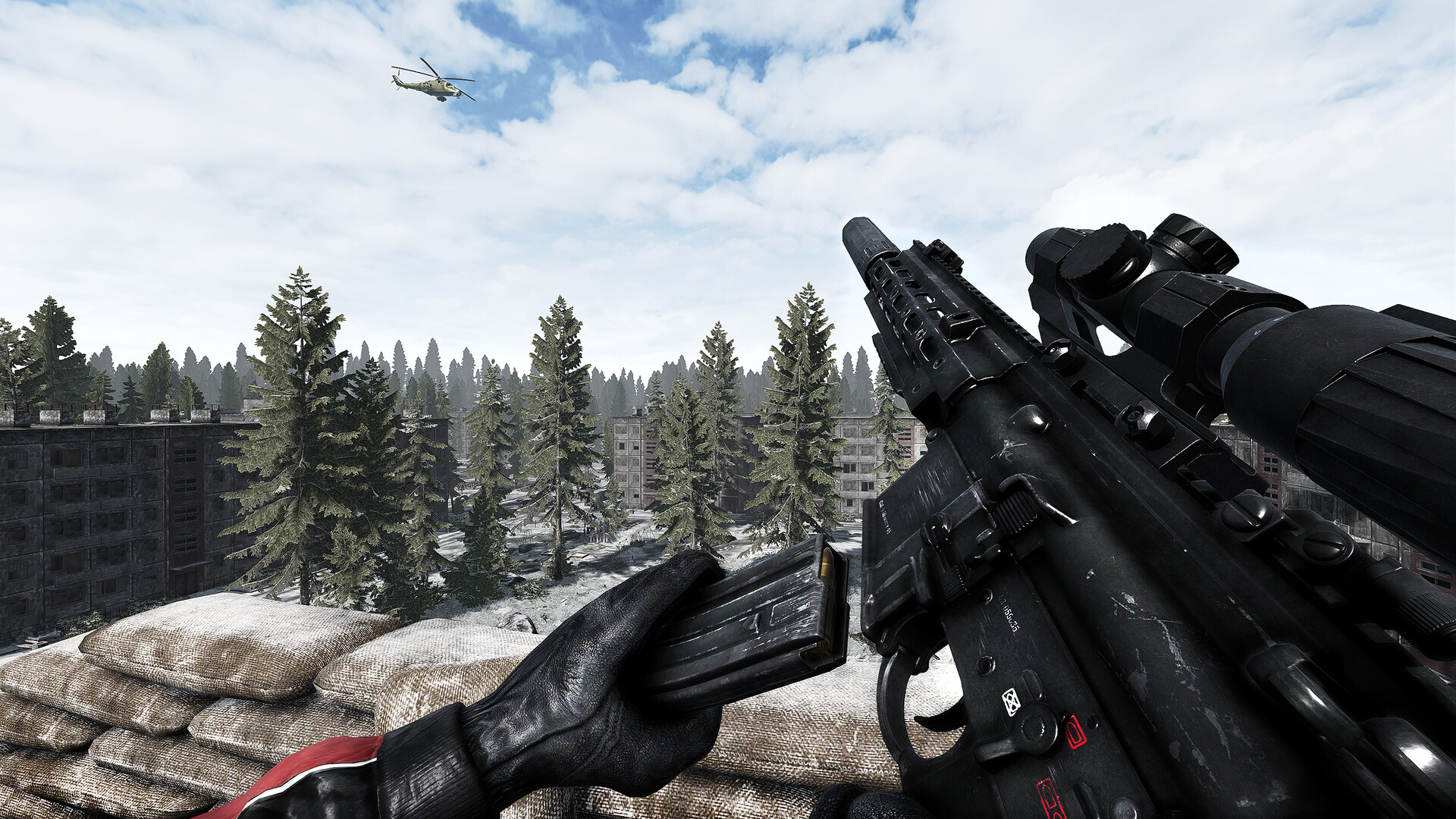
Many survival games focus on quick reactions, but Road to Vostok offers a different kind of challenge – one that tests how well you plan, make choices, and deal with the lasting results of those decisions. That’s exactly what makes it so appealing. This single-player game is a realistic, immersive, first-person shooter that sets itself apart from most mainstream survival titles. It’s a unique experience, but especially exciting for fans of the S.T.A.L.K.E.R. series.
What truly sets Road to Vostok apart is the story of how it’s being made. The game is largely the work of one person, Antti, and his unusual background gives it a special level of realism. Having trained in the military and with a passion for how things realistically work, he’s not just creating a game – he’s building a detailed simulation of surviving in harsh conditions. He’s also been remarkably open about the development process, regularly sharing updates and explaining how the game’s systems work with the community. This transparency is especially valuable today, as many large game studios keep their work secret, and it’s helped build excitement and trust around this ambitious project.
When a single developer leads a game, it often has a very clear and focused design. That’s definitely true with Road to Vostok, which features a connected, persistent world where players must find resources, fight off enemies, and venture towards the enigmatic “Vostok” zone. The game is unforgiving – resources are limited, enemies are deadly, and even the environment poses a threat. The developers prioritized realism, making weapons feel weighty and unpredictable, inventory management challenging, and healing slow. Every action feels deliberate, and this creates a constant sense of tension.
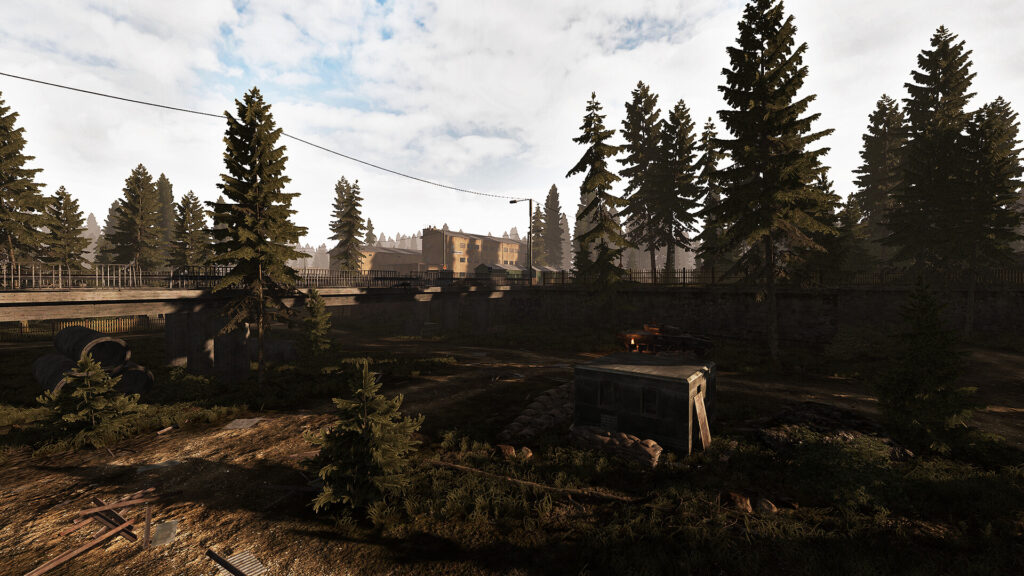
As a big S.T.A.L.K.E.R. fan, I immediately felt that same gripping tension in Road to Vostok. GSC Game World really knows how to build a world that doesn’t care about you – it just is, and that’s what makes it so immersive. This game totally nails that feeling. The environments are beautifully desolate, from dark forests and crumbling buildings to lonely, snow-covered bases. There’s a real quietness to the map that feels deliberate, like you’re truly alone. And the weather and lighting? They’re incredible. They completely change how a place feels depending on the time of day or if it’s snowing, making even familiar areas feel brand new.
What really sets Road to Vostok apart from just being inspired by the S.T.A.L.K.E.R. series is that the story unfolds based on your actions. Don’t expect pre-planned, heroic moments; instead, the game creates unique stories through its systems interacting and responding to what you do. You might carefully spend an hour sneaking through a dangerous area, only to lose everything in a surprise attack. Or you could find a valuable item in an old building, turning a desperate situation into a successful escape. Maybe you’ll even find yourself caught in a fight, with another group suddenly intervening to give you a chance to flee. These aren’t scripted events; they happen because the world reacts to you realistically, without catering to your desires.
The core of Road to Vostok’s gameplay is its permadeath feature – it truly defines the experience. When your character dies, there are no second chances. You lose everything you’ve worked for – your progress, equipment, and resources – and have to start the game over completely. This high level of risk dramatically alters how you play, making every decision feel important. You’ll constantly weigh the benefits of pushing forward for better items against the danger of losing everything, or whether to fight a potentially rewarding enemy or avoid them altogether. Failing doesn’t just mean a brief pause; it means going back to square one.
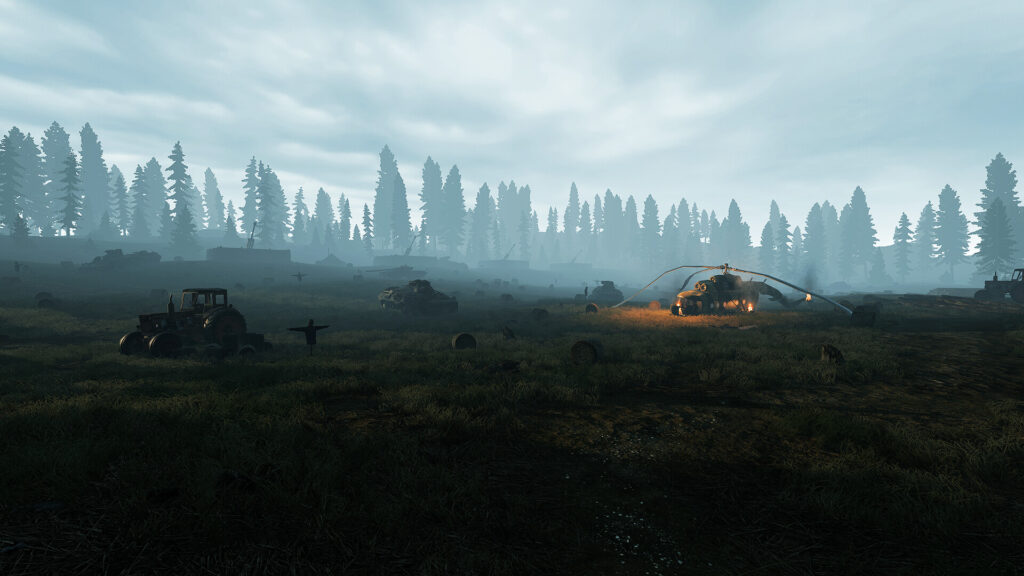
If you enjoyed the S.T.A.L.K.E.R. games, Road to Vostok will feel incredibly immersive. The original games hinted at this level of suspense, but design choices often made things easier. Modern games let you try things without much risk, but Road to Vostok fully commits to the intensity. It doesn’t just want you to live – it wants you to be genuinely afraid of failing. While this might frustrate some players, it’s precisely what makes achieving success so rewarding.
Road of Vostok constantly keeps you on edge. You’ll need to carefully manage your limited supplies, as ammo is scarce and weapons need regular upkeep. The game doesn’t hold your hand – you have to pay attention to your surroundings and use your own sense of direction. This careful, survival-focused gameplay feels similar to games like S.T.A.L.K.E.R. and Far Cry 2, but Road of Vostok takes the tension to a whole new level.
What really stands out about Road to Vostok is how polished it feels, especially for an independent game. The environments are believable and realistic, and the overall production quality is surprisingly good. Lighting is used effectively to create a consistently unsettling atmosphere, with realistic shadows and effects. The game has a gritty, authentic feel that perfectly matches its serious tone. This is further enhanced by the sound design – distant gunfire, leaves rustling, and the general environment all combine to create a dynamic and unpredictable soundscape.
What really sets this game apart is its focus on a classic, single-player experience. While many survival games emphasize online competition and ongoing updates, Road to Vostok offers a more solitary adventure. You won’t be battling other players or chasing seasonal content—instead, you’ll face the challenges of a harsh world and rely on your own skills to survive. The permadeath feature and ever-changing game systems keep things interesting and encourage players to explore and experiment, ensuring the game stays engaging for a long time.
Look, I’m really excited about Road to Vostok, but I know ambition doesn’t automatically make a great game. We’re still building it, and honestly, getting the balance right is going to be tough. We want it to be challenging, but not so punishing it’s just annoying. And permadeath? That’s a tricky one. It’s awesome for building tension, but if you die and feel like it was cheap or unfair, it’s just demoralizing. We really want to nail that feeling where a death feels fair – like you understand what happened and want to jump right back in and try again. That’s what I’ve always wanted in a roguelike, and it’s surprisingly hard to find!
The project is particularly interesting because it targets a specific group of gamers. Many players are looking for games that value their time and offer a genuine challenge, without constantly needing rewards or artificial progress to keep them hooked. Road to Vostok directly appeals to these players, providing a more thoughtful and rewarding experience. It’s about the satisfaction of overcoming obstacles through smart strategy and skillful play, rather than simply relying on power or hand-holding.
For those who love the S.T.A.L.K.E.R. games, this feels like a major step forward, building on what made those games so special. It keeps the immersive atmosphere, unpredictable events, and constant tension, but takes them even further. It removes some of the easier elements found in similar games, demanding that players truly immerse themselves in the experience. This dedication to realism is unusual, especially when many games focus on being easy to pick up and appealing to a wide audience.
Ultimately, Road to Vostok could be more than just another popular indie game. It has the potential to truly change the landscape of modern hardcore survival games and inspire other developers. If the game’s systems work together seamlessly, maintain a strong sense of tension, and keep players engaged throughout, it could become a major success. We’re optimistic that the developer can deliver something truly special, making Road to Vostok one of the most discussed and impactful survival games in the coming years.
Just so you know, the opinions in this article are the author’s own and don’t reflect the official stance of GamingBolt.
Read More
- What Song Is In The New Supergirl Trailer (& What It Means For The DC Movie)
- Sydney Sweeney’s The Housemaid 2 Sets Streaming Release Date
- Welcome to Demon School! Iruma-kun season 4 release schedule: When are new episodes on Crunchyroll?
- Dune 3 Gets the Huge Update Fans Have Been Waiting For
- Highly Anticipated Strategy RPG Finally Sets Release Date (And It’s Soon)
- TV legend Carol Kirkwood reveals the reasons why she decided to retire after 28 years with BBC
- Why is Tech Jacket gender-swapped in Invincible season 4 and who voices her?
- The Super Mario Galaxy Movie: 50 Easter Eggs, References & Major Cameos Explained
- Crimson Desert is a “Cynical Amalgamation of Borrowed Mechanics,” Says Larian’s Publishing Director
- Who Wants to Be a Millionaire? confirms contestant wins full £1 million prize pot on Jeremy Clarkson quiz
2026-04-07 16:47