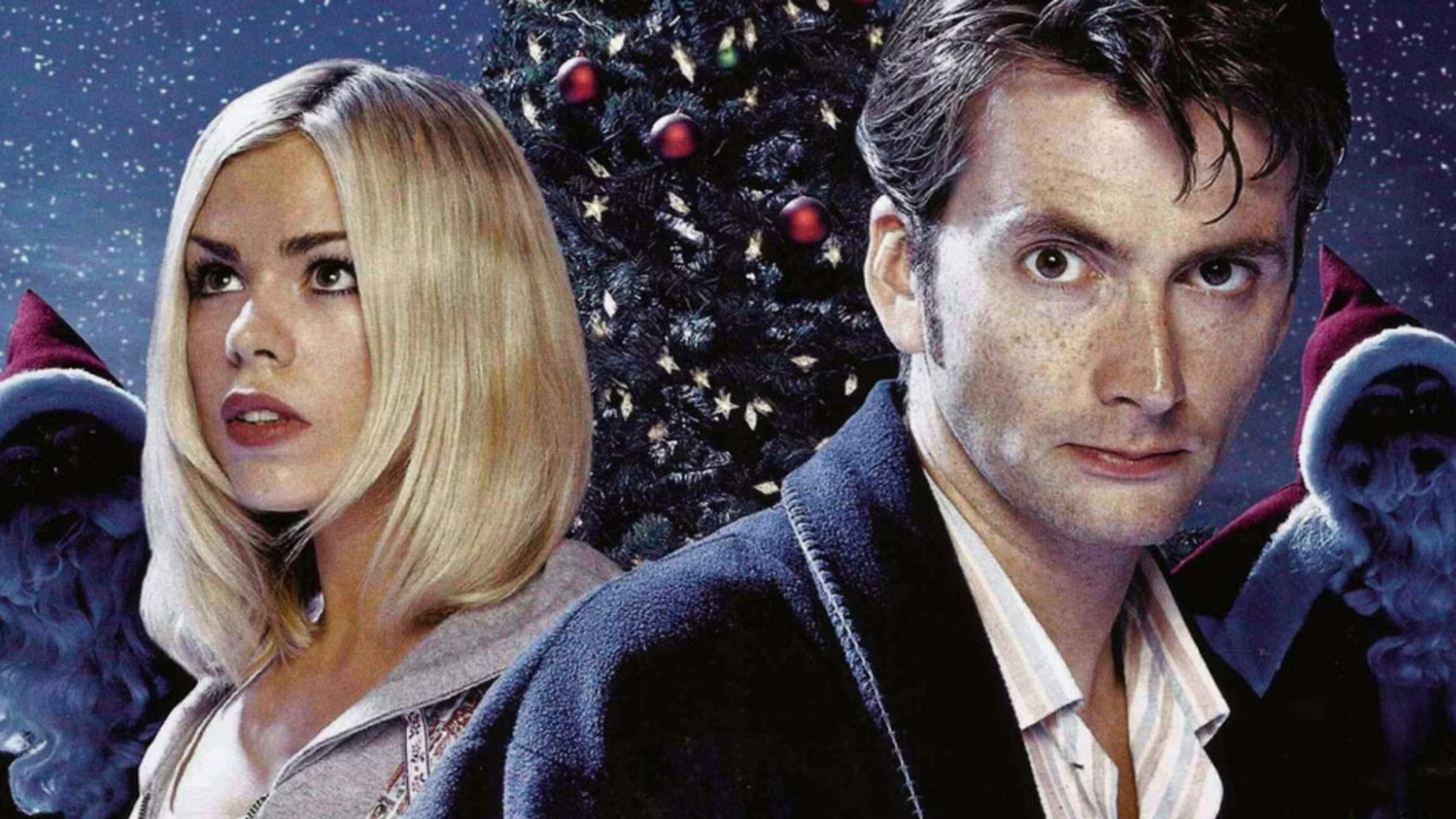
Russell T. Davies is credited with reviving Doctor Who in 2005, but now, in 2026, the show is facing a difficult situation. There’s been a lot of discussion about its future, and fans noticed that production hadn’t begun on the planned Christmas special. It’s now official: the BBC has cancelled the special and will be opening up the show’s production to bids from different companies.
Perhaps this shouldn’t be a surprise. Back in February, the BBC’s Director of Drama, Lindsay Salt, committed to Doctor Who‘s future while noting major concerns about the show’s funding model. In truth, the last couple of seasons have only happened because of Disney money; that partnership fell through, and the BBC simply doesn’t have the cash to pay for an increasingly-expensive sci-fi TV show. It’s not quite a cancellation – the BBC still believe in the brand, and want Doctor Who to continue – but it’s only one step removed.
What Went Wrong With Doctor Who?

It wasn’t a surprise when Doctor Who found a new path forward. Back in 2022, executive producer Matt Strevens shared that the show’s future after Season 13 wasn’t guaranteed. Ultimately, a deal with Disney and the return of Russell T. Davies – who successfully relaunched the series in 2005 – ensured Doctor Who‘s continuation. This collaboration aimed to bring the beloved British show to a wider audience than ever before.
Despite having its biggest budget ever, a new lead actor in Ncuti Gatwa, and an experienced showrunner, the latest season of Doctor Who didn’t quite succeed. While the return of popular actor David Tennant initially generated excitement, the show quickly became overly focused on its own history and intricate details. This meant character development suffered as the writers prioritized references and callbacks, leading to a confusing storyline for some viewers. Ultimately, ratings declined, and the creative team moved on after only two seasons and one spin-off series.
With hindsight, the end of Doctor Who Season 15 is symptomatic of the RTD2 era’s problems. Aware the show’s future was in doubt, Davies came up with a hurried “shock regeneration” designed to tailor to old-school fans; Gatwa’s Doctor regenerated, apparently taking on the form of former companion Billie Piper. “We only cooked that up to guarantee a future when no one knew what would happen,” Davies has admitted on Instagram. It was a gimmick with no substance behind it, exploiting nostalgia in an attempt to grab attention without any narrative plan. Clearly, it didn’t work.
The Billie Piper Regeneration is a Big Problem for Doctor Who

This isn’t the first time Doctor Who has faced cancellation, which is why fans are so upset by this recent news. Back in 1989, the BBC cancelled the show due to declining ratings and a perceived drop in quality, along with an overemphasis on complicated storylines. However, there was a difference then: the final classic Doctor Who story, “Survival,” included a quick scene meant to be a proper goodbye from Sylvester McCoy’s Doctor and his companion Ace. While the show was ending on television, that scene hinted at potential for future stories.
The Doctor described incredible places – worlds with fiery skies, seas lost in slumber, and rivers that dream. He spoke of people made of smoke and cities built on song. Somewhere, there was trouble, unfairness, and even a forgotten cup of tea. He urged Ace to action, and they had plenty of work ahead of them. This period of Doctor Who, often called the “Wilderness Era,” was full of daring stories that experimented with different formats and actually helped shape the show’s successful return in 2005. Despite the challenges, the series maintained a strong narrative flow, keeping fans invested until its comeback.
However, the end of Season 15 was quite a departure for Davies. He could have left the Doctor’s fate open-ended, or even skipped a regeneration entirely, opting for a simple farewell speech like in ‘Survival.’ Instead, he introduced a confusing twist – the Doctor seemingly regenerating into Billie Piper. It’s unclear if Piper’s character is the Doctor, as the credits didn’t offer a definitive answer. Davies didn’t write the script for the Christmas special, suggesting he didn’t have answers to these questions himself. This leaves the future of the show uncertain, as it’s impossible to predict how future episodes will address this unexpected turn of events.
While Doctor Who hasn’t been officially cancelled, the conclusion of Russell T Davies‘ second run is more damaging than past finales. It makes it difficult to build excitement for future stories before the next series airs. Plus, it puts the show in a tough spot: audiences weren’t drawn to Davies’ focus on past storylines, yet continuing the current narrative will likely require another story steeped in nostalgia. It’s probable that the next iteration will either jump ahead to a completely new Doctor, effectively ignoring the regeneration, or will be a full-on reboot of Doctor Who.
Russell T Davies remains defiant about the cancelled Christmas special, openly stating that no script was ever written and no actors were considered for the next Doctor. He challenges anyone who disagrees to wait and see if he’s wrong, suggesting they’ll be waiting a very long time. These comments are likely to be poorly received, especially considering Davies, the driving force behind Doctor Who‘s successful 2005 revival, has left the show in a difficult position. It’s a striking irony that the person who revitalized Doctor Who has also seemingly brought this chapter to a disappointing end.
Read More
- Gold Rate Forecast
- EUR CNY PREDICTION
- SUI PREDICTION. SUI cryptocurrency
- Seven Snipers Review: A Sharpshooter Action Movie That Misses More Than It Hits
- USD BRL PREDICTION
- Green Game Jam returns with 70 games teaming up to tackle the climate crisis
- USD HKD PREDICTION
- USD TRY PREDICTION
- 7 Classic Free Animated Shows Hidden Deep on Streaming
- Taylor Swift’s Toy Story 5 Song Now Officially Available to Stream (& It’s Not What I Expected)
2026-06-10 15:40