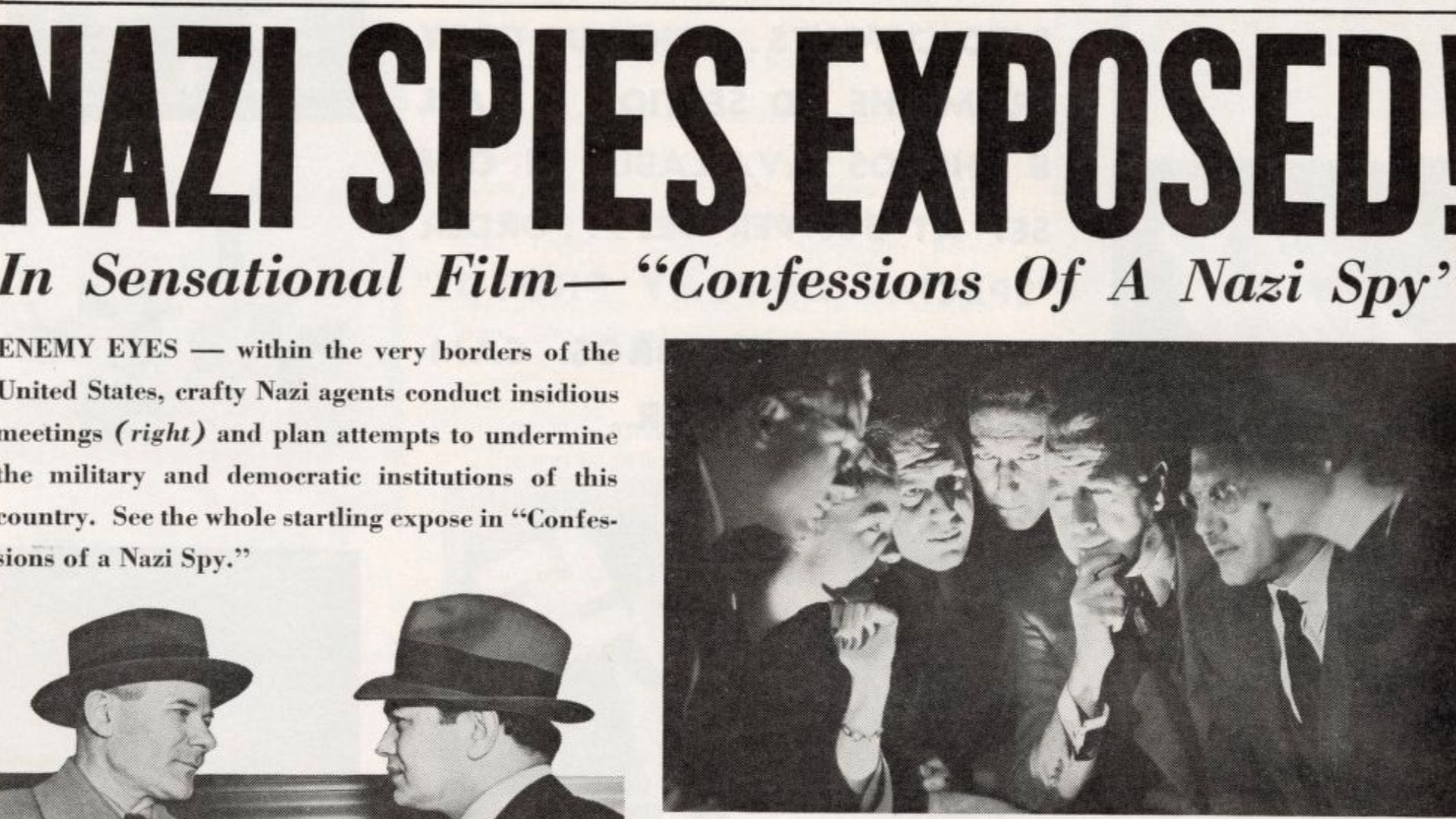
In the early 1930s, Warner Bros. boldly declared they would deliver results or stop trying. For the studio’s founders, making movies wasn’t just about profit – they felt a duty to the public. In December 1938, as Warner Bros. prepared to film Confessions of a Nazi Spy (1939), a movie based on the FBI’s uncovering of a Nazi spy network in New York, the Hollywood Anti-Nazi League and over fifty industry professionals gathered at Edward G. Robinson’s home. The story came from FBI agent Leon Turrou, and Jack Warner sent writers to New York to gather information. Despite strict censorship rules that prevented criticizing other countries, the film moved forward. At the meeting, comedian Groucho Marx praised Warner Bros., saying they were the only studio with the courage to take on such a project.
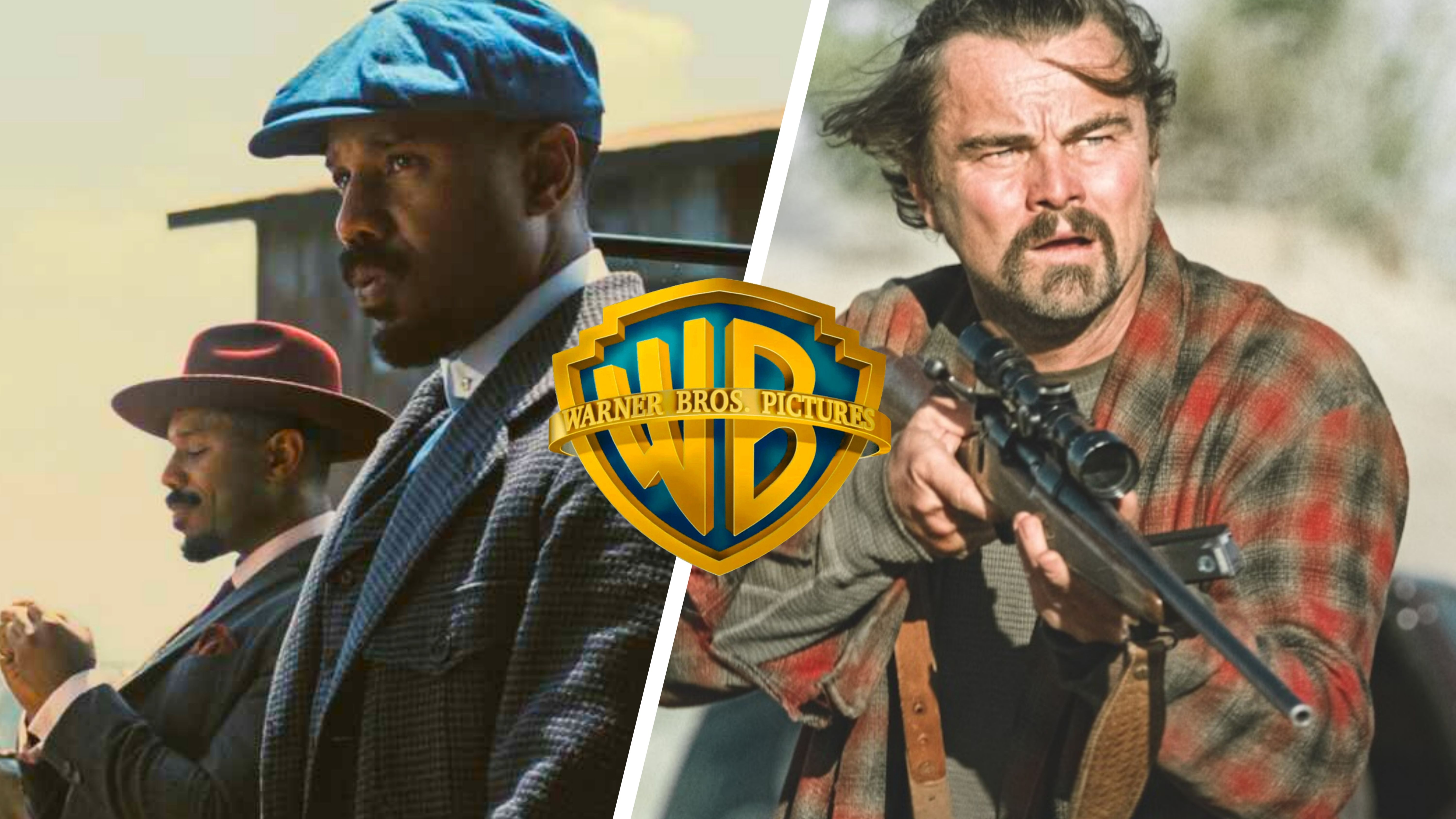
Warner Bros.’ impressive showing at the Oscars – 30 nominations and 11 wins for Sinners and One Battle After Another – proves the studio, even after 103 years, continues to create bold, timely, and engaging films. As Conan O’Brien pointed out during the Oscars, celebrating movies is also about honoring values like artistry, perseverance, and hope. A visit to the Warner Bros. studio today is truly inspiring; the legacy of the founders is palpable, and everyone connected to the studio – from tour guides to producers – clearly takes immense pride in its history.
Media History Digital Library
Even before officially founding Warner Bros., the Warner brothers were making films based on current events. They quickly gained recognition by licensing the book My Four Years in Germany (1918), written by US ambassador James Gerard about his time in Europe during World War I. Later, thanks to Sam Warner’s innovative thinking, the studio pioneered sound in film with The Jazz Singer (1927). As the Great Depression hit, Warner Bros. began releasing a series of films focused on topics like bootlegging, crime, and hardship. Movies such as The Public Enemy (1931) and I am a Fugitive from a Chain Gang (1932) resonated with audiences by reflecting the real-life struggles and headlines of the time.
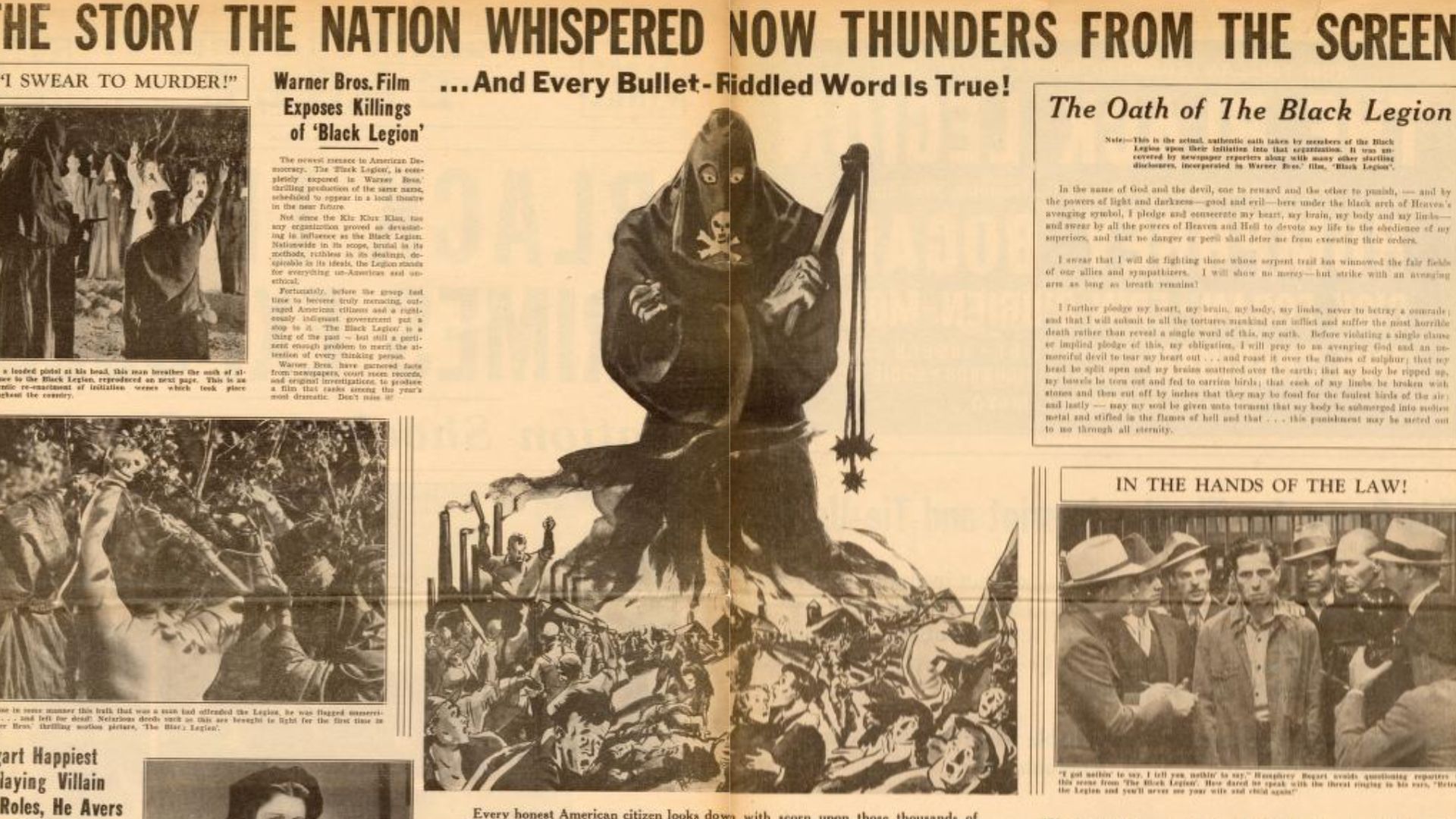
In April 1933, witnessing the growing threat of fascism in Germany, Harry Warner, head of Warner Bros. studio, made the courageous decision to withdraw all business from the country – a unique stance among Hollywood studios at the time. Because of strict censorship rules, directly criticizing nations was difficult, so Warner Bros. created films addressing themes of hatred and prejudice with subtlety. Examples include They Won’t Forget (1937), based on the murder of Jewish factory worker Leo Frank, and Black Legion (1937), which exposed a rising KKK group in the Midwest. The Klan even sued Warner Bros. over its portrayal and use of costumes, but lost the case. After the release of Confessions of a Nazi Spy in 1939, other studios began making similar films critical of Nazi Germany, like The Mortal Storm (MGM, 1940) and The Great Dictator (UA, 1941). These films sparked controversy and led to an investigation by some members of the US House of Representatives who were sympathetic to Nazi ideology. Harry Warner fiercely defended the industry throughout the investigation.
Media History Digital Library
During World War II, Hollywood worked closely with the U.S. government’s Office of War Information to shape public messaging. Warner Bros. was a key player, initially producing patriotic films like Desperate Journey (1942) that presented a simplified view of war. As the war progressed and its realities became harsher, their films became more serious, as seen in Objective, Burma! (1945), which reflected the heavy toll the conflict was taking on American families. After the war, Warner Bros. continued to address important social issues. Storm Warning (1951), for example, dealt with the Ku Klux Klan and, more broadly, served as a commentary on the anti-communist paranoia of the Red Scare.
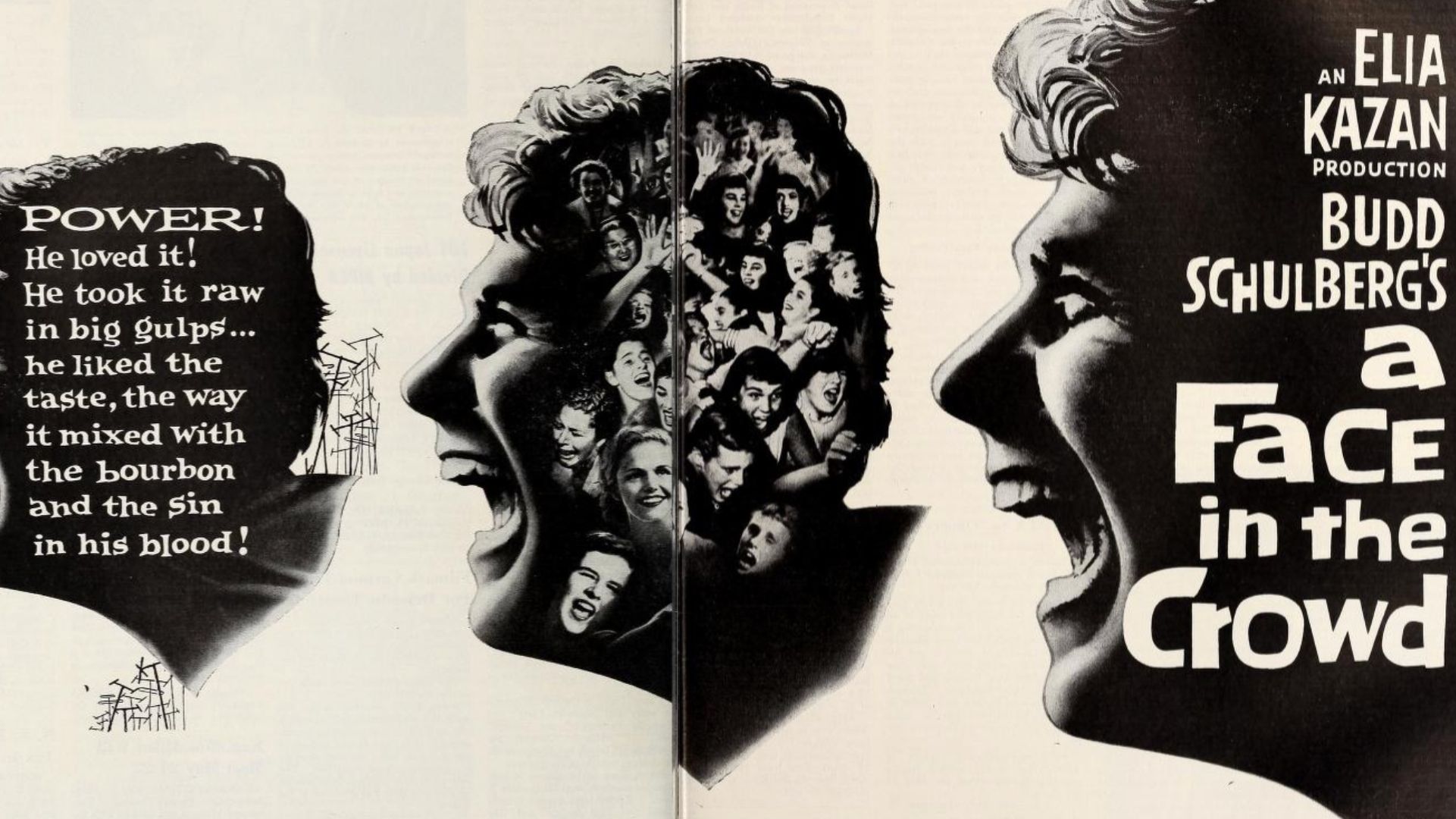
I’ve always been fascinated by how movies can reflect what’s happening in the world, and two films from 1957 really stand out to me. First, there’s Elia Kazan’s A Face in the Crowd, which was so ahead of its time! It’s about a radio guy who becomes a national TV star and starts using his influence for political gain. It felt especially relevant considering President Eisenhower was getting media coaching from Robert Montgomery back then. It wasn’t fully appreciated when it came out, but it’s gained a lot of respect, and it’s great it’s now available through the Criterion Collection. Then there’s Sayonara, a Warner Bros. film that tackled the really difficult issue of racism during the Korean War. It showed the struggles of American soldiers who brought their Korean wives home to a country where interracial marriage was still illegal. It’s amazing to think that Warner Bros. was addressing this issue years before the laws finally changed in 1967 – they were truly pioneers!
Media History Digital Library
Warner Bros. continued to produce groundbreaking films even after its founders stepped down, maintaining their tradition of innovation. In the 1970s, the studio demonstrated its understanding of popular culture by backing the documentary Woodstock (1970). The film Dirty Harry (1971) powerfully depicted failures in law enforcement, a particularly resonant theme given the ongoing crimes of the unidentified Zodiac Killer in San Francisco. Mel Brooks and Richard Pryor teamed up for the hilarious and provocative western Blazing Saddles (1974), which boldly satirized racism. And in 1975, All the President’s Men brought the Watergate scandal to life, honoring the courageous journalists who uncovered the truth.
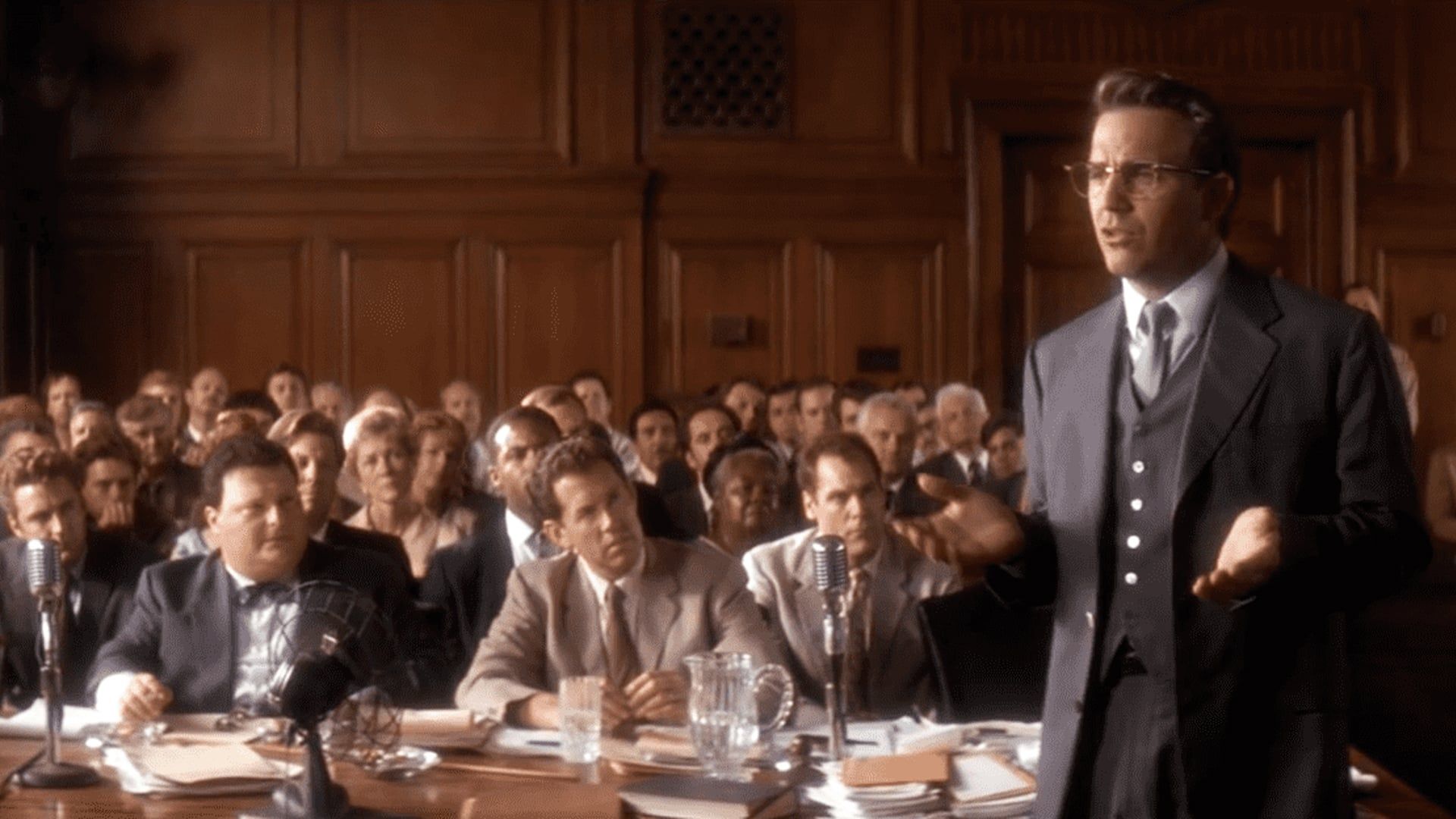
Over the years, Warner Bros. consistently produced challenging and thought-provoking films that many other studios avoided. This commitment to bold storytelling, a hallmark of the Warner brothers’ legacy, is evident in movies like the adaptation of Alice Walker’s The Color Purple (1985) and Stanley Kubrick’s powerful anti-war film Full Metal Jacket (1987). The studio also supported controversial films such as Oliver Stone’s JFK (1991), which explored a conspiracy theory, and Natural Born Killers (1994), a critique of sensationalist media. Furthermore, Warner Bros. has released two different film adaptations of Malcolm X’s life, in 1972 and 1992.
Warner Bros.
I’ve always admired how Warner Bros. hasn’t shied away from challenging subjects, even now. Take The Majestic from 2001, for example – it really dug into the troubling history of the Hollywood blacklist. And Syriana in 2005 was a powerful critique of the oil industry’s influence during the Iraq War. Even a blockbuster like The Dark Knight felt relevant to the times; I always saw it as a reflection of the post-9/11 world, with the surveillance tech used by Lucius Fox mirroring concerns about the Patriot Act and the growing power of tech companies. I remember being on a Comic-Con panel discussing how to teach Batman in schools, and I pointed out that many viewers interpreted Nolan’s film through the lens of the War on Terror. Interestingly, Paul Levitz, then President of DC Comics, disagreed, saying there wasn’t any political intent during production. I countered that while the film works as a self-contained story in Gotham, audiences in 2008 couldn’t help but see connections to what was happening in the real world with surveillance. Warner Bros. films can be purely escapist, but the best ones, like Watchmen from 2009, always give you something deeper to think about.
Subscribe to the newsletter for studio deep dives
Join the newsletter for more archival stories, analysis, and context on Warner Bros.’ history and films that engaged politics, culture, and controversy—perfect for readers seeking informed cinematic perspective.
While accepting the Best Picture award for One Battle After Another, Paul Thomas Anderson highlighted 1975 as a particularly innovative year for film. He mentioned Dog Day Afternoon – a Warner Bros. movie – as an example. The film, which won an award for its original screenplay, was based on a true story: a 1971 bank robbery in Brooklyn covered by Life magazine. The robbers weren’t after money for themselves, but to fund a friend’s gender confirmation surgery. Many viewers remember the iconic scene of Al Pacino yelling “Attica!” to the police and media surrounding the bank, a reference to the violent suppression of a prison riot.
Warner Bros. has a long history of taking on any kind of film project, but they’ve particularly been known for championing stories that other studios might shy away from. Back in 1943, the New York Times praised Warner Bros. for being both socially responsible and creating quality films. That spirit continues today with films like Sinners and One Battle After Another, which demonstrate Warner Bros.’ commitment to making engaging and thought-provoking movies that address, rather than avoid, contemporary issues.
Read More
- What Song Is In The New Supergirl Trailer (& What It Means For The DC Movie)
- Highly Anticipated Strategy RPG Finally Sets Release Date (And It’s Soon)
- Why is Tech Jacket gender-swapped in Invincible season 4 and who voices her?
- TV legend Carol Kirkwood reveals the reasons why she decided to retire after 28 years with BBC
- The Quantum Observer: How Reality Takes Shape
- After 13 Years, Someone Earned One of the Hardest Achievement Trophies in Gaming
- The OG Resident Evil 1, 2 and 3 Are Now Available on Steam With a Heavy Discount (and DRM)
- Demon Slayer Star Reacts to Infinity Castle Movie Return for Surprising Role
- The Monsterverse’s Shocking New Time Travel Story – Monarch: Legacy Of Monsters Season 2, Episode 6 Explained
- Tainted Grail: The Fall of Avalon – Merlin’s Tomb DLC Adds a New End-Game Dungeon for Free
2026-03-16 21:41