
As a huge Star Trek fan, I always considered the Klingons to be right up there with the Borg, Cardassians, and the Q Continuum as the show’s best villains. They’re probably the most famous, the easiest to picture, even for people who haven’t seen much Star Trek. What’s interesting is that it’s not because they’re simple characters – it’s that we have such a strong, fixed image of them. That’s definitely why so many fans reacted strongly to the Klingon redesign in Star Trek: Discovery. We all had a very specific idea of what a Klingon should be. But the more you think about their culture and their complicated code of honor, the more you realize we often accept some pretty strange things about them without really questioning it.
Look, Klingons are surprisingly enduring, especially considering all the… quirks over the years. And before anyone jumps on me about how their foreheads changed or whatever – let’s just say it’s a complicated story of budgets and creative choices. As Worf famously put it, it’s a tale for Klingons, not outsiders – though Enterprise did offer some answers. Honestly, let’s just appreciate the fact that these guys have stuck around this long and move on, okay?
5. They Should Never Have Been Dominant Warriors
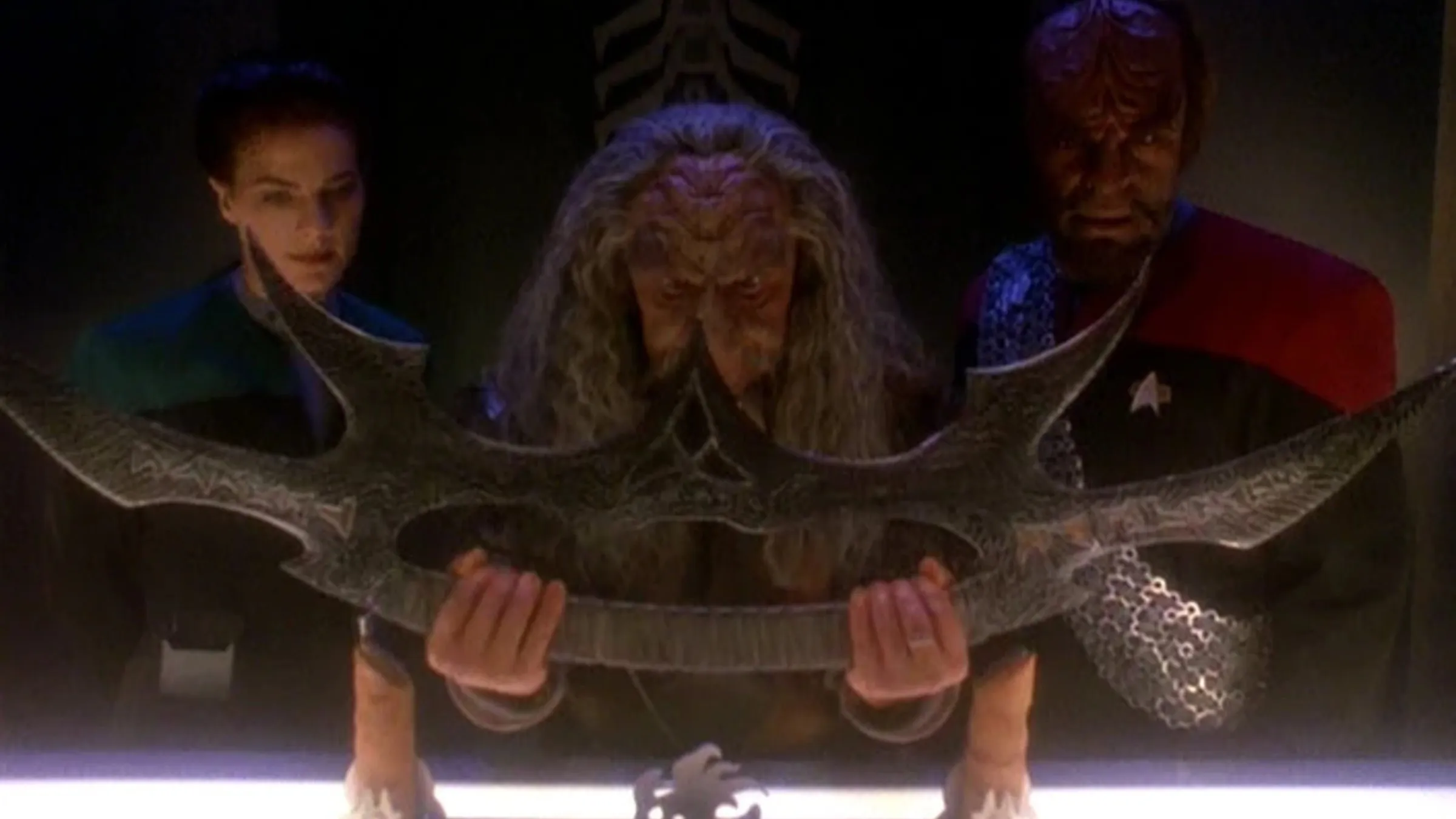
It’s easy to see how the Borg built an empire. They’re a driven, unstoppable force who see most life forms as less than them – simply resources to be used. (It’s a bit like some of today’s wealthiest people, isn’t it?) They’ve also heavily modified themselves with technology, giving them incredible power and weapons that make fighting back almost impossible. Their conquest of galaxies wasn’t just logical, it was almost predictable – why would they accept weakness when they could conquer and ‘improve’ everything? The Klingons, however, seem to mostly rely on arrogance and endless rage.
For years, Star Trek portrayed Klingons as primitive and aggressive warriors obsessed with a strict code of honor – one that often led to destruction. This highlights a recurring theme in Star Trek (and Star Wars) about the risks of rigid thinking, demonstrated by characters frequently violating the Prime Directive for what they believe is the greater good. Logically, Klingons should have either died out or become insignificant due to their limited worldview. Many fans struggle with how they developed warp drive because the show depicts them as stubbornly stuck in old ways. They cling to traditions like using swords (Bat’leths) even when facing enemies with superior technology like laser guns. Their honor system shouldn’t allow them to survive, considering anyone with ranged weapons could easily defeat them from afar.
As a critic, I’ve always struggled with the Klingons. How did this empire actually conquer anything? They’re consistently shown as riddled with corruption, plagued by internal strife, and frankly, incredibly unstable. It’s the complete opposite of the Federation’s ideals. Later Star Trek iterations hinted at darker aspects of the Federation, but that wasn’t Roddenberry’s original intent. So, seeing the Klingons thrive feels…off. It clashes with the hopeful, progressive future the show was meant to portray. Their success just doesn’t quite add up.
4. The Escape Pods Policy

Klingons are fiercely loyal to each other, even to the point of self-destruction. They never leave a fallen comrade or retreat from battle, and this dedication is a core part of their culture – almost a rule. It’s reflected in their famous saying, “May you die before you are captured.” Because of this, abandoning a damaged ship is unthinkable, and you might expect Klingon ships to have no escape pods. Indeed, as seen in the Star Trek: Enterprise episode “Sleeping Dogs,” Klingons view using escape pods as cowardly and refuse to do so.
There’s a recurring inconsistency in Star Trek. The Federation consistently emphasizes the Prime Directive, even when characters break it, and Klingons are often depicted as valuing capture over escape to avoid dishonor. However, throughout the series, we repeatedly see Klingon ships equipped with escape pods! Just one season after Enterprise establishes that Klingons supposedly don’t use them, Captain Archer escapes a dangerous situation using one. This happens again in Deep Space Nine, when Worf uses an escape pod. It’s confusing – if being captured is the ultimate shame for a Klingon, why do they have escape pods and sometimes use them? The series even shows examples of Klingons preferring capture to dishonor, like the survivors of the Khitomer Massacre who chose long-term imprisonment. This creates a frustrating contradiction within the show’s established rules.
3. Their Entire Societies Shouldn’t Actually Function
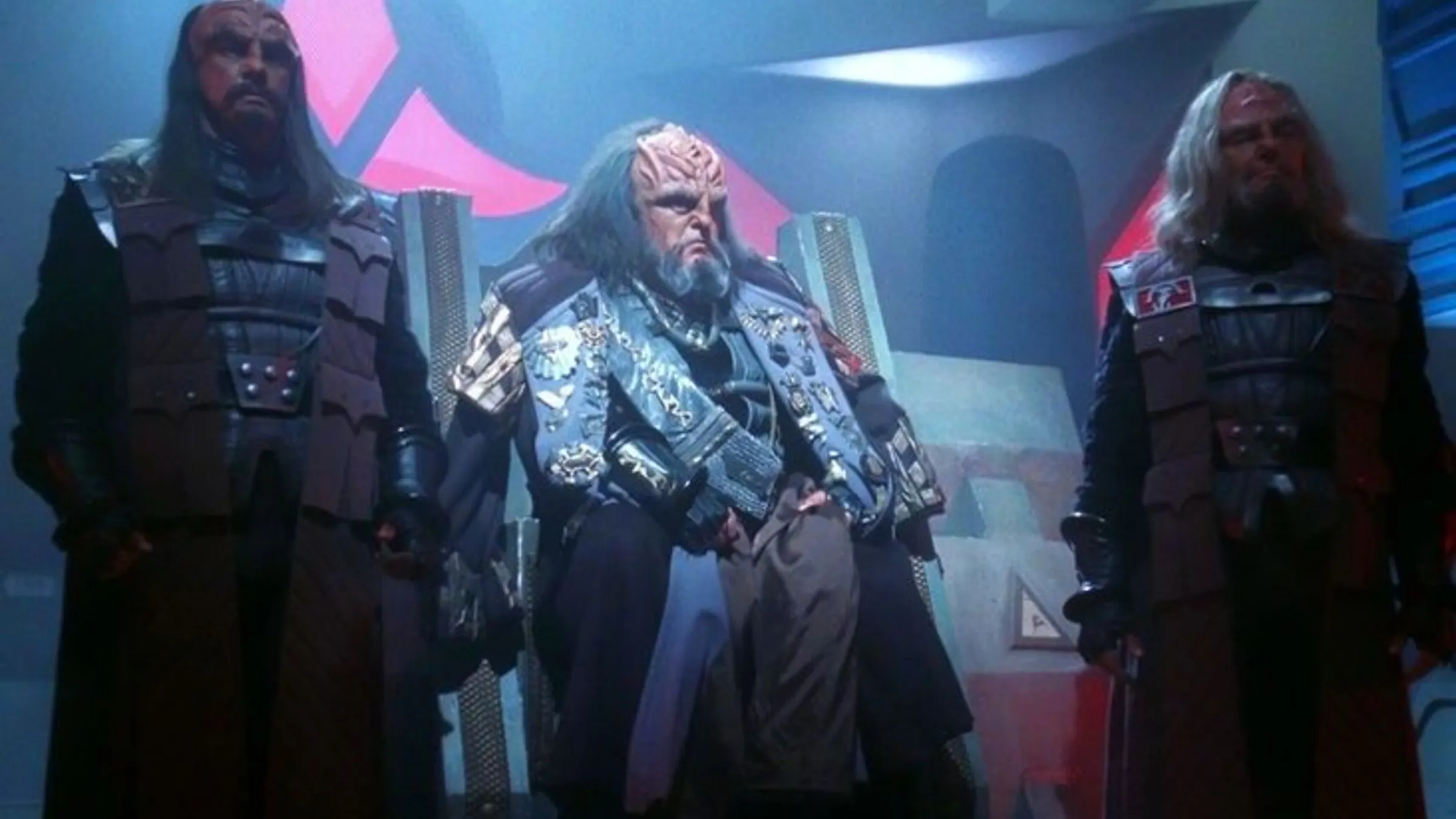
Klingon society is incredibly unstable, largely because they stubbornly cling to traditions that often work against their own interests. While their strict code of honor makes them fierce fighters – though their long-term military strategy is questionable – Klingons excessively value strength and harshly judge anyone who shows weakness. Unlike some earlier depictions, they aren’t naturally inclined towards good governance or democracy, and realistically, their culture should lead to a fragmented people constantly battling each other.
I don’t want to get too bogged down in political details, but it’s an important point to consider. The Federation wisely kept its government separate from Starfleet (and later, the War College), and the Klingon system probably needed a similar separation to be more secure. Unlike systems where challengers are vetted or represented, anyone could directly challenge the Klingon Council leader – a bit like the unpredictable trial by combat in Game of Thrones. This made it difficult to ensure stable leadership or any long-term planning.
2. They Have Gender Equality, Until They Don’t
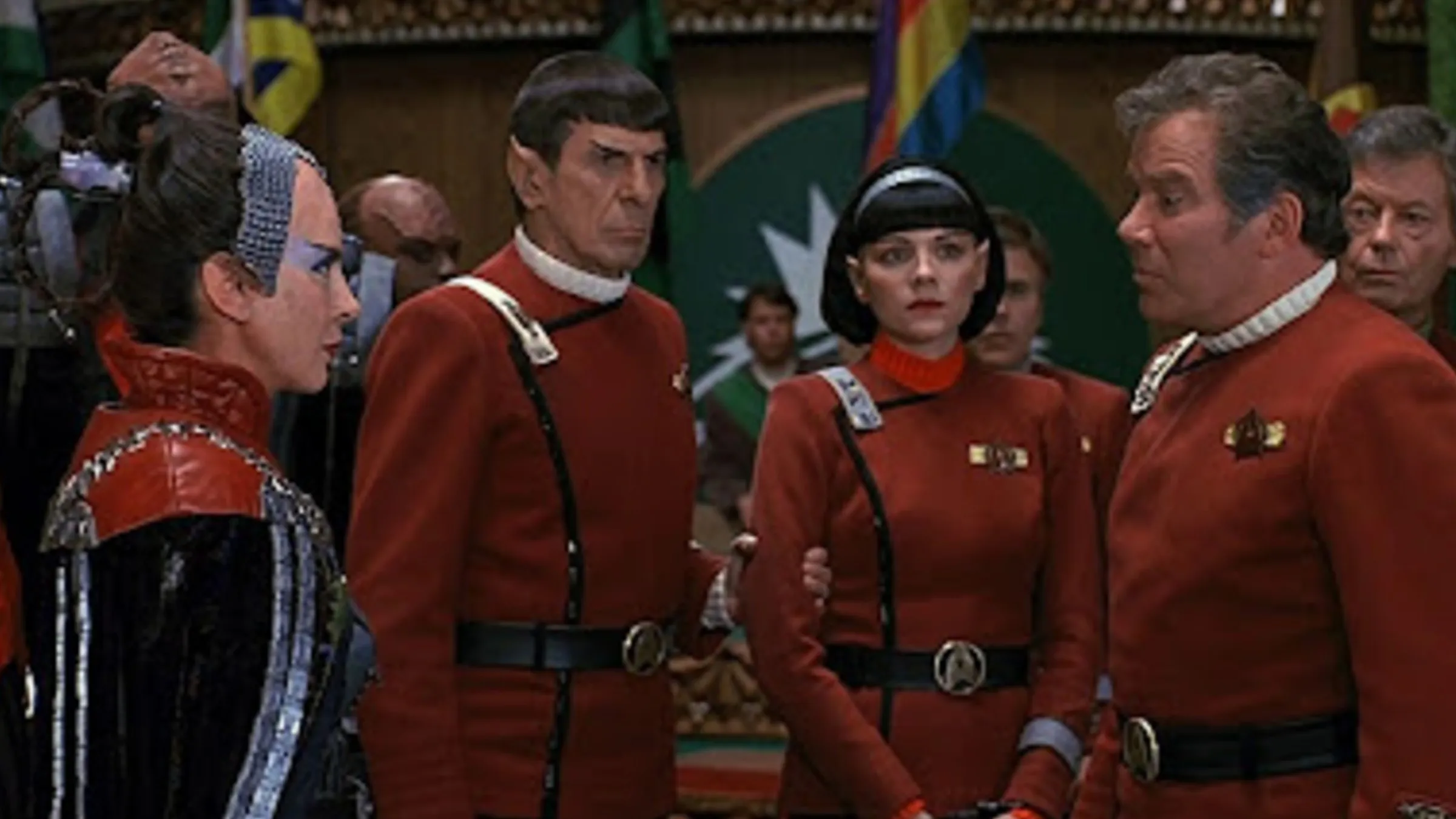
Okay, let’s talk Klingons! I was revisiting The Next Generation‘s ‘Redemption’ recently – you know, the big episode with Gowron becoming Chancellor – and a line really jumped out at me. He flatly states that women can’t serve on the High Council. Now, while it feels… well, Klingon, to be honest, it doesn’t quite add up when you consider Star Trek VI: The Undiscovered Country. That movie showed us Chancellor Azetbur, a woman, way before ‘Redemption’ even aired! And then Discovery throws another wrench in things with L’Rell leading the Council centuries later. It gets even more confusing because Gowron actually offered K’Ehleyr a spot on the council at one point. Basically, it feels like the writers weren’t always keeping their own Klingon lore straight, and that inconsistency is pretty noticeable.
Is it truly possible for advanced societies to move backwards, undoing progress and embracing harsh, outdated rules? Considering the current state of global leadership, maybe it’s not so far-fetched after all. Could the challenges depicted in Star Trek have actually been predictions about our own future?
1. The Whole Twin Penis Thing
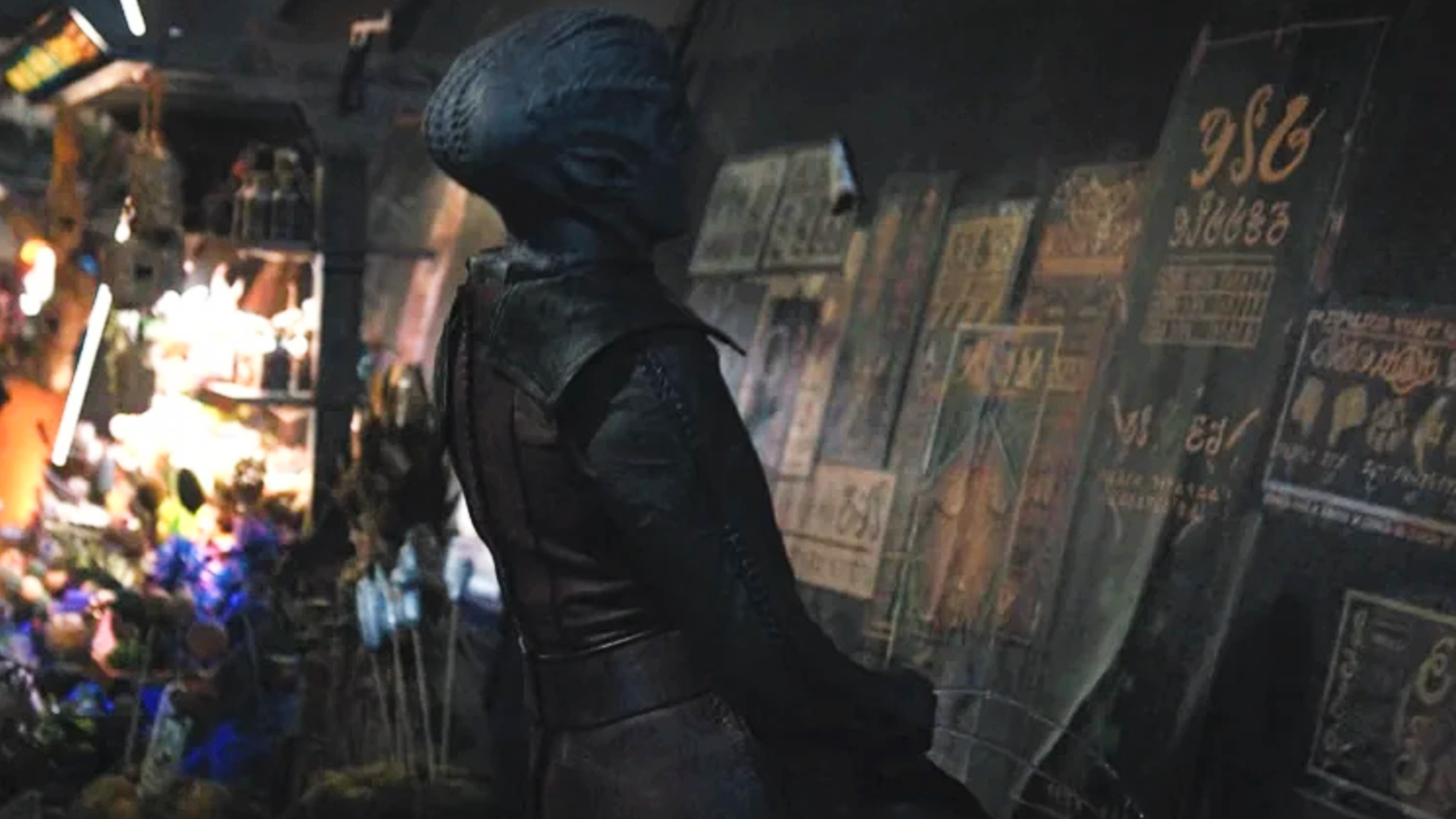
Klingons developed their distinctive physical features – like thick skulls and forehead ridges – specifically to improve their fighting ability. These weren’t just for appearance; they also evolved with backup organs, essentially providing spares that could be used if they were severely injured in battle. This clever adaptation was first shown in The Next Generation when Worf needed surgery, and it makes sense that their most vital organs would be protected in this way.
The idea of Klingons having two penises raises a lot of questions. It’s hard to believe that frequent penile injuries in combat would actually cause evolution in this way – how severe and common were these injuries supposed to be? Were they so damaging that a hit to the groin was instantly fatal? It all seems like an odd detail added just for shock value and to get people talking. And it’s now officially part of Star Trek lore, as seen in Star Trek: Discovery, which depicted a Klingon using both penises simultaneously, meaning they’re fully functional! At least it provided some amusement, right?
Read More
- Green Game Jam returns with 70 games teaming up to tackle the climate crisis
- Gold Rate Forecast
- PI PREDICTION. PI cryptocurrency
- USD BRL PREDICTION
- USD HKD PREDICTION
- Black Clover Confirms Special Chapter After Manga Finale
- Brent Oil Forecast
- DOGE PREDICTION. DOGE cryptocurrency
- Seven Snipers Review: A Sharpshooter Action Movie That Misses More Than It Hits
- EUR HKD PREDICTION
2026-06-14 19:25