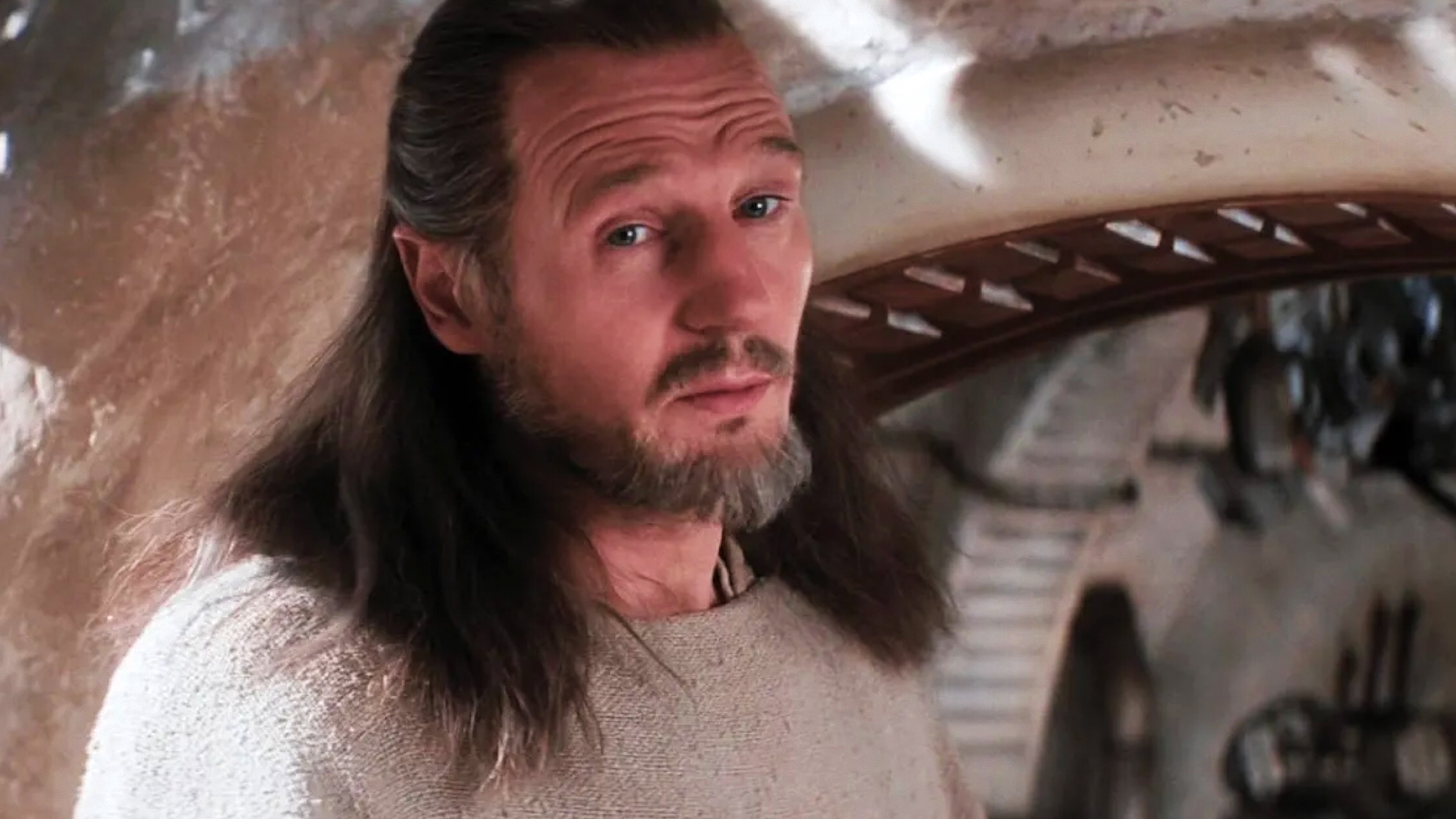
The Jedi have always been central to the Star Wars story, but we learned most of what we know about them – and the Jedi Order itself – through the prequel films. While A New Hope first introduced elements like lightsabers, Obi-Wan Kenobi, and the Force, and The Empire Strikes Back expanded on their history with Yoda, it was Star Wars: Episode I – The Phantom Menace that truly revealed the details of the Jedi.
The world of Star Wars, through both its films and shows like The Clone Wars and Rebels, has increasingly delved into the lore of the Jedi. However, despite all this added backstory, many aspects of the Jedi remain confusing—and surprisingly, some of these inconsistencies appear even in the prequel movies, which were meant to expand our understanding of the Jedi Order, the Force, and their history.
The Council Changed Its Mind About Anakin Just Because Qui-Gon Died
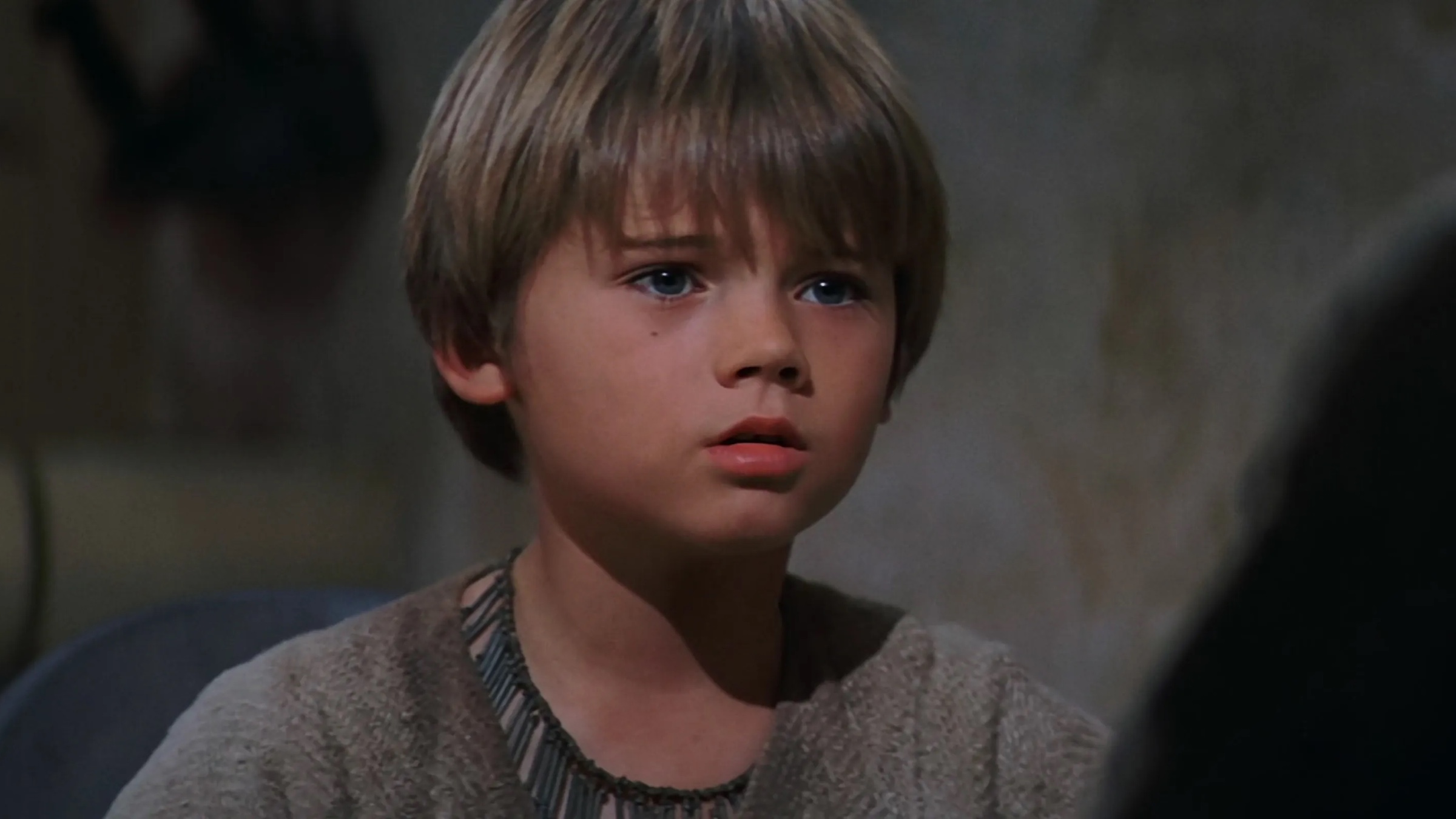
Although the Jedi Order wasn’t fully explored until The Phantom Menace, the movie quickly explained its structure, rules, and customs. One key detail revealed was that the Jedi preferred to train very young children, believing that older children’s existing family connections could be problematic. This creates a contradiction, because it doesn’t quite add up that Qui-Gon Jinn would be so determined to train Anakin, or that the Jedi Council would eventually agree, given their established preference for younger recruits.
Qui-Gon believed Anakin was the Chosen One and deserved Jedi training, but his insistence on teaching him – even if it meant leaving the Jedi Order – was unusual. Even stranger, the Jedi Council initially refused to train Anakin because he was too old, then suddenly changed their minds after Qui-Gon’s death. This decision proved disastrous for the Jedi, and it doesn’t make sense that they reversed course simply due to a loss, especially considering attachment is something Jedi are meant to avoid.
The Jedi Forbid Attachment Rather Than Teaching Jedi To Let Go
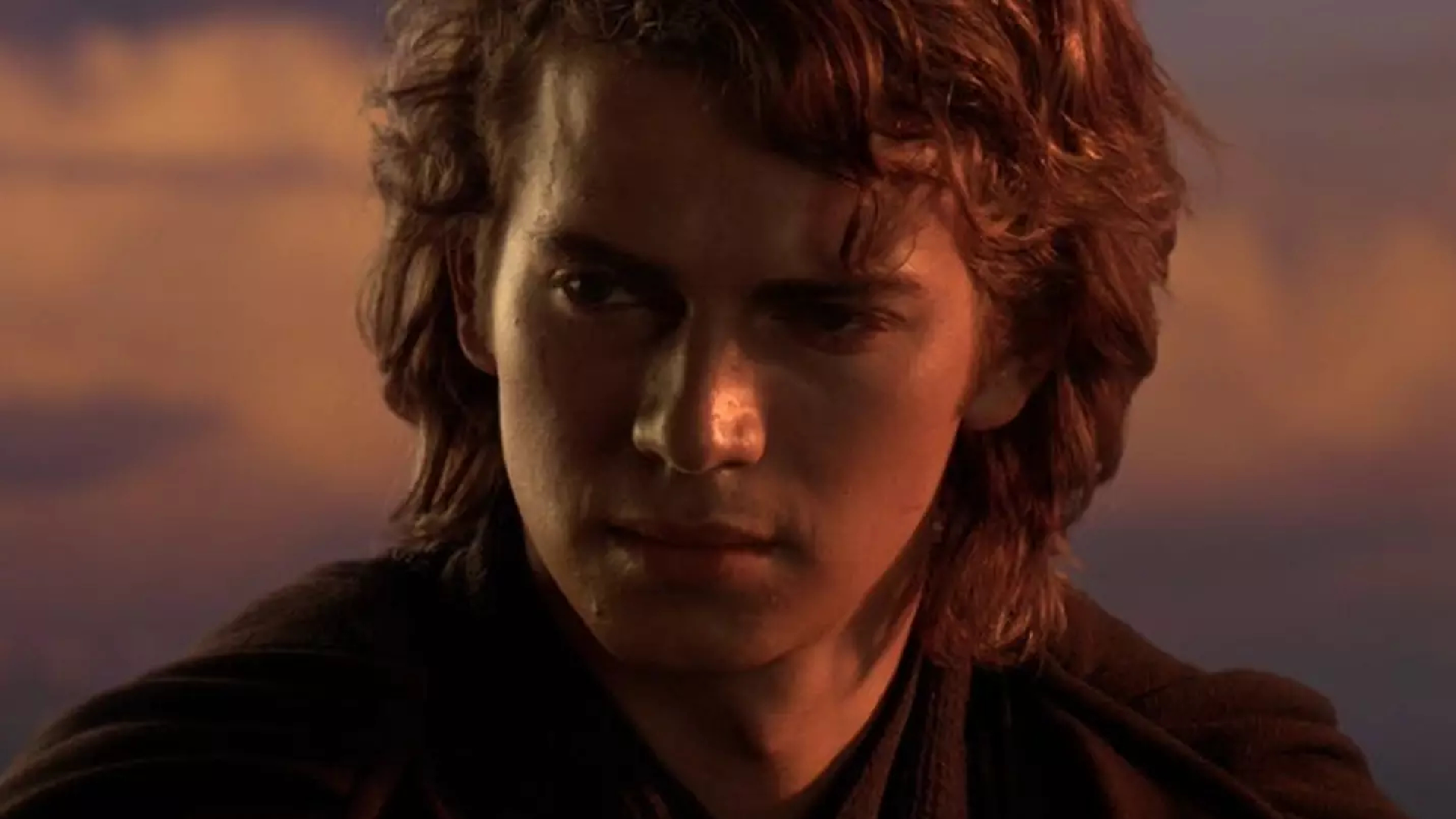
The Jedi Order discouraged close relationships, whether with family, lovers, or anyone else. This was a major problem for Anakin Skywalker; he had strong ties to his mother, as the Jedi Council predicted, and also fell in love with Padmé Amidala. His story partly explains why the Jedi held this belief. However, simply forbidding attachments seems like an oversimplified and ultimately unhelpful solution to a complex issue.
The Jedi’s rule against attachments wasn’t a solution, but rather a way of avoiding the problem entirely. By forbidding relationships and taking children away from their families at a young age, they simply sidestepped the potential dangers of attachment. A better approach would have been to teach Jedi how to navigate relationships without letting fear dictate their actions. Jedi like Kanan Jarrus demonstrated that healthy attachments were indeed possible, even within the Jedi Order.
Their Definition Of “Balance” In The Force Takes Major Liberties
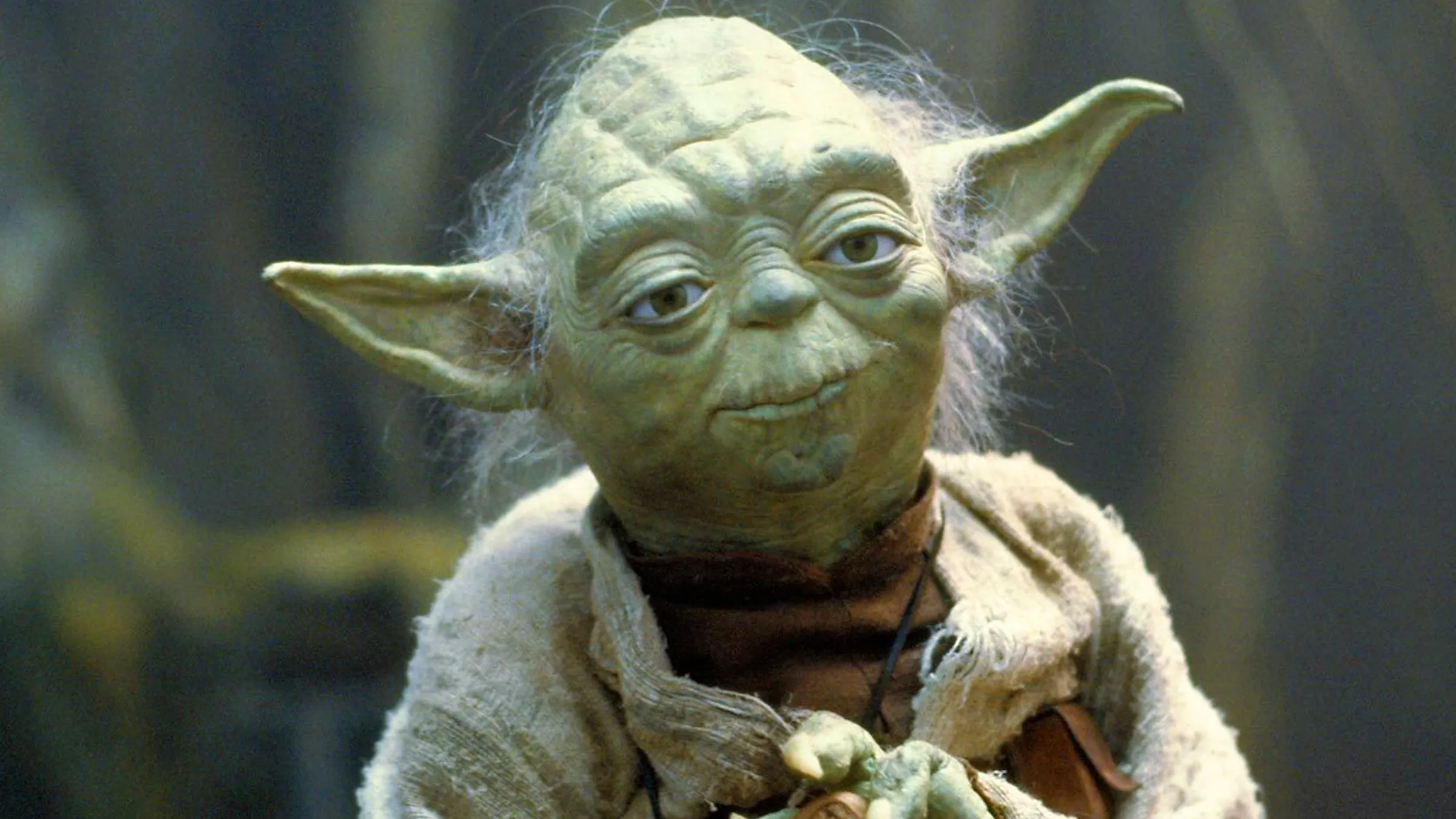
The prophecy of the Chosen One was so significant because it foretold someone who would bring “balance” to the Force. While what “balance” truly means isn’t clearly explained in Star Wars, it’s evident that the Jedi Order’s understanding of it was their own interpretation, not necessarily what the original prophecy intended.
The original Chosen One prophecy wasn’t about wiping out the Sith or the dark side. As revealed in Claudia Gray’s novel Master & Apprentice, the prophecy actually stated: “A Chosen One shall come, born of no father, and through him will ultimate balance in the Force be restored.” This shows that the Jedi misinterpreted the prophecy – and then treated their interpretation as if it were a confirmed truth, which goes against their principles.
The Jedi Weren’t More Suspicious Of The Clones
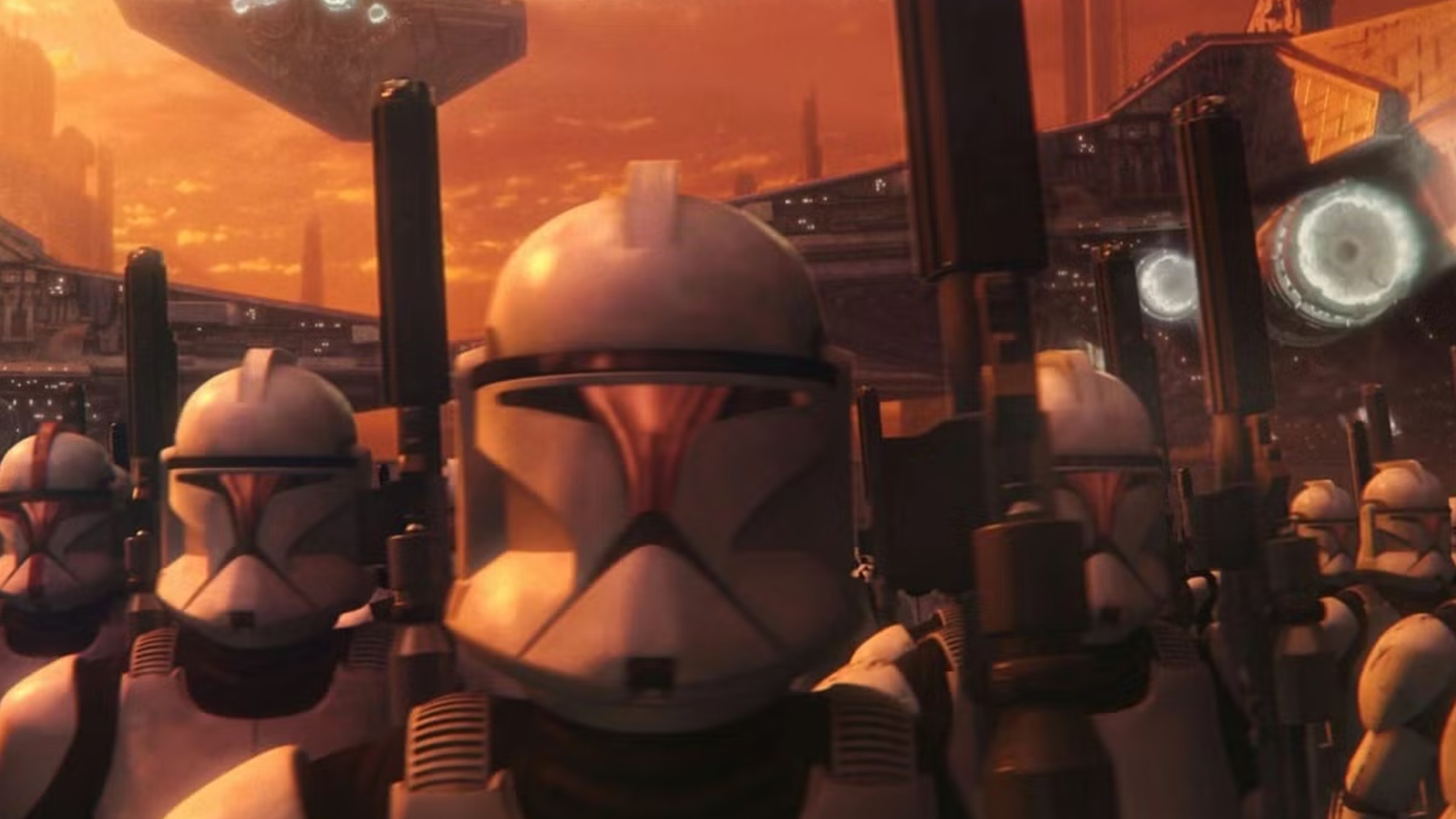
People often criticize the Jedi from the prequel trilogy for not realizing a Sith Lord was manipulating them for years. However, there are good reasons why they might have missed it – Palpatine could have been using the Force power of concealment to hide his true nature. While that explains part of the mystery, it’s still puzzling why the Jedi so easily accepted the clone troopers into their ranks.
As a huge Star Wars fan, it always struck me how the Jedi fell so completely. It wasn’t just Palpatine’s doing, though – it was almost like they let themselves be tricked by a galactic Trojan Horse! The clone army, seemingly offered as help during the Clone Wars, was ultimately designed to execute Order 66. But honestly, I think the Jedi bear some responsibility too. They readily accepted this entire clone army, built under incredibly shady circumstances and populated by soldiers who weren’t exactly making their own choices. It was a huge gamble, and it backfired spectacularly.
The Jedi Truly Were Blinded By Hubris
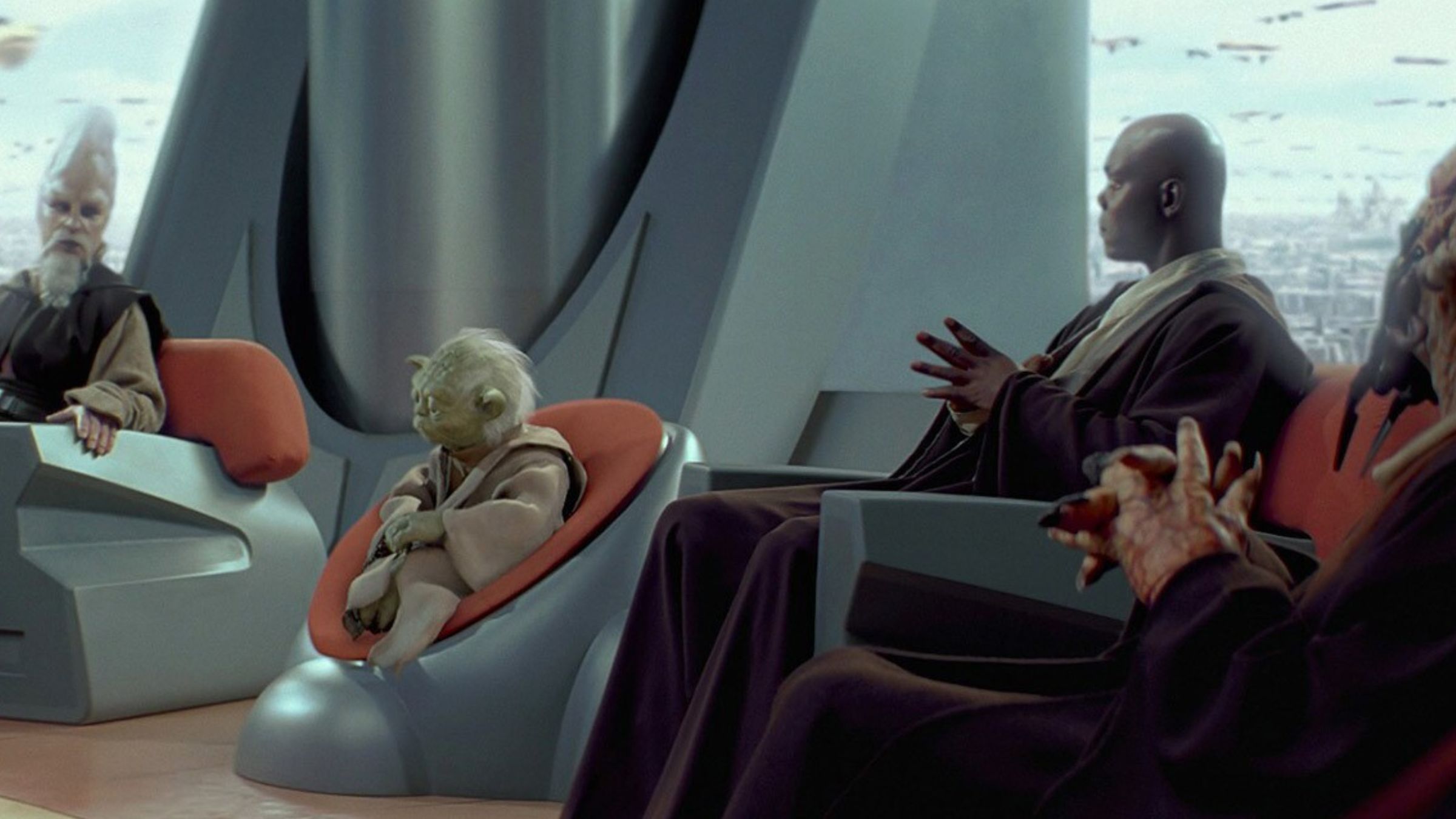
Even though many fans disliked Luke Skywalker’s criticism of the Jedi Order in Star Wars: The Last Jedi, he had a point. The Jedi were often arrogant and self-assured, which may explain why they readily accepted clone troopers and is a recurring theme throughout the prequel films and series like The Acolyte.
A major flaw with the Jedi’s overconfidence was their complete lack of backup plans. They were caught completely off guard by both the Sith’s return and Order 66, and this unpreparedness ultimately led to their downfall. While the Jedi remain heroes in the Star Wars story, their failure to plan for the unexpected is arguably their most devastating weakness.
Read More
- Green Game Jam returns with 70 games teaming up to tackle the climate crisis
- PI PREDICTION. PI cryptocurrency
- Gold Rate Forecast
- EUR CNY PREDICTION
- USD BRL PREDICTION
- USD TRY PREDICTION
- Seven Snipers Review: A Sharpshooter Action Movie That Misses More Than It Hits
- Black Clover Confirms Special Chapter After Manga Finale
- EUR HKD PREDICTION
- USD HKD PREDICTION
2026-06-13 00:42