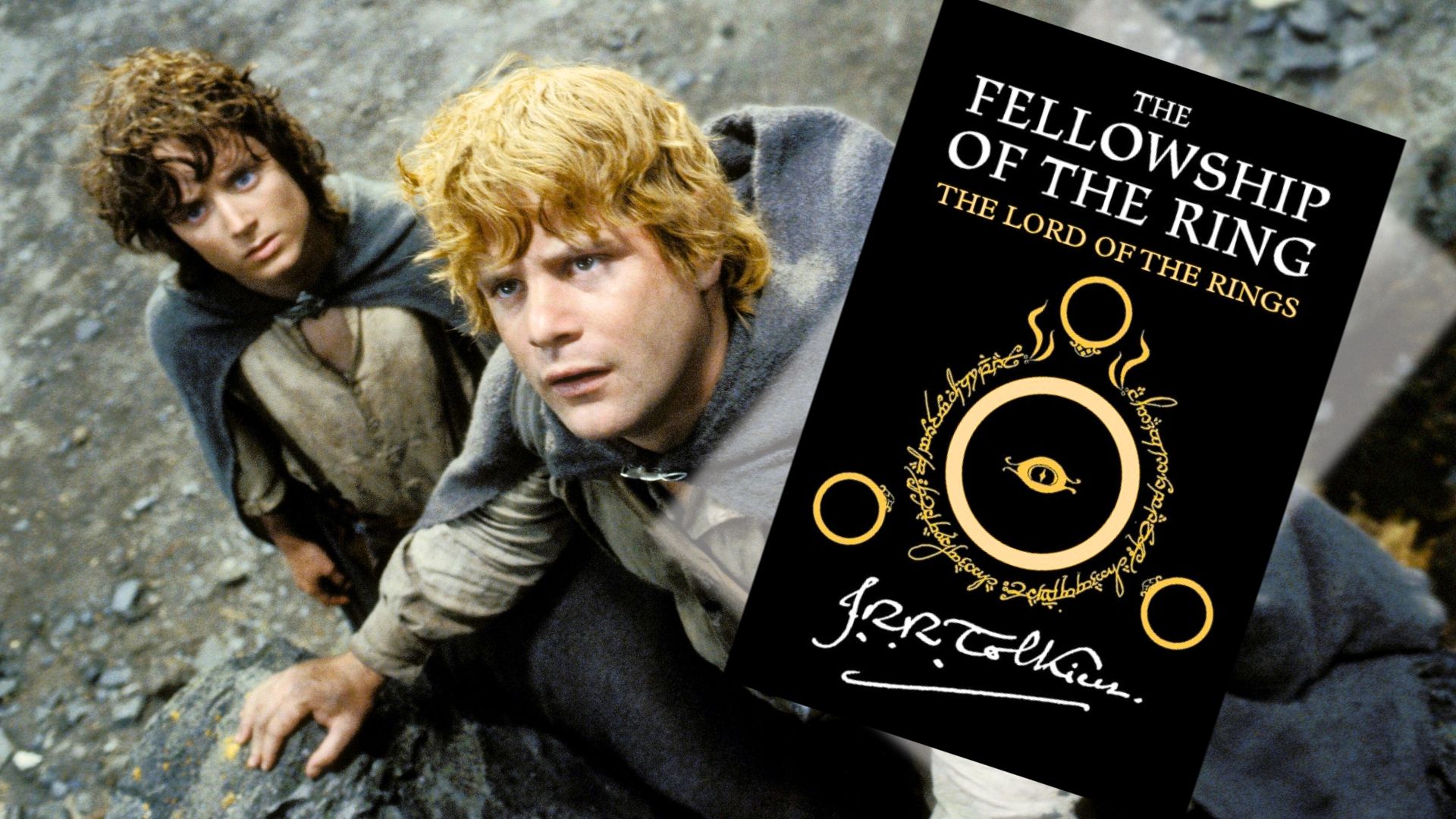
Fans of The Lord of the Rings are likely stunned by the recent news of Stephen Colbert’s upcoming sequel. Any new movie set in Middle-earth is sure to spark debate, as we’ve already seen with the planned 2027 release of The Hunt for Gollum. However, continuing the story beyond the events of The Return of the King and exploring the Fourth Age feels particularly bold. J.R.R. Tolkien did offer some glimpses of what happened after the War of the Ring in the book’s appendices, but he ultimately abandoned his sequel novel, The New Shadow.
Many will ask, “What makes late-night host Stephen Colbert think he can explore territory Tolkien himself found too depressing?” Well… he is, and he isn’t. From what we know about the planned movie, this isn’t so much the sequel Tolkien had in mind, but a story derived from the confirmed notes of the appendices and abandoned chapters of The Fellowship of the Ring, which weren’t included in the movie adaptation. This means the appearance of Tom Bombadil, as well as the chapter, “Fog on the Barrow-downs.” The plot synopsis can be read below:
Fourteen years after Frodo’s death, Sam, Merry, and Pippin revisit the places where their great adventure first started. At the same time, Sam’s daughter, Elanor, uncovers an old secret that suggests the War of the Ring could have been lost much earlier than anyone realized, and she’s determined to find out why.
‘The Shadows of the Past’ Will Revisit Everything We Know About Frodo Baggins
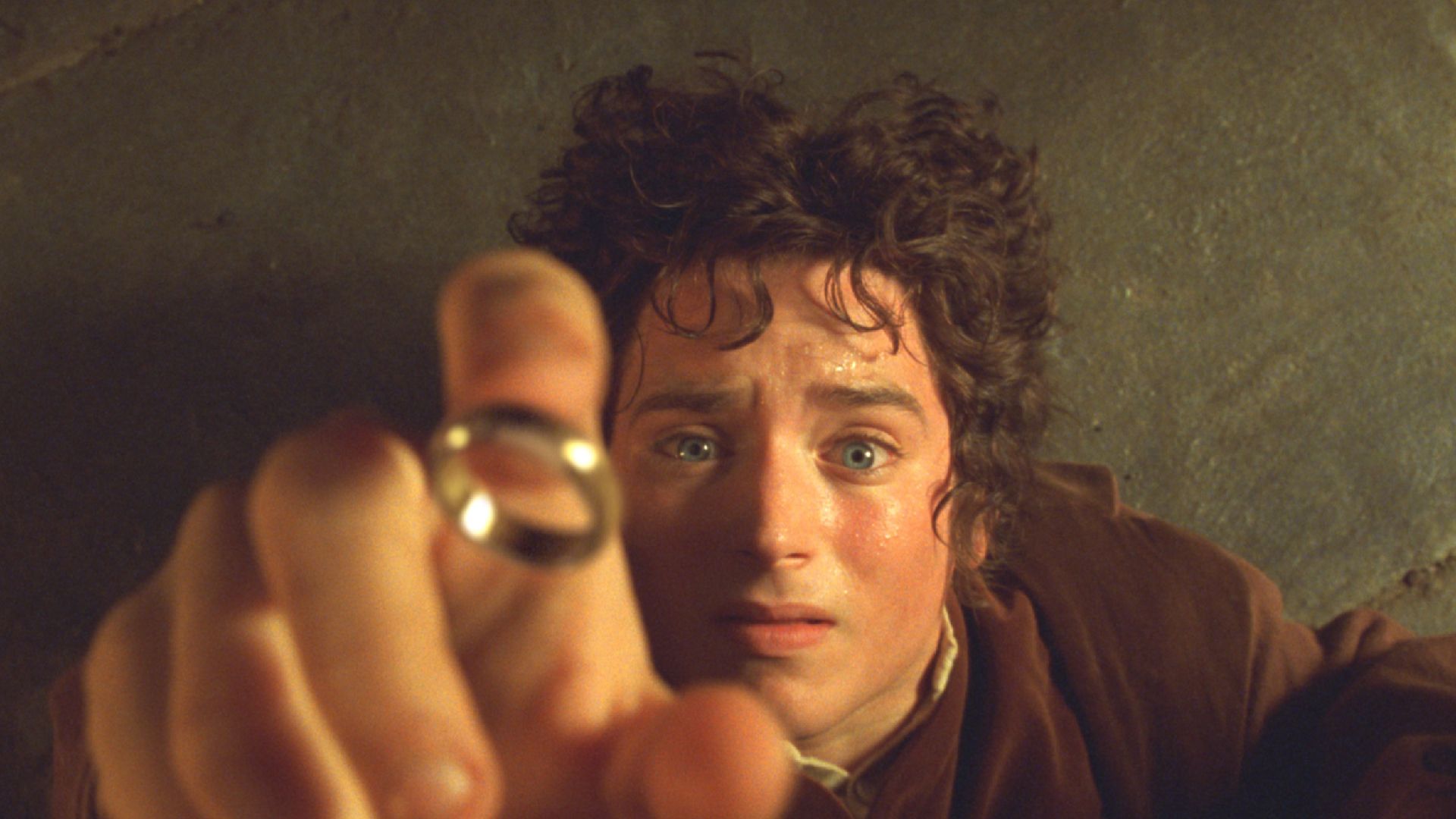
The concept of a long-hidden secret is particularly intriguing, and if this story draws from Tolkien’s world, clues to it probably lie within The Fellowship of the Ring. Looking at those chapters, a likely moment when everything almost went wrong is when Frodo and the Hobbits are captured by a Barrow-wight and entombed. The spirit renders them unconscious with a chilling touch and places them on stone slabs inside a burial mound. Frodo briefly considers using the One Ring to escape alone, leaving his friends to face certain doom.
The story description suggests this is when the secret is revealed. It mentions Frodo’s eventual death, creating a sense of sadness, and describes the secret as “buried,” which fits with the scene taking place underground.
Frodo’s continued determination in this scene reveals more about who he is than the possibility of being betrayed. However, within a story celebrated for its strong friendships and Hobbit camaraderie, this moment is a surprisingly bleak reminder of the immense evil Frodo must face. It’s also worth noting that audiences have often been critical of the choices Frodo makes throughout the films.
We don’t know the exact date Frodo died. While some believe it was fourteen years after he sailed to Valinor, it’s unclear if that timeframe is meant to be precise or why fourteen years is significant.
Frodo’s farewell at the end of The Return of the King is always a moving, yet sad, ending to the story. However, it can be hard to truly understand his struggles unless you’ve gone through something similar. It’s not surprising that many people still consider Samwise Gamgee the true hero, because of his constant kindness and devotion. This makes the intensely emotional and confined scene that the movies left out even more significant. I think Stephen Colbert will use this moment to explore the deeper meaning of Frodo’s journey and what he symbolizes in The Lord of the Rings.
I envision The Shadows of the Past having a mournful and reflective feel. It won’t be a story focused on a surprising new plot twist – think less about Sauron’s return and more about the Hobbits looking back on their journey with Frodo. It’s a film about them truly understanding their friend, the burdens he carried, and the reasons he ultimately left Middle-earth. This movie has the potential to finally settle the debate over which Hobbit was the real hero, and to show fans what J.R.R. Tolkien’s view of Frodo truly was.
Who Is the “Hero” of ‘The Lord of the Rings’?
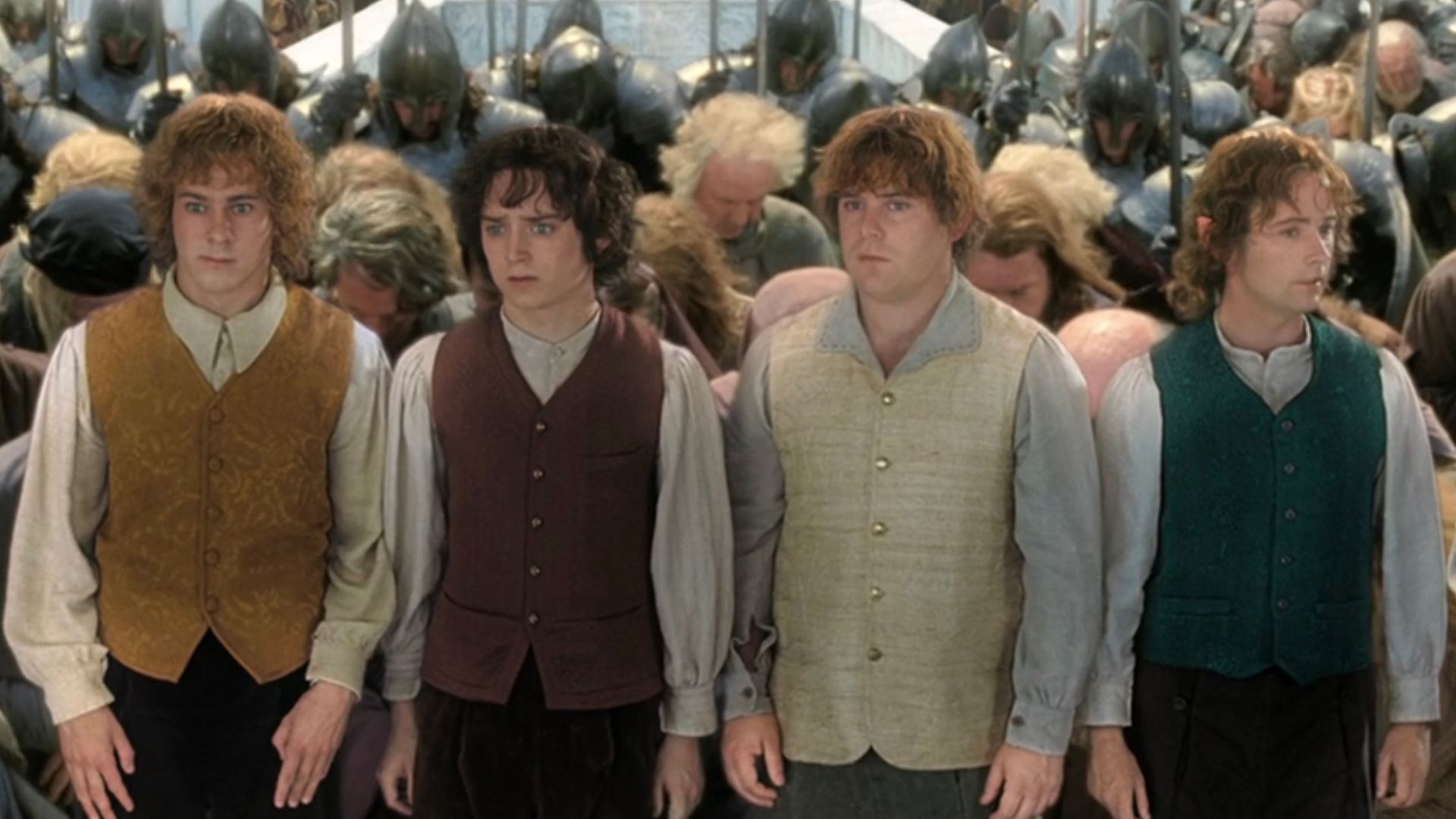
A common belief among fans of the Lord of the Rings movies is that Frodo is a weak character and Sam is the real hero who would have definitely destroyed the One Ring. This idea is often supported by quotes from J.R.R. Tolkien himself, specifically Letter 131 where he calls Sam the “chief hero.” However, Tolkien mainly used this term to highlight Sam’s simple, rural background compared to Aragorn’s noble birth. Even if we interpret the quote as a comparison between Sam and Frodo, it’s still misleading.
In Letter 192, Tolkien explores why Frodo couldn’t destroy the One Ring, calling the final moment too difficult for any mortal. He argues that Frodo’s initial goodness, not his ultimate failure, is what truly matters. Tolkien clarifies that Frodo didn’t fail morally; instead, his compassion towards Gollum created the opportunity for the quest to succeed. While Sam might have acted similarly, Tolkien notes that it wasn’t his place to do so.
It’s not that Frodo isn’t a hero, or that Sam isn’t one either. Tolkien calls Sam the main hero because the idea of a single hero in The Lord of the Rings is a bit misleading – there are many heroic characters. Sam gets to truly be the hero because he isn’t burdened by the Ring. Frodo’s journey prevents him from fitting the traditional hero mold that people often associate with Sam. If they switched roles but still succeeded, things would change, but the basic heroic dynamic would remain. Whoever carries the Ring will always be affected by its power, meaning they can’t be blamed for any moral failings. As historian Lord Acton famously said, “Absolute power corrupts absolutely.” So, while Sam might be the hero in this story, it doesn’t diminish Frodo’s role as a tragic figure who sacrifices everything.
Revisiting the story of The Shadows of the Past, particularly the events in “Fog on the Barrow-downs,” reveals a difficult internal battle Frodo Baggins faced, one that might seem unforgivable at first glance. Even those closest to him, reading about it in the Red Book of Westmarch, could struggle to understand the overwhelming evil he confronted. This hidden struggle forces Elanor, Sam, Merry, and Pippin to reconsider Frodo’s character and the challenges he always carried. While not as epic in scale as the journey to destroy the Ring, this story aims to offer a deeper understanding of Frodo and Sam’s relationship, highlighting the complexities between them.
During a 2016 appearance on The Late Show with Stephen Colbert, the host revealed his favorite Lord of the Rings character is Sam, calling him “the real hero.” Colbert pointed out something Tolkien himself acknowledged: Frodo never truly wanted to destroy the One Ring. As evidence, Colbert referenced the moment Frodo couldn’t even throw the Ring into his own fireplace when Gandalf asked him to. Although this story is told humorously, it reflects a deeper understanding of the entire quest. The book, The Shadows of the Past, argues that Frodo’s success was never possible – the quest was fundamentally impossible from the start.
Read More
- Pluribus Star Rhea Seehorn Weighs In On That First Kiss
- Kelly Osbourne Slams “Disgusting” Comments on Her Appearance
- Looks Like SEGA Is Reheating PS5, PS4 Fan Favourite Sonic Frontiers in Definitive Edition
- Arknights: Endfield – Everything You Need to Know Before You Jump In
- ’90s Cartoon Reboot & TMNT Connection!
- ‘Marty Supreme’ Ending, Explained
- Goat 2 Release Date Estimate, News & Updates
- Gold Rate Forecast
- Dune 3 Gets the Huge Update Fans Have Been Waiting For
- Hideo Kojima Says He Was Never Told About The Matrix Creators Wanting Him to Make a Game
2026-04-01 02:04