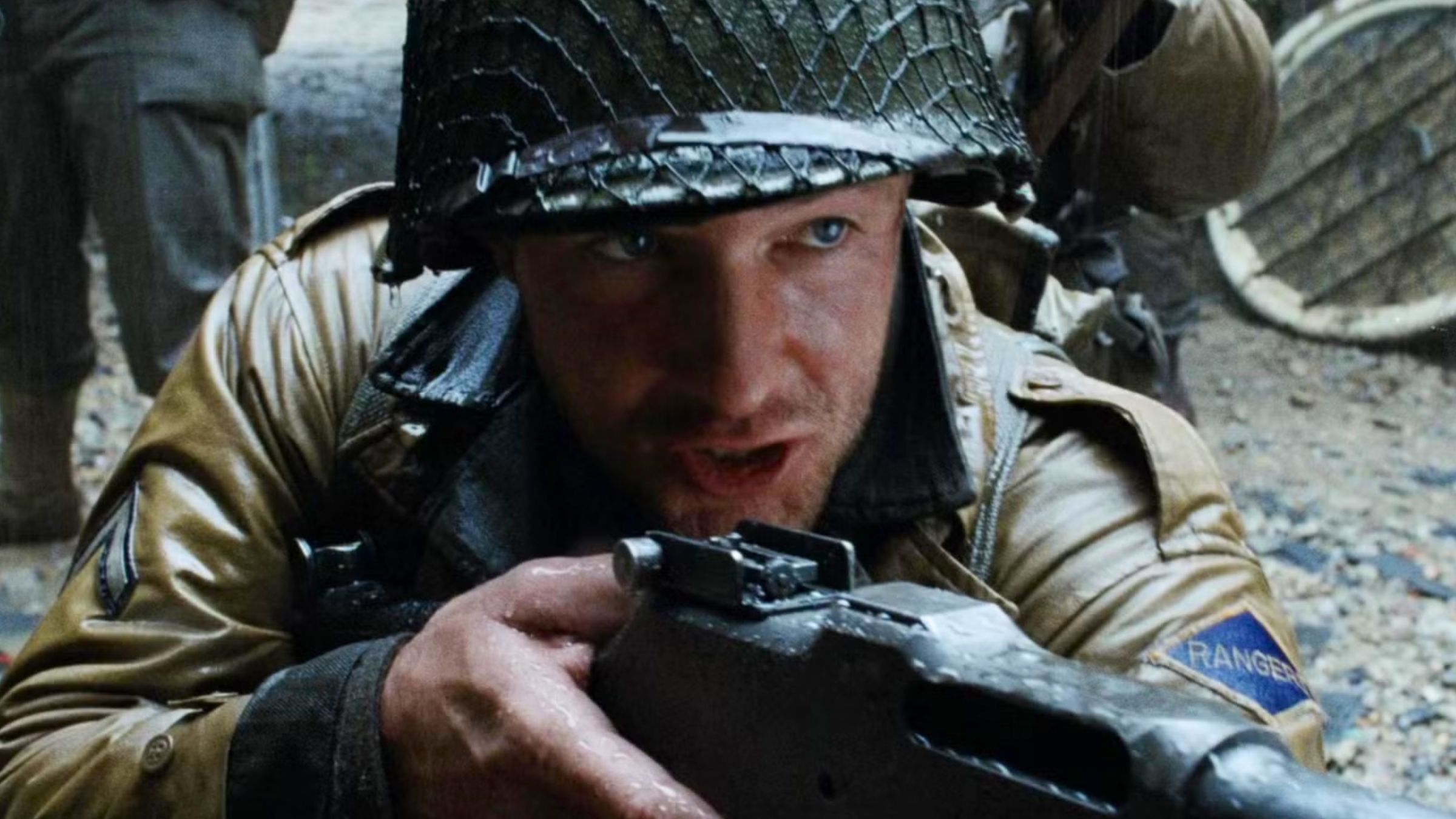
As a movie buff, I’ve always been fascinated by films that really push boundaries. There was this war movie from the late ’90s that was already generating Oscar buzz even before it came out – people thought it could be a classic of the genre, especially because of the director involved. But it was also incredibly controversial. Everyone wondered if audiences were ready for what it showed. The studio was nervous, asking for scenes to be trimmed, and there was a huge debate about what rating it should get. It was a real tightrope walk just getting it made, honestly.
Here’s the surprising thing: the director wouldn’t compromise his vision at all. He could have easily trimmed some scenes or softened certain parts to ensure a more conventional release. But he chose to stand his ground, a bold move for any director in Hollywood, and it ultimately made the film better.
Saving Private Ryan Caused Major Controversy Before Its Release
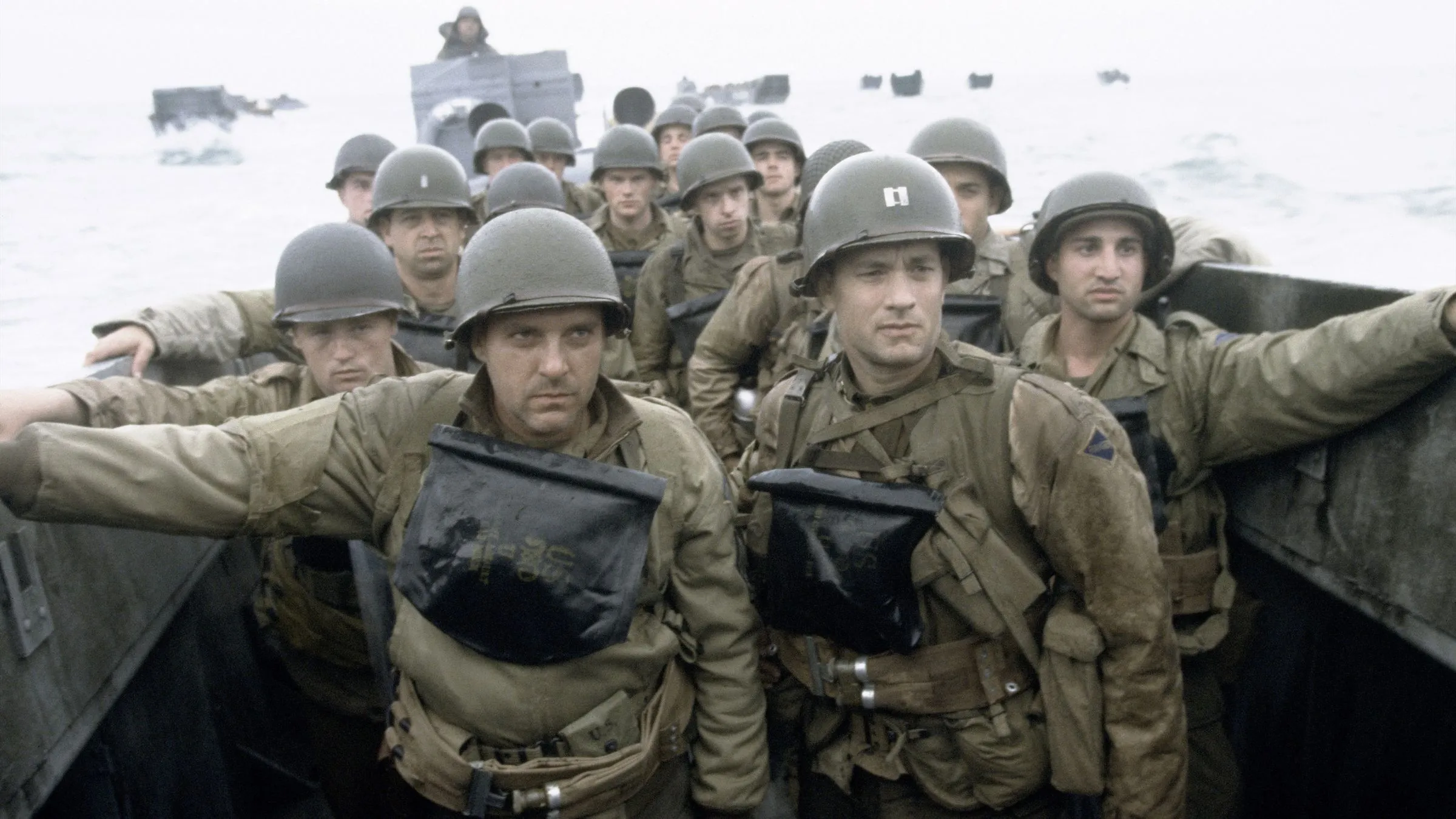
If you enjoy war films, you’ve likely seen Saving Private Ryan. Even if you haven’t, it’s a well-known movie that had a big impact on filmmaking. The story centers on Captain John Miller (Tom Hanks) and his team as they search for Private James Ryan (Matt Damon), whose three brothers have already been killed in World War II. The army wants to bring Ryan home to his mother before she learns she’s lost all her sons. While this idea could have easily become a typical, feel-good patriotic story, we can be thankful Steven Spielberg directed it, as the final result is something truly special.
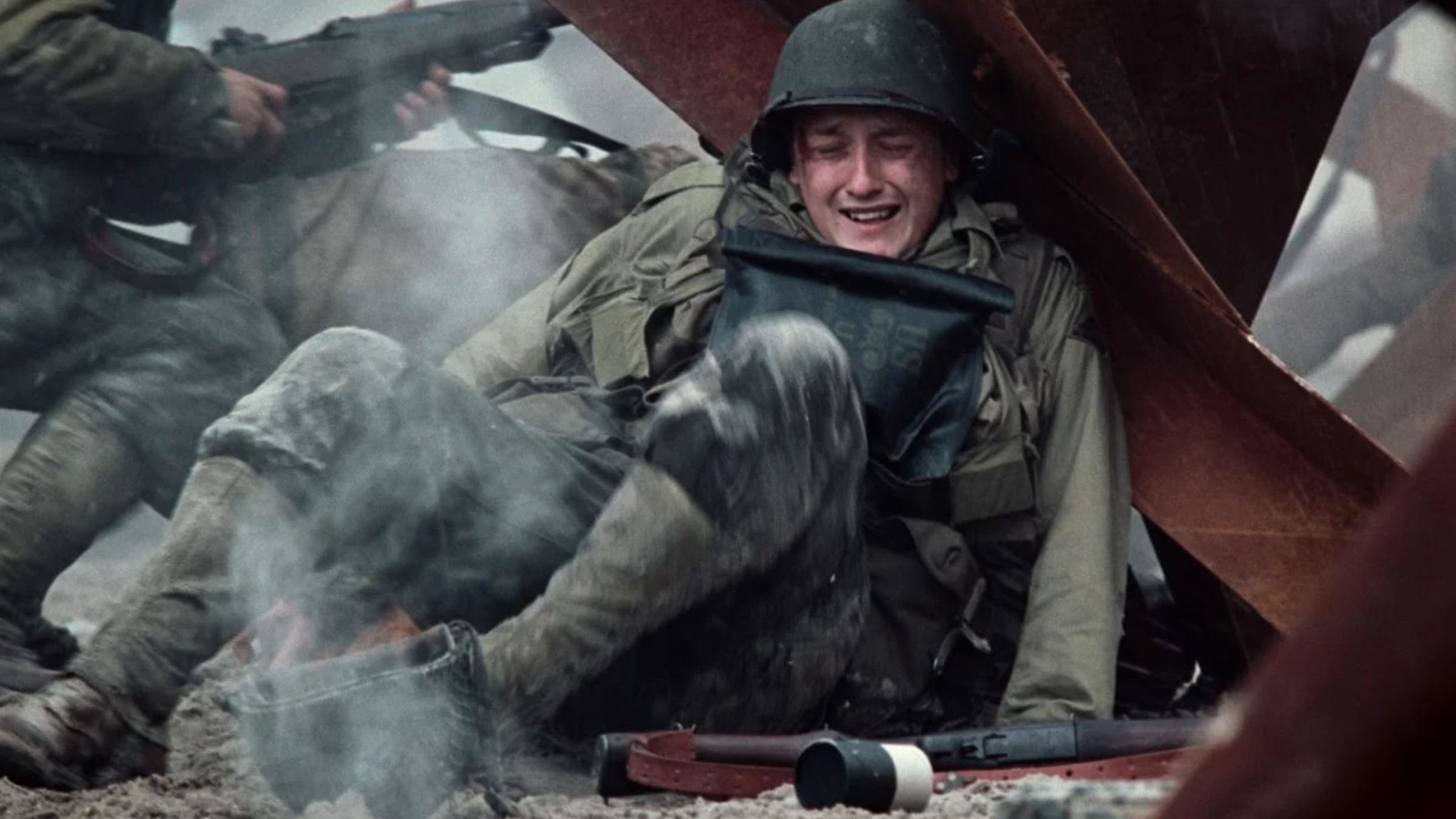
Everyone agrees that what made Saving Private Ryan so memorable wasn’t simply the story of the rescue, but how the director showed the world around it. Right from the start, the film made it clear it wouldn’t glorify war or portray soldiers as invincible heroes. It plunges viewers directly into the intense chaos of D-Day and the Omaha Beach landing, with no build-up. Soldiers are dying, bullets are flying, explosions are happening constantly, and the battlefield is covered in blood. The film’s intention is to give audiences a raw, realistic sense of what war truly feels like.
That scene is now famous, but back in 1998, it was a surprisingly bold move for a big-budget movie. While war films often showed violence, it was typically presented in a somewhat restrained manner. Spielberg, however, went much further, depicting graphic injuries, amputations, and the constant fear and death experienced by soldiers. This felt far more realistic to actual combat, and understandably, it made audiences uneasy.
Everyone in the film industry wondered how the movie would be accepted. DreamWorks, one of the studios involved, understood they were investing in a costly and daring project, but they worried the intense violence might turn audiences away. Now, many people have grown up watching shows like Band of Brothers, The Pacific, 1917, and numerous others inspired by Saving Private Ryan. However, back in 1998, this film wasn’t part of an existing trend – it started the trend, and was truly groundbreaking.
The film also faced issues internationally, with censorship boards in various countries finding its content too strong for public viewing. Usually, studios resolve this by making a few edits and releasing a modified version. However, Spielberg refused to compromise, believing the violence was crucial to the story’s impact. He felt accurately portraying the horrors of war was essential, and that softening those scenes would diminish the film’s message – a view shared by many veterans he consulted.
When people began asking for changes to the film, he immediately refused. This refusal sparked a worldwide debate about censorship. In the U.S., the movie received an R rating, but the biggest conflict occurred in Malaysia. Officials there requested cuts due to violent scenes, and because Spielberg wouldn’t comply, the original version of Saving Private Ryan wasn’t shown in the country then. India also had concerns, but ultimately, high-level political intervention allowed the uncut film to be released.
The backlash continued for years. In 2004, many local ABC stations refused to broadcast the film on Veterans Day, worried about fines due to its violence and strong language. However, their agreement with ABC required them to show the movie without any cuts, so the full version aired. Ultimately, regulators decided not to fine the network.
Interestingly, the debate surrounding Spielberg’s commitment to realism actually clarifies why Saving Private Ryan became the most important war film of its time, and continues to be considered the genre’s benchmark nearly thirty years on.
How the Movie Ultimately Proved Steven Spielberg Was Right
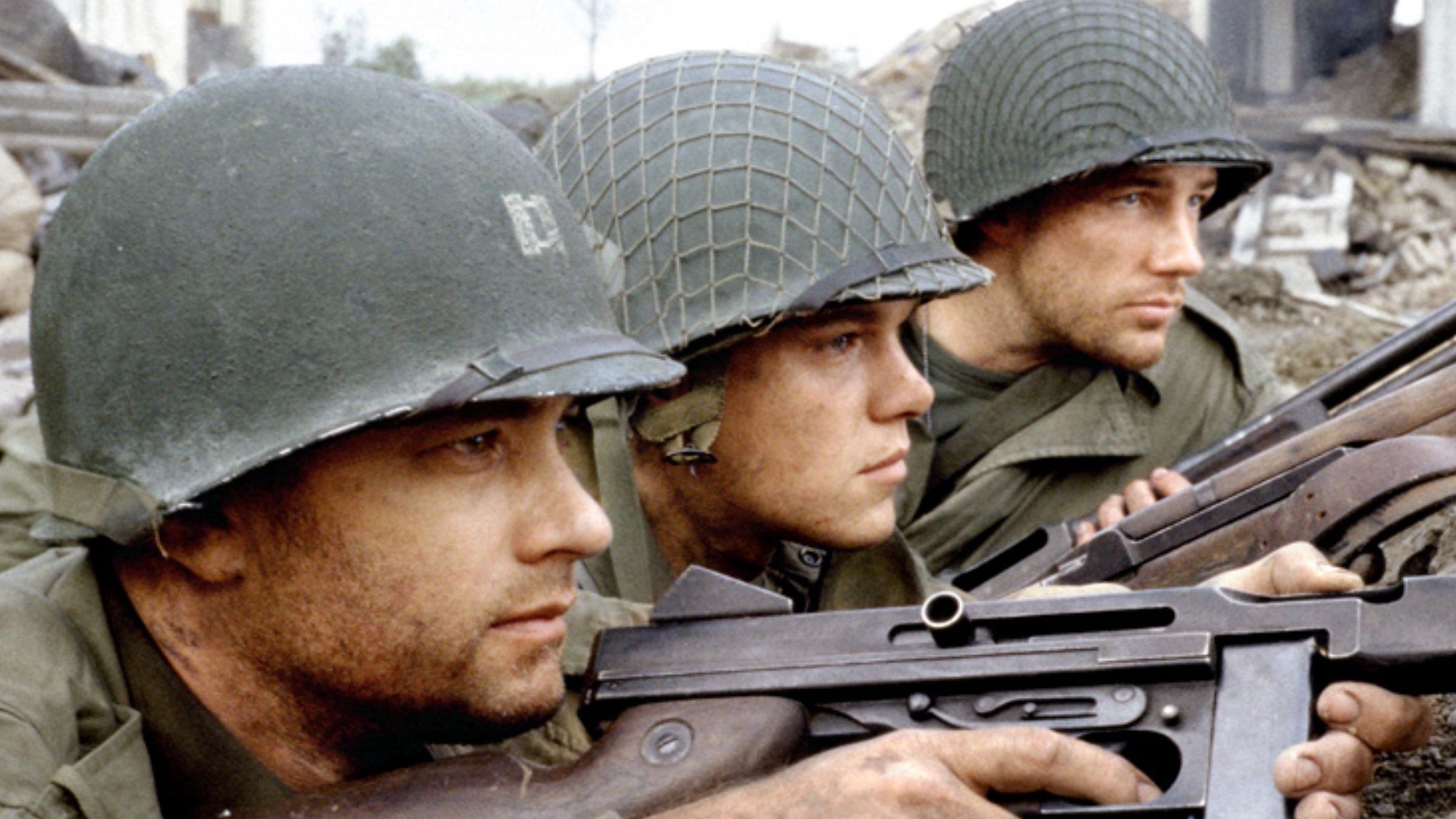
Many war movies aim to show the horrors of conflict, but few truly make audiences feel those horrors. Viewers often watch these films with a sense of detachment, but Steven Spielberg believed cinema had the power to do more. Recognizing the unique capabilities of film as a medium, he wanted Saving Private Ryan to go beyond simply telling people about the brutality of war and instead show them what it was like. While some movies are just meant to entertain, others strive to deliver a powerful message.
It’s interesting to reflect on how the parts of Saving Private Ryan that were controversial when it came out in the late 1990s are now considered some of the most powerful and important scenes in war movie history. The landing on Omaha Beach wasn’t just a famous opening; it fundamentally changed how combat was filmed. After Spielberg’s film, it became difficult to show war as clean or overly glamorous without it feeling fake. He really raised the bar for how audiences expected war to be portrayed realistically, and that’s a significant achievement.
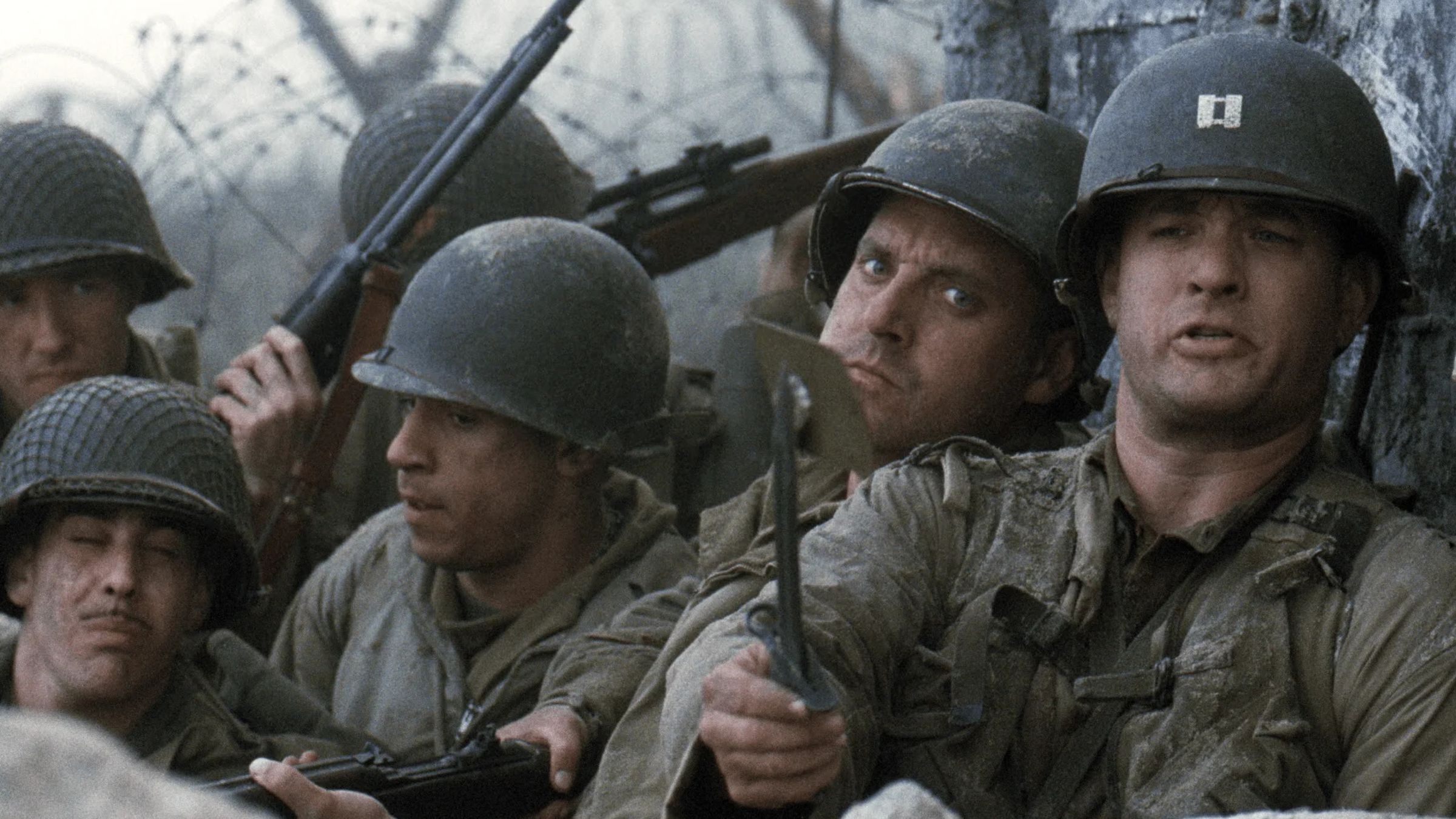
The film’s lasting impact comes from the way it makes the characters’ choices feel meaningful. If the D-Day landing scene had just been about shocking the audience, the movie likely wouldn’t be remembered as fondly. What truly makes it powerful is that it immediately shows the terrible human cost of war. This groundwork is crucial, because later, when Captain Miller’s squad argues about saving Private Ryan, the debate feels genuinely weighty – the audience already understands the value of each life in that brutal context.
Spielberg shifted his focus from grand displays to creating a deeply engaging experience, swapped straightforward storytelling for a more complex and realistic approach, and moved away from typical heroic characters to portray more flawed and relatable ones. Looking back after nearly thirty years, this change appears to be one of the most significant and impactful decisions of his career – and in the history of cinema.
Saving Private Ryan is available to stream on Paramount+.
Read More
- USD HKD PREDICTION
- SUI PREDICTION. SUI cryptocurrency
- USD TRY PREDICTION
- Gold Rate Forecast
- USD BRL PREDICTION
- USD CHF PREDICTION
- EUR CNY PREDICTION
- Aster’s June 9 Unlock: Will It Be a Smooth Sail or a Hot Mess?
- LEGO’s New 12,060-Piece Set Smashes a 5 Year Old Record (& It’ll Cost You $800)
- UNI PREDICTION. UNI cryptocurrency
2026-06-08 22:12