
The Joker is a hugely popular villain, but his familiar pattern of chaos can become repetitive. He’s undeniably one of the most iconic villains ever created, and his rivalry with Batman is a classic, appearing in many great stories over the years. Every writer seems to have their own Joker tale, which is both a testament to the character and a challenge. Because he’s so well-established, it’s hard to do anything truly new with him, and many stories fall into predictable patterns. While excellent Joker stories exist, bold and original interpretations are rare. A potentially groundbreaking take on the character was actually in development during a controversial period for DC Comics, but unfortunately, it was never fully realized.
DC’s New 52 initiative had a rocky start and ultimately didn’t succeed, but the Batman comic run (Vol. 2) by Scott Snyder and Greg Capullo (with contributions from James Tynion IV and Jock) consistently delivered quality stories. Their take on the Joker, beginning with hints in “Death in the Family,” reached a peak with the “Endgame” storyline. This arc felt like a fresh and exciting new direction for the character, bringing together plot threads from throughout the New 52. Unfortunately, the end of the New 52 meant those promising ideas weren’t fully explored, and the Joker’s stories eventually fell back into familiar patterns.
“Endgame” Felt Like It Was Taking Joker Into a More Horror-Oriented Direction
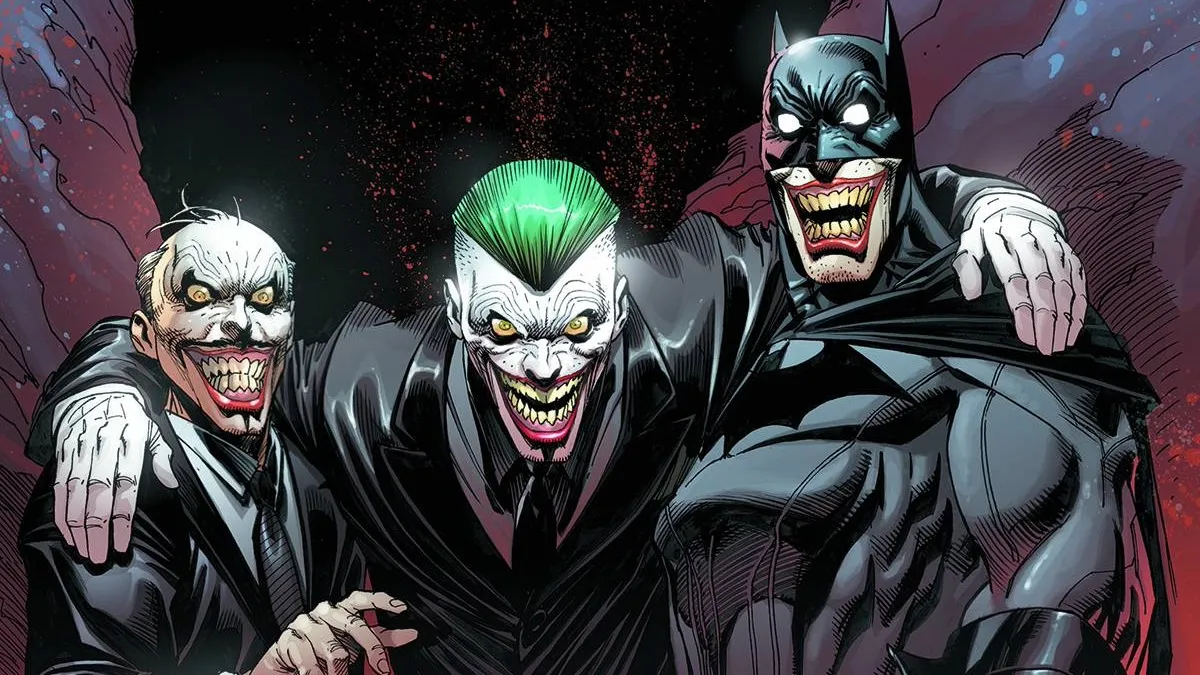
To grasp the Joker’s trajectory in the story, it’s important to know his history. An early issue of Detective Comics revealed the Joker’s face had been surgically removed and taken into police custody. Later, in the ‘Death in the Family’ storyline, a more dangerous and unstable Joker reclaimed his face, crudely reattached it, and launched a brutal attack on Batman’s allies, defeating them all before attempting to kill them. Though he ultimately failed and went into hiding, this led directly into the ‘Endgame’ storyline.
The story begins with the villain using Joker toxin to control the Justice League and turn them against Batman, and it quickly becomes very bizarre. Surprisingly, the Joker’s face is undamaged. Batman discovers clues suggesting the Joker might be the newest in a long line of similar killers who have plagued the city for centuries. It’s revealed that a river of dynosium flows beneath the city, possessing the power to heal and resurrect anyone submerged in it – much like the Lazarus Pit. Both Batman and the Joker are killed, but fall into the river, emerging with no memories. This leads into the ‘Superheavy’ storyline, which introduces Jim Gordon piloting a robotic Batman suit and the villain Mr. Bloom.
The villain eventually reappeared in the story, but as a fragmented version of his former self, with subtle hints that he wasn’t truly gone. It felt like the author was evolving the character into something truly terrifying, almost a cosmic force within Gotham – an idea other writers had touched on for years. This approach was reminiscent of a Joker storyline by Grant Morrison in Batman and Robin (Vol. 1), before the New 52 reboot, but with enough unique twists to keep it fresh and engaging.
When the New 52 comic book series ended, this storyline was dropped and never revisited. While Zack Snyder later included the villain in several of his other works – including Dark Days: The Forge, Dark Days: The Casting, Dark Knights: Metal, and to a lesser degree Dark Knights: Death Metal, as well as his Justice League run – the concept of the Joker as an immortal, centuries-old threat using dynosium was abandoned. It would have been a significant departure for the character, and it remains a potentially interesting path for future writers to explore.
A Change to the Joker Is Always a Good Thing
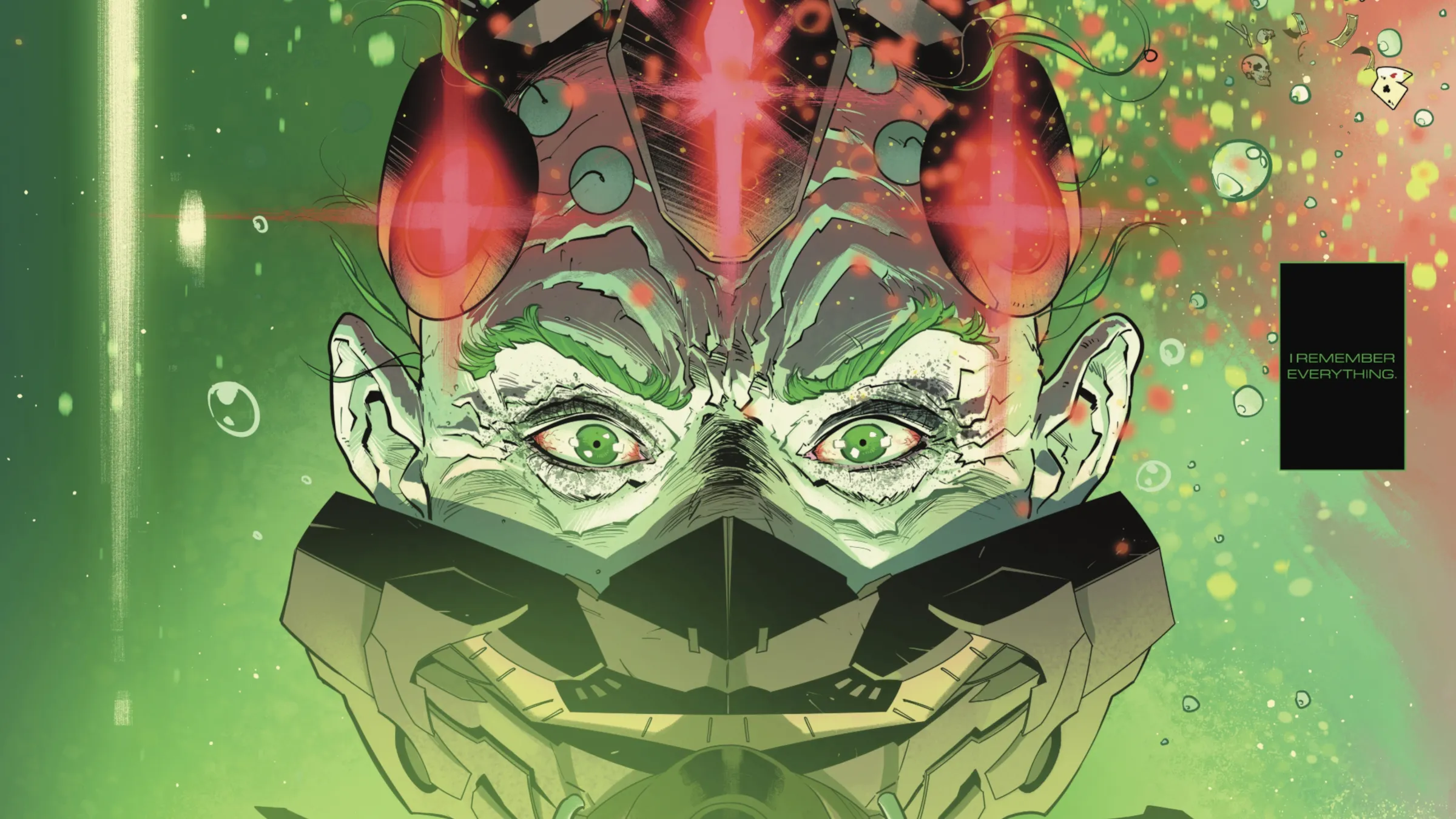
The Joker is a character who appears in a lot of Batman stories, and after a while, that can make him feel stale. While his best appearances are memorable, many stories simply repeat old ideas, presenting the villain in a way we’ve seen before without adding anything new. This is a problem for such a popular and important character. That’s why changes to the Joker, like the one in February 206’s Batman #7, generate so much excitement—fans are eager to see fresh and innovative takes on the character.
Early in the New 52 era, DC Comics appeared to be heading in a fresh direction, though it’s likely those changes would have been altered later on. Still, it was a promising start. Geoff Johns created a compelling version of the Joker and excels at horror, and he was skillfully utilizing those strengths with the character. It’s a shame this storyline was abandoned when DC Rebirth began and hints of the Three Jokers story started to emerge.
https://comicbook.com/comics/list/the-10-best-batman-stories-in-dc-comics-history/embed/#
Read More
- Looks Like SEGA Is Reheating PS5, PS4 Fan Favourite Sonic Frontiers in Definitive Edition
- Pluribus Star Rhea Seehorn Weighs In On That First Kiss
- Gold Rate Forecast
- Kelly Osbourne Slams “Disgusting” Comments on Her Appearance
- Dune 3 Gets the Huge Update Fans Have Been Waiting For
- Arknights: Endfield – Everything You Need to Know Before You Jump In
- Tomodachi Life: Living the Dream ‘Welcome Version’ demo now available
- ’90s Cartoon Reboot & TMNT Connection!
- ‘If You Found It Boring, This Won’t Change That’: Starfield’s PS5 Port to Be Revealed Soon, But Don’t Expect Major Reinvention
- Paradise producer hints that series will end with third season as season 2 premieres
2026-03-10 02:14