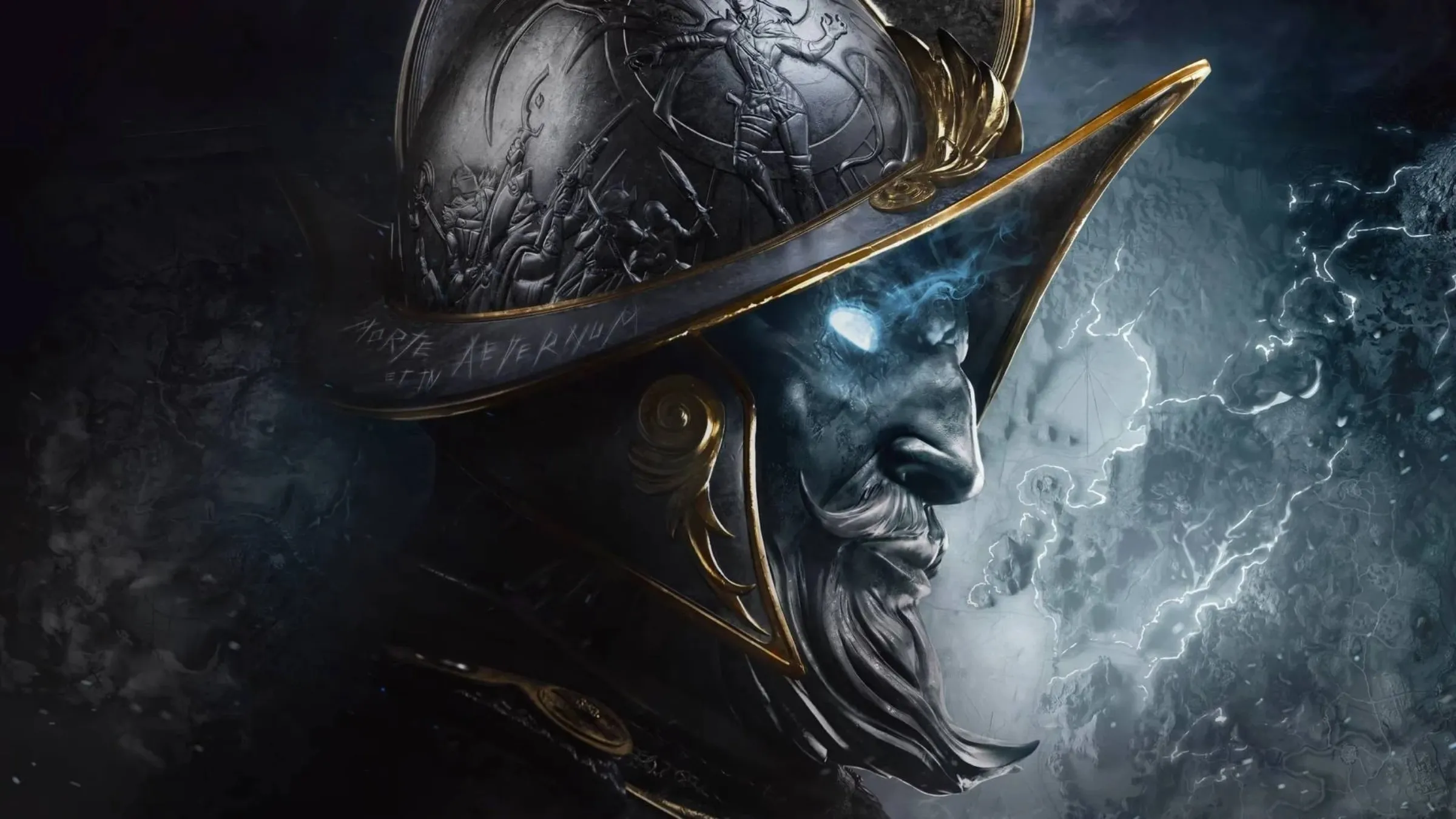
Some types of entertainment gently slip into fond memories, while others hang on in a sort of limbo – still around, but not thriving as they once did. That’s where the MMORPG currently stands, stuck between its glorious past and an uncertain future it can’t quite let go of.
For over twenty years, the MMORPG genre has felt stagnant, failing to keep pace with rapid technological advancements. Despite huge improvements in computers, internet connections, and global networking, new MMORPGs often feel empty and unappealing. Many ambitious games fail under their own weight, or are released so conservatively they don’t gain traction. This leads players to revisit older titles for a more engaging experience, while the industry is littered with unfinished projects, disappointing launches, and broken promises.
Why Modern MMORPGs Aren’t Being Made and Struggle to Survive
The problem with the MMORPG genre isn‘t a lack of creativity from developers; it’s fear from those funding the projects. These games require huge investments, take years to create, and need sustained support, which doesn’t fit with the industry’s focus on short-term profits. Instead of taking a chance on a large-scale world that might take years to become successful, executives prefer to fund smaller, safer projects that can be easily cancelled if they don’t perform well. Bold ideas have been replaced by careful calculations of risk.
It’s rare for a new large online game to launch smoothly, and when they do, they often feel rushed and flawed. New World seemed to have everything going for it – a huge budget, strong marketing, and initial excitement – but it struggled from the start, revealing underlying problems that now seem to be causing its downfall.
Players were really hoping Ashes of Creation would revitalize the MMORPG genre, and that put a lot of unfair pressure on the game. Unfortunately, its recent failure highlights how much the genre is struggling. No single game should be expected to carry the weight of an entire genre, but that’s what happens when MMORPGs stop offering truly new and exciting experiences.
It’s frustrating to see MMORPGs stuck in a rut because developers have the means to improve them, but instead focus on superficial updates. They keep polishing the same old ideas, hoping players won’t realize there’s no real innovation. A prime example is the way quests are handled – they’ve lost any meaningful purpose in most modern games.
For the past ten years, most MMORPGs have used the same tired quest system – a series of tasks given from central hubs with little variation. This, combined with repetitive and uninspired character progression and social features that feel tacked on, has left the genre feeling stale. Quests used to feel meaningful, but now they rarely do. It feels like the genre is stuck in a rut, and no one has been able to break the mold.
The Players Left Behind in a Dying Genre
Players of massively multiplayer online role-playing games, or MMORPGs, are incredibly dedicated, and unfortunately, that dedication is often taken for granted. They spend countless hours in these online worlds, forming close-knit communities and becoming deeply invested in the game’s future. So, when a game fails quickly or closes down, it’s more than just a business failure—it’s a betrayal of trust that leaves players feeling lost and disheartened.
Players are returning to older games not because those games are perfect, but because they offer fully realized worlds with lasting histories and cultures – something many newer games lack. The fact that fans often prefer revisiting games from the early 2000s over trying new releases should be a warning sign for the gaming industry, but it’s often dismissed as simple nostalgia instead of a serious critique of current game development.
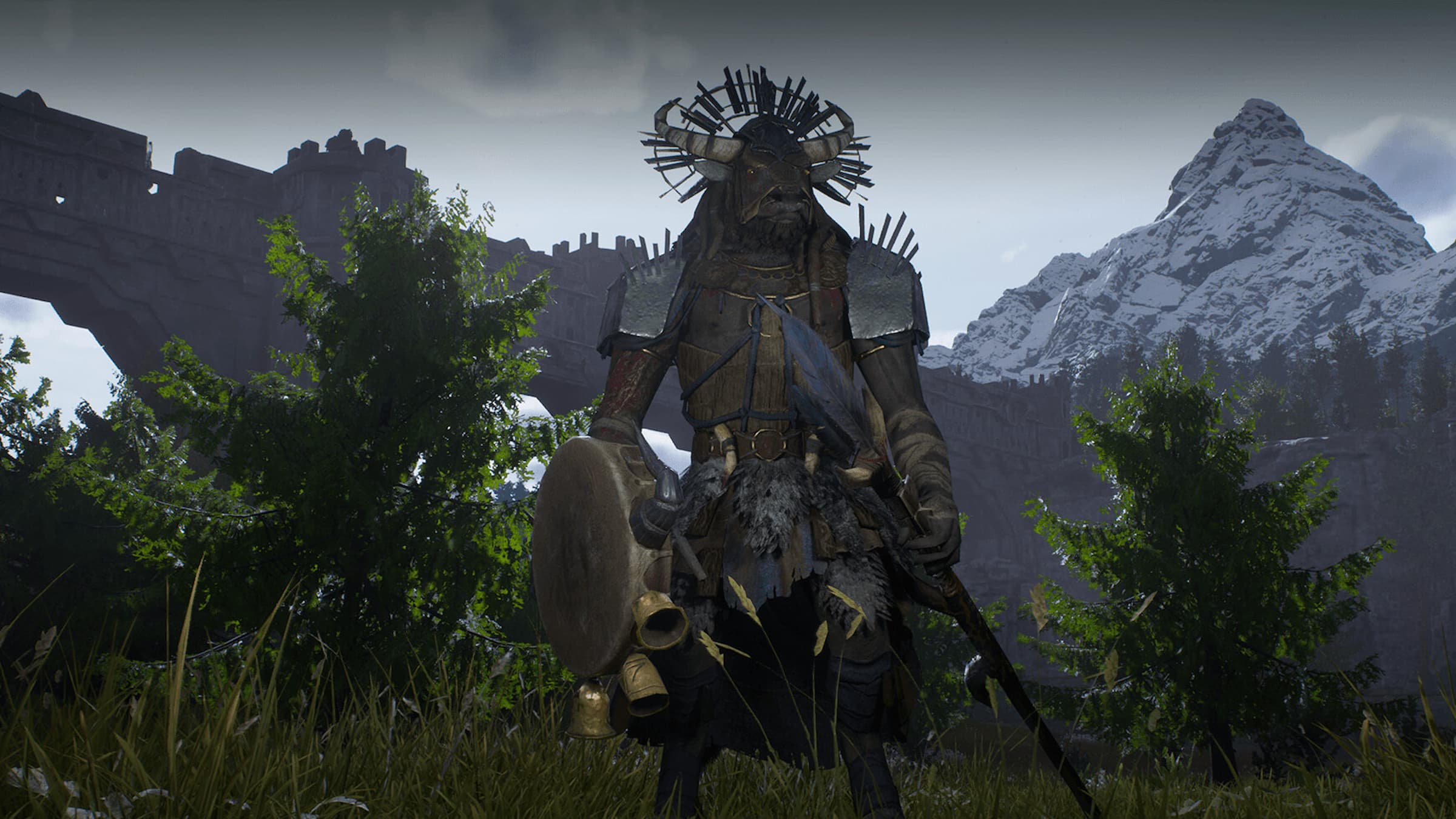
A noticeable negativity has crept into the MMORPG community. Players now approach every new game announcement with skepticism, almost expecting it to fail before it even launches. Crowdfunded games often promise a lot but struggle with delays, and early access versions frequently offer endless development roadmaps without a solid core game. This repeated pattern is damaging the genre, and discouraging players from getting excited about new releases.
It’s strangely disappointing that massively multiplayer online role-playing games (MMORPGs) aren’t thriving right now. We have the technology and global connections to create incredible, shared online worlds, but the gaming industry seems afraid to take risks. Instead of being ambitious, developers play it safe, resulting in games that aren’t truly innovative. With each cautious release, the dream of a groundbreaking MMORPG feels more distant, and it looks like many of us will continue playing World of Warcraft for a long time to come.
What do you think? Leave a comment below and join the conversation now in the ComicBook Forum!
Read More
- The Super Mario Galaxy Movie: 50 Easter Eggs, References & Major Cameos Explained
- Surprise Isekai Anime Confirms Season 2 With New Crunchyroll Streaming Release
- 10 Best Free Games on Steam in 2026, Ranked
- Sydney Sweeney’s The Housemaid 2 Sets Streaming Release Date
- Why is Tech Jacket gender-swapped in Invincible season 4 and who voices her?
- Welcome to Demon School! Iruma-kun season 4 release schedule: When are new episodes on Crunchyroll?
- Preview: Sword Art Online Returns to PS5 as a Darker Open World Action RPG This Summer
- Skate 4 – Manny Go Round Goals Guide | All of the Above Sequence
- 10 Best Supporting Actress Oscar Wins That Are Indisputable
- All 13 Smash Bros. Characters in the Super Mario Galaxy Movie
2026-02-27 22:10