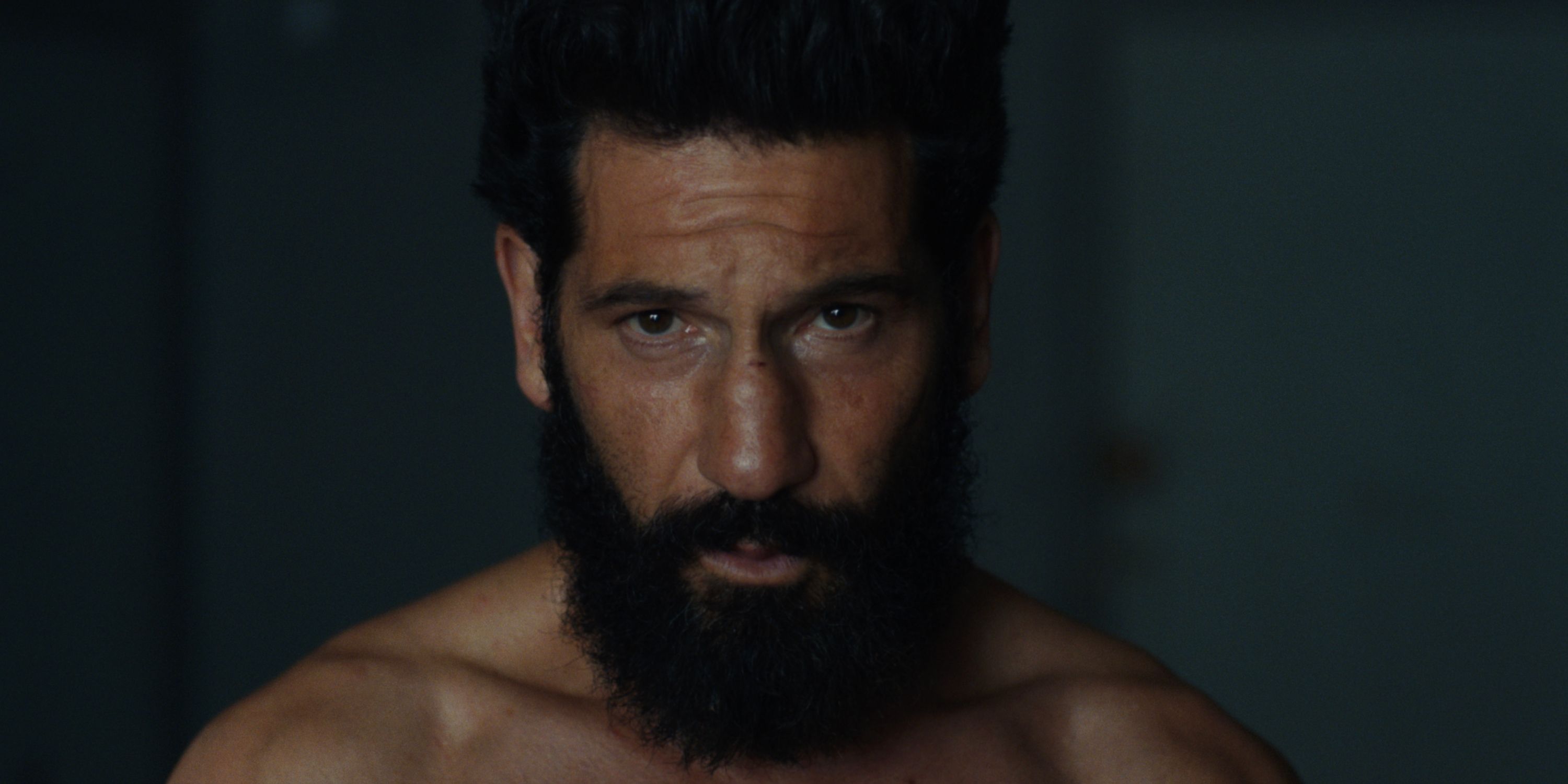
For nearly 40 years, no version of The Punisher – even outside the main Marvel movies – has fully embraced the antihero label. Adaptations have tended to focus on successful elements of the character while avoiding his more complicated side. But now, a new take finally gives The Punisher what he’s always needed.
Following the end of Daredevil: Born Again Season 2, The Punisher: One Last Kills offers a grounded look into Frank Castle’s life, showing his struggles both in combat and personally. Ultimately, the special moves beyond Frank’s quest for revenge, revealing the core of his identity as the Punisher: a flawed but dedicated protector of the innocent and a true antihero.
The Punisher: One Last Kill Undoes a Decade of Missteps
The Netflix version of the Punisher repeatedly told the same story: Frank Castle constantly reliving his origin. Whether in Daredevil or his own series, it always felt like we were seeing his story begin again, because he was trapped in a cycle of self-punishment and didn’t know how to move forward.
This self-centered behavior reached its peak in One Last Kill. After achieving revenge for his family, the character decides he wants to end his own life, but when the moment arrives, he finds he’s unable to go through with it, and he doesn’t understand why. The story then shows him wandering without purpose as Little Sicily descends into chaos because of his dismantling of the Gnucci crime family, which led Ma Gnucci to order a hit on him.
Amidst the growing harm inflicted on innocent bystanders, he chooses to protect instead of punish, finding a measure of inner peace. This finally delivers the Frank Castle viewers have been expecting. After hitting rock bottom and needing guidance, he shifts his focus – no longer punishing himself, but fighting for others, which will continue to drive his relentless war.
This truly feels like a turning point for Frank. Seeing his family constantly reminds him why he can’t give up, and witnessing injustice towards others reinforces his own experience and strengthens his resolve to prevent similar situations from happening again.
The Punisher Has Always Been Driven by Revenge in Live-Action
Before Jon Bernthal’s portrayal of The Punisher, and even before the film One Last Kill, the character had appeared in live-action adaptations. Dolph Lundgren played The Punisher in a 1989 movie that showed his dedication to stopping crime, but focused heavily on his violent tendencies. While he did protect innocent people, revenge was always a major driving force. The film even showed him threatening a mob boss’s child, warning the boy that he’d be targeted if he ever sought retribution as an adult.
Thomas Jane’s 2004 film, The Punisher, is a compelling revenge story that draws inspiration from the original Mad Max. However, it’s not about Frank Castle being a traditional hero. The movie focuses on his personal quest to avenge his family’s death, making it a more self-motivated story. Castle isn’t simply responding to crime; he’s actively seeking out those responsible and taking action.
In the 2008 film Punisher: War Zone, Frank Castle continues his relentless fight against criminals. This time, however, he’s not simply protecting innocent people; he’s trying to make amends for accidentally killing a police officer and is focused on saving the officer’s family, who are caught up in the fallout of his actions.
Jon Bernthal’s portrayal of the Punisher, both in Daredevil and Daredevil: Born Again, was consistently driven by a desire for revenge. Those he helped were often just caught in the crossfire of his relentless pursuit of vengeance.
The Punisher: One Last Kill made a major change to this and rectified past issues in one scene.
The Punisher: One Last Kills Gives the MCU Its Greatest Antihero
It was refreshing to see Frank Castle face a criminal and threaten punishment, but instead of instant violence, he’s waiting for public support to carry out his brand of justice. This perfectly captures the essence of an antihero – he operates by his own moral compass, doing what he believes is right, which makes him a divisive character within his world.
Frank Castle is unique, and watching him protect people highlights how rarely we’ve seen that side of him during Jon Bernthal’s time as the Punisher. It also explains his past impulsive behavior – he wasn’t driven by a clear goal, but by rage. This lack of focus led to haphazard methods, making him seem like he was succeeding purely by chance.
As a huge Punisher fan, I always thought “One Last Kill” was less about Frank stopping being the Punisher, and more about him realizing there is no last kill. It’s always going to be one more target, one more injustice. And honestly, it’s so true to life – crime just doesn’t magically disappear, does it? It’s a never-ending cycle.
Frank initially sought a simple solution, but it didn’t work. He realized he was driven by both his love for his family and his passion for conflict. By protecting those who can’t defend themselves, he found a way to balance these desires – preventing others from suffering his fate while remaining relentlessly committed to the fight. He acknowledged a degree of selfishness in his motivations, but justified it as serving a greater good, ultimately defining his role as the Punisher.
Found an error? Send it so it can be corrected.
Read More
- 10 Most Powerful Versions of Superman, Ranked
- Gold Rate Forecast
- GBP CNY PREDICTION
- 007 First Light: Release Date, Story, Gameplay, Cast, Editions, and Platforms
- Forza Horizon 6 Car List So Far: Confirmed Highlights, Cover Cars, DLC, and Rewards
- DOGE PREDICTION. DOGE cryptocurrency
- EUR CNY PREDICTION
- Superman’s 7 Best Power-Ups, Ranked
- Fishbowl Is a Charming and Heartfelt Indie You Won’t Want to Miss (Review)
- Forza Horizon 6 PC Issues: Fix Crashes, Stuttering, Steam Errors, and Game Pass Problems
2026-05-13 00:53