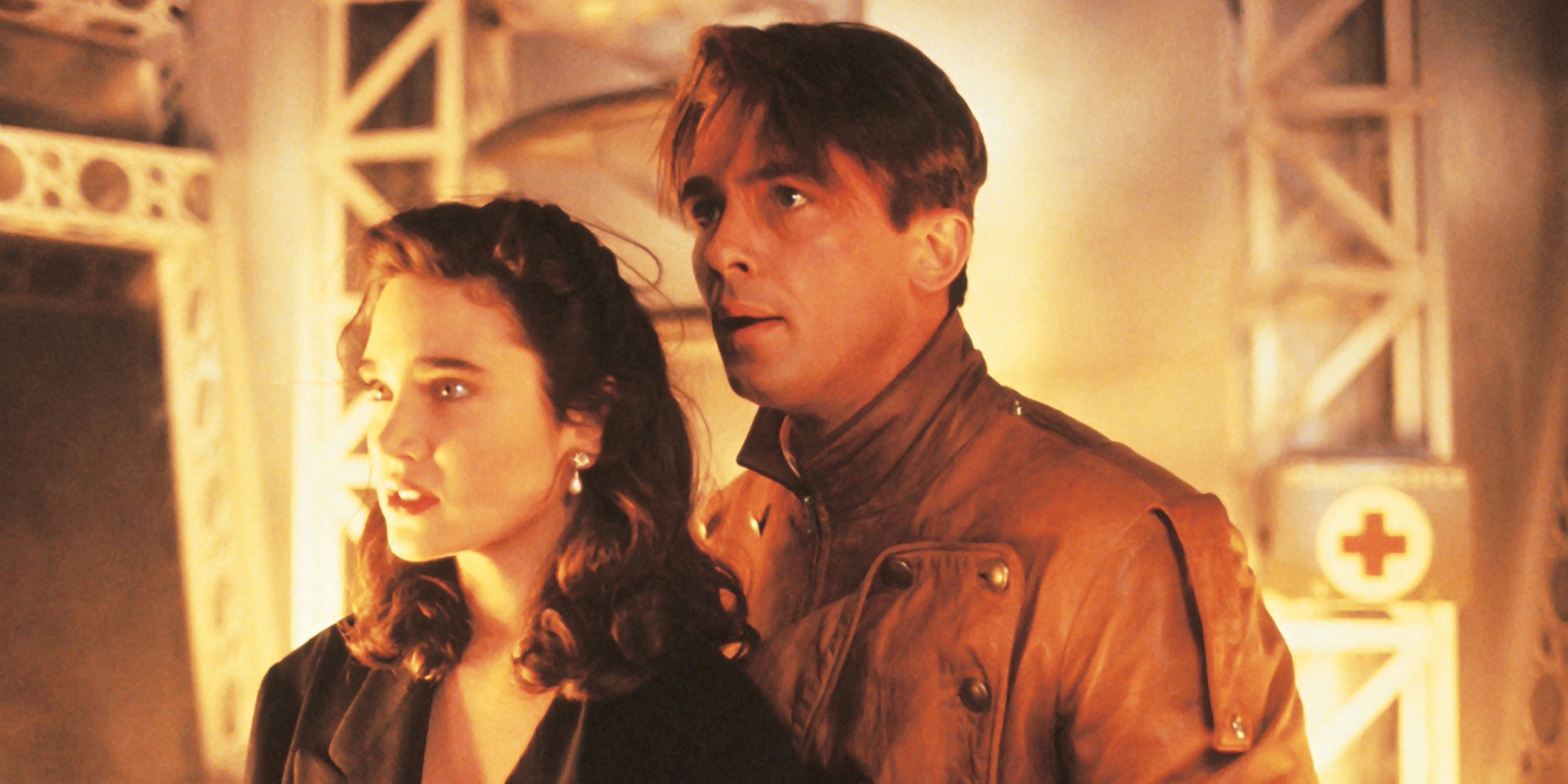
The Rocketeer premiered in theaters on June 21, 1991, after a huge marketing push. Based on the popular comic book by Dave Stevens from the early 1980s, the film aimed to deliver an exciting, stylish adventure in the Art Deco world, and compete with summer blockbusters like Robin Hood: Prince of Thieves and Terminator 2: Judgment Day.
The movie didn’t live up to the excitement surrounding its source material—it was a major financial disappointment for Disney, despite being heavily promoted. While many comic book adaptations are common now, films like The Rocketeer were pioneers, proving that these kinds of stories could work on the big screen, even when it wasn’t easy.
Dave Stevens’ Comic was a Notable, Niche Non-Entity
The Rocketeer debuted as a short story within the 1982 comic series, Starslayer. Like Star Wars before it, creator Dave Stevens aimed to capture the feel of classic 1930s movie serials, filling every page with nostalgic artwork and design. The story quickly gained popularity, leading to its own independent comic book, which continued until the publisher, Pacific Comics, went out of business in 1984.
The 1938 film The Rocketeer follows Cliff Secord, a struggling stunt pilot. After a police chase, a pair of gangsters hide a powerful rocket pack in Cliff’s airplane. Cliff and his friend Peevy discover the rocket and build a complete suit around it, transforming Cliff into “The Rocketeer.” This leads to dangerous encounters with criminals, Nazis, and Cliff’s girlfriend, Betty, who resembles model Bettie Page.
Despite facing challenges with different publishers, The Rocketeer brought Dave Stevens numerous awards and inspired many artists. However, he struggled to find consistent work with major comic companies, possibly due to a long legal battle with Marvel over the rights to the “Rocketeer” name. Although Stevens sold the movie rights in 1983, the film adaptation of The Rocketeer didn’t appear until almost ten years later.
The Rocketeer’s Marketing Promised a Teen Hit, Delivered a Boomer Snoozefest
Superhero movies used to be a big gamble for Hollywood. While Richard Donner’s 1978 film, Superman: The Movie, was a huge hit, and its sequel was well-received, studios had trouble repeating that success throughout the 1980s, even with more Superman films. Attempts to bring characters like Howard the Duck, Captain America, and The Punisher to life mostly failed, resulting in box office flops or movies that were never officially released beyond unofficial copies.
Tim Burton’s Batman was a cultural phenomenon in 1989, breaking box office records and launching a wave of related merchandise. This success led studios to consider investing in unusual and lesser-known stories, seeing them as potential blockbusters and, more importantly, opportunities to profit from licensing deals aimed at young audiences. However, 1990 proved to be a setback for this strategy, as Dick Tracy failed to capture the same magic.
The film’s marketing included around $19 million in TV and print ads, plus collaborations with brands like Pizza Hut, Topps trading cards, Just Toys, a Bandai video game, and a special edition Fossil watch. Altogether, the promotional costs were roughly equal to half the film’s production budget.
The initial marketing for The Rocketeer was much more exciting than the film itself turned out to be. While other adventure movies of the time were full of memorable characters, suspense, romance, and grand visuals, The Rocketeer felt more like a mediocre spy story set in the past, with action sequences sprinkled in. Burdened by lengthy, uninteresting conversations and a drab, mostly brown visual style, the movie unfortunately confirmed what many viewers already thought about ‘old-timey’ entertainment – that it could feel stale and lacking in vibrancy.
A Crowded Summer Box Office Left Little Room for The Rocketeer
When a movie is first being made, studios can’t predict what other films it will be competing with when it comes out. If Disney had known that Robin Hood and Point Break, along with comedies like City Slickers and The Naked Gun 2 ½, would be released around the same time, they might have delayed their film or even started over with a different idea.
I remember when The Rocketeer came out, and honestly, it just didn’t connect with most people! It’s crazy to think that while it was struggling, movies like What About Bob? and even a re-release of the classic 101 Dalmatians were doing better at the box office. When the summer was over, The Rocketeer barely made it into the top films. Considering how much Disney invested in making and promoting it, it became a real example of a big, expensive movie that just didn’t pay off – a total cautionary tale.
Interestingly, fifteen years after The Rocketeer, similar complaints arose with Bryan Singer’s Superman Returns. Fans felt it successfully captured the style of the classic 1978 Richard Donner film, but the story was dull, the acting lacked energy, and the movie was short on exciting action. The most memorable scene – Brandon Routh as Superman lifting a plane – happened very early in the two-and-a-half-hour film.
Director Joe Johnston Was Ahead of His Time
Like many classic superhero tales, The Rocketeer features a story of redemption. While Captain America: The First Avenger in 2011 officially launched the Marvel Cinematic Universe, Joe Johnston’s The Rocketeer, released three years prior, broadened the possibilities of what a “Marvel movie” could be. This 1940s sci-fi action film marked Johnston’s first major success since Jumanji in 1995, two decades after The Rocketeer’s initial release.
Captain America’s story includes classic hero moments like fighting Nazis during World War II, skillfully avoiding danger, and performing incredible aerial rescues. The film even features John Slattery as Howard Stark, a character reminiscent of Terry O’Quinn’s Howard Hughes in The Rocketeer. However, a few important distinctions helped The First Avenger become a success.
Iron Man really raised the bar for superhero movies. Beyond impressive visual effects, these stories need a mix of humor, characters we can connect with, and moments of intense darkness to emphasize the danger. Captain America’s line, “I could do this all day,” perfectly captures this balance, showing his bravery, energy, and dedication to doing what’s right. This is different from characters like Cliff Secord in The Rocketeer, who feels more like a simple hero than someone truly inspiring.
Joe Johnston’s direction in Captain America: The First Avenger really showcased his talent for creating a strong sense of time and place through visuals. The film appealed to both longtime comic book fans and a new generation of viewers, offering a heroic character that was exciting and engaging.
Beyond its exciting adventure, The Rocketeer also features a story of redemption. While the movie didn’t fully capture the spirit of the original comics, creator Dave Stevens, who sadly passed away in 2008, remains popular. Since 2010, IDW Publishing has been reprinting classic Rocketeer comics and creating new stories with the character. Disney even released a sequel animated series in 2019, and there are now discussions about reviving the franchise with a new movie.
The upcoming Marvel film, Avengers: Doomsday, could be crucial for the future of the Marvel Cinematic Universe, and even for comic book movies as a whole. With a budget far exceeding that of classic films like The Rocketeer, it’s important that Disney delivers a film that captures the humor, emotion, and boldness audiences expect today.
Found an error? Send it so it can be corrected.
Read More
- What Song Is In The New Supergirl Trailer (& What It Means For The DC Movie)
- Gold Rate Forecast
- Eurogamer Gives ARC Raiders 2/5 Over AI Voices, Dropping Metacritic Score from 94 to 84
- 10 Best Connie Episodes of King of the Hill
- Netflix’s Run Away is the latest show to fail the Gen Z social media test
- The Simpsons Makes Major Change to Patty and Selma After 36 Years (And Includes a Big Makeover)
- Jujutsu Kaisen Is Returning With a Special Release After Sequel’s Finale
- How to Get the Bloodfeather Set in Enshrouded
- Why High on Life 2 added skateboarding, explained by the developer
- Robinhood’s Tokenized Stock Fiasco: A Tale of Tokens and Tussles
2026-02-02 03:47