
Many shooting games try to wow players with explosions and spectacle, but often lack depth beyond that. They lead you through one action scene after another. Prey (2017) is different. It encourages you to take your time and feel the mounting tension as you explore the abandoned space station. Even ordinary objects, like a coffee mug, could pose a threat. It’s a game that builds suspense through atmosphere, rather than loud action, and surprisingly feels more engaging than typical, over-the-top shooters.
Prey is a remarkably smart shooter that somehow didn’t get the attention it deserved. From the very beginning, it’s intriguing and makes you think about what’s actually happening. It doesn’t rush you into action; instead, it encourages you to explore, experiment, and understand the world around you. Even now, years after its release, Prey feels fresh, bold, and more intelligent than many modern shooters. It’s a subtle game, but one that truly deserves to be recognized.
Prey Makes You Think in Ways Most Shooters Never Do
Prey stands out from most first-person shooters by challenging players to think instead of just react. The game doesn’t hold your hand; everything on the Talos I station requires effort and exploration. Each area is full of hidden details, puzzles, and creative solutions, encouraging you to be genuinely curious. Unlike typical shooters that focus on straightforward combat, Prey wants you to interact with the world around you in unique ways – something few games have ever attempted. It almost feels like an apology for the shooter genre, suggesting that these games could be much more engaging if they relied on player intelligence instead of just quick reflexes.
The game immediately grabs your attention with a disarmingly normal opening. Forget lengthy tutorials or dramatic cutscenes – you’re simply in the experience, and things feel subtly…off. Initially, it feels like you’re somewhere familiar, like a sunny home, not a space station. This is a clever trick, and the truth isn’t revealed until you start to notice the strange details. The atmosphere feels unsettling in a way that’s hard to pinpoint, and when the illusion breaks, you suddenly realize you’re on a huge space station. Prey cleverly teaches you the ropes without explicitly telling you anything. It unfolds like a captivating mystery, drawing you in before you even understand what’s happening. This kind of immersive introduction is rare in shooter games, mostly because so few even attempt it.
What really struck me about Prey is how the game’s tools aren’t just about blasting enemies – they’re about sparking creativity. Take the GLOO Cannon, for instance. It’s not just a weapon; it’s this incredible problem-solving device. I found myself using it to climb, build bridges, block off areas, and even create hilariously chaotic distractions in combat. Then you add in the Neuromods, which let you completely rethink how you approach challenges. Gradually, the space station, Talos I, stopped feeling like a series of levels and started feeling like a real place where I could try anything. Honestly, most shooters don’t give you that kind of freedom, but Prey actively wants you to experiment.
Just When You Think You’ve Figured It Out, It Surprises You
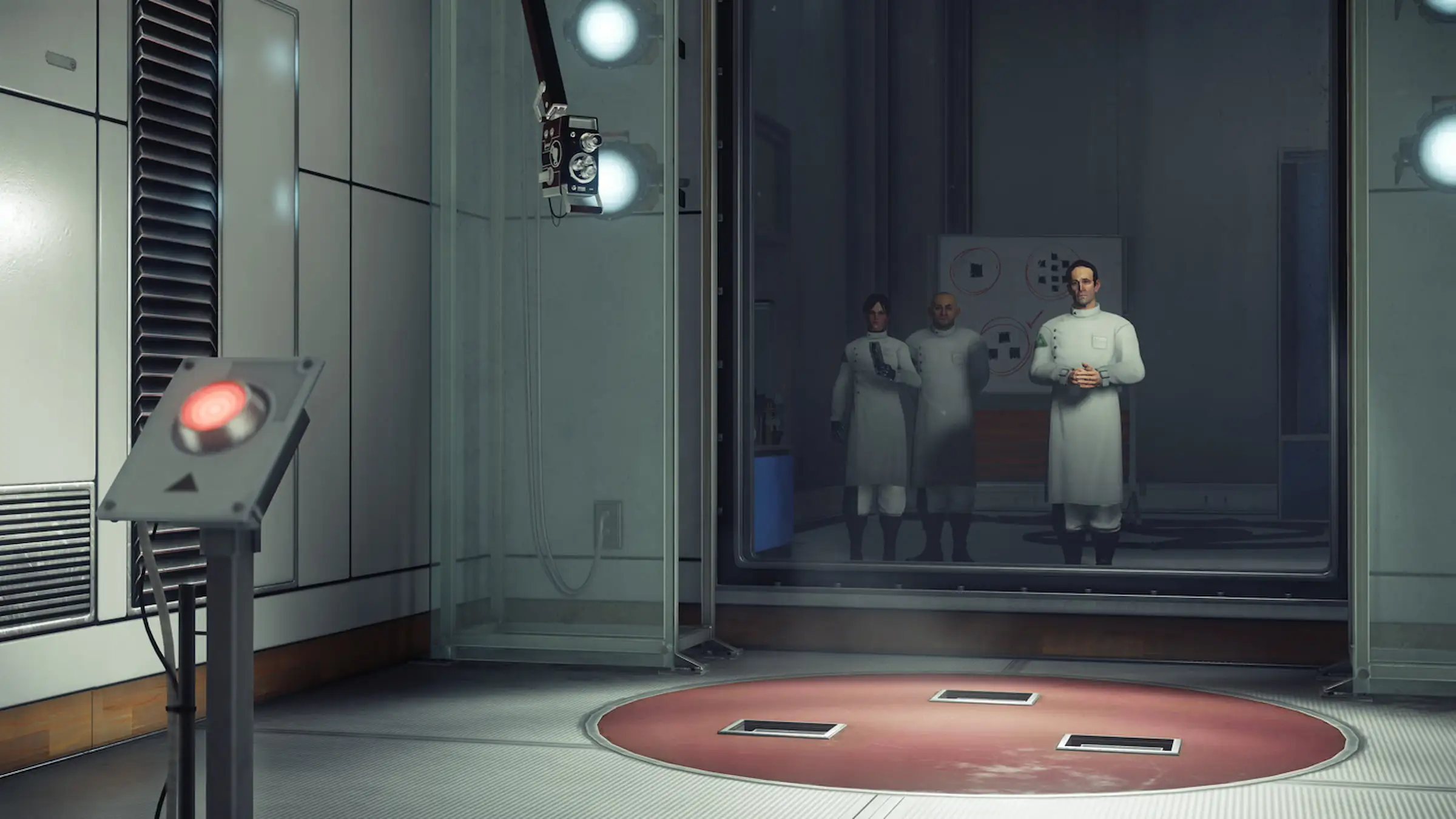
Prey constantly keeps you guessing. Just when you think you’ve figured out how the game works, it surprises you. The mimics are a perfect example – they disguise themselves as normal objects, turning the environment into a source of danger. This creates a persistent, almost fun sense of unease. You start to distrust everything around you, and that’s exactly what the game intends. Prey excels at making even the most familiar things seem threatening.
Prey offers more than just combat challenges. It truly shines when you explore like an investigator, not a soldier. What seem like dead ends are often just cleverly hidden paths, leading to even more discoveries. Even a small vent can open up a whole network of secrets if you’re curious enough to investigate. Compared to typical shooters, Prey feels refreshing, constantly encouraging you to examine every detail of the Talos I station to uncover its hidden depths.
Even as the game nears its conclusion, Prey continues to unfold, revealing unexpected depths. It feels remarkably self-assured, as if it has more to offer. By the end, you realize how skillfully the entire experience was designed. Prey doesn’t rely on cheap surprises; instead, it challenges you in a way that shows genuine respect for your intelligence. While there are certainly shocking moments, the game’s true strength lies in its cleverness and ability to keep you engaged.
What do you think? Leave a comment below and join the conversation now in the ComicBook Forum!
Read More
- Gold Rate Forecast
- Best X-Men Movies (September 2025)
- Hazbin Hotel Secretly Suggests Vox Helped Create One of the Most Infamous Cults in History
- Arknights: Endfield – Everything You Need to Know Before You Jump In
- PlayStation Plus Game Catalog and Classics Catalog lineup for July 2025 announced
- Chill with You: Lo-Fi Story launches November 17
- 4 TV Shows To Watch While You Wait for Wednesday Season 3
- 40 Inspiring Optimus Prime Quotes
- 10 Best Buffy the Vampire Slayer Characters Ranked
- Every Creepy Clown in American Horror Story Ranked
2025-12-08 03:40