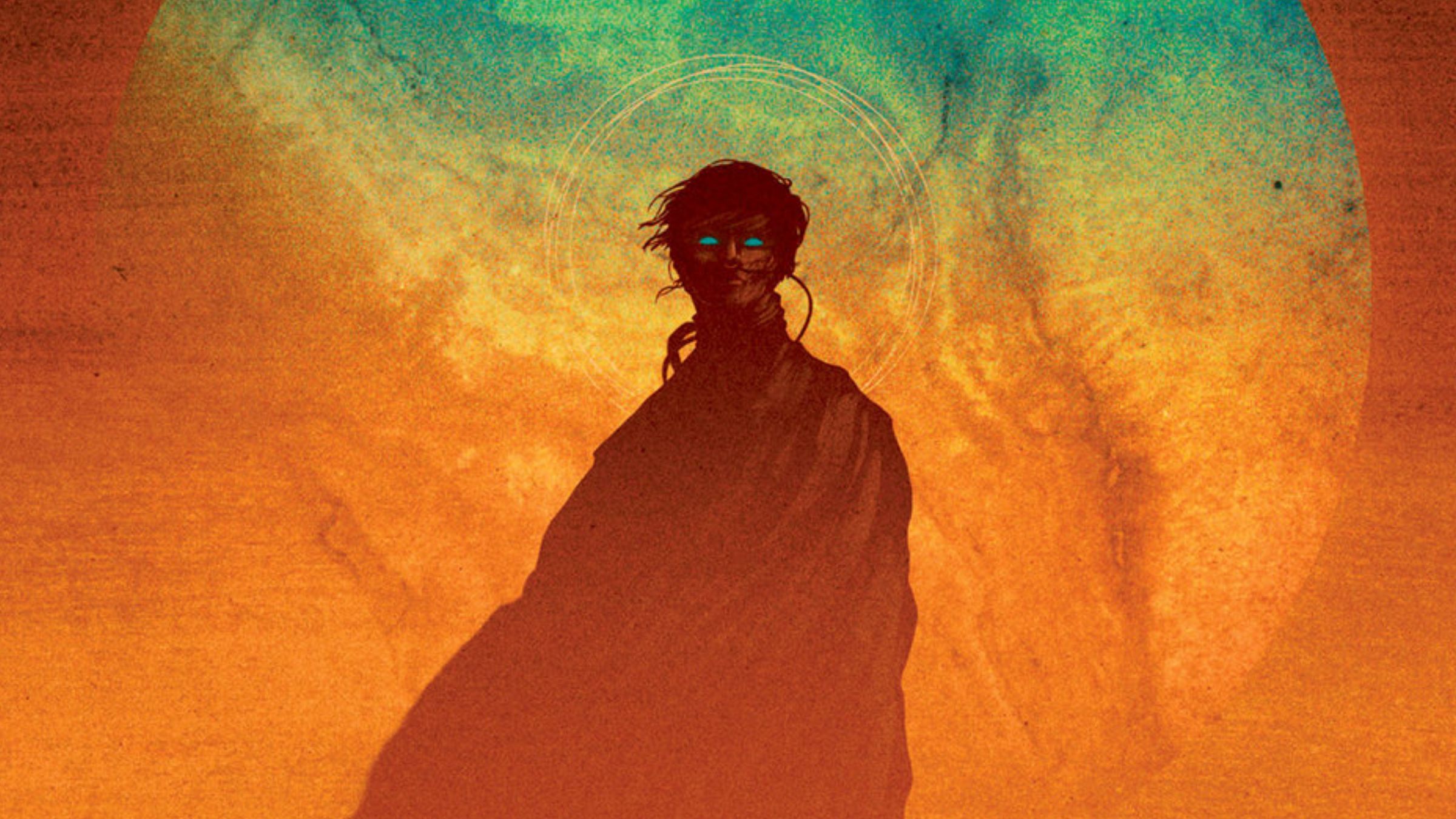
As a huge movie buff, I often find that while there are tons of books out there, truly great science fiction is surprisingly rare. And even rarer are those stories that don’t just build a cool futuristic world, but actually change the game when it comes to exploring big ideas like politics, religion, and what it takes to survive – all on a massive, interplanetary scale. The series I’m thinking of actually grew into a whole saga, becoming one of the largest ever written. Honestly, it’s a shame more people haven’t read it, because it’s notoriously complex. But that complexity? That’s exactly what elevates it to masterpiece status.
This book series began in the 1960s, created by an author fascinated by ecology, religion, and politics. It quickly became a major influence on pop culture and science fiction worldwide. You might already know what it is, especially considering its recent surge in popularity. The first book remains the most well-known and is often considered the strongest in the series.
The Dune Saga Is a Sci-Fi Landmark, but the Original Still Wins
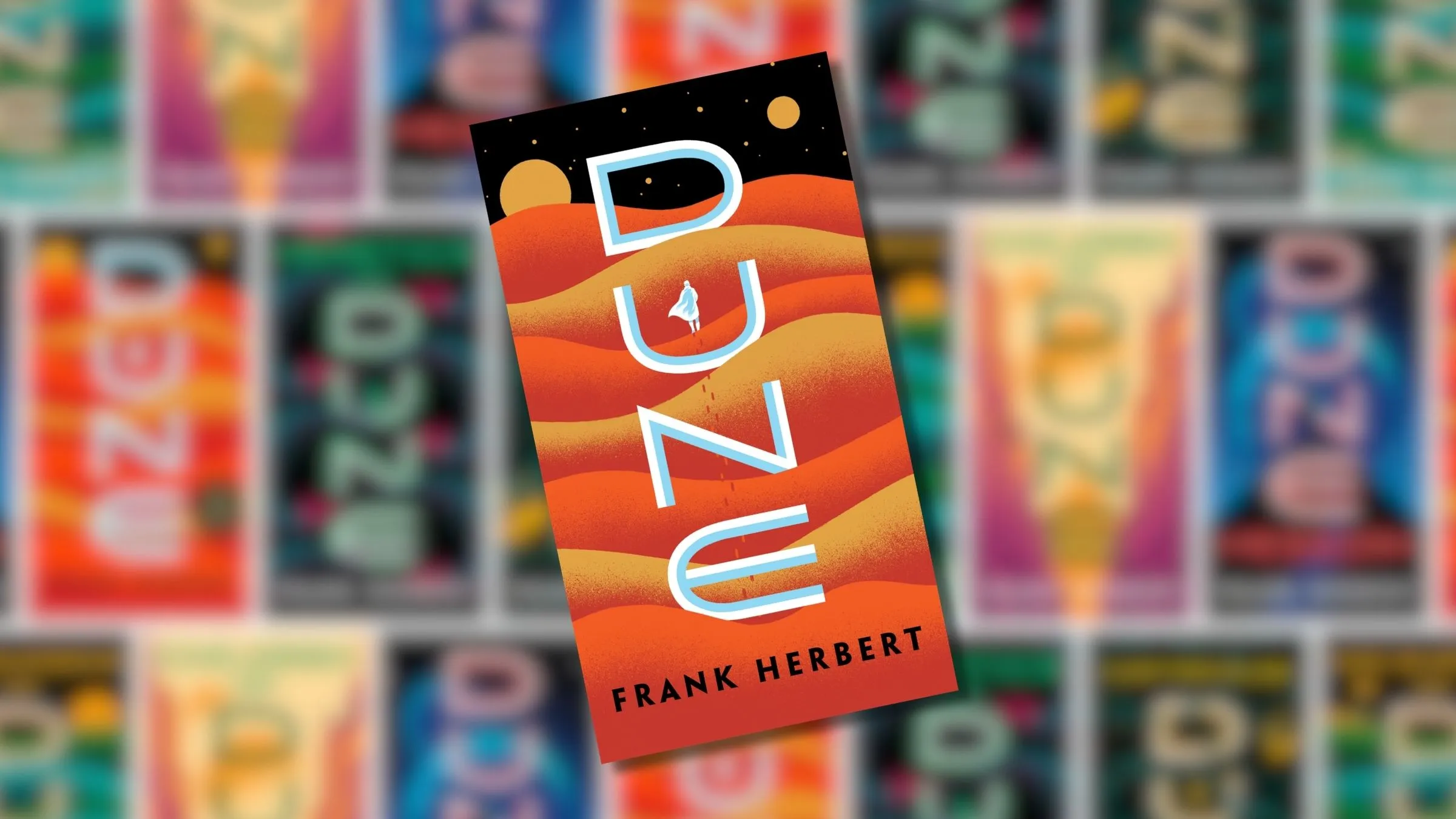
When Frank Herbert published Dune in 1965, he aimed to do more than just create a science fiction story. He crafted a complex world to explore how societies work, how religion can be used to control people, and how access to vital resources determines power. This is immediately clear in the book’s central idea: the desert planet Arrakis is the only source of “melange,” a crucial substance for space travel and the empire’s stability. Essentially, whoever controls Arrakis controls everything. The story begins when the Atreides family is placed in control of Arrakis, setting off a series of events that transform Paul Atreides into a legendary leader with far-reaching consequences.
The issues began when the story world grew beyond the initial novel. The original author wrote five more books, and after his passing, his son, Brian Herbert, and Kevin J. Anderson continued to expand it. They added seventeen more books—both prequels and sequels—attempting to flesh out the backstory and explore events before and after the core narrative.
Adding to a story can seem like a good idea, but it often weakens the original impact. The power of the first story comes from its mystery and open-endedness, which can be lost when everything is explained too clearly—and many fans agree. Over-explaining a well-built world diminishes its storytelling power. It wasn’t a huge issue when the original author continued the story, but matching the quality of the first Dune is incredibly difficult. This isn’t just about fondness for the original; it’s a matter of how the story is structured.
What makes this first book unique is its refusal to simply entertain. It actively challenges readers, requiring their complete focus and offering no easy answers about morality or what happens to the characters. Ambiguity is central to the story, particularly regarding the main character, Paul. He isn’t a typical hero who develops and triumphs. From the start, he feels different, shaped by genetics, prophecies, and long-standing political schemes. The book doesn’t offer explanations for this complex background; instead, it immerses you in the world and asks you to consider the unsettling idea that a destined hero can also be a tool for political gain.
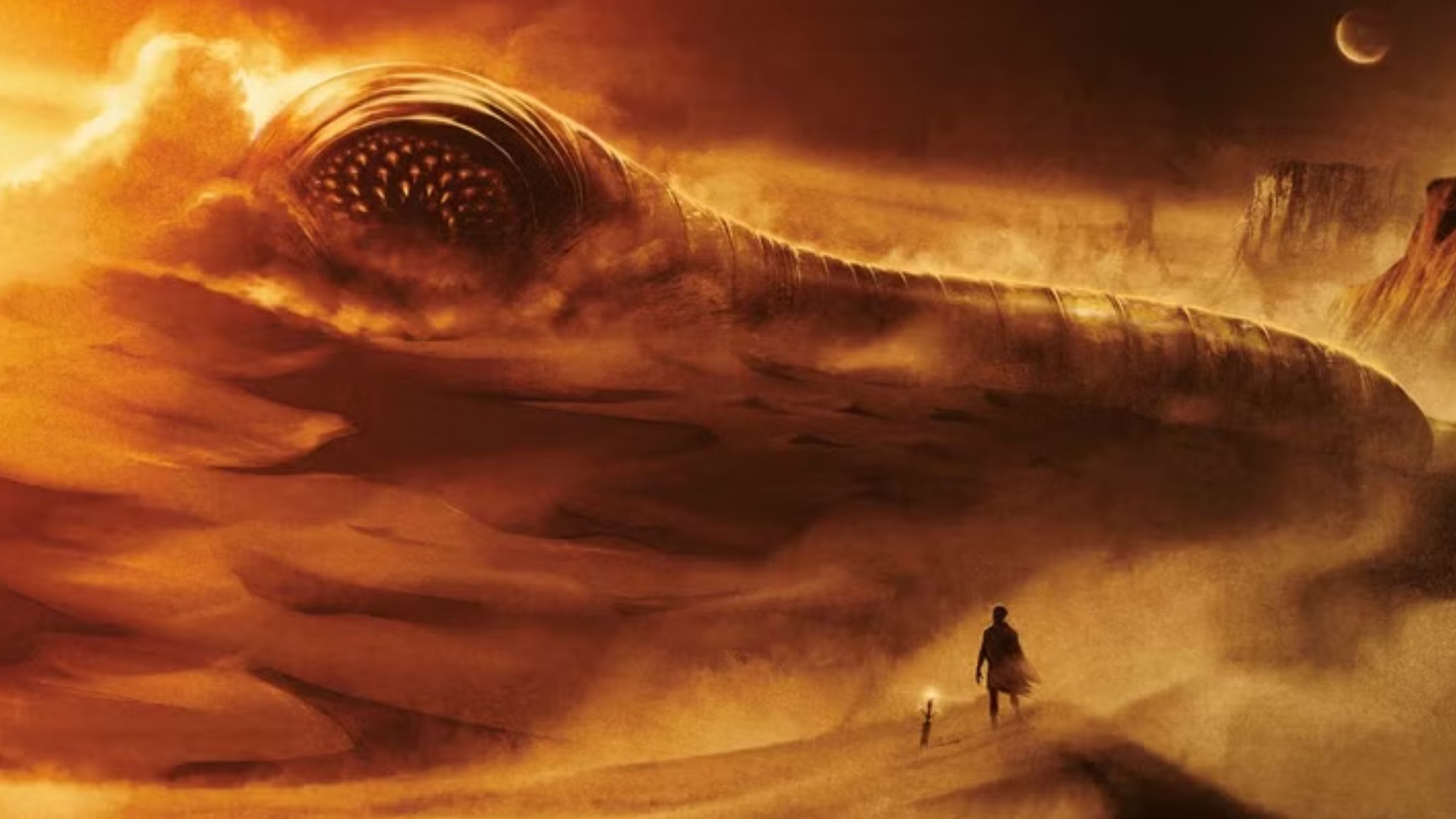
The story doesn’t offer easy answers, and that’s what makes it so engaging. It’s not a simple adventure; you’re constantly challenged to question what’s happening and revise your understanding as you read. While the original author, Frank Herbert, continued to build on this complex foundation in the sequels – expanding the world in ways the later books often don’t – they also became more philosophical and harder to follow. This isn’t necessarily a negative change, just a different approach to storytelling.
The first Dune brilliantly creates its world through the story it tells. The sequels, however, largely focus on taking that world apart and exploring its philosophical implications. This shift from creation to deconstruction diminishes the initial emotional punch. The original book is complex yet still deeply engaging – a perfect harmony of ideas, story, and style, where no single element dominates. In later books, the author prioritizes ideas, changing the overall reading experience.
The Dune Saga Has Even Been Hard to Adapt for Film and TV
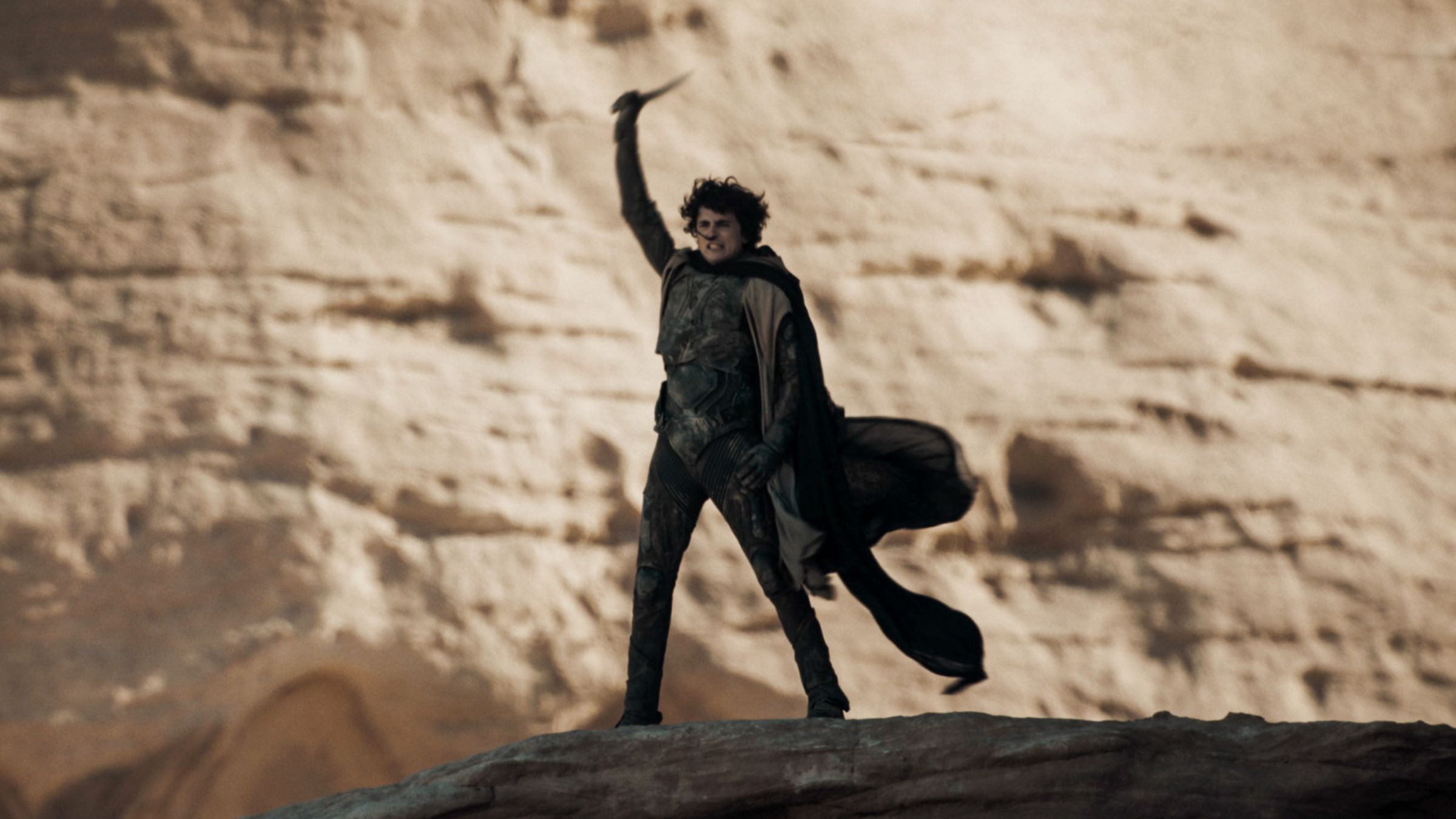
Adapting stories like Dune can be really challenging. Dune is famous for being hard to bring to the screen because so much of the story happens inside the characters’ heads, with lots of complex details that aren’t simple to show as action.
David Lynch’s 1984 film adaptation of Dune attempted to fit the entire story into one movie, which many found confusing and inconsistent. The Children of Dune miniseries, while having more time and covering parts of two books, still struggled to capture all the nuances of the original novels. Denis Villeneuve’s recent adaptation achieves a better balance, but even its excellent execution required some changes to the story’s structure to maintain a good pace for the screen, as the books rely heavily on implied meaning.
What sets the Dune series, particularly the first book, apart – and makes it so difficult to imitate – is Herbert’s masterful control over every aspect of the story. It’s not simply a tale of war or fate, but a story about how entire systems function and interact. Everything is intricately connected, and this deeply influenced much of the science fiction that followed, including Star Wars with its expansive political themes. However, many later works only borrowed parts of Herbert’s approach, while Dune feels like a fully realized, self-contained world. You can’t just take one idea from Dune and expect to achieve the same complex and compelling result.
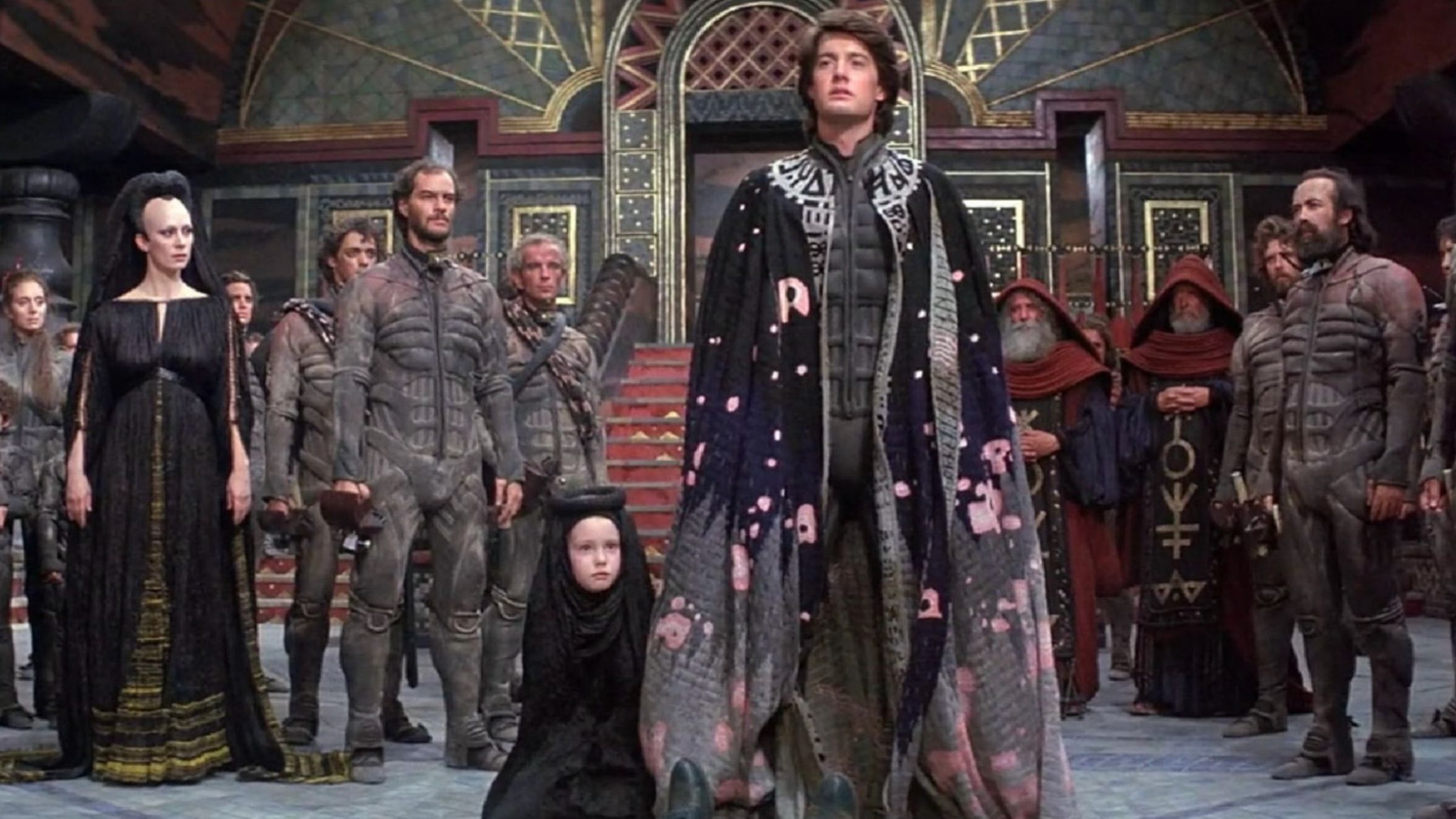
Ultimately, a story’s success hinges on its overall vision, not just how well it’s written. The first Dune novel isn’t memorable for its plot or characters alone, but for how all its elements fit together to create a unified and impactful set of ideas. While sequels can build on that world and add details, they often struggle to reach the same level of impact because the original book was so concise and complete. When a book establishes such a high standard, any further stories set in the same universe tend to feel like rehashes rather than true advancements.
What do you think? Leave a comment below and join the conversation now in the ComicBook Forum!
Read More
- Gold Rate Forecast
- 10 Most Powerful Versions of Superman, Ranked
- GBP CNY PREDICTION
- 007 First Light: Release Date, Story, Gameplay, Cast, Editions, and Platforms
- Forza Horizon 6 Car List So Far: Confirmed Highlights, Cover Cars, DLC, and Rewards
- DOGE PREDICTION. DOGE cryptocurrency
- Superman’s 7 Best Power-Ups, Ranked
- 10 Greatest Wii U Games of All Time, Ranked
- What happened to Soldier Boy in The Boys?
- Kingdom Come Deliverance Update 1.002 Enables Trophies to Be Transferred
2026-04-21 20:19