
He’ll fight for freedom wherever there’s trouble, G.I. Joe is there.
Paramount Pictures is attempting to relaunch the G.I. Joe movie franchise—this would be their third try at building a long-running film series based on the popular toy line. Currently, they have two separate projects in the works: one developed from an idea by Max Landis, and another from writer and actor Danny McBride.
As they put it:
We’re hearing that Landis is developing a story idea, and McBride is discussing writing one as well. Paramount is also exploring several other Transformers projects early on. Following ‘Transformers: Rise of the Beasts’, there was talk of a potential crossover with G.I. Joe, and that idea is still being considered.
The 2023 film Rise of the Beasts ended with a scene suggesting its main human character, Anthony Ramos, would join G.I. Joe. This is notable because both Transformers and G.I. Joe are owned by the same company, Hasbro.
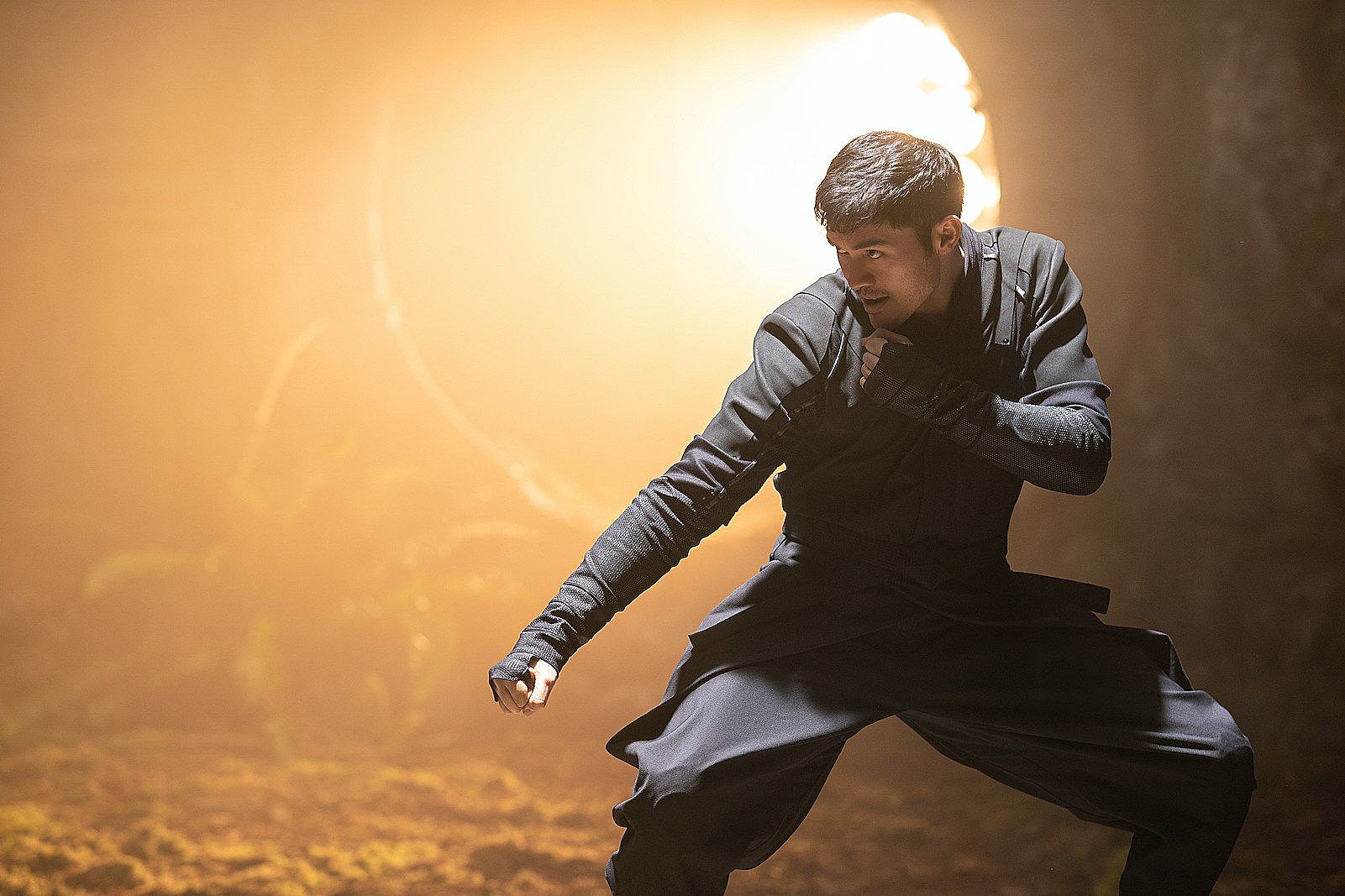
The last live-action G.I. Joe movie, focusing on the origins of the character Snake Eyes, came out five years ago. Starring Henry Golding, Snake Eyes: G.I. Joe Origins (released in 2021) told the story of how the ninja got his name and signature look. Unfortunately, the film wasn’t successful, earning only $40 million globally despite costing two or three times that amount to make.
Before the recent film, Paramount released two more traditional G.I. Joe movies, both featuring Channing Tatum as Duke: The Rise of Cobra (2009) and Retaliation (2013). While both received poor reviews, they were moderately successful in cinemas—though not as profitable as the Transformers films at their peak, which produced two movies that each earned over a billion dollars.
Max Landis, son of director John Landis, quickly became a successful screenwriter in Hollywood with the film Chronicle, as well as projects like American Ultra, Victor Frankenstein, and Bright. However, in the late 2010s, he faced accusations of sexual abuse from multiple women, and his career has been largely inactive since then.
Danny McBride is famous for creating and starring in HBO comedies like Eastbound & Down and The Righteous Gemstones. He’s also appeared in popular comedy films such as Pineapple Express, Sausage Party, and Your Highness. Beyond those projects, McBride has worked on big franchise films, co-writing the three recent Halloween sequels with David Gordon Green, starring Jamie Lee Curtis.
The 10 Most Historically Inaccurate Period Pieces Ever

10,000 BC
We don’t know much about prehistoric people – they didn’t leave behind many written records. So, movies like 10,000 BC and Clan of the Cave Bear, while entertaining, aren’t accurate depictions of the past. For example, the ancient Egyptians weren’t connected to the lost city of Atlantis, nor did they build the pyramids using enslaved hunter-gatherers and woolly mammoths. Also, creatures like terror birds and saber-toothed tigers lived in the Americas, not Africa. However, it’s fun to imagine that Neanderthal shamans might have been able to travel through people’s minds – if only we could ask them!

300
Zack Snyder’s film 300, a historical war movie, differs from 10,000 BC by being inspired by actual events – the Battle of Thermopylae. This battle really happened between Spartans and Persians during the Greco-Persian Wars. However, the movie also draws from a Frank Miller comic, meaning it wasn’t a strictly accurate retelling. 300 is highly stylized and takes many creative liberties with history. For example, it exaggerates the number of Greek soldiers, depicts the Spartans with unrealistic physiques, and portrays them as fierce, almost savage warriors, rather than the well-disciplined soldiers they actually were.

Abraham Lincoln: Vampire Hunter
Okay, let’s be honest: the idea of Abraham Lincoln battling vampires is… a stretch. This movie, based on a pretty playful book, takes a wildly imaginative turn, reimagining Honest Abe as a secret agent dedicated to staking vampires during the Civil War. It’s not a history lesson, that’s for sure! The filmmakers take historical facts and twist them to fit this supernatural storyline – Harriet Tubman is helping smuggle silver for vampire-slaying weapons, and Lincoln’s son’s death has a decidedly fang-related cause. It’s a fun, silly ride, but I can confidently say it’s almost entirely fiction.

Alexander
Oliver Stone’s film Alexander focuses more on the myth of Alexander the Great than the historical figure, and that’s partly because of artistic choices and partly because most historical accounts were written long after his death, exaggerating his accomplishments. The movie leans into this legendary portrayal, with mixed results. While the battle scenes are visually exciting and the film explores Alexander’s complex sexuality (which caused controversy beforehand), the final product was problematic enough that Stone has released several different versions in an attempt to improve it.
Anastasia
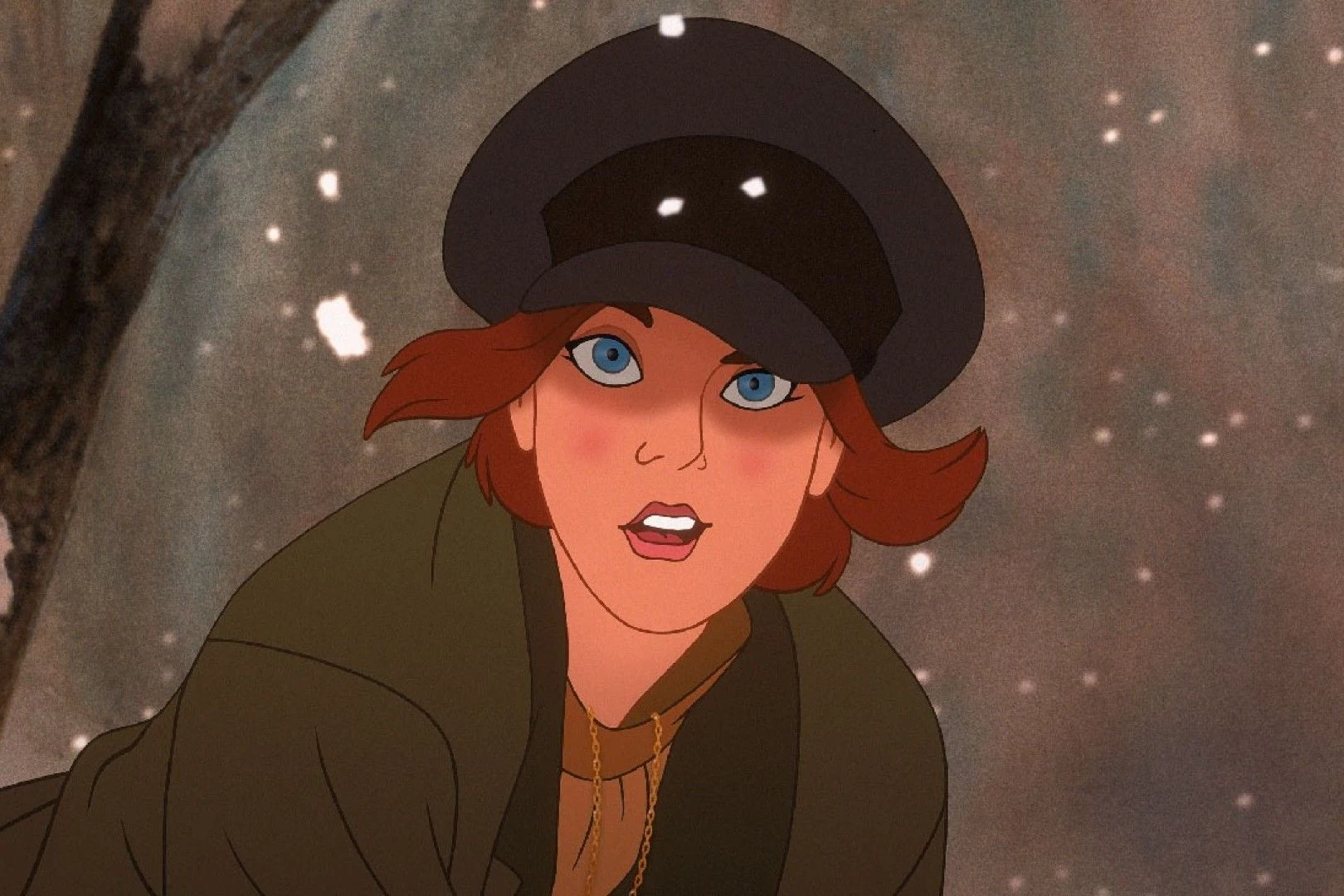
Let’s be clear: Anastasia Romanov died with her family when the Bolsheviks executed them, and Grigori Rasputin wasn’t a magical figure who sparked the Russian Revolution with supernatural powers. The animated movie Anastasia is a fictional story inspired by history, playing on the enduring rumor that the real Anastasia survived and lived in hiding. This rumor was so widespread that the Russian government actively dismissed the film as pure fantasy to avoid misleading the public. And just to be certain, bats simply cannot talk – even the white ones.

Braveheart
The movie Braveheart is well-known for taking significant liberties with historical facts, and that was partly intentional. The screenwriter, Randall Wallace, based the story on a 15th-century poem about William Wallace—not reliable historical records. As a result, the film is more of a dramatized adaptation of an already exaggerated tale. It gets details wrong, from things like the style of clothing (belted plaid hadn’t been invented yet) to major plot points, such as a romantic relationship between Wallace and Princess Isabella (which never happened) and the claim that King Edward I started the conflict by claiming the right to sleep with Scottish brides (a practice that likely didn’t exist). At least Mel Gibson delivers some memorable speeches!
Gladiator II
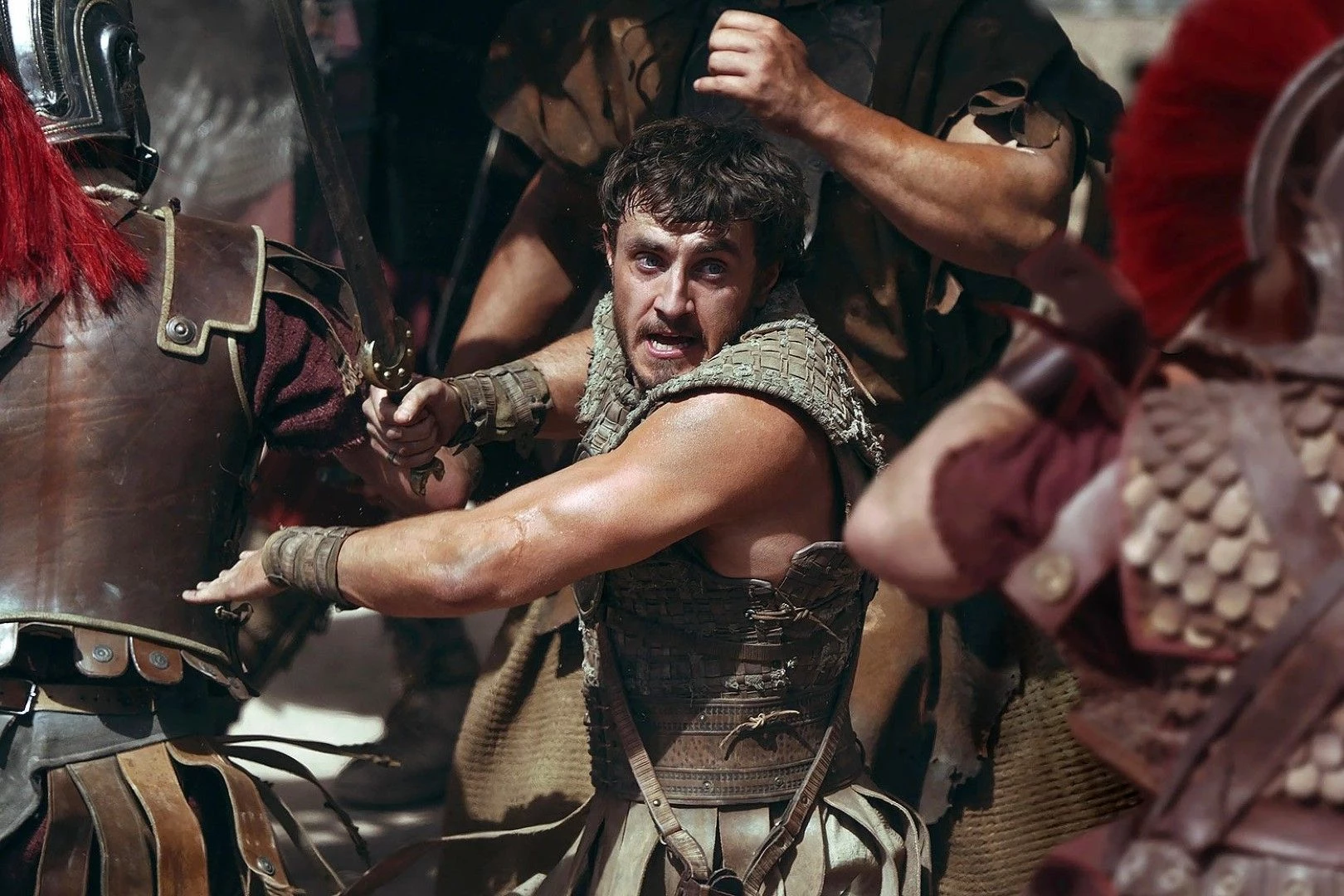
While the original Gladiator took some liberties with history, the sequel goes even further into fictional territory. The film inaccurately portrays co-emperors Caracalla and Geta as twins who were close, and it features characters like Lucilla and Lucius long after they had actually died. The depiction of certain regions under siege is also historically inaccurate, as those areas had been part of the Roman Empire for centuries by that time. Furthermore, gladiators weren’t branded, and there’s no evidence sharks were ever used in the Colosseum. Of course, the film’s main characters are entirely fictional. This shouldn’t be surprising, as director Ridley Scott prioritizes a compelling story over strict historical accuracy.
The Greatest Showman
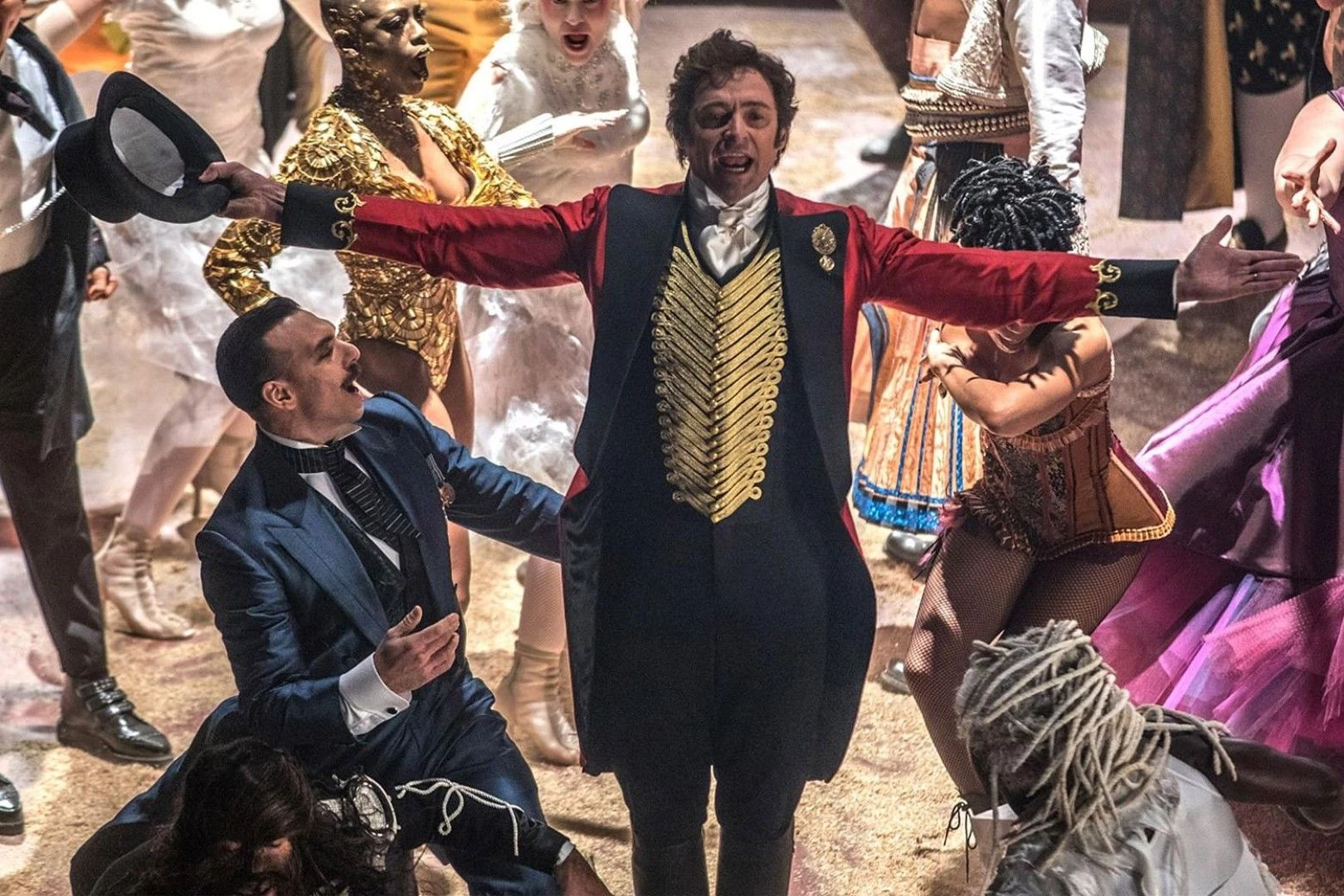
The movie The Greatest Showman is a prime example of how a film can completely romanticize a person’s life. While it portrays P.T. Barnum, the famous circus ringleader, as a kind-hearted dreamer who gave a home and family to outcasts, the real Barnum was actually a manipulative con artist. He exploited people, often through fabricated displays, for profit. Although he later supported the end of slavery, the film significantly glosses over his problematic past and presents a far more heroic version of the man than reality suggests. Hugh Jackman’s portrayal is a far cry from the actual P.T. Barnum.
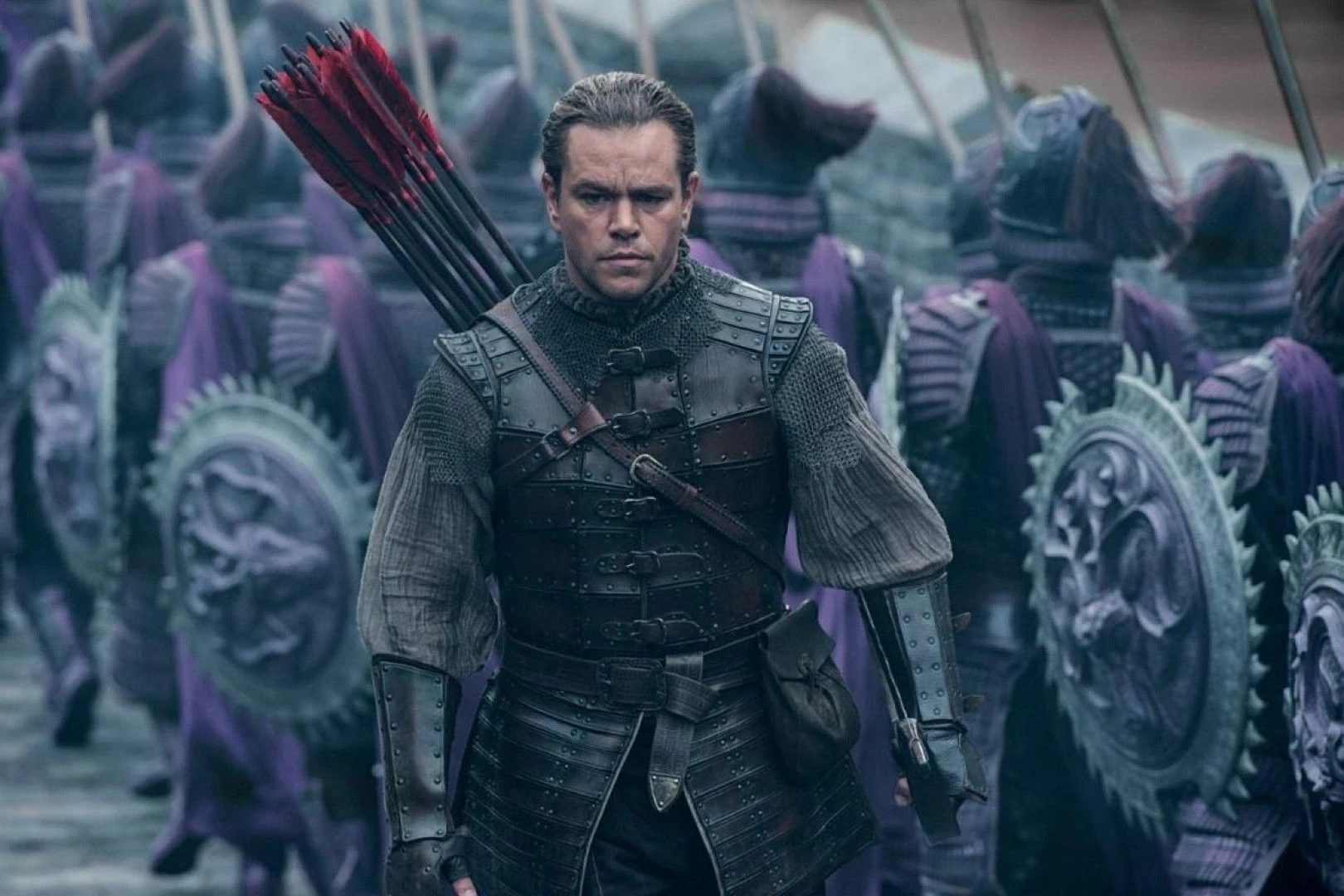
The Great Wall
Let’s be honest: the movie The Great Wall isn’t trying to be a history lesson, even though it’s set during the reign of Emperor Renzong and touches on early interactions between China and Europe. Instead, it asks a fun “what if” question: what if the soldiers defending the Great Wall faced alien monsters instead of invaders from the north? The film also introduces a strange element – magnets – into the conflict and features Matt Damon as an Irishman. It answers all these questions, so it’s a pretty wild ride!
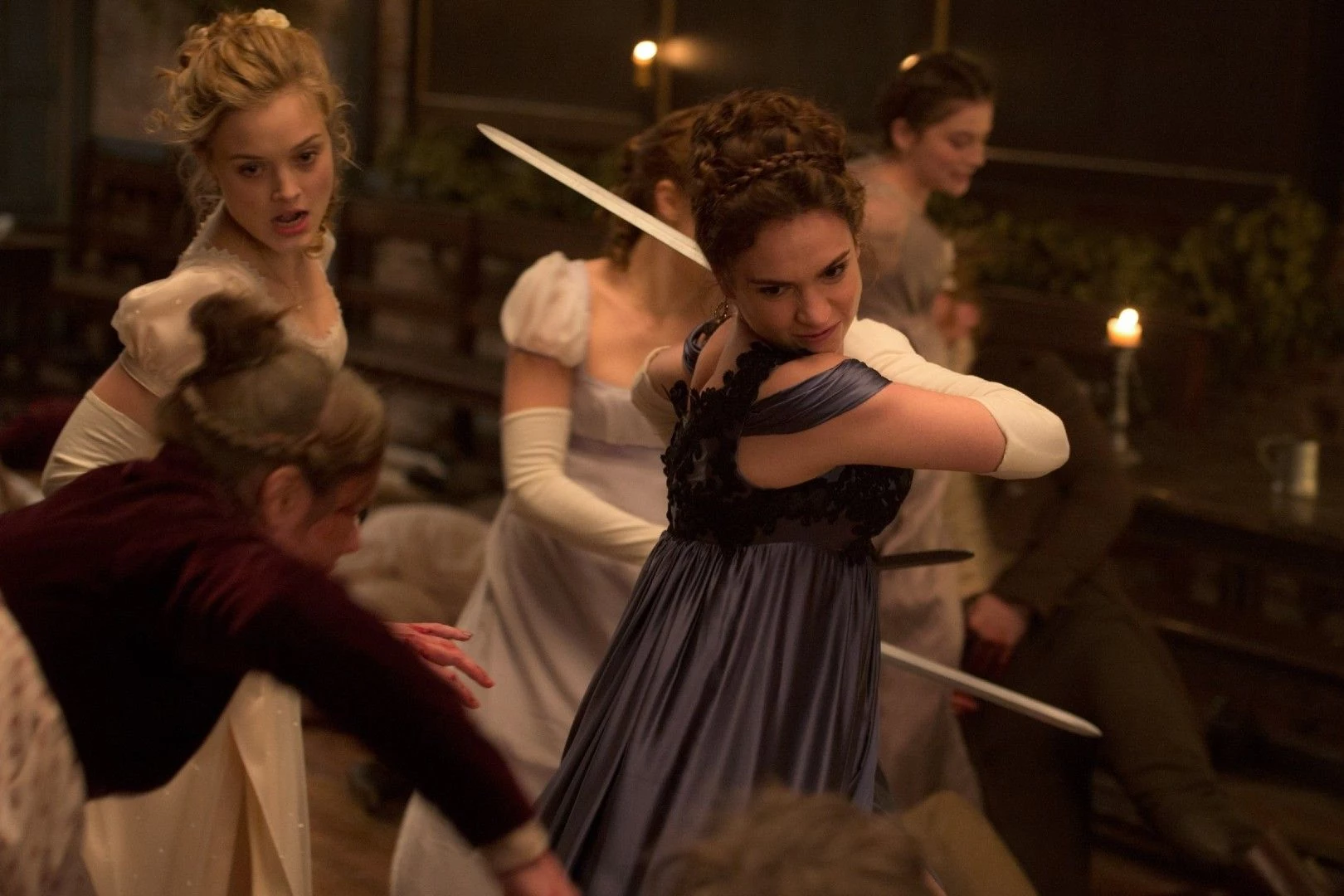
Pride and Prejudice and Zombies
Seth Grahame-Smith’s Pride and Prejudice and Zombies is pretty much what you’d expect: Jane Austen’s classic love story between Elizabeth Bennet and Mr. Darcy, but with zombies thrown into the mix. The movie is set in Regency England, which is under attack by the undead. Surprisingly, the upper class has learned martial arts to fight them off! Instead of worrying about marriage, the Bennet sisters are skilled warriors, and Mr. Darcy is first attracted to Elizabeth’s fighting ability, and then to her cleverness. Just to be clear, there weren’t actually zombies in England at any point in history – including this one!
Read More
- The Super Mario Galaxy Movie: 50 Easter Eggs, References & Major Cameos Explained
- 10 Best Free Games on Steam in 2026, Ranked
- Surprise Isekai Anime Confirms Season 2 With New Crunchyroll Streaming Release
- Sydney Sweeney’s The Housemaid 2 Sets Streaming Release Date
- Preview: Sword Art Online Returns to PS5 as a Darker Open World Action RPG This Summer
- Skate 4 – Manny Go Round Goals Guide | All of the Above Sequence
- Why is Tech Jacket gender-swapped in Invincible season 4 and who voices her?
- Welcome to Demon School! Iruma-kun season 4 release schedule: When are new episodes on Crunchyroll?
- The Super Mario Galaxy Movie Is An Amusing Sequel (And an Improvement) [Review]
- All 13 Smash Bros. Characters in the Super Mario Galaxy Movie
2026-02-27 23:27