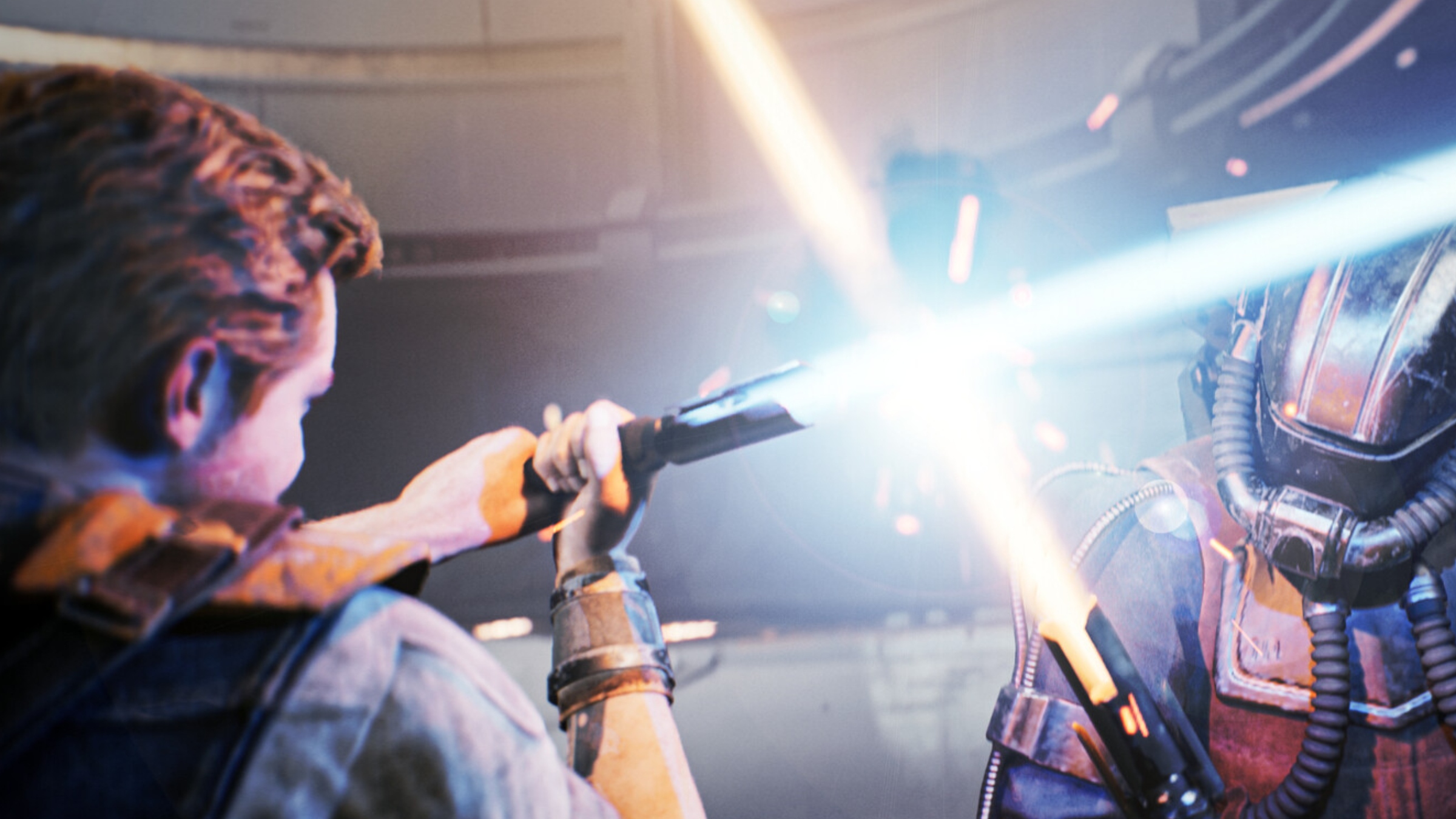
In the past, a game’s technical performance wasn’t something you noticed – and that was a good thing. Games loaded and ran smoothly, with all the complex work happening seamlessly behind the scenes. Players didn’t worry about things like how consistently the game displayed images or how long it took to load new areas. The game just worked consistently, which helped create a more immersive experience.
That initial excitement has become tempered with caution. When you release something new, the focus shifts from what it is to how it will actually work. Will it glitch during simple tasks, like when using the camera? Will its grand goals overwhelm it? Will it need immediate fixes to feel finished? We still care about performance, but it’s become more forgiving—something that can be adjusted, explained, or cleverly hidden if necessary to make it seem complete.
The Era of Launch-Day Stutters Has Been Normalized
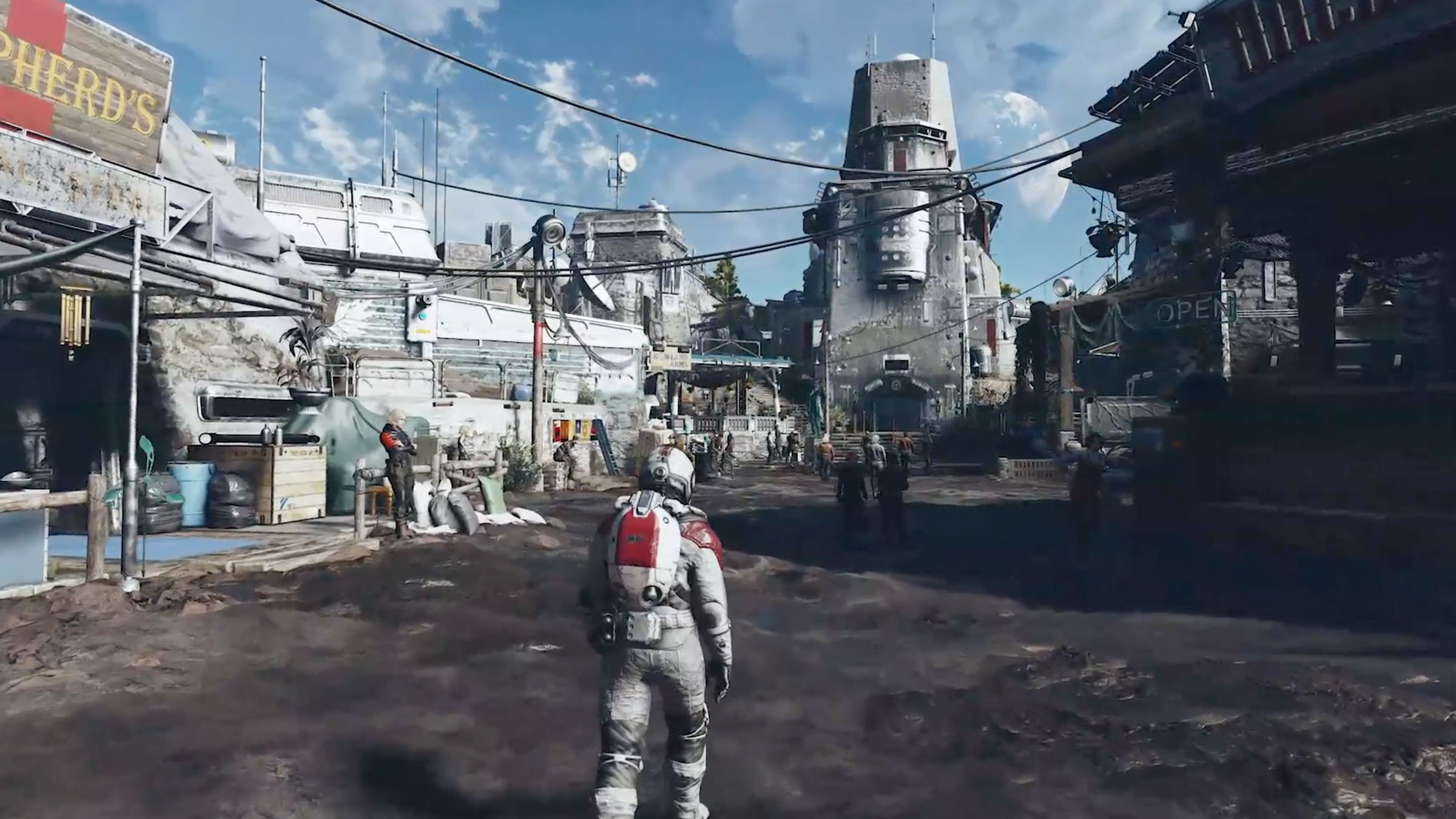
It’s become common for new game releases to follow a predictable pattern. Players get excited, but within hours, the discussion shifts from gameplay and story to technical issues. Reports of stuttering and uneven frame rates quickly appear, and players share temporary fixes instead of real solutions. This isn’t surprising anymore – it’s almost expected. A smooth, problem-free launch is now rare and almost legendary in the gaming industry, a standard few new games even try to meet.
It’s no longer enough for a game to simply launch. Players now actively prepare before release, carefully checking if their computers can handle it and eagerly awaiting first impressions. The options menu becomes a place for tough choices, as people try to get the game running smoothly, rather than just customizing their experience. Even powerful computers aren’t safe from performance issues, creating a sense of suspense. For a long time, a game running well hasn’t been a sure thing. Instead, it’s become a question that gets answered as you play. Each new game feels like an experiment, and everyone expects there will be problems.
Game developers fix problems after release, and players have become accustomed to waiting for those fixes. Over time, these patches often lead to a more stable game, and issues that would have been considered major flaws at launch are now seen as normal parts of the release process – something that can be fixed later. The real issue isn’t just that problems happen, but that we almost expect them. Performance isn’t seen as something a game should have from the start, but something that improves over time. It’s become an afterthought, and once people get used to this, it’s hard to go back to expecting a polished game right away. Why have we all become so accepting of this?
Dynamic Resolution Has Become a Crutch for Performance

I’ve noticed a real change in how games are made lately. It feels like making a game look smooth has become more important than actually making it run perfectly. They’re using tricks like automatically adjusting the image quality – you barely notice, but it’s subtly making things less sharp when the game is struggling, all to keep the frame rate up. It looks good on paper, and honestly, most players are happy because it feels smoother. But we’re losing something in the process, a bit of visual fidelity. It’s rarely talked about, even when you can see it happening. It’s like this quiet compromise that we just accept, and after a while, it doesn’t even feel like we have a choice anymore. It just is.
The visual quality isn’t immediately noticeable, but it subtly shifts during intense moments. The image becomes a little softer when a lot is happening, then quickly sharpens up again when things calm down. It feels smooth and natural, almost as if you don’t notice the changes, until you start to pay close attention. The game essentially adjusts its clarity to try and maintain a consistent look. However, if you’re observant, you’ll eventually realize this is happening – especially if you’re familiar with how games usually perform. It’s less about the game struggling and more about it actively changing how things look. This difference is slight, but once you see it, it’s hard to unsee.
The problem isn’t the technology itself – it’s great that more people can enjoy new features. The real issue is that it’s often used as a quick fix instead of truly improving performance. Instead of fixing the underlying problems, systems are patched up to avoid noticeable failures. Most users won’t consciously realize it, but they’ll feel it – a slight blurriness, a small loss of sharpness. It’s like holding things together with temporary fixes instead of building a stable foundation. What started as a smart solution has become a default crutch, and the more we depend on it, the more it negatively impacts the overall experience it was intended to enhance.
What do you think? Leave a comment below and join the conversation now in the ComicBook Forum!
Read More
- The Super Mario Galaxy Movie: 50 Easter Eggs, References & Major Cameos Explained
- Surprise Isekai Anime Confirms Season 2 With New Crunchyroll Streaming Release
- 10 Best Free Games on Steam in 2026, Ranked
- Why is Tech Jacket gender-swapped in Invincible season 4 and who voices her?
- Preview: Sword Art Online Returns to PS5 as a Darker Open World Action RPG This Summer
- Skate 4 – Manny Go Round Goals Guide | All of the Above Sequence
- Overwatch 2 G.I. Joe Crossover Launches July 1: Join the Battle Between Heroes and Villains
- The Super Mario Galaxy Movie Is An Amusing Sequel (And an Improvement) [Review]
- All 13 Smash Bros. Characters in the Super Mario Galaxy Movie
- The Punisher: One Last Kill Trailer Review: MCU Special Could Be a Game Changer
2026-04-11 02:11