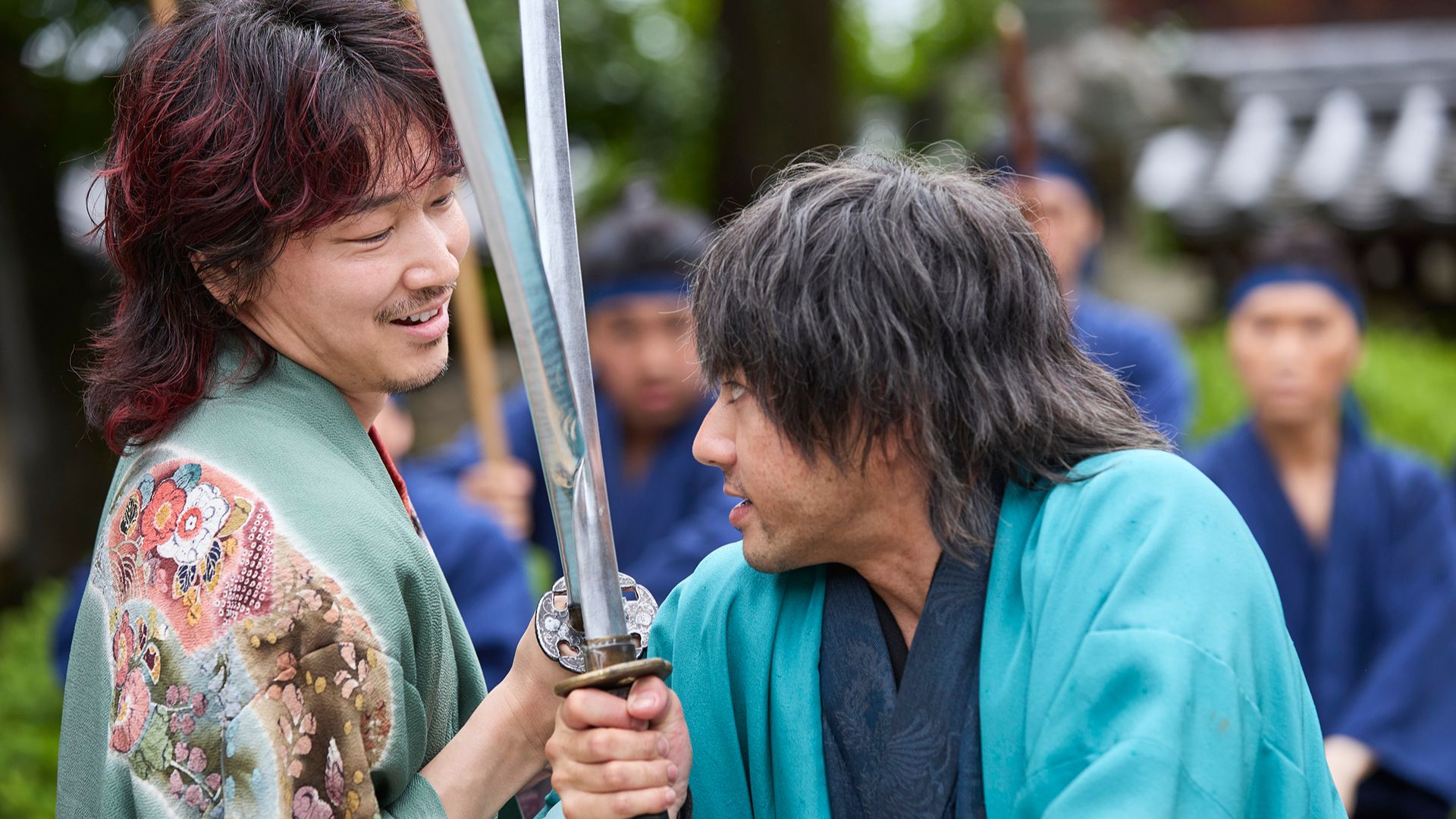
HBO’s Song of the Samurai offers a new take on the Shinsengumi, a famous historical police group from 19th-century Japan. The Shinsengumi are well-known in Japanese culture and have been depicted in many films, TV shows, and anime—particularly in traditional historical dramas and action-packed sword-fighting stories. This series is a live-action adaptation of the manga Chiruruan: Shinsengumi Requiem by Umemura Shinya.
HBO’s Song of the Samurai, much like the story it’s based on, centers around Hijikata Toshizo, a famous leader of the Shinsengumi, a special police force from 1869. The series begins by showing Toshizo as a young man, traveling and selling medicine while trying to prove himself. In the first episode, his travels bring him to the Shieikan Dojo, where he’s taken on as a student by Kondo Isami. Kondo, Toshizo, and the others who come together will eventually form the Shinsengumi, but the show leaves viewers wondering what that will actually entail.
For hundreds of years, Japan was governed by the powerful Tokugawa shogunate, with the emperor acting as a symbolic figurehead. This changed when Western merchant ships, known as the Black Ships, arrived and created division within the government. The main debate became whether Japan should open itself to trade and new technologies from the West. By the end of the Edo period, the shogunate had allowed foreign diplomats into the country, but the emperor insisted on keeping all foreigners out. As tensions escalated, the shogunate formed a special police force made up of masterless samurai, called the Shinsengumi, to maintain order.
How The Shinsengumi In Song Of The Samurai Compare To History
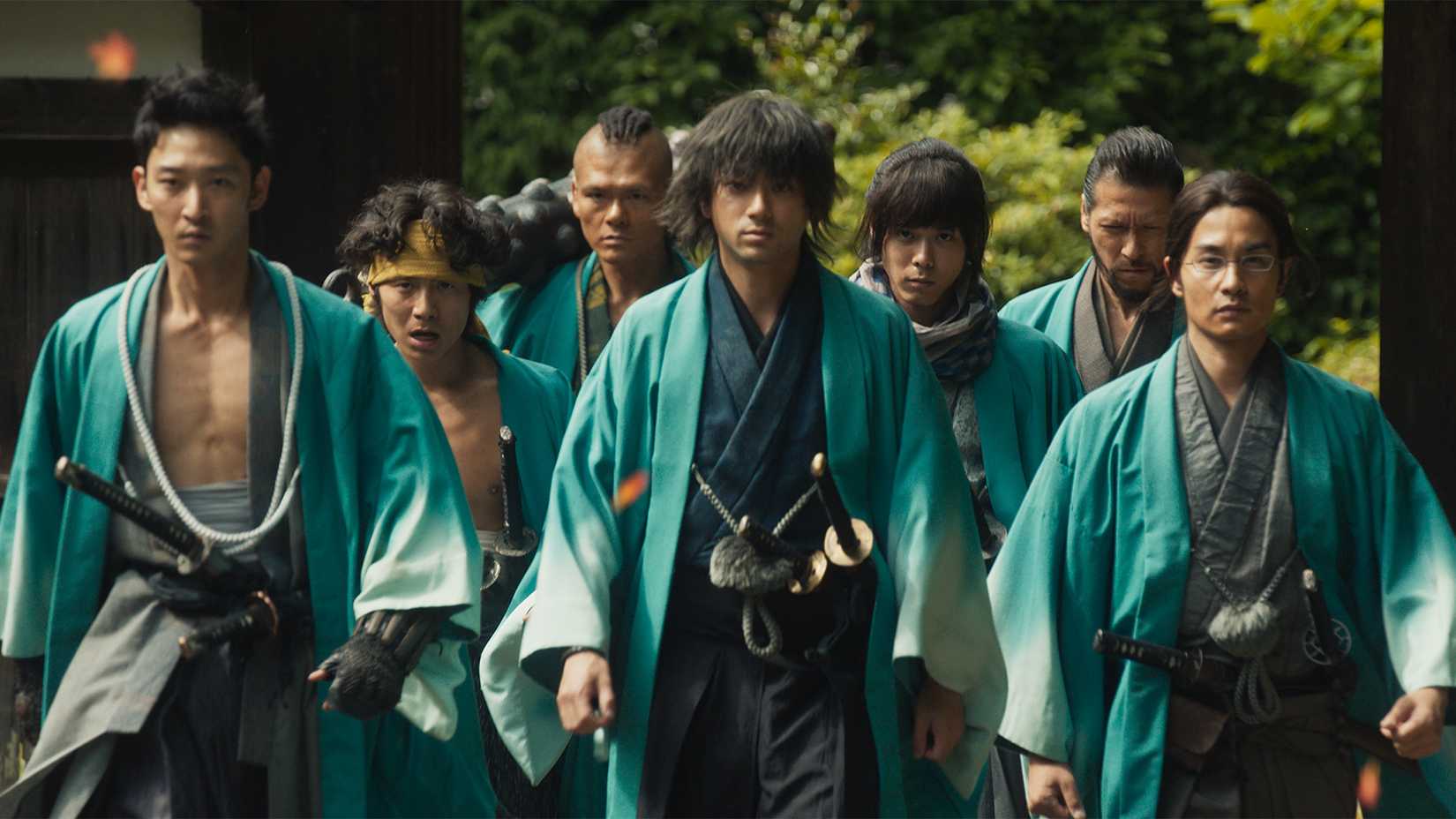
The first episode of Song of the Samurai introduces Kondo, Toshizo, and their companions as they arrive in Kyoto to become part of the Roshigumi – a group of masterless samurai tasked with protecting officials traveling between Edo and the capital. But upon arrival, they learn the Roshigumi’s leader, Kiyokawa Hachiro, secretly intended to use the group to drive foreigners out of Japan. As a result, Kondo decided to forge his own path.
The events depicted are largely consistent with historical records. The dissolution of the Roshigumi directly resulted in the creation of the Shinsengumi, with Kondo Isami becoming its leader. Every member of Kondo’s dojo featured in Song of the Samurai is based on a real person who served with him in the Shinsengumi between 1863 and 1869. While the characters’ personalities, conflicts, and relationships are fictionalized for the story and manga, their backgrounds are rooted in historical facts.
What Happened To The Real Shinsengumi & What This Could Mean For Song Of The Samurai
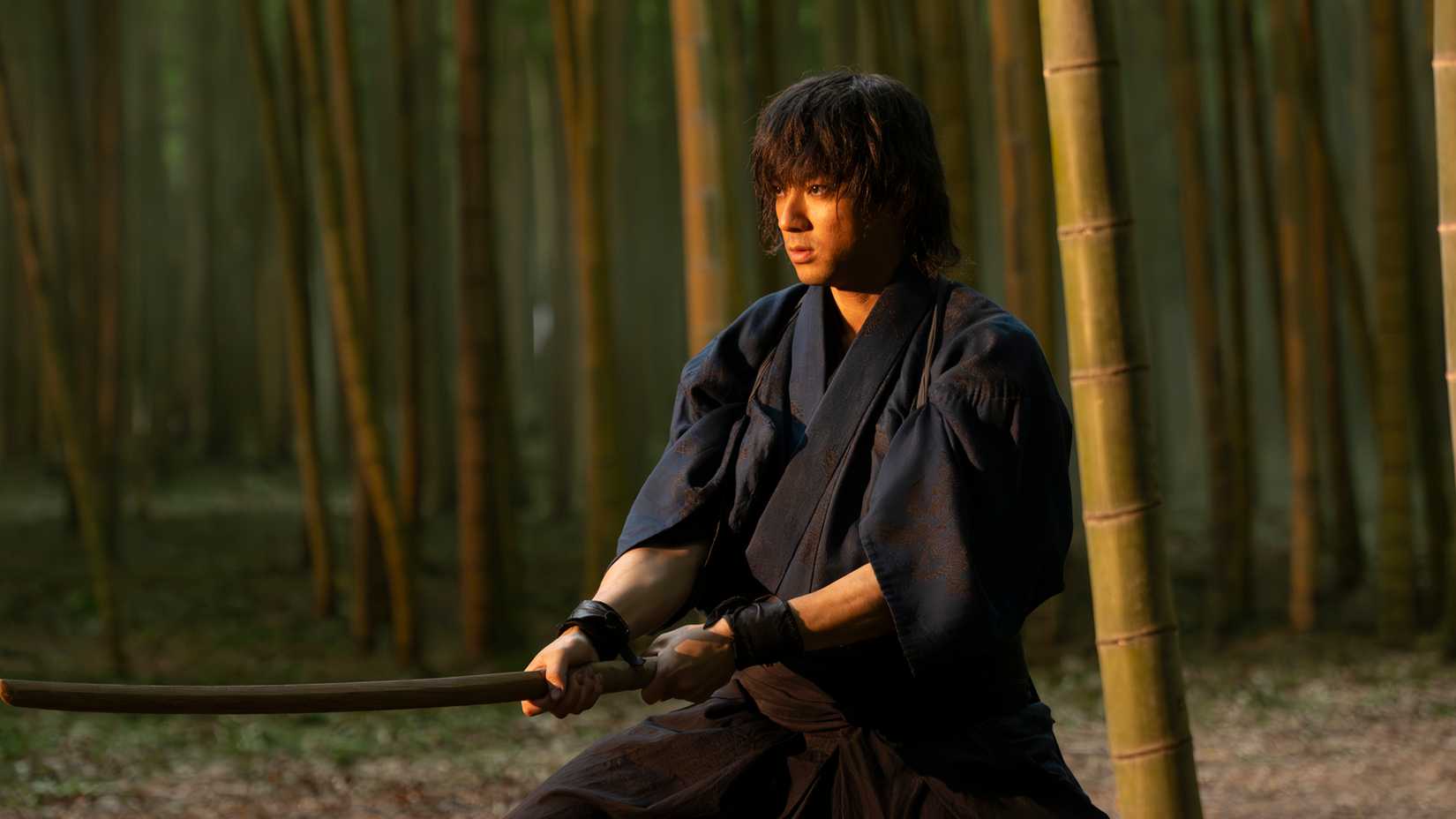
Historical dramas, shows, and comics often depict the Shinsengumi in varying ways – sometimes as honorable heroes, and other times as antagonists. However, their ultimate story remains consistent. The shogunate was ultimately defeated, and Emperor Meiji took control of Japan, marking the start of the Meiji Restoration. Though the Shinsengumi fought on in subsequent battles, their leaders never succeeded in regaining power. Gradually, important figures like Kondo and Toshizo perished, leaving only a small number of Shinsengumi members to survive the war.
Given the historical context, Song of the Samurai doesn’t promise a cheerful conclusion. However, that’s not the focus of the story. Regardless of who was ‘right’ in the conflict, Toshizo and the Shinsengumi fought valiantly for their convictions. Before the inevitable, sad ending, Song of the Samurai will deliver a thrilling and historically rich experience as the famed Shinsengumi face their heartbreaking fate.
Read More
- Gold Rate Forecast
- 10 Most Powerful Versions of Superman, Ranked
- GBP CNY PREDICTION
- 10 Best Free Games on Steam in 2026, Ranked
- 007 First Light: Release Date, Story, Gameplay, Cast, Editions, and Platforms
- Superman’s 7 Best Power-Ups, Ranked
- Forza Horizon 6 Car List So Far: Confirmed Highlights, Cover Cars, DLC, and Rewards
- 10 Greatest Manga Endings of All Time
- DOGE PREDICTION. DOGE cryptocurrency
- BONK/USD
2026-05-10 04:38