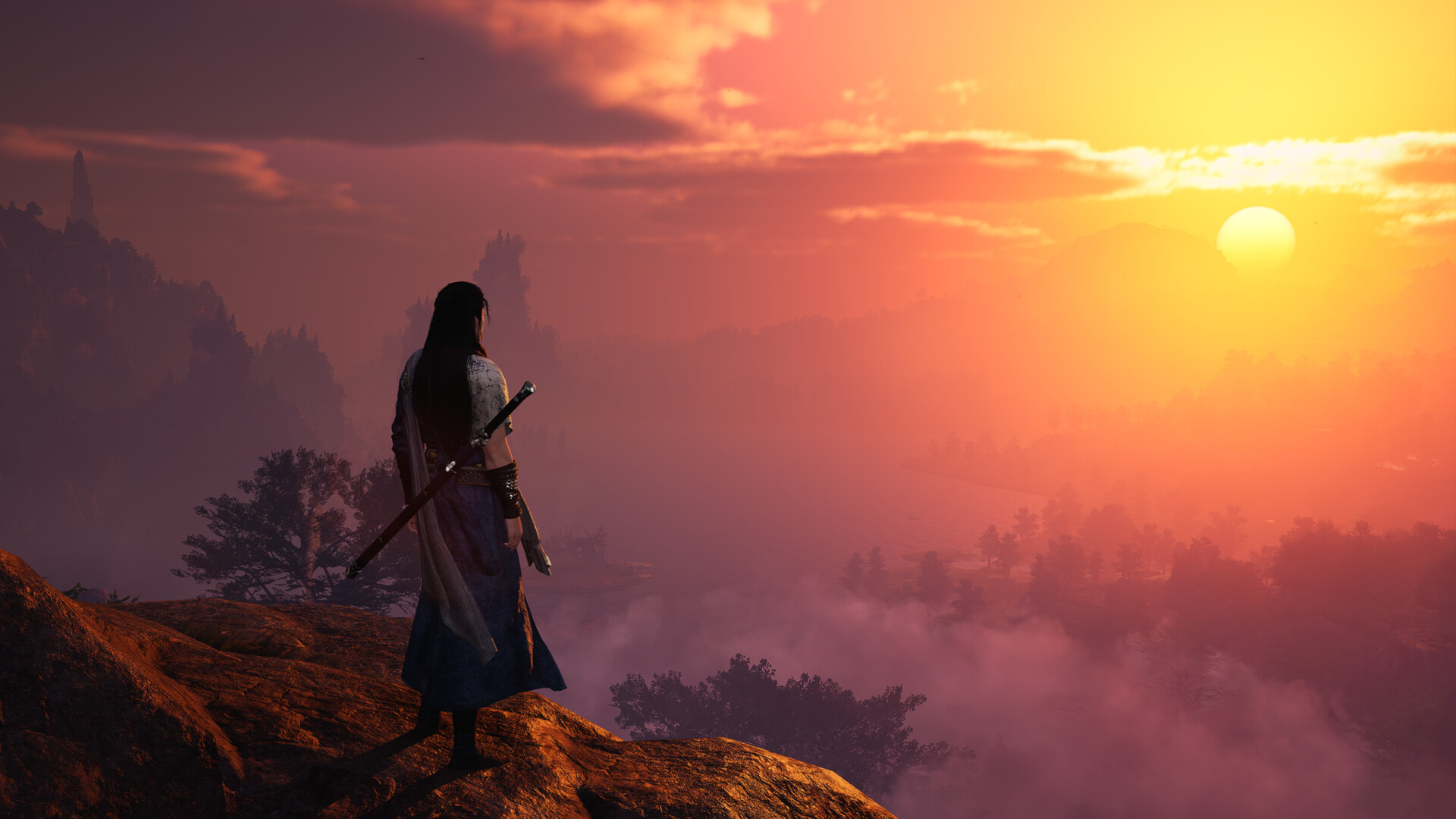
Even after playing other games, I keep thinking about Where Winds Meet. I really wanted to jump back in, continue improving my skills with the dual blades, and finish the intriguing mysteries I’d started to unravel.
I’ve played this game for over 100 hours now, which is usually enough to experience everything most games have to offer. However, with Where Winds Meet, I feel like I’ve only just begun to explore its world, even though I’m actively trying to uncover all of its content. It’s remarkable – how does a free-to-play game manage to compete with much larger, more expensive titles?
I’ve got a few ideas, and quite a bit to say about them. Let’s get started.
The Road Goes Ever On and On
I love starting a new open-world game by simply trying to travel from one place to another, and seeing just how many interesting things pull me off course. It’s a great way to get a sense of how much the game world has to offer. Where Winds Meet really excels at this – there’s so much to see and do that it feels almost impossible for a single character to experience it all.
Many open-world games have successfully created a sense of freedom and exploration, but often struggle to maintain that quality with their side content. Too often, these optional activities become repetitive or feel less polished than the main story. It’s disappointing when this happens, but truly rewarding when it doesn’t—The Witcher 3: The Wild Hunt is a prime example of a game that excels in this area. CD Projekt Red continued this trend with Cyberpunk 2077, offering high-quality side quests and activities.
Games with truly captivating worlds naturally keep players hooked, making time fly by. Both titles I’ve played are examples of games I’ve lost countless hours in. When a game has a great story and equally compelling side quests, it’s one you’ll want to play for a long time.
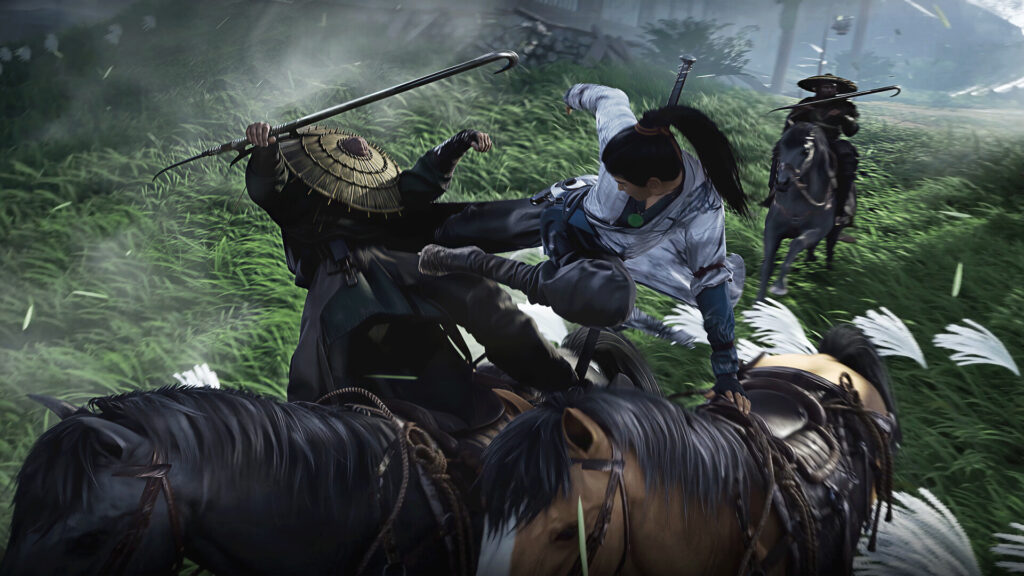
Where Winds Meet is a standout game that truly encourages exploration. It’s so rewarding to search for hidden treasures, story details, and secrets that it almost feels right to play as a carefree traveler, letting curiosity guide you. With a sharp mind and skillful combat, you’ll be well-equipped to handle whatever challenges you encounter.
The game holds a rich and fascinating history, something the developers highlighted before its release, which made uncovering it even more appealing. I was really drawn to the surprisingly detailed lore and spent a lot of time reading everything I could find. It reminded me a lot of Elden Ring – the game strikes a great balance between revealing enough to understand the story, but still leaving room for players to interpret things and form their own theories, which keeps it engaging.
I’ve been completely hooked on Where Winds Meet! The world is just gorgeous and so well-crafted, it really pulled me in. I found myself lost in it, wanting to try everything the game had to offer, and that’s how I stumbled upon what quickly became my favorite part.
The Art of Combat
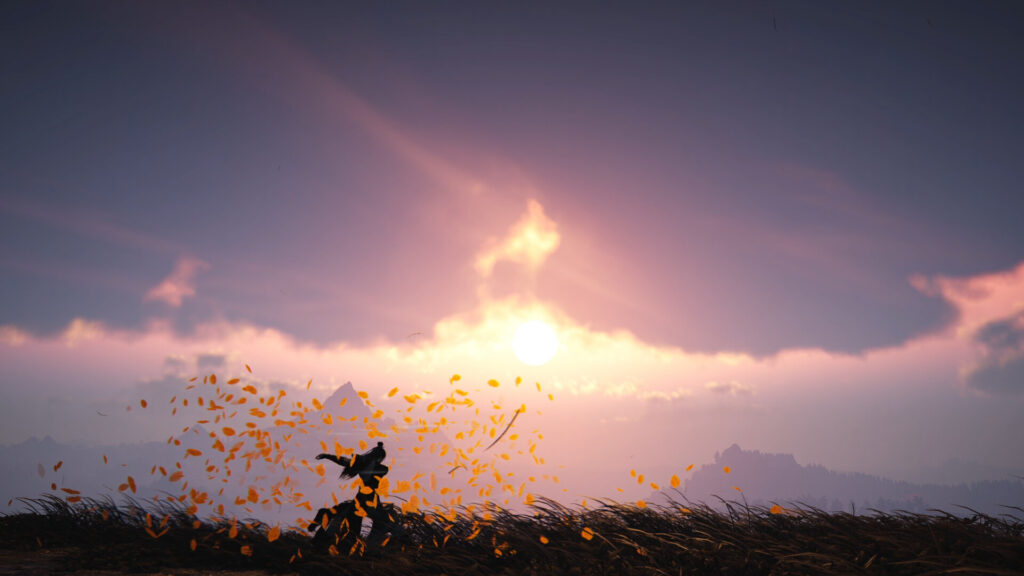
The developers were clearly passionate about both the game’s combat and its story, and they created a combat system that promised to be excellent. Early impressions were great, so I was really excited to try it out and see if it lived up to the hype.
Even after playing for over a hundred hours, I’m still captivated by how well the combat works in this game. It feels like the developers took the best parts of recent action games and created something that’s both innovative and comfortable. The controls are intuitive, but every fight is a challenging back-and-forth where you need to strategically use your equipment to survive and gain an advantage.
This game’s combat system clearly draws inspiration from some of the best action games out there. The timing for blocking attacks feels a lot like Sekiro, and the speed and style of the fights remind me of games like Nioh and Rise of the Ronin. It doesn’t simply copy those games, though; instead, it uses similar fast-paced action to create a really engaging combat experience that will keep you playing for a long time.
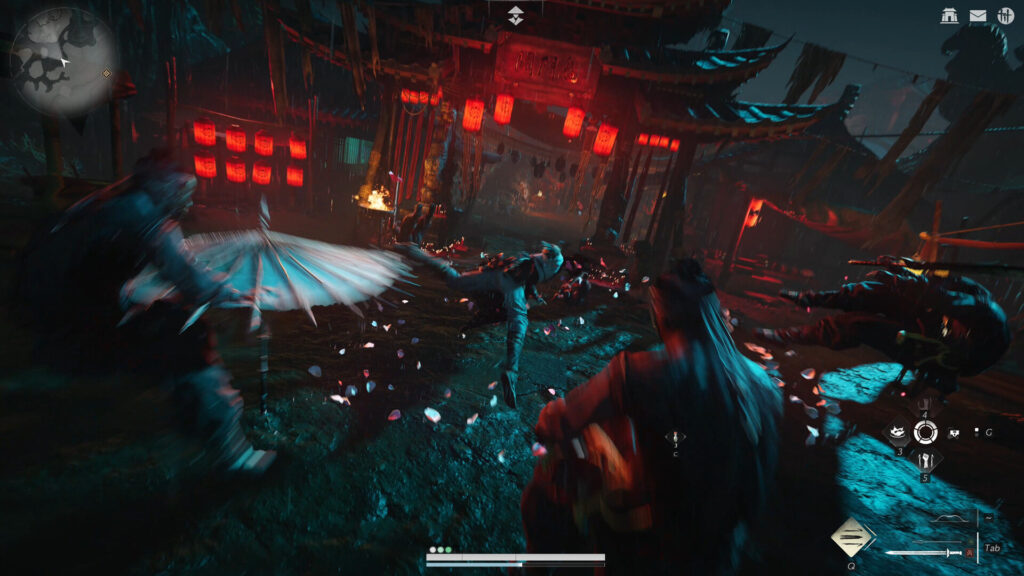
The game’s aggressive enemies are a major strength. You’ll need to meet their relentless attacks head-on, mastering the parrying system – much like in Sekiro – to create openings. When you do, the resulting combat feels incredibly satisfying, with fluid animations that perfectly capture the game’s wuxia-inspired world.
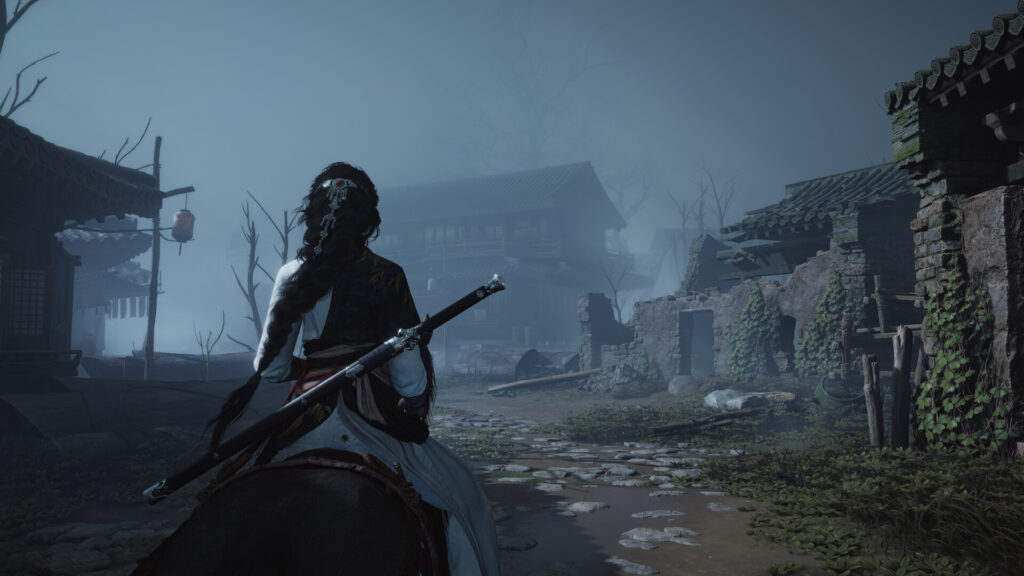
The animations for characters and enemies are beautiful. Every weapon has strengths and weaknesses, making it really enjoyable to try out different combinations, especially later in the game when you have the funds to upgrade them quickly. As someone who loves to fully explore games and constantly adjust their character build, Where Winds Meet felt perfectly designed for me.
That’s just in the game’s solo campaign, though. Online, you can team up with other players to help them with their quests, or compete against them in duels or large-scale battles. The player-versus-player combat is incredibly fun, and I’ve spent a lot of time playing it.
This game has the same exciting potential I’ve seen in other multiplayer action games like the Souls series, but it’s more approachable for a broader range of players. It’s incredibly engaging – I’ve already spent over 100 hours playing, and with even more content planned, it’s easy to see that number growing.
My friends and I are really into Where Winds Meet now – it’s become our go-to game for some competitive fun and friendly trash talk. The combat is easy to pick up, but surprisingly complex, and you quickly discover cool strategies other players are using. It’s captivating, and gives you a great reason to keep playing and experimenting with different character builds in the Jianghu.
Making Connections
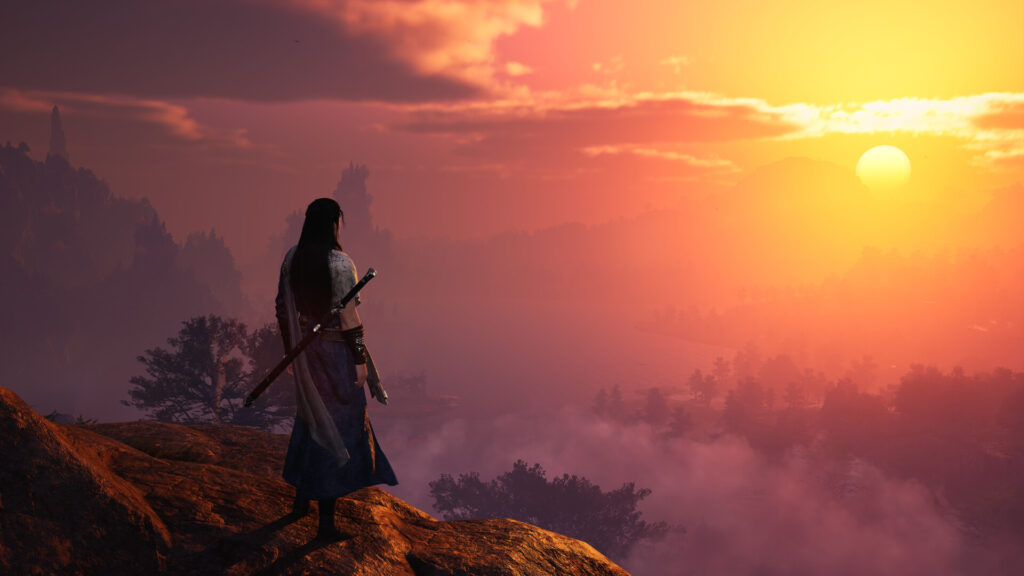
Beyond the battles, I really enjoyed the RPG elements in Where Winds Meet, especially the guild system. Being part of a guild and participating in its activities was a genuinely fun experience.
There’s plenty of reason to visit the game world every day – you can collect rewards and relax, and you might even find some friendly competition from fellow guild members in PvP battles. But it’s not just about your guild; the game really encourages you to build a wide network of friends and connections with other players.
If you’re someone who loves talking to people, you might be getting distracted by the ability to chat with characters in the game! And honestly, it’s a really fun distraction. It’s a good reminder that even the best adventures are more enjoyable when you share them with interesting people.
The characters in Where Winds Meet truly make the game special. The conversations are unique and branching, and I’m constantly discovering new content just by chatting with the NPCs. It’s incredibly well-executed and creates a deeply immersive experience – it’s one of the best systems in the game.
The game offers a fresh approach to features found in other popular titles. It’s reminiscent of Red Dead Redemption 2 and Watch Dogs: Legion, which both allowed you to learn about and interact with detailed NPC profiles. Like those games, this one strives to make its characters feel like they have lives of their own, even when you’re not directly involved. The A-Life system in STALKER 2 is another excellent example of how believable NPCs can add depth and realism to a game.
In Where Winds Meet, the game’s characters feel surprisingly independent, and a unique design choice I was hesitant about actually became one of my favorite parts. I found myself spending a lot of extra time just talking to people, and I plan to do so in future playthroughs. These conversations are well-done, making each character feel like a potential friend and a source of helpful information. It really captures the joy of discovering things naturally as you play.
Having great features isn’t enough to make a game truly excellent; it’s how those features work together that really matters. Luckily, Where Winds Meet skillfully uses its wuxia setting to enhance the overall experience, letting the genre create a rich and immersive atmosphere.
The music in Where Winds Meet creates a feeling of openness and potential. It’s a vibrant soundtrack that makes the game world feel alive and everything you do more enjoyable. You’ll find yourself humming the tunes even when you’re not playing, carrying the game’s energy with you into your everyday life.
It’s truly beautiful, and it’s only natural to want to spend a lot of time enjoying it.
Please be aware that the opinions shared in this article are solely those of the author and don’t reflect the official stance of GamingBolt.
Read More
- What Song Is In The New Supergirl Trailer (& What It Means For The DC Movie)
- Eurogamer Gives ARC Raiders 2/5 Over AI Voices, Dropping Metacritic Score from 94 to 84
- Gold Rate Forecast
- ‘The Odyssey’ Trailer Debuts First Look at Nolan’s New Epic
- Ubisoft’s Best Game From the Last 5 Years Is Surprising
- Teresa Giudice’s Real Housewives Season One Salary Revealed
- 10 Best Connie Episodes of King of the Hill
- Han Solo’s Most Confusing Line in The Empire Strikes Back Isn’t “I Know”
- Meet the Real-Life Inspiration For Sex and The City’s Mr. Big
- Invincible Season 4 Confirms a Major Atom Eve Change From the Comics
2026-01-05 17:49