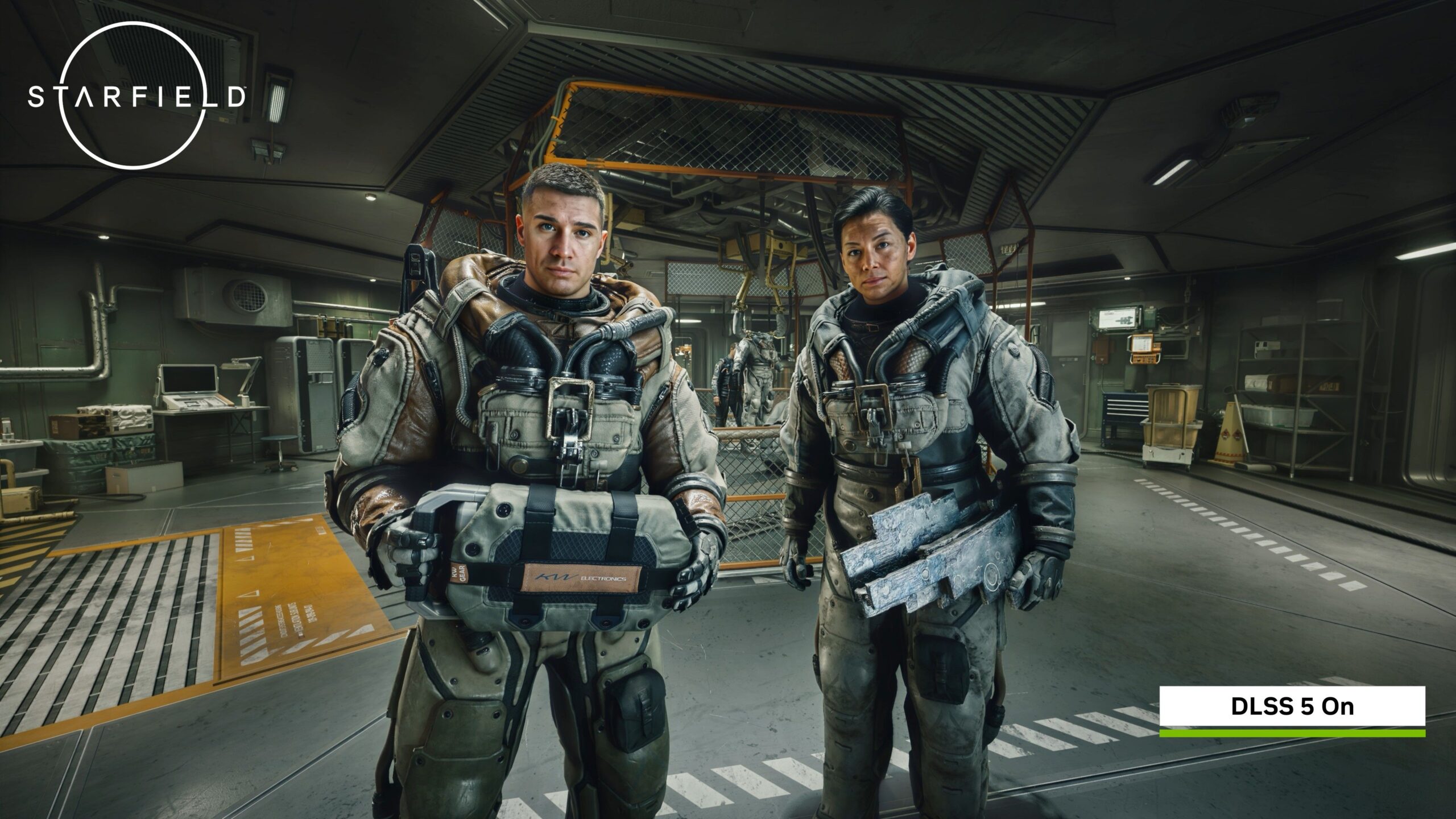
We absolutely loved Starfield when it launched in 2023, and our initial review gave it a perfect score. While we scored the PS5 version slightly lower, it wasn’t due to major flaws. Rather, some of the original game’s issues remained, even after nearly three years of updates based on player feedback. It’s clear the player base is quite divided on the game’s strengths and weaknesses.
Many people who love a game might overlook its flaws, but that wasn’t the case here. We believe Starfield fully commits to its vision, and whether you enjoy it or not depends on if you accept those choices. It’s not simply a good or bad game; it’s polarizing because it deliberately emphasizes certain strengths, even if it means making sacrifices in other areas.
Starfield is a game of fascinating contradictions. What makes it special also causes some of its biggest problems. Curious about how that’s possible? Let’s explore the game’s vast universe and see why it’s both celebrated and criticized for being exactly what it is.
The Grand Scheme of Things
Let’s talk about how massive Starfield is. The game isn’t just a world – it’s an entire galaxy for you to explore. As a sci-fi adventure where you create your own destiny among the stars, it’s incredibly large and ambitious. The game’s scope is truly impressive, and the freedom to travel between star systems, join different factions, and complete their quests creates an unpredictable and exciting adventure.
What I really love about this game is how much freedom it gives you. Seriously, the whole galaxy feels open and there’s always something to do. You can pick a side with different factions, design and build your own ships, and even scout out planets before you land. Plus, you can make a living smuggling or mining, and the RPG elements let you create a character that really feels like you – just a small part of this massive, awesome universe. It’s a dream come true, honestly, being right in the middle of everything while still feeling like a tiny piece of something huge.
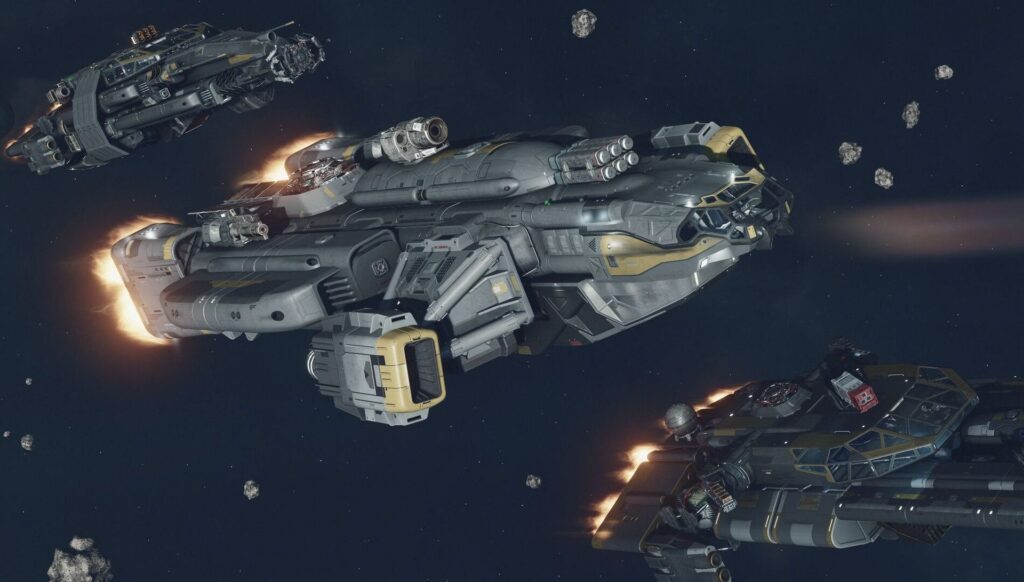
While the game has some good qualities, it’s understandable why some players struggled with it. The game aimed for a vast, connected universe, but ended up feeling broken up by menus and loading screens. This made it hard to get truly immersed and created a sense of disconnected maps instead of a cohesive world, especially for players who couldn’t quite get into the gameplay.
The vast freedom in Starfield, while appealing, initially felt isolating for some players. Unlike many other games that gently guide you into the experience, Starfield dropped you in and expected you to forge your own path. While other titles offer structured adventures, Starfield prioritized the freedom to explore – a difference that many players, with limited time, struggled to appreciate right away.
Instead of feeling grand and inspiring, the game’s vastness often felt restrictive, like it was intentionally creating obstacles for players. What was intended as liberating freedom to create a unique journey instead left players feeling lost and directionless in space, unable to find the meaningful experience they expected.
The game demanded a significant time commitment, which proved too much for many players to offer.
Learning To Love It
Let’s be real, we understand why some players didn’t immediately connect with Starfield. It can feel a little complex at first, and it takes time to find a playstyle that suits you. However, once you do, the game really shines. We especially loved the faction questlines and the satisfying process of developing our characters. It’s also incredibly immersive to explore the side quests and simply live in such a vast and unpredictable universe.
Considering Starfield was developed by Bethesda – a studio known for making high-quality games – many of these aspects were expected. However, it was also a game that required time and effort to fully understand. It’s fair to say we kept playing simply to give it a complete and fair review. But the fact that we all continued to enjoy the game even after finishing our initial assessment really shows how good it is.
However, upon closer inspection, we noticed some flaws in the overall experience, typical of Bethesda games. Certain aspects, particularly within the Constellation, felt rigid and unrefined. For example, character conversations often lacked realistic facial expressions, and some game systems seemed a bit dated compared to those in more recent titles like Red Dead Redemption 2 and Baldur’s Gate 3.
Bethesda games are famous for their quirks, so it was strangely comforting to see those same oddities in Starfield. However, we also wondered if those familiar elements meant the studio was hesitant to change, especially in a gaming landscape that’s constantly moving forward.
As a gamer myself, I think a big part of the reaction to Starfield comes down to how little time people have these days. First impressions really matter, and it felt like the game took a while to show what it was truly about. Honestly, it asked a lot of us pretty early on, demanding patience when so many other games grab you right away. I get why some people bounced off it – it’s frustrating to feel like you have to work to enjoy something! It’s a shame though, because once it clicked, it was amazing, and I hate to think of potential fans missing out on all the fun it has to offer.
But what exactly were they missing?
Living In The Moment
We found Starfield most enjoyable when played as an open-world RPG, even though it initially feels like a game about exploring space. We especially liked interacting with the different groups in the game and dealing with the consequences of those interactions, as well as the many choices available for customizing our character. We focused on building a life – buying homes and ships – and used space travel to achieve specific objectives rather than just wandering aimlessly.
Players who anticipated a vast, open-ended experience may have been disappointed by the game’s initial focus on grounded, directed gameplay. For them, the game felt too restrictive, and this disconnect between what they expected and what the game offered was a key reason for the negative reaction it received. It felt like the game held them back from the freedom they imagined.
Now that the game is available on PS5, we anticipate the usual debates will start among new players experiencing it. This feels similar to the reaction to Crimson Desert, which was bold in its design and faced some criticism, even though many people couldn’t stop playing it.
The arguments surrounding Starfield aren’t just temporary hype – they stem from core elements of the game itself. It might not be the perfect RPG everyone hoped for, but its ability to strongly divide players actually makes it unique. What excites some fans can frustrate others, and that’s created a really interesting discussion about games that ask a lot of players, rather than simply catering to them.
If you approach Starfield with an open mind and let yourself get immersed in its world, you’ll experience a memorable space adventure that will stick with you even after you finish playing. That’s why we’re happy this game exists.
Just so you know, everything written here is my opinion as a fan – it doesn’t necessarily reflect what GamingBolt as a site thinks, and they shouldn’t be seen as agreeing with everything I say!
Read More
- The Super Mario Galaxy Movie: 50 Easter Eggs, References & Major Cameos Explained
- Surprise Isekai Anime Confirms Season 2 With New Crunchyroll Streaming Release
- 10 Best Free Games on Steam in 2026, Ranked
- Sydney Sweeney’s The Housemaid 2 Sets Streaming Release Date
- Welcome to Demon School! Iruma-kun season 4 release schedule: When are new episodes on Crunchyroll?
- Why is Tech Jacket gender-swapped in Invincible season 4 and who voices her?
- Preview: Sword Art Online Returns to PS5 as a Darker Open World Action RPG This Summer
- Skate 4 – Manny Go Round Goals Guide | All of the Above Sequence
- Joel Kinnaman Claims ‘Peacemaker’ Was His Last Time as Rick Flag Jr. in the DCU
- Forza Horizon 6 ‘Prologue’ gameplay
2026-04-10 16:43