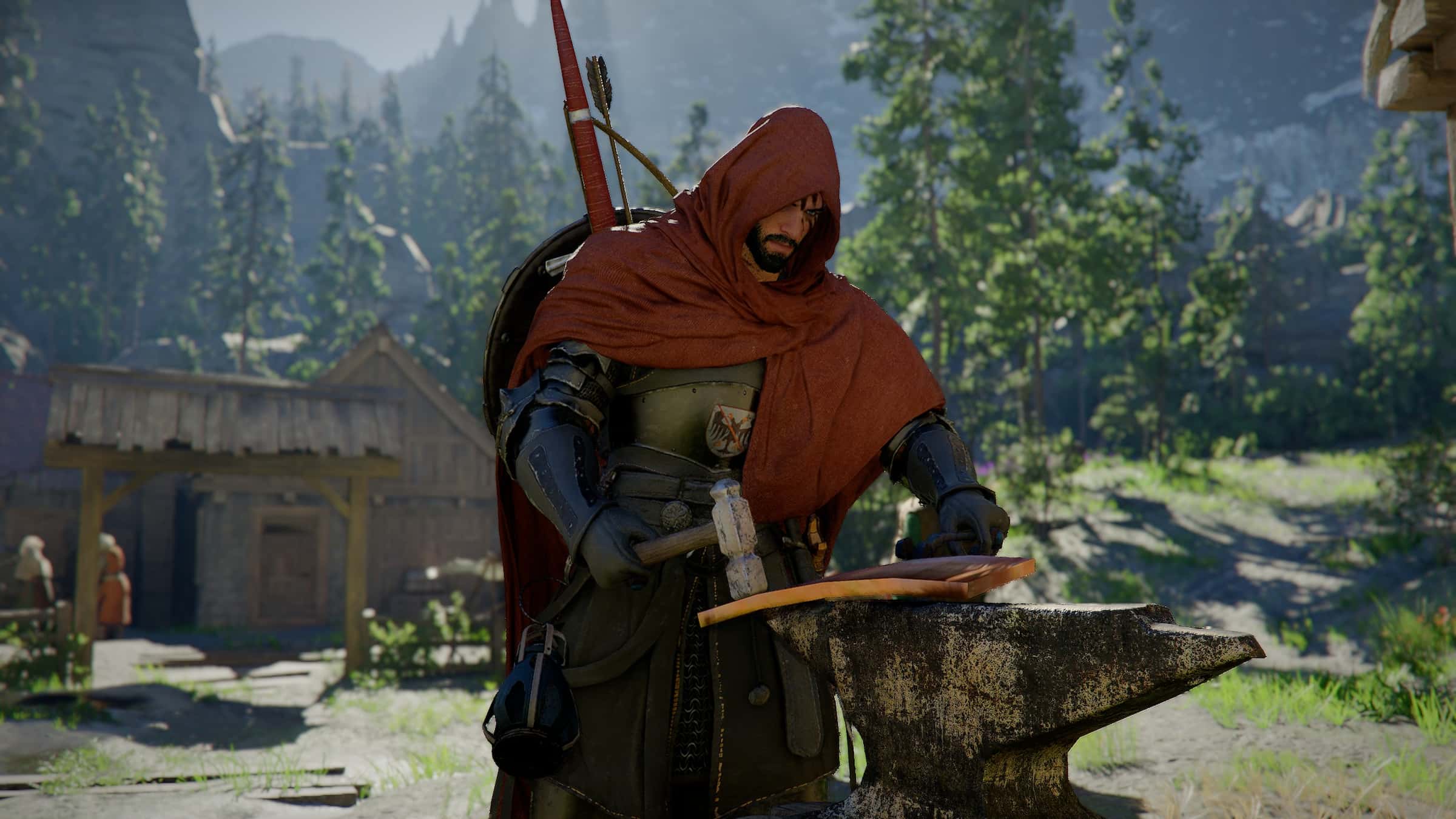
Crimson Desert is different from many modern games because it doesn’t try to immediately grab your attention or hold your hand. It demands effort and commitment from players, and won’t lower its complexity to make things easier. If you’re not prepared to invest the time and energy, you might find yourself struggling and frustrated.
One of the main reasons Crimson Desert is so intricate is its many interconnected systems, which offer a surprising level of depth. Unlike many modern games designed to be easily accessible, Crimson Desert requires players to be patient and truly engage with its mechanics. While this challenge might not appeal to everyone, it’s what makes the game feel substantial. To fully appreciate it, you can’t just play in short bursts – it demands commitment and sustained effort.
Crimson Desert Pushes Back Against Your Time
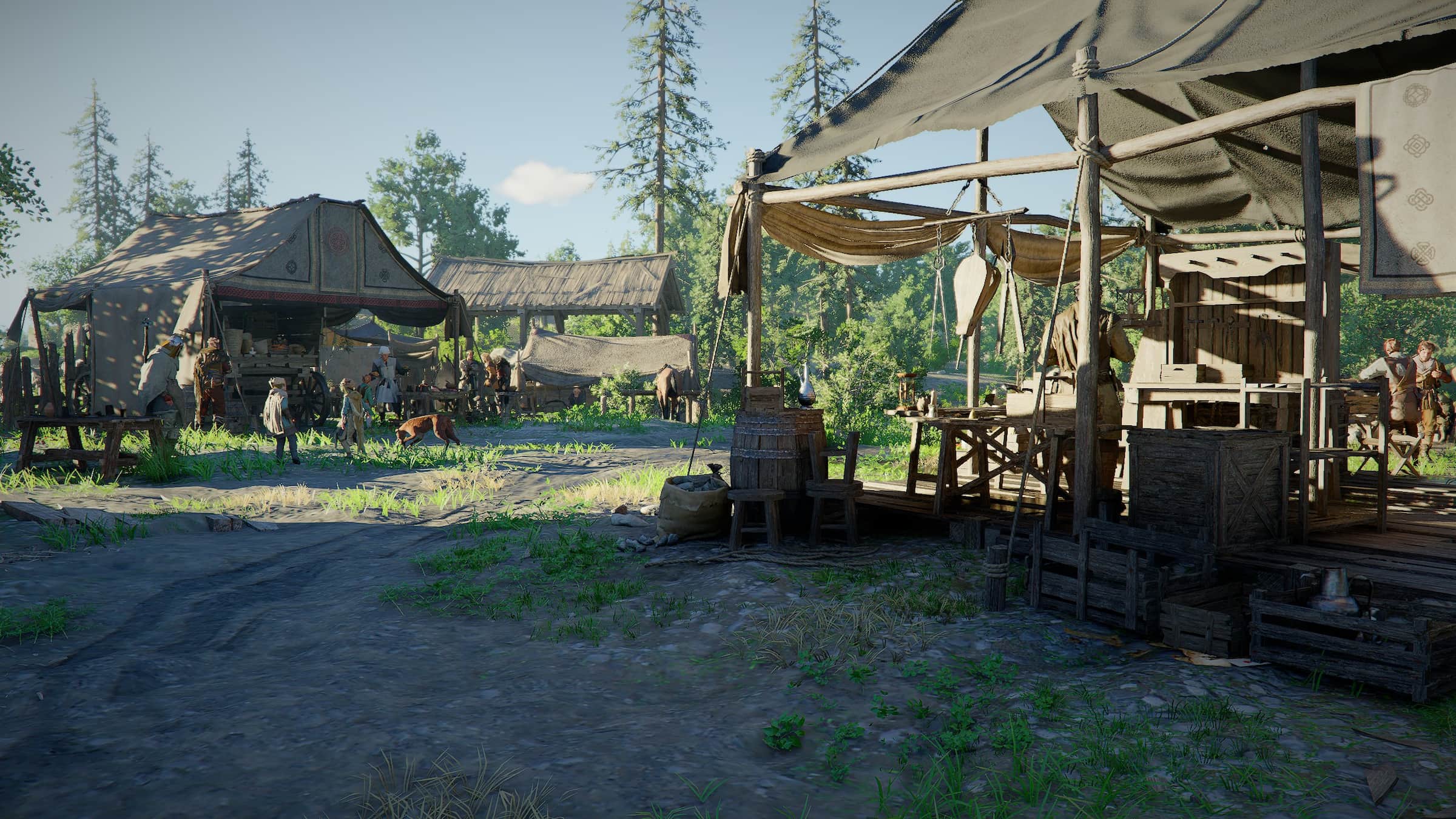
Crimson Desert respects your time in a unique way. Unlike many modern games, it doesn’t rush you or remove challenges for the sake of convenience. Progress feels earned and unfolds at a deliberate pace, which can be a bit surprising if you’re used to faster-paced games. It encourages – and sometimes forces – you to slow down, and there are consequences if you try to rush things.
This game constantly pulls you in, demanding your full attention. Quests change in surprising ways, different game systems connect and require you to truly understand them, and the world itself feels alive, rewarding those who stay engaged. You can’t just autopilot through it – you need to actively follow how everything connects over time. This creates a deeply immersive experience, but it also means the game isn’t easy to pick up and play casually. Simply going through the motions won’t let you fully appreciate everything it has to offer.
The game’s challenging aspects will likely discourage some players, and we’ve already seen strong reactions from those who haven’t continued. It can be slow to pick up, and fully understanding everything takes time. However, if you persevere, the game changes. It stops feeling like a list of things to do and starts to feel like a rewarding experience that values dedication and learning. This shift only happens after you’ve played for a while, which explains why people have such different opinions about it. Essentially, the game truly reveals itself to players who are willing to commit.
Complexity That Refuses to Be Simplified
Crimson Desert isn’t a game that shows all its cards at once. What appears simple at first glance gradually becomes more intricate as you play. Different game systems connect in unexpected ways, and even small details can have a significant impact, which isn’t immediately obvious. This complexity is intentional – it’s central to what makes the game unique, and creates a feeling that there’s always something new to discover.
Most modern games simplify things for players, but Crimson Desert does the opposite. Its gameplay is deliberately complex, and the game doesn’t hold your hand. Instead, it expects you to learn the intricate systems over time. This can be frustrating at first, especially as those systems start to connect in unexpected ways. It demands patience, which some players might not have, and relies on a level of dedication that’s uncommon in today’s games.
The reward for sticking with it is a real feeling of accomplishment. As the different parts of the game start working together, it unlocks possibilities you wouldn’t find in simpler games. Players who put in the time begin to understand connections they didn’t see at first. This feeling of progress feels truly deserved, making each success even more rewarding. It’s a design that asks a lot of players, but offers a lot in return. This balance is what sets it apart from games that are easier to pick up, but don’t offer the same depth.
Honestly, Crimson Desert feels different from most games out there. It’s not something you can just blast through quickly – it really wants you to invest time and effort. It doesn’t shy away from being challenging, and sometimes it wants to frustrate you, pushing you to really learn its systems. If you’re up for that, it’s incredibly rewarding. But if you’re looking for something easy and quick, you might find it really frustrating. It’s a game that only pays off if you’re willing to commit, and that’s not for everyone.
What do you think? Leave a comment below and join the conversation now in the ComicBook Forum!
Read More
- The Super Mario Galaxy Movie: 50 Easter Eggs, References & Major Cameos Explained
- Surprise Isekai Anime Confirms Season 2 With New Crunchyroll Streaming Release
- 10 Best Free Games on Steam in 2026, Ranked
- Sydney Sweeney’s The Housemaid 2 Sets Streaming Release Date
- Skate 4 – Manny Go Round Goals Guide | All of the Above Sequence
- Preview: Sword Art Online Returns to PS5 as a Darker Open World Action RPG This Summer
- Welcome to Demon School! Iruma-kun season 4 release schedule: When are new episodes on Crunchyroll?
- Why is Tech Jacket gender-swapped in Invincible season 4 and who voices her?
- PS5’s Ace Combat 8 Will Be the Most Ambitious Game in the Series Yet, and We Can’t Wait
- Dune 3 Gets the Huge Update Fans Have Been Waiting For
2026-03-20 19:10