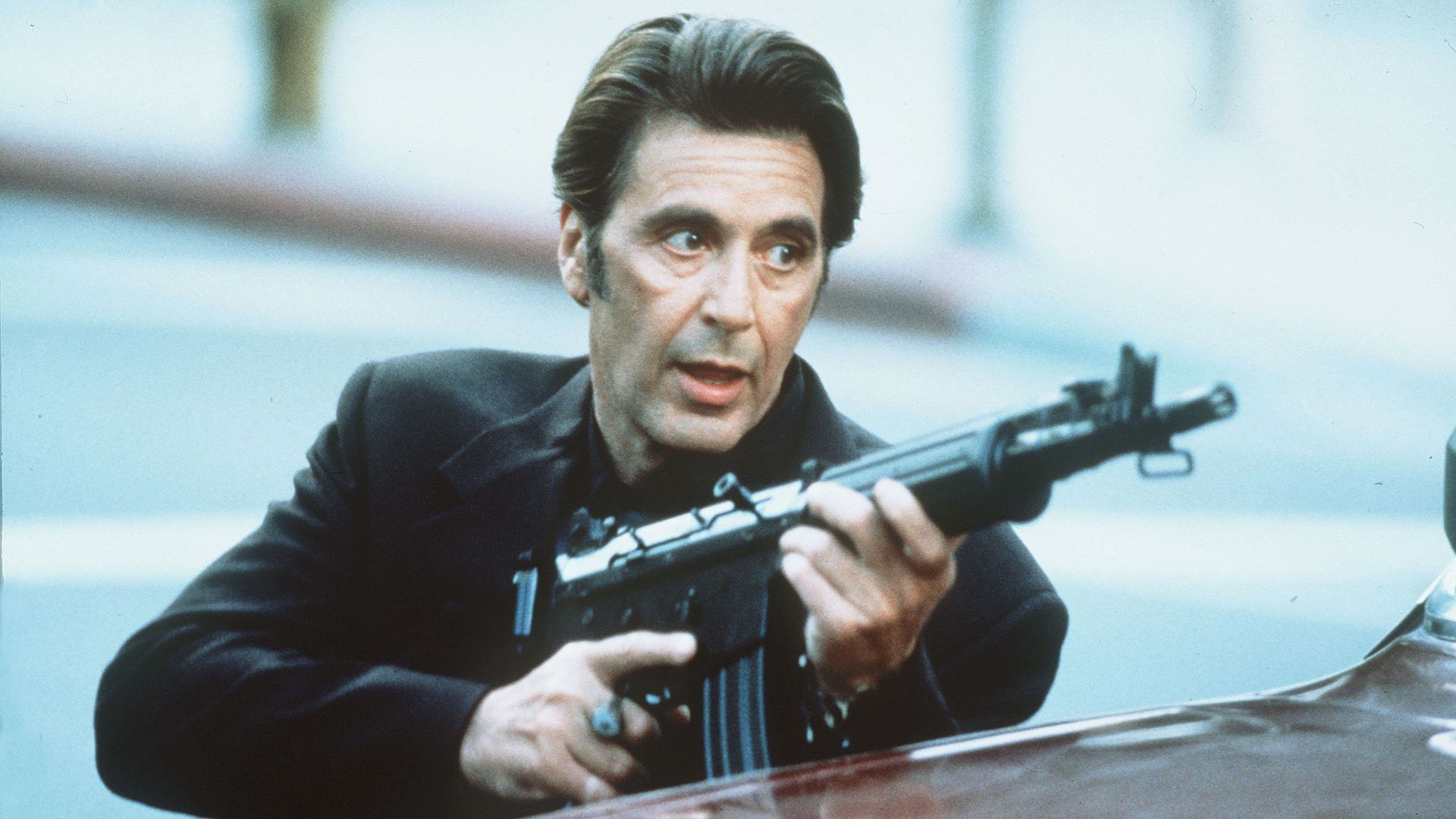
While many excellent thrillers are being released now in theaters and on streaming services, they rarely reach the same level as those from the 1990s. That decade delivered truly gripping stories with unexpected twists. Modern thrillers tend to explore complicated characters and intense circumstances, but 90s thrillers prioritized clever plots, skillful filmmaking, and strong performances.
As a film buff, I’m a little worried about the thrillers coming out in 2026. They’ve got a tough fight ahead of them when you compare them to classics. Older films just seem to have better writing, were more concise, and featured incredible performances from a truly golden age of actors. I think the ’90s really nailed it – they had this great balance of real, practical filmmaking, compelling dramas with big stars, and studios willing to take risks on original, mid-budget movies. That’s what’s missing now, honestly. Everything seems to be either these massive, expensive blockbusters or super low-budget indie films – there’s not much in between.
1990s thrillers were a diverse and compelling bunch, ranging from mind-bending psychological mysteries to intense courtroom battles, gripping serial killer investigations, thoughtful book adaptations, and wildly exciting action movies. What made them so successful was their focus on well-developed characters and strong performances, rather than relying solely on predictable twists. These films continue to inspire thrillers made today, and many modern filmmakers credit the 90s classics as a major influence on their work.
Primal Fear (1996)

Gregory Hoblit’s 1996 film, Primal Fear, is a courtroom thriller that relies heavily on its surprising ending to truly resonate with audiences. The story centers on Richard Gere as a confident lawyer who takes on the case of an altar boy accused of a shocking crime – the murder of an archbishop. Primal Fear marked Edward Norton’s first film role, and he instantly demonstrated his potential as a leading actor. He received an Academy Award nomination for Best Supporting Actor, solidifying his arrival in Hollywood.
The film remains compelling today because of its surprising twist – the revelation that Norton’s seemingly innocent character was hiding a secret. This twist felt earned and fair, as the movie presented everything honestly without relying on cheap tricks. It unfolded as a gripping legal thriller, culminating in what was arguably the biggest surprise ending of any thriller from the 1990s. What’s remarkable is that the film still stands out against newer releases, succeeding through its strong story and Norton’s brilliant performance, allowing his character to drive the narrative.
Misery (1990)
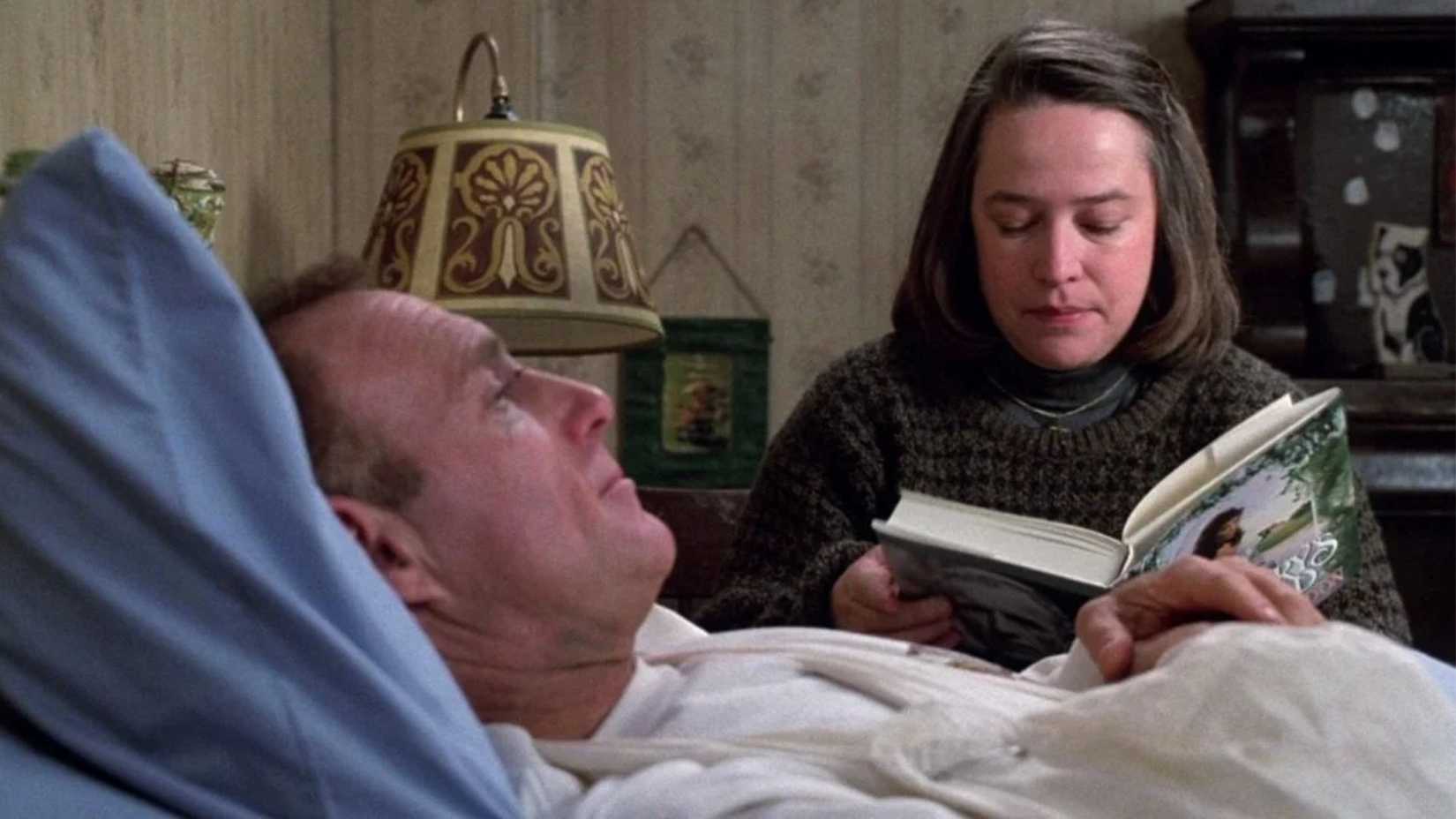
Director Rob Reiner enjoyed a remarkably successful decade in Hollywood, and among his most notable films was a suspenseful adaptation of a Stephen King story, Misery. The film stars James Caan as Paul Sheldon, a novelist who survives a car accident. He’s rescued by Annie Wilkes (Kathy Bates), a self-proclaimed ‘number one fan,’ who nurses him back to health.
Okay, so this movie, Misery, really digs into the scary side of fandom – how obsessed fans can completely take over an artist’s life and work. It gets seriously intense when Annie, a super-fan, basically tells Paul Sheldon, the author, to rewrite his latest book to her liking, and things quickly spiral out of control, turning into a life-or-death struggle for Paul. What’s really interesting is that Misery is unique in Stephen King adaptations – it’s the only one that’s ever earned an actor an Oscar! Kathy Bates absolutely killed it – pun intended – and rightfully won Best Actress for her portrayal of Annie Wilkes.
The Usual Suspects (1995)
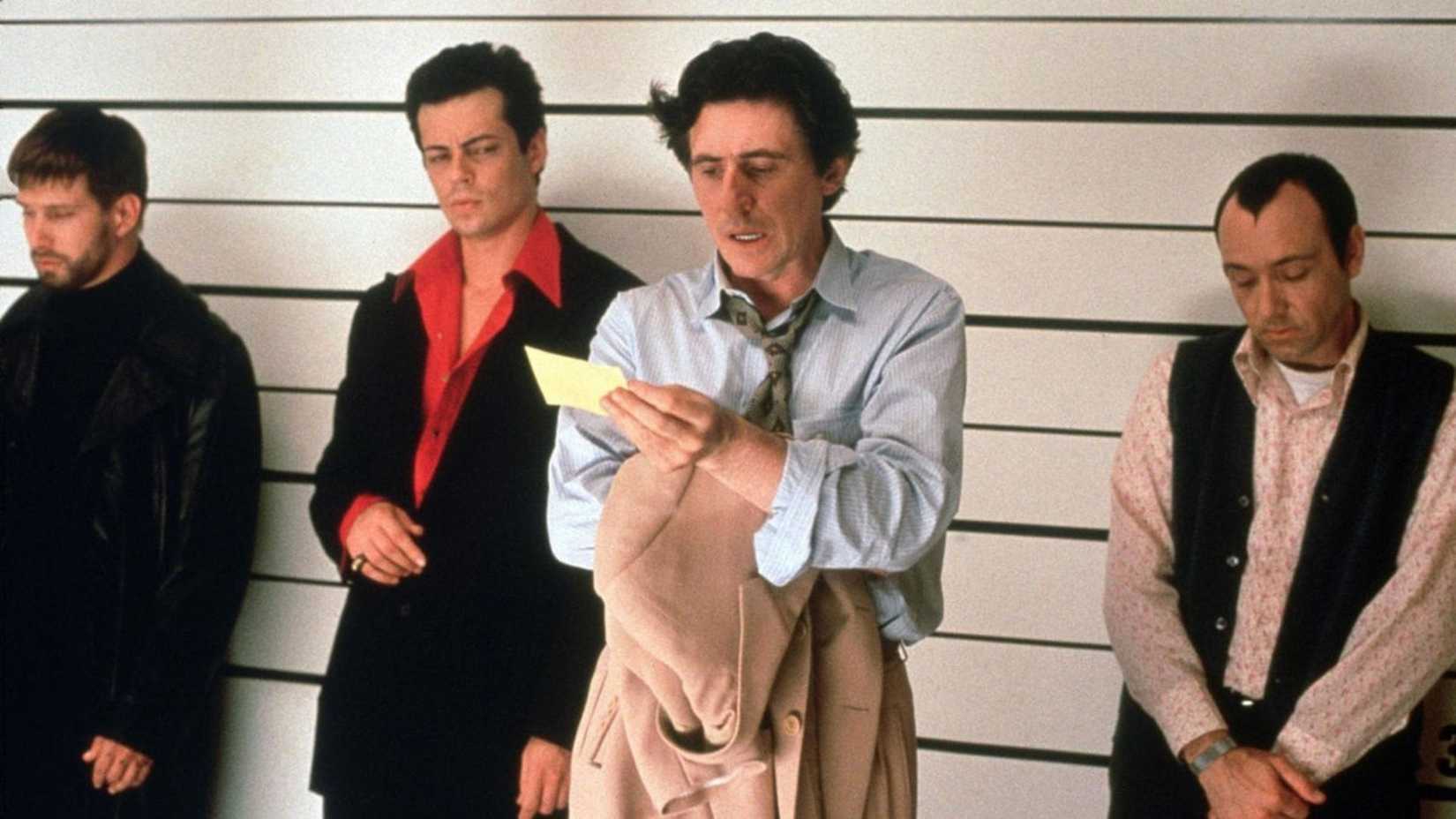
Bryan Singer became well-known as a director with the 1995 thriller, The Usual Suspects. The film featured strong performances from Gabriel Byrne, Kevin Spacey, and a young Benicio del Toro, all playing con artists trying to execute a robbery. Kevin Spacey’s character, Roger “Verbal” Kint, was particularly memorable as the sole survivor who recounts the events to a U.S. Customs Agent named Dave Kujan.
The movie culminates in a shocking twist that highlights the concept of an unreliable narrator. With an 87% rating on Rotten Tomatoes, The Usual Suspects clearly inspired films like Fight Club and Memento, which also skillfully used this narrative technique. While many modern thrillers hint at their endings, The Usual Suspects cleverly conceals its twist, letting the story unfold naturally to reveal it.
Fight Club (1999)

David Fincher’s Fight Club brilliantly built on the technique of the unreliable narrator, a trick The Usual Suspects had successfully used just four years before. It’s easy to miss that Edward Norton’s character is never actually named throughout the film, and Brad Pitt’s powerful performance as Tyler Durden makes the eventual twist truly shocking, completely changing how you view everything that came before.
Despite initially underperforming in theaters, Fight Club became incredibly popular on DVD and Blu-ray, eventually achieving cult classic status. Today, it’s still widely discussed and analyzed, earning an 80% rating on Rotten Tomatoes, largely due to its exploration of complex themes like toxic masculinity and its innovative filmmaking techniques. Director David Fincher’s use of an unreliable narrator and a non-linear timeline were groundbreaking and continue to influence filmmakers, though few have been able to recreate their impact.
L.A. Confidential (1997)
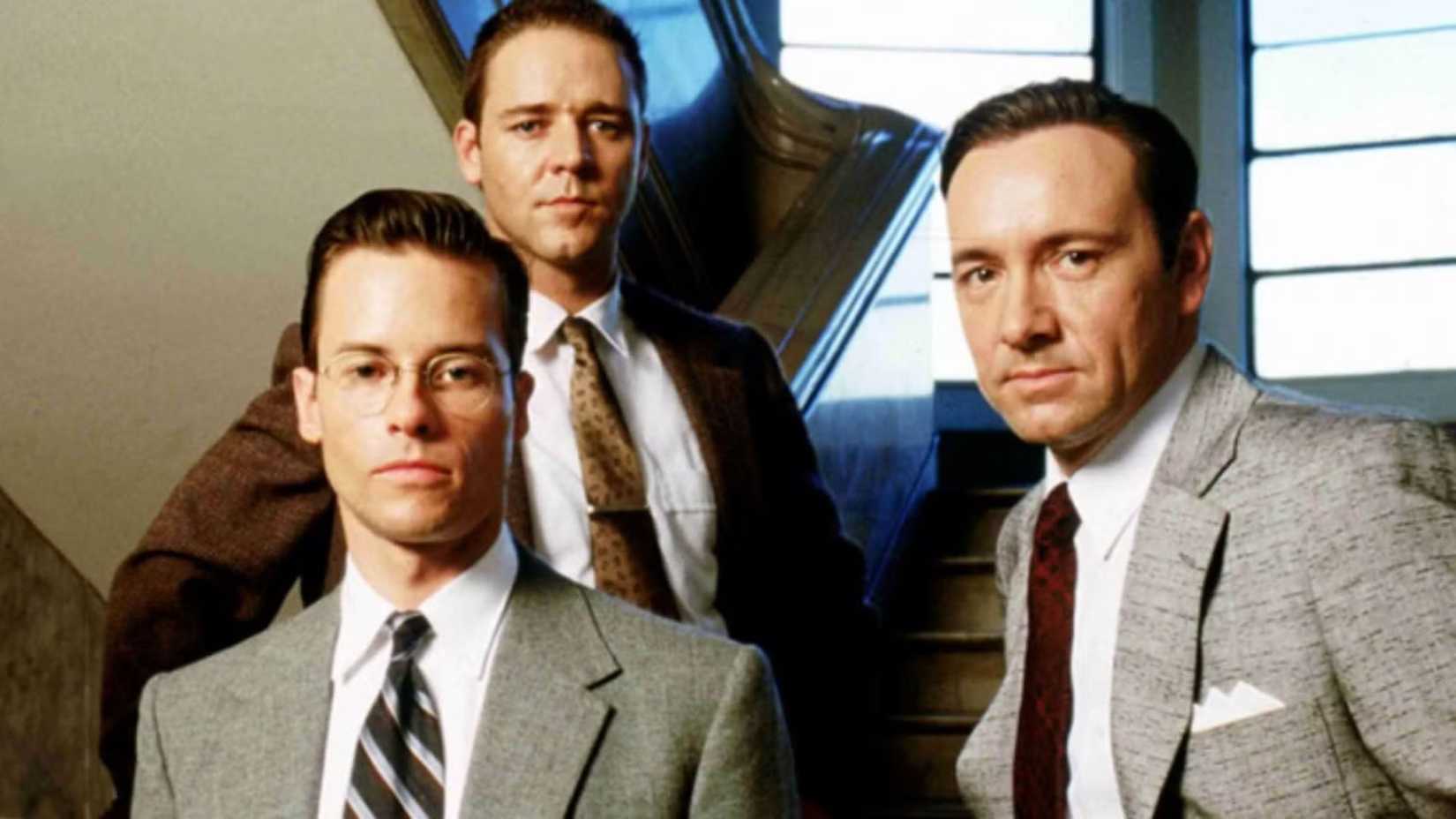
Released in 1997, the film L.A. Confidential, directed by Curtis Hanson, offers a broad view of Los Angeles police detectives in the 1950s. Based on the James Ellroy novel of the same name, the movie portrays the complexities of the LAPD during that time, showcasing both honest officers and those driven by corruption and ambition. Ultimately, even the seemingly virtuous characters are revealed to be self-serving.
With a remarkable 99% score on Rotten Tomatoes and two Oscar wins – Best Adapted Screenplay and Best Supporting Actress for Kim Basinger – L.A. Confidential is a critically acclaimed film. Though nominated for nine Oscars, it faced tough competition from Titanic that year. Today, in 2026, it stands out as a rare, high-quality crime thriller made for adults.
The Fugitive (1993)

The 1993 film The Fugitive was a critical and commercial hit, largely thanks to the strong performances of its stars. Harrison Ford played Dr. Richard Kimble, a man falsely accused of murdering his wife, while Tommy Lee Jones portrayed Deputy U.S. Marshal Sam Gerard, the officer tasked with recapturing Kimble after his escape – and Kimble’s relentless pursuit of the true killer.
With a 96% rating on Rotten Tomatoes and over $368 million earned worldwide, The Fugitive was a major success. It received a Best Picture Oscar nomination, though it didn’t win, but Tommy Lee Jones did win the award for Best Supporting Actor. Unlike many modern thrillers focused on superheroes or extraordinary characters, The Fugitive stands out as a story about an ordinary man fighting to prove his innocence.
Cape Fear (1991)
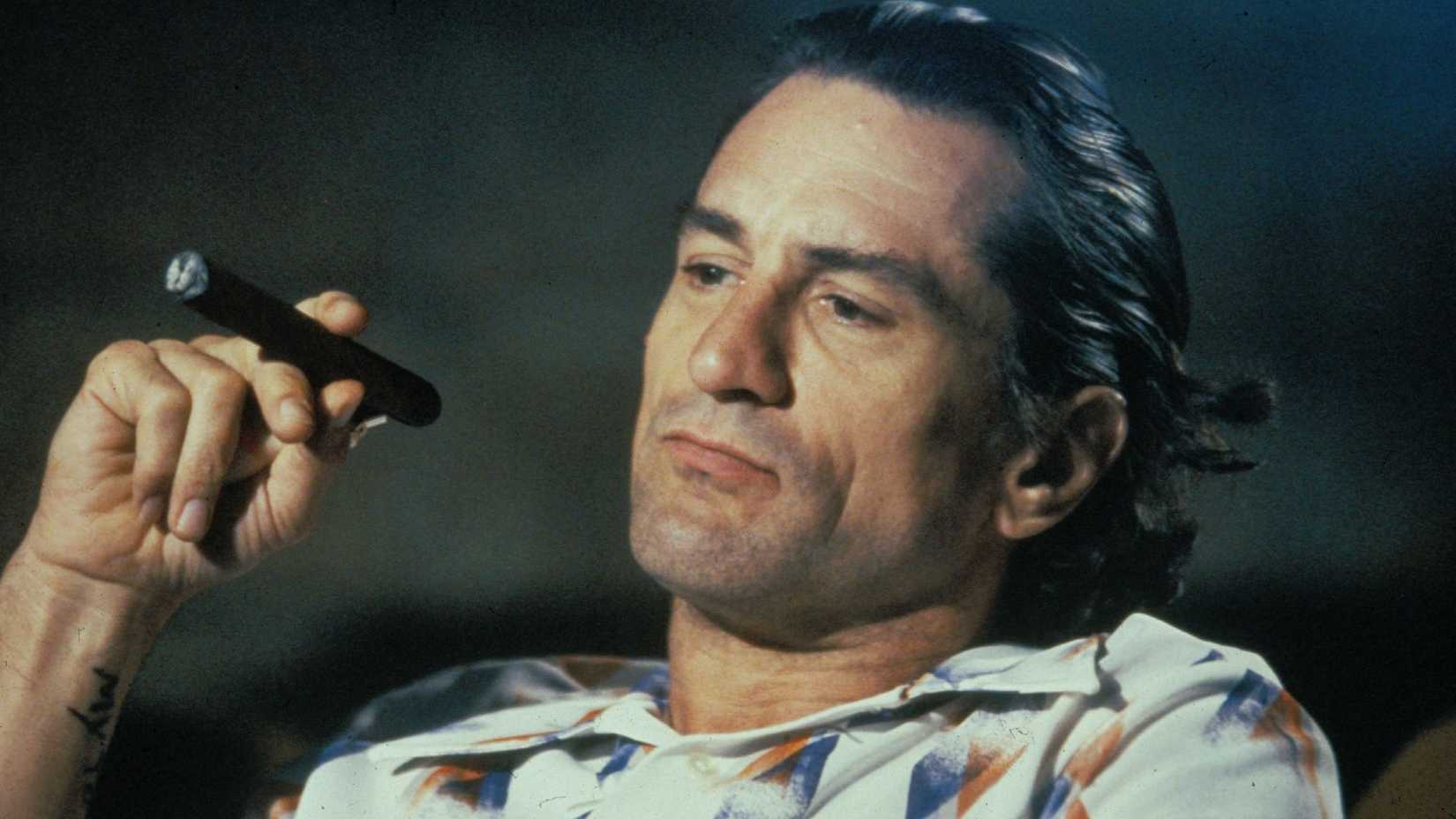
In 1991, Martin Scorsese directed a remake of the thriller Cape Fear. The film stars Robert De Niro as Max Cady, an ex-convict seeking revenge on the lawyer he believes wrongly convicted him of rape and assault. Nick Nolte plays the lawyer, and Juliette Lewis appears as his daughter, who becomes a target in Cady’s plan for retribution.
The film received a 75% rating on Rotten Tomatoes and was a major commercial success for Martin Scorsese, earning $182 million globally. Both Ray Liotta and Robert De Niro were nominated for Oscars for their acting, though they didn’t win. A recent TV remake didn’t compare to the original, which is known for its realistic violence and relentless pacing right up to the final scene.
Se7en (1995)
Before directing the iconic Fight Club, David Fincher made another gripping thriller in the 1990s called Se7en. Unlike the fast-paced and inventive Fight Club, Se7en was a gritty, dark crime thriller. The film follows two weary detectives as they hunt a serial killer who bases his murders on the Seven Deadly Sins, culminating in a truly shocking and unforgettable twist.
Brad Pitt played a hopeful, new detective with a wife expecting a baby, and Morgan Freeman was a seasoned police officer nearing retirement. The film isn’t a typical whodunit – the killer, John Doe (played by Kevin Spacey), actually surrenders. Instead, it focuses on the emotional toll the case takes on the detectives. When John Doe’s disturbing plan ultimately works, the ending is powerfully shocking and unforgettable.
The Silence of the Lambs (1991)
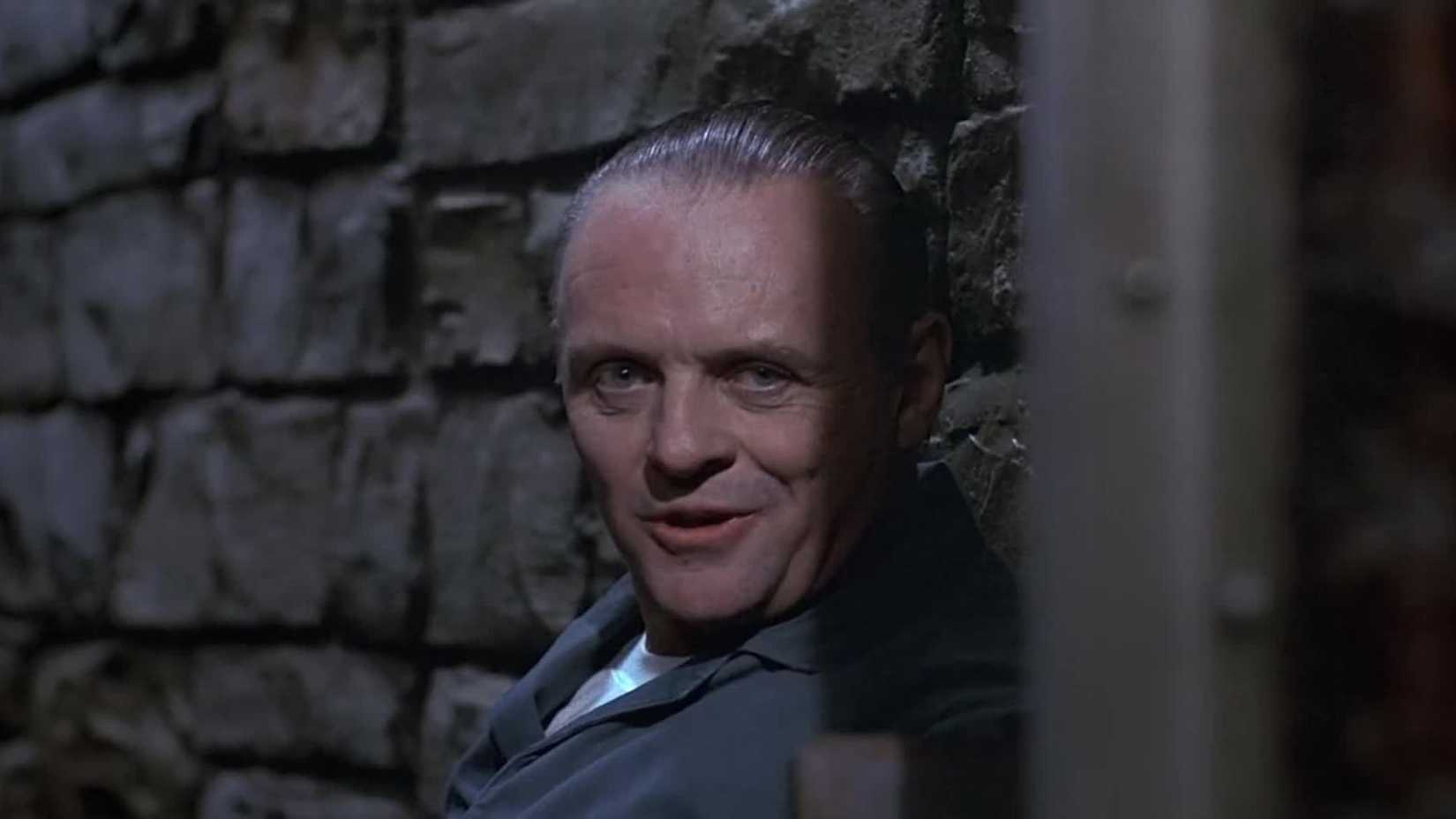
The Silence of the Lambs is unique in horror film history as the only movie in the genre to win the Academy Award for Best Picture. While other thrillers have won before, it’s one of just three films to win Oscars in all five major categories: Best Picture, Best Director (Jonathan Demme), Best Actor (Anthony Hopkins), Best Actress (Jodie Foster), and Best Adapted Screenplay.
The film centers on a young FBI trainee, Clarice Foster, who seeks the insights of the brilliant but dangerous Dr. Hannibal Lecter, a convicted cannibal, to catch a current serial killer nicknamed Buffalo Bill. A critical and commercial success, it earned a 95% rating on Rotten Tomatoes and grossed $272 million worldwide. It paved the way for later shows like Criminal Minds and Mindhunter, and is widely considered superior to them.
Heat (1995)
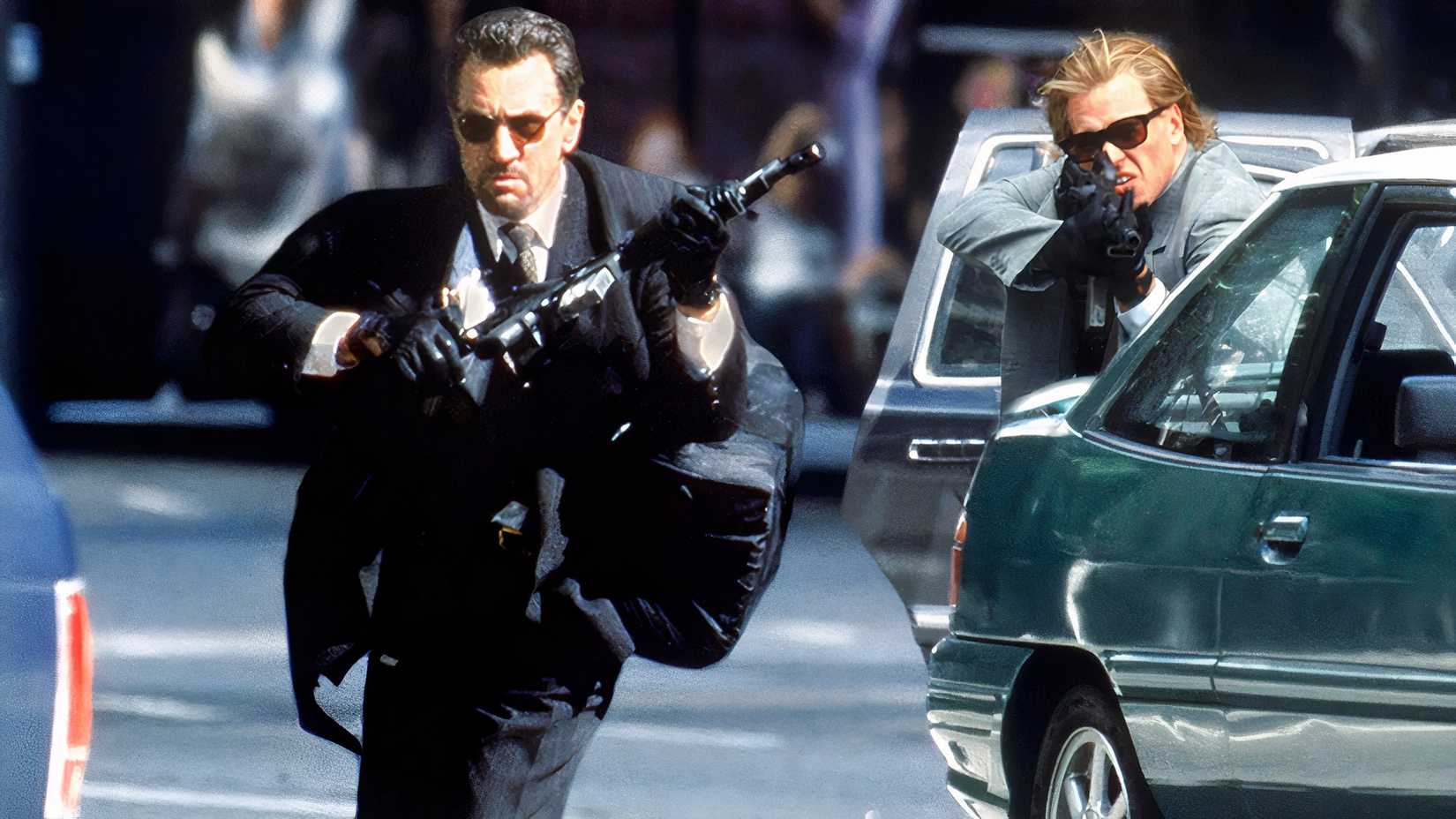
Michael Mann’s Heat is widely considered the best thriller of the 1990s, and it remains unmatched even today. The film is notable for being the first time Al Pacino and Robert De Niro appeared together on screen. They play compelling roles: Pacino is Vincent Hanna, a determined LAPD lieutenant, and De Niro is Neil McCauley, the skilled professional thief Hanna is trying to capture.
With an 84% rating on Rotten Tomatoes, Heat continues to inspire nearly every heist thriller made since its release. The bank robbery and subsequent shootout are considered some of the best action sequences ever filmed. Despite being almost three hours long, the movie maintains a fast pace, and many modern action directors cite it as a major influence.
Read More
- Elon Musk’s Mom Maye Musk Shares Her Parenting Philosophy
- GBP CNY PREDICTION
- Mark Zuckerberg & Wife Priscilla Chan Make Surprise Debut at Met Gala
- 10 Greatest Manga Endings of All Time
- Elon Musk’s Ex Ashley St. Clair Reveals When Romance Became “Weird”
- 10 Best Free Games on Steam in 2026, Ranked
- Forza Horizon 6 Car List So Far: Confirmed Highlights, Cover Cars, DLC, and Rewards
- Hollow Knight: Silksong Guide – All 30 Lost Flea Locations
- 38 Years Later, Murder, She Wrote’s Most Overlooked Episode Still Pulls Off TV’s Greatest Crossover
- 20 K-Dramas That Nailed the Perfect Ending
2026-05-04 05:31