Tsundere characters are popular because they struggle with conflicting emotions – they’re often proud but also secretly vulnerable, and they try to hide their true feelings. This internal conflict is especially interesting in male tsundere characters in anime, as societal expectations for men to suppress emotions add another layer of complexity and create compelling drama.
These characters often struggle to show they care in a straightforward way, so their affection is usually expressed through sarcasm, anger, or by keeping people at a distance. This internal conflict affects their relationships, particularly when someone remains supportive despite their attempts to push others away. For these types of characters, even a small act of honesty can be meaningful because it disrupts their usual habit of avoiding emotional vulnerability.
Kyo Sohma’s Curse Makes His Walls Impossible to Tear Down
Kyo Sohma is often considered the perfect example of a ‘tsundere’ – a character who acts cold but secretly cares – in shoujo anime. However, what makes Kyo unique is that his harshness stems from a painful past. As the Cat of the Chinese Zodiac, his spirit was excluded from the original banquet, leading him to grow up feeling like an unwanted outcast within the Sohma family. This deep-seated rejection is the reason behind his prickly behavior towards Tohru Honda.
What makes Kyo’s story in Fruits Basket so powerful is that Tohru’s unwavering kindness doesn’t just make him more approachable—it challenges his core belief that he’s better off alone. Kyo acts tough as a way to protect himself, and this makes his eventual vulnerability feel real and earned, rather than predictable.
Inuyasha Has Always Protected Kagome While Refusing to Admit His Feelings
Inuyasha’s mixed demon heritage makes his tough, prickly personality feel especially genuine, something you don’t often see in fully human characters. His pride and directness with Kagome come from a lifetime of being rejected by both humans and demons, leaving him unsure how to open up. His past with Kikyo constantly affects his present, so even when he’s sharing a tender moment with Kagome, it’s tinged with sadness and a fear of being left alone again.
I just adore the way Inuyasha interacts with Kagome! He’ll fiercely defend her from any demon, then immediately tease her relentlessly – it’s like he genuinely can’t help himself, even though he clearly cares deeply for her. Honestly, I think that constant back-and-forth, that push and pull, is really where Inuyasha’s emotional core lies. It’s how we feel his feelings, you know?
Katsuki Bakugo’s Explosions Are Easier for Him Than Vulnerability
I’ve noticed that Bakugo in My Hero Academia really puts up walls when he’s feeling vulnerable. It seems like he’s always been told how amazing he is, and that built up a lot of pride. But underneath that pride is a real fear of not being the best. Seeing Izuku improve really bothers him, not because he dislikes Izuku, but because it challenges his self-image. His anger isn’t just random outbursts; it’s a way of protecting himself, almost like he can’t accept kindness or praise without seeing it as a competition.
Bakugo’s softer side is most apparent when he’s interacting with Kirishima, whose honesty Bakugo accepts because it doesn’t threaten his pride. The impact of Bakugo’s eventual apology to Midoriya is so strong because the series has carefully shown how difficult it is for him to admit he’s wrong.
Vegeta Treated Weakness as a Sin Long Before He Admitted He Loved His Family
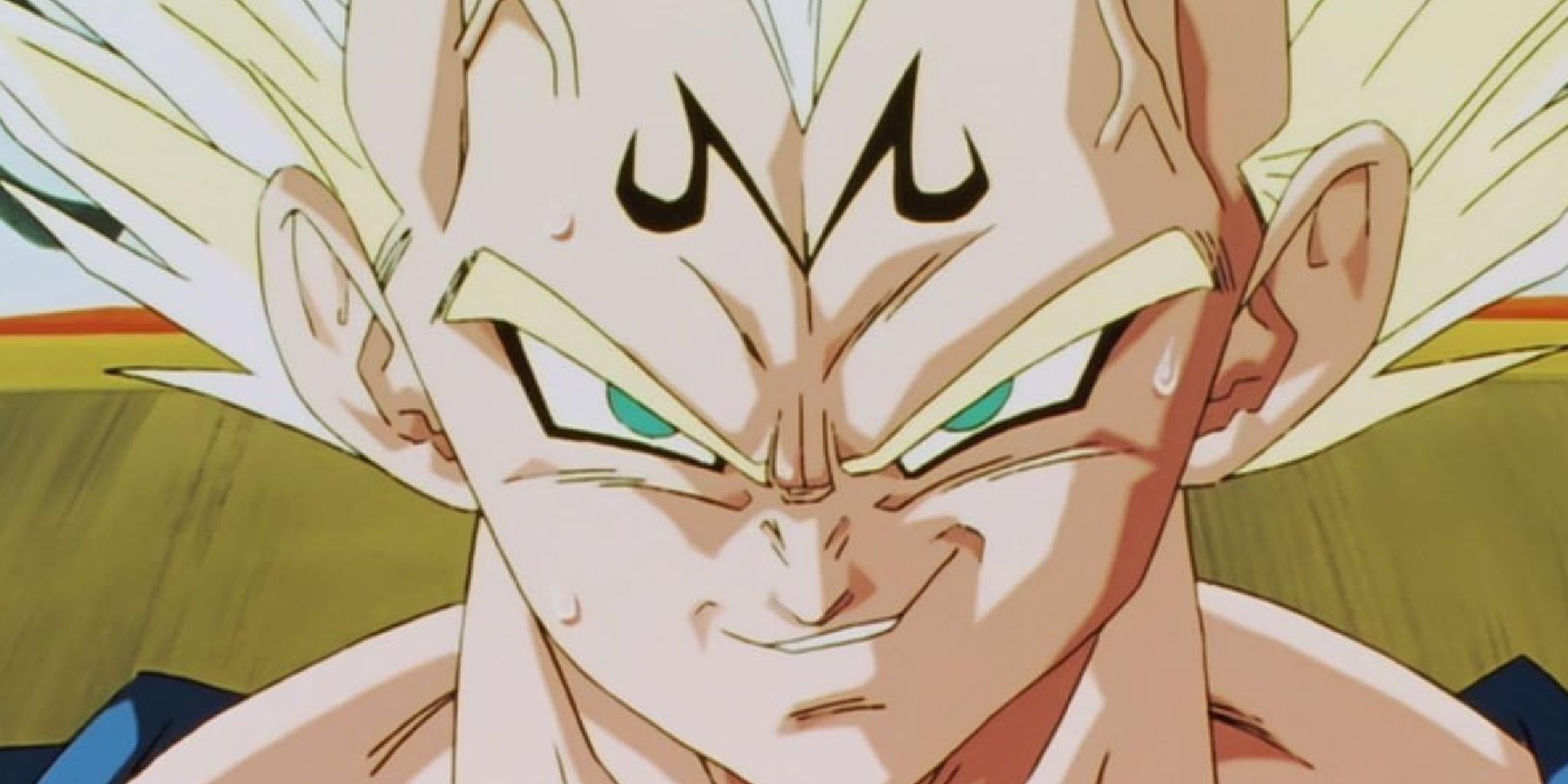
Vegeta from Dragon Ball Z and Dragon Ball Super is a classic example of the ‘tsundere’ character – a tough exterior hiding softer feelings – in action anime. As a proud Saiyan prince, he built his entire personality around being the strongest, so showing kindness was incredibly difficult for him. His relationship with Bulma isn’t really a love story; it’s more about Vegeta gradually learning to live for something other than fighting and taking over the universe.
Dragon Ball Super deepens Vegeta’s complex personality—he’s tough and proud, but secretly cares deeply for his family. He pushes himself to gain incredible power, claiming it’s all about his ego, while his actions clearly show he’s motivated by protecting them. This contrast between his words and deeds has grown over the years, and it’s a key reason why he’s such a compelling character to watch.
Edward Elric Calls Winry a Gearhead While Risking Everything to Keep Her Safe
Edward Elric’s strong desire to be independent explains his tough exterior in Fullmetal Alchemist: Brotherhood. After a disastrous attempt to revive his mother cost him an arm and his brother his body, Edward focuses on proving his abilities as a way to regain control. He often uses teasing and avoids showing vulnerability, and his reluctance to admit his feelings for Winry Rockbell isn’t just a casual quirk—it reflects his deep-seated struggle with accepting help from others and acknowledging his own needs.
Honestly, after everything went wrong with the transmutation, I think Ed really threw himself into being logical and disciplined – equivalent exchange became his whole worldview. But dealing with feelings, especially needing someone else, is way harder for him than any alchemical formula! You see how much he cares about Winry not through what he says, but through what he does. He’s always protecting her, always finding his way back to her, and he subtly builds his whole future around her, even while pretending he doesn’t need anyone. It’s like he thinks he can handle everything on his own, but his actions completely say otherwise!
Rin Okumura Hides a Desperate Need for Belonging Behind His Aggression
Rin Okumura from Blue Exorcist acts tough and standoffish, but this behavior comes from a deep fear: he worries people will reject him if they discover his true identity. Since he’s the son of Satan, he was raised by a priest, and he uses his anger and aggressive attitude to protect himself. For Rin, starting a fight feels safer than risking being abandoned by others.
Rin tries to appear strong, but his kindness towards his classmates always shines through, which is a key source of conflict in Blue Exorcist. He acts standoffish not to save face, but because he fears people won’t accept him if they truly knew who he was.
Uryu Ishida Masks His Loyalty Beneath Polished Composure
Uryu Ishida is a unique character in Bleach – he’s a ‘tsundere’ who masks his true feelings with a cool, proud, and controlled exterior. He’s distrustful of Soul Reapers, which leads him to maintain distance from everyone, even his friends, by appearing disciplined and intellectually confident instead of openly showing anger. While Uryu doesn’t often express affection verbally, his actions consistently reveal how much he cares for those around him.
Uryu Ishida appears calm and collected, but his deep loyalty to Ichigo Kurosaki and his strong sense of responsibility often shine through. Whenever he risks himself to protect others, claiming it’s simply his duty, he reveals his true, caring nature.
Kyon Complains About Everything While Choosing to Stay Every Time
Kyon consistently denies his true feelings, making him a surprisingly insightful example of the ‘tsundere’ character often seen in anime. Throughout The Melancholy of Haruhi Suzumiya, he constantly pretends to want an ordinary life and complains about Haruhi’s unpredictable behavior. Yet, he always ends up helping her anyway. This contradiction – what Kyon says versus what he does – is both the main source of humor in the show and a fundamental truth about his character.
I’m a huge fan of The Melancholy of Haruhi Suzumiya, and one of the things that always struck me is how it flips the usual ‘tsundere’ trope on its head. Instead of the girl being standoffish, it’s Kyon who’s the one pushing back emotionally, while Haruhi just relentlessly moves forward. You really see how much Kyon cares about the SOS Brigade – and especially Haruhi – when things start to fall apart. His panic to fix a world that’s been altered by her truly shows everything he’s been trying to hide in his narration; it’s a really powerful moment!
Hiei Jaganshi Treats Emotional Distance as a Form of Control
I’ve always seen Hiei’s coldness in Yu Yu Hakusho as a way to protect himself. Every time he pushes Kurama or Kuwabara away, it feels like he’s reinforcing his belief that he can only rely on himself. He seems to view being detached as a source of strength, likely because he’s been abandoned and hurt so much in the past. It’s like he doesn’t trust anyone to have his back, and he sees getting close to people as a weakness rather than something that could help him. Basically, indifference is how he survives.
Hiei’s ‘tsundere’ personality is interesting because he shows his affection for Yukina through actions, not words. His bond with his sister appears subtly, often through quiet interventions or simply watching over her. Even when he’s clearly worried, Hiei keeps his distance, creating a contrast between what he does and what he admits – and that distance is central to understanding his character.
Sasuke Uchiha Pushes Naruto Away While Repeatedly Choosing Not to Kill Him
In Naruto, Sasuke Uchiha embodies a particularly intense and damaging version of the ‘tsundere’ character. After experiencing terrible trauma from Itachi, he shuts himself off emotionally as a way to cope and because he believes that close relationships make him vulnerable. The more Naruto refuses to abandon him, the angrier and more hostile Sasuke becomes, as Naruto’s unwavering support challenges the identity Sasuke has carefully constructed around his desire for revenge and his hidden grief.
I’ve noticed something interesting about Sasuke. He often acts aloof and even cold towards Naruto, but then he’ll step in to protect him, even though he pretends not to care. It’s like he can’t help but look out for him. What’s really fascinating is how Naruto sees this. He doesn’t think Sasuke’s coldness and his moments of loyalty are opposite things; instead, he believes they both come from the same inner struggle. It’s as if Naruto understands Sasuke is conflicted, and that’s why he acts the way he does – choosing to try and fix things instead of destroying everything.
Read More
- GBP CNY PREDICTION
- Mark Zuckerberg & Wife Priscilla Chan Make Surprise Debut at Met Gala
- Elon Musk’s Mom Maye Musk Shares Her Parenting Philosophy
- Forza Horizon 6 Car List So Far: Confirmed Highlights, Cover Cars, DLC, and Rewards
- 10 Greatest Manga Endings of All Time
- Elon Musk’s Ex Ashley St. Clair Reveals When Romance Became “Weird”
- 38 Years Later, Murder, She Wrote’s Most Overlooked Episode Still Pulls Off TV’s Greatest Crossover
- Hollow Knight: Silksong Guide – All 30 Lost Flea Locations
- 20 K-Dramas That Nailed the Perfect Ending
- A Major PlayStation Delisting Exposes a Sony Problem
2026-05-27 05:16