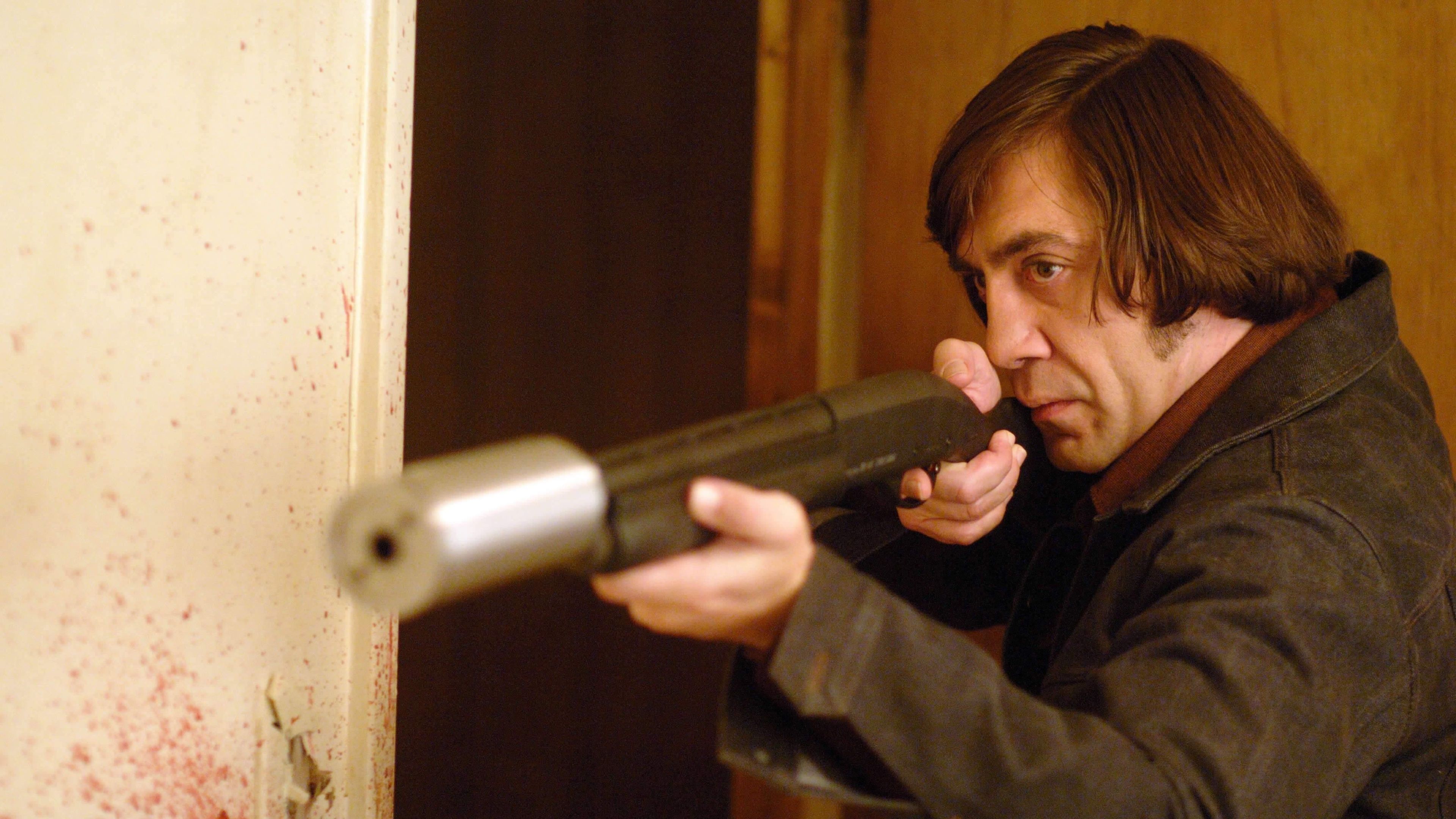
Be warned: this article reveals major plot details for all the films mentioned. Some movies continue to spark discussion long after their release. People still debate the events of the story, a character’s true intentions, or how to interpret the ending – was it joyful, sad, or something else entirely? These films have inspired countless fan theories, and sometimes those theories become even more well-known than the movies themselves.
It’s ironic how being well-known doesn’t guarantee people will get something. A joke can be taken seriously, viewers can fixate on details and miss the bigger message, or a film can become famous for just one small part while its overall meaning is lost.
I’ve discussed how some movies save their biggest surprises for the very end, while others practically reveal the ending right away. Lists like those found on Ebaster – specifically, “Romance Movies With Huge Plot Twists In Their Final Scenes” and “Thrillers That Spoil Their Ending In The First Scene” – demonstrate that people enjoy figuring out movie plots.
We often get caught up analyzing films and forget to simply enjoy them. These are the movies worth revisiting.
The Wolf of Wall Street (2013)

Many critics argue that The Wolf of Wall Street glorifies excessive behavior without showing any real consequences. However, this view overlooks the film’s final shot. After Jordan Belfort serves a shorter prison sentence and becomes a motivational speaker, the camera sweeps across the audience at one of his seminars.
The actual Jordan Belfort makes a quick appearance, introducing the character based on him to everyone present. The director then focuses on the faces in the crowd – they’re enthusiastic, easily convinced, and completely willing to believe anything they’re told.
The film isn’t glorifying Belfort’s excesses; instead, it highlights how much we, the audience, are drawn to – and perhaps even enable – his wild lifestyle. Scorsese challenges us to consider why we’re so captivated by him, and the unsettling final scene implies that we’re all part of this world too. Everything leading up to that moment builds towards this sharp and critical understanding.
(500) Days of Summer (2009)

As a film buff, I always find it fascinating when a movie is upfront about its intentions, like with (500) Days of Summer. The opening titles literally tell you “This isn’t a love story,” yet so many people still approach it as one! What makes it work—and what often gets overlooked—is that we see everything through Tom’s eyes. We experience the relationship exactly as he does: colored by his hopes, how he chooses to remember things, and honestly, just not really listening to Summer when she’s being perfectly clear about what she wants (or doesn’t want). She sets boundaries constantly, but Tom conveniently ignores them, choosing instead to believe whatever fits his idealization of her.
The film clearly shows the difference between Tom’s expectations and reality in a memorable sequence, highlighting what he wanted to believe versus what was actually happening. The biggest surprise isn’t that Summer hurt him, but that he was in love with an idealized image of her – a Summer who wasn’t real.
American Psycho (2000)

The idea that everything in American Psycho happens inside Patrick Bateman’s mind is appealing because the movie intentionally leaves things open to interpretation. However, this reading might be too convenient for viewers. According to co-writer Guinevere Turner, the film portrays a world obsessed with status and appearances, where people are so superficial they often mistake one another for someone else.
Bateman’s confession goes unheard, but the truly frightening part isn’t whether he’s lost touch with reality. It’s that those around him are so self-absorbed they don’t even notice – or care – about something as serious as murder.
The most telling moment in the film is when Bateman visits Paul Allen’s apartment towards the end. The real estate agent acts oddly – she’s distant and only focused on the sale – not how someone would behave when meeting a man who is clearly disturbed and unwell. Her behavior suggests she knows what happened and is trying to cover it up to protect the property. This deliberate ambiguity isn’t about letting Bateman off the hook; it’s a reflection of the cold, corporate world the film is criticizing.
Fight Club (1999)
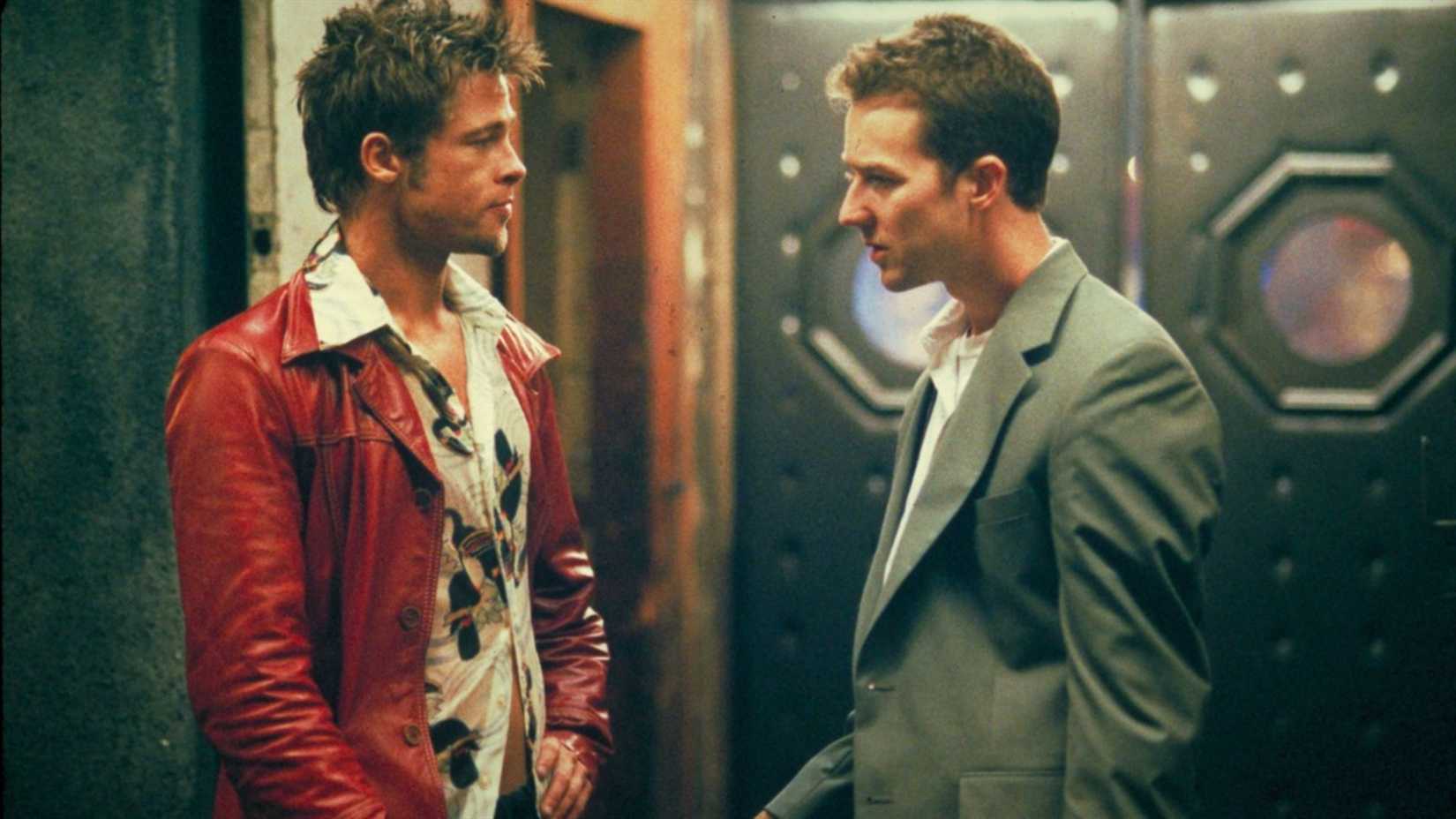
The movie Fight Club has a recurring issue: many viewers have been captivated by the character Tyler Durden – and Brad Pitt’s performance – and mistakenly seen him as someone to emulate instead of a warning. Both the director, David Fincher, and the author, Chuck Palahniuk, have pointed out that the ending isn’t about the main character giving in to Tyler’s ideas. It’s actually a forceful and violent dismissal of them.
The movie carefully shows why Tyler’s ideas are attractive, but then thoroughly exposes them as unrealistic and flawed.
The Narrator shoots himself to destroy the false reality he’s created and regain control of his own thoughts. While the ending clearly shows Tyler Durden dying, many people still misinterpret the film, believing Tyler is somehow a separate, surviving entity. The scenes showing the Narrator pulling the trigger are a final hint: the illusion only ends when he stops reinforcing it himself.
Inception (2010)

People have debated the ending of Inception for more than fifteen years, focusing on whether the spinning top ultimately falls over. This intense focus on the top has distracted from what the ending truly means.
Christopher Nolan has made it clear that whether the top falls or not doesn’t matter to the film’s ending. The final scene is about a man who has finally accepted uncertainty. After years of trying to figure out what’s real and what isn’t, Cobb simply makes a decision – one that isn’t based on knowing for sure.
Cobb doesn’t bother checking if the spinning top will reveal whether he’s still dreaming; he simply walks away from it. Drawn by the sound of his children, he goes to them while the camera focuses on the endlessly spinning top – a visual for the audience, but not for Cobb himself. The fact that he isn’t wearing his wedding ring, which he only wears in dreams, hints that he’s finally back with his family and content. He stops searching for proof of reality because he has embraced what feels real to him.
Donnie Darko (2001)

Even after over twenty years, the ending of Donnie Darko still sparks a lot of discussion, frequently becoming a complicated attempt to solve a puzzle about alternate realities. Though the movie offers explanations through Roberta Sparrow’s book, The Philosophy of Time Travel, getting caught up in the details of time travel can overshadow the film’s true emotional core.
Donnie’s final choice is so powerful not because everyone grasps complex ideas about the world, but because they deeply understand what his sacrifice means to those he cares about.
The film ends with a powerful montage set to “Mad World,” which explores the feeling of grief instead of neatly wrapping up the sci-fi plot. As the story’s timeline falls apart, we see the faces of neighbors who are clearly struggling with a deep, unidentifiable loss. The movie doesn’t ask us to solve a puzzle; it asks us to simply feel sadness – and that’s surprisingly difficult.
The Graduate (1967)

The ending of The Graduate is well-known for its fast-paced sequence—the running, the shattering glass at the church, and the couple’s frantic bus ride, all set to Simon & Garfunkel’s music. However, a less noticed part of the finale is what happens after they escape. Director Mike Nichols continues filming Dustin Hoffman and Katharine Ross for an extended period, allowing their initial excitement to give way to more complex emotions.
The weight of what they’d done hit them quickly. They had successfully crashed the wedding and escaped, but as the excitement wore off, a heavy silence filled the bus. Neither Benjamin nor Elaine knew what tomorrow would bring, or even how to begin talking to each other. It wasn’t necessarily a sad ending, but it was starkly realistic. They weren’t heading towards happily ever after; they were simply swapping one set of difficulties for another, completely unsure of the future.
Starship Troopers (1997)

When Starship Troopers first came out, most people saw it as a simple action movie. It took a while for viewers to realize the director, Paul Verhoeven, was making a much deeper statement. Verhoeven, who experienced growing up in the Netherlands during Nazi occupation, intentionally used the film’s style and propaganda to mirror the look and feel of fascist propaganda from World War II. He wasn’t trying to be subtle. The film doesn’t celebrate victory; instead, it shows how the characters become part of the very war machine it’s criticizing.
The last recruitment advertisement isn’t a feel-good moment—it’s unsettling. The characters appear empty and lifeless, as if the very system that used them has drained them completely. What makes the movie so clever is that it disguises its sharp critique within the familiar framework of a typical, unthinking action film, subtly dismantling the genre from the inside.
Shutter Island (2010)

Discussions about the ending of Shutter Island often miss the point. Instead of wondering if Teddy had a mental breakdown or was faking it, the key is in the very last line of dialogue, which was added to provide a definitive answer. That line makes it clear Teddy is fully aware of his identity. When Dr. Sheehan, played by Mark Ruffalo, hears it, his reaction changes everything—he calls Teddy by name, signaling to the hospital staff and completely altering the scene’s meaning.
The real tragedy isn’t just another mental breakdown for Teddy. It’s his decision to choose a lobotomy over facing the truth about his family’s past. This isn’t a failure of the medical experiment itself—it’s actually the most heartbreaking result it could have achieved. Mark Ruffalo brilliantly portrays this in the final scene, not as a desperate cry from Teddy, but as a farewell.
No Country For Old Men (2007)
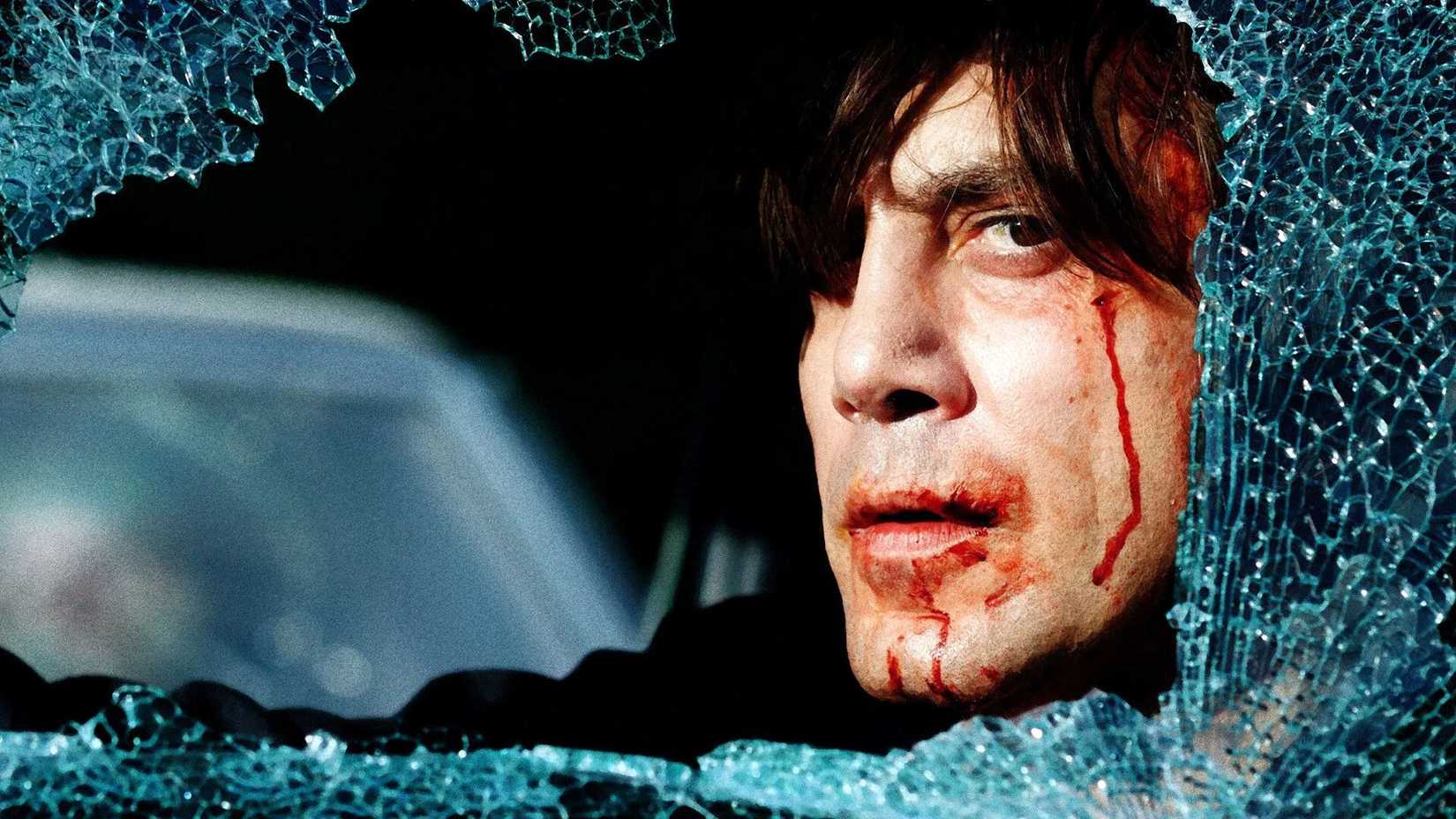
Since its release in 2007, the ending of No Country for Old Men has puzzled many viewers. Instead of a big showdown, the film leaves key events unseen and concludes with Tommy Lee Jones recounting a dream about his father. This is an unusual way to finish a movie often remembered as a fast-paced crime story.
The core of No Country for Old Men isn’t about capturing Anton Chigurh. Ultimately, Sheriff Bell stops pursuing the killer and begins a search for purpose. He desperately wants to find a logical explanation for the brutality he’s seen, and to believe that experience and wisdom still hold value. However, he’s left facing a world that feels completely foreign to him. This lack of resolution is unsettling for both Bell and the audience because the film offers no easy answers.
Read More
- PI PREDICTION. PI cryptocurrency
- USD THB PREDICTION
- USD CHF PREDICTION
- Green Game Jam returns with 70 games teaming up to tackle the climate crisis
- USD MYR PREDICTION
- USD HKD PREDICTION
- Brent Oil Forecast
- USD JPY PREDICTION
- EUR TRY PREDICTION
- BEAT PREDICTION. BEAT cryptocurrency
2026-06-16 19:35