
Book-to-screen adaptations – whether as movies or TV shows – are incredibly common today, and it can seem like a simple process. However, it’s actually quite challenging, especially considering what audiences expect and the desire to stay true to the original book. Certain stories just don’t translate well to film – they might rely too much on unique writing styles, or contain themes that are too sensitive for a wide audience. Despite these risks, some filmmakers are passionate about bringing these stories to life, and when they do, the results can be amazing.
These ten books were once thought to be unfilmable, but surprisingly, they became incredibly successful movies. They demonstrate that with skilled directing, boldness, and clever decisions, cinema can adapt almost anything.
10) Enemy

Denis Villeneuve’s films are often complex, so adapting a story focused on feelings rather than plot was a challenge. Based on José Saramago’s The Double, the film Enemy explores themes of paranoia and obsession, creating a sense that reality is unstable. The story centers on a professor who finds an actor who is his exact look-alike, and his attempts to understand this discovery lead him down a disturbing and confusing path.
This movie deserves much more attention – it’s truly underrated. Director Villeneuve achieves something remarkable here by deliberately not over-explaining things. Instead, the film embraces confusion, using mood, recurring images, and hidden meanings to make the viewer feel as disoriented as the main character. Ultimately, Enemy is so effective because it realizes the story isn’t about the plot itself, but about the emotional impact it has on you.
9) Blade Runner
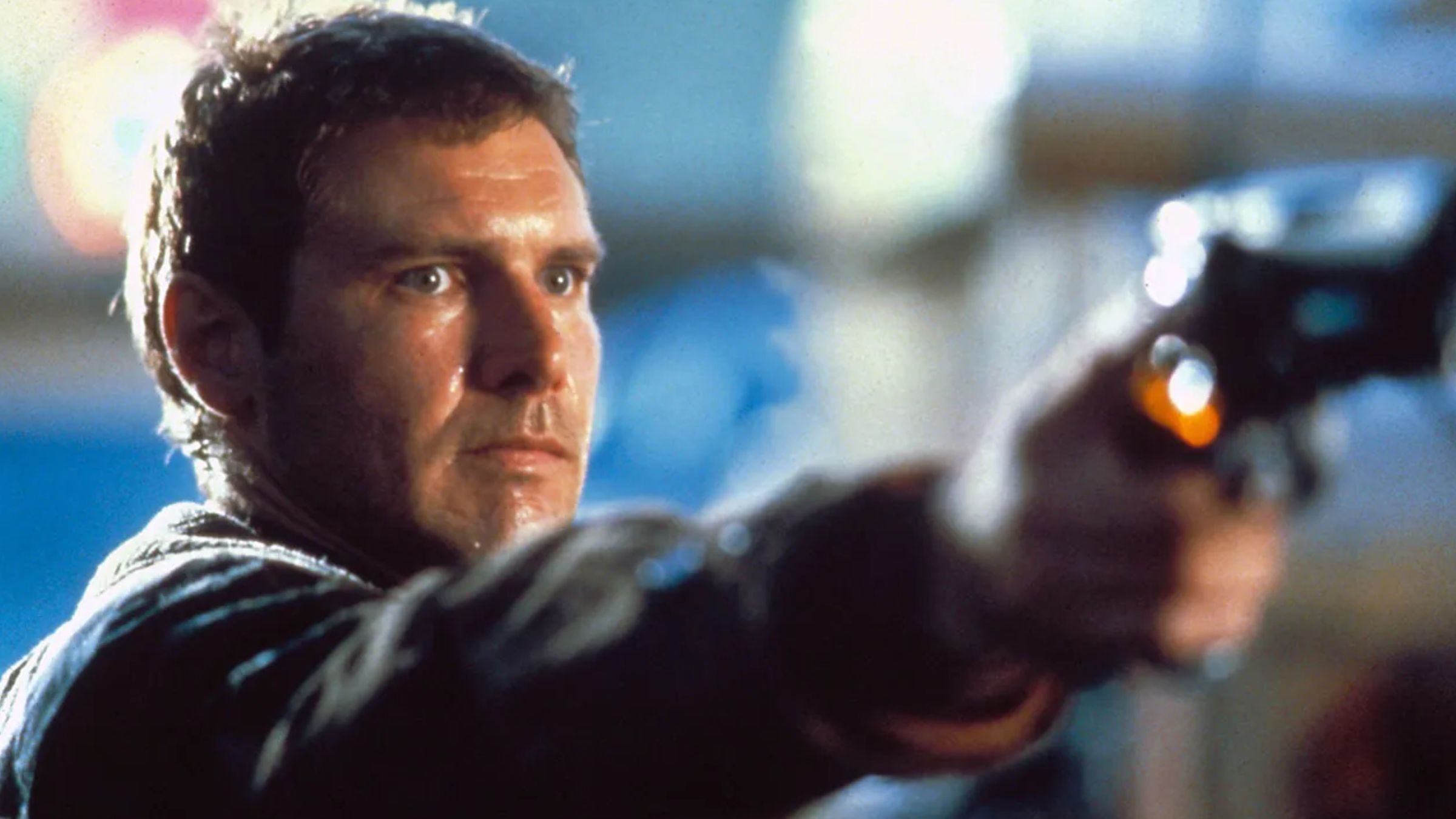
As a huge Philip K. Dick fan, I always thought Do Androids Dream of Electric Sheep? would be incredibly difficult to turn into a movie. It’s a book overflowing with amazing ideas, but it’s much more about exploring big questions than telling a straightforward story. All that internal thinking and those long conversations about what it means to be human could easily have made for a really dry, pretentious film. But Blade Runner absolutely nailed it! They took the heart of the book – this bounty hunter tracking down incredibly realistic androids in a bleak future and essentially ‘retiring’ them – and built a whole new, stunning world around it. It’s a perfect example of a smart adaptation.
The success of the film lies not in its strict adherence to the book’s plot, but in its ability to capture the same unsettling feeling. Ridley Scott skillfully transformed the book’s philosophical themes into a powerful mood, striking visuals, and a classic noir style, which ultimately made the difference. Even now, Blade Runner demonstrates that a great adaptation doesn’t need to be a literal translation; it needs to grasp and recreate the emotional impact of the original story.
8) Lolita

Adapting Lolita is incredibly challenging because the story condemns harmful behavior, and any adaptation risks appearing to endorse it. Beyond that, the novel’s power lies in its unreliable narrator and Nabokov’s masterful use of language, irony, and perspective. Translating that to film without creating a disaster is a huge hurdle. Stanley Kubrick, known for his unique vision, managed to navigate this in his 1962 film by remaining true to the story’s disturbing nature without sensationalizing it.
The film centers on a man who manipulates a woman to get close to her daughter, and the awkwardness of his actions is always present, even when the situation briefly seems playful. However, Lolita is a powerful film because it focuses on what’s unsaid and the ridiculousness of the situation, highlighting that the story is really about warped perceptions, control, and the characters deceiving themselves—it’s not a romantic tale.
7) American Psycho

If you haven’t seen American Psycho, you’re in for a treat – it’s one of the most striking films from the 2000s. It’s actually based on a novel by Bret Easton Ellis, and it was considered a very difficult book to adapt into a movie. The novel is known for being intensely repetitive and detailed, with shockingly violent scenes. Many people worried that making a film version would be irresponsible. The book’s impact also relies heavily on its specific tone – it’s a satire, a horror story, and a commentary on society all at once – and getting that balance wrong could have ruined it.
What makes this adaptation so effective? It recognizes the story isn’t about a thrilling serial killer, but about a man shaped by the hollowness of the corporate world. The film portrays a rich executive, preoccupied with status and image, who begins to kill—or perhaps only imagines killing—as he descends into ego and isolation. Rather than simply replicating the book’s violence for shock, the movie transforms it into something more insightful and satirical, turning American Psycho into a character study that avoids glorifying the darkness within.
6) Adaptation
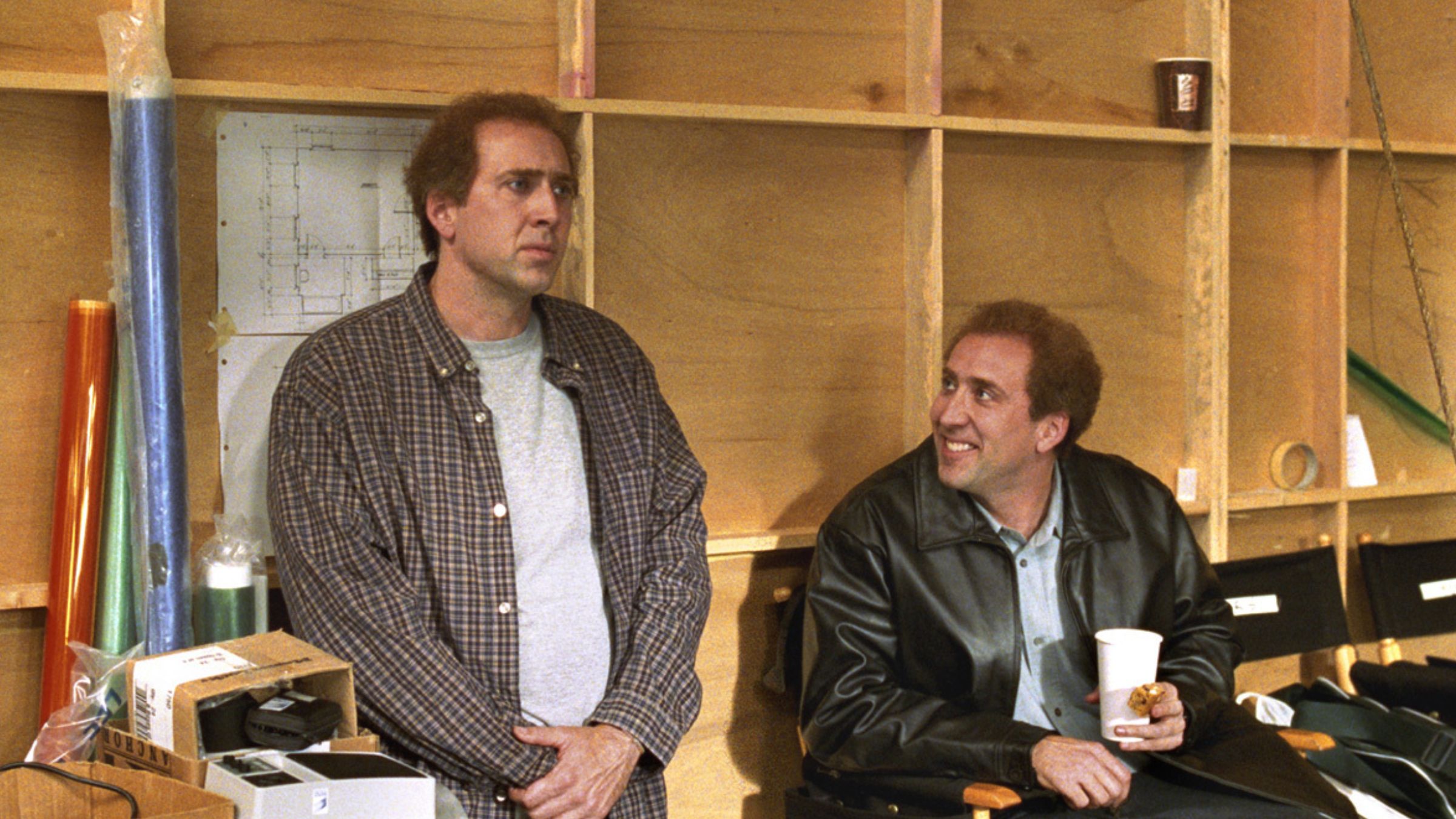
What makes the movie Adaptation so interesting is that it’s self-aware and a truly unusual adaptation of a book. The book it’s based on, The Orchid Thief, isn’t a typical narrative with a clear plot. It’s more of a non-fiction account of a man’s obsessive pursuit of orchids, full of tangents, research, and personal thoughts. This made it a difficult subject for a standard movie script, which needs a strong structure and build-up of suspense. Ironically, when the film rights were purchased, screenwriter Charlie Kaufman decided to make the very struggle of adapting the book the focus of the movie itself.
The movie Adaptation centers on a screenwriter struggling to turn a book into a film. He gets increasingly frustrated and overwhelmed as the story he’s working on—which features author Susan Orlean and a man obsessed with stealing orchids—starts to take on a life of its own. The film is remarkably clever because, rather than trying to force the book into a typical Hollywood structure, it leans into the messiness and offers insightful commentary on the film industry, the creative process, and Hollywood’s insistence on tidy narratives—even when the source material defies them.
5) A Clockwork Orange
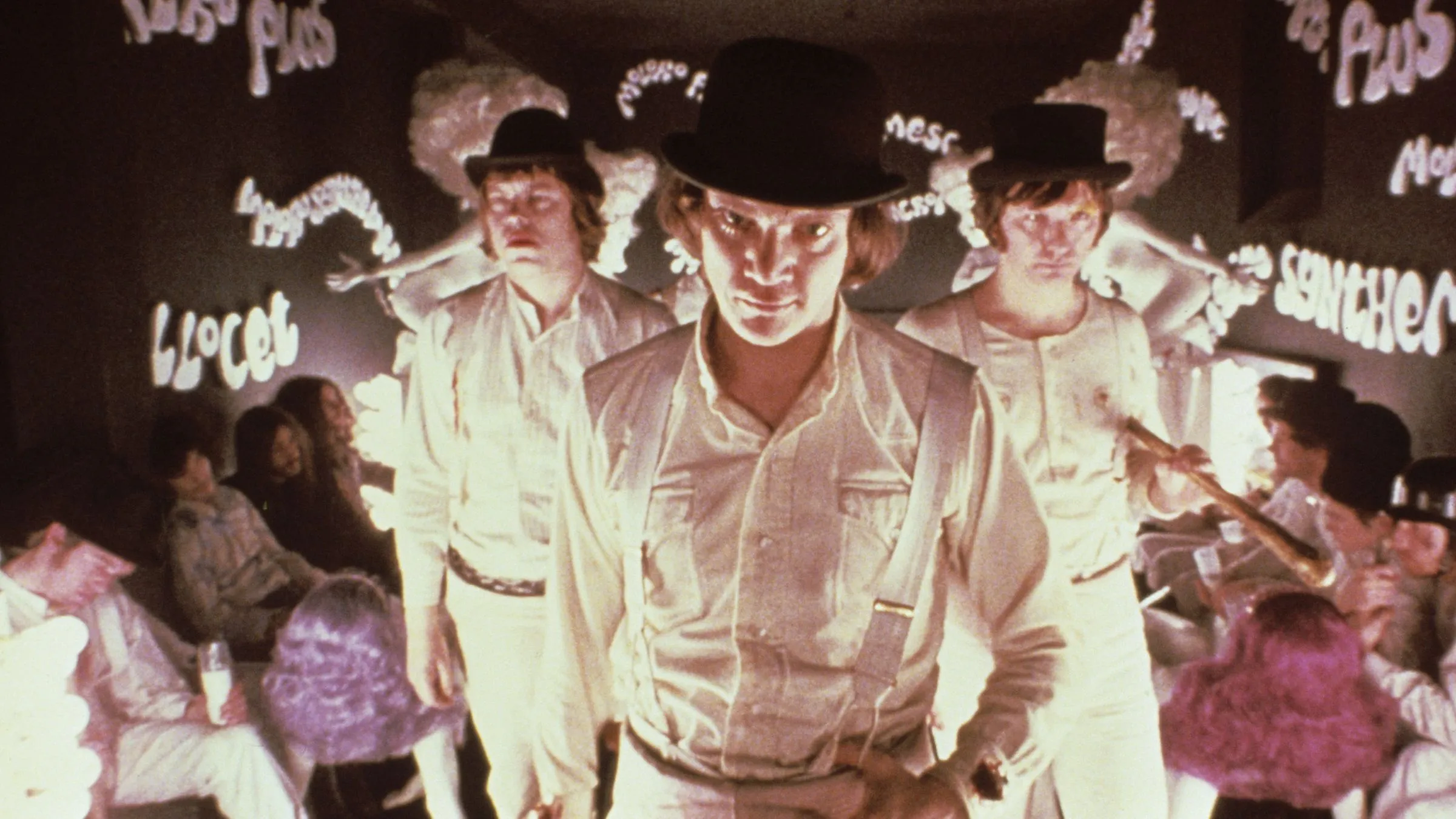
Adapting Anthony Burgess’s A Clockwork Orange seemed impossible. The book’s unique slang (Nadsat) and the way it uses childlike language to describe disturbing events were crucial to its impact. A film version could easily have become just visually striking violence without any deeper meaning. However, Kubrick managed to turn this seemingly unadaptable book into a masterpiece – not by softening it, but by amplifying its strangeness, which is a remarkable achievement.
The film centers on a very violent young criminal who is forced to undergo an experimental government treatment designed to change his behavior. This process takes away his ability to make his own choices. While the movie is visually striking and over-the-top, this isn’t just for style – it’s crucial to the film’s message. A Clockwork Orange is undeniably brutal, but it’s also deliberately theatrical and disturbing, reflecting the book’s core idea: that someone forced to be good can be just as terrible as someone who chooses to be bad.
4) Gerald’s Game

Many of Stephen King’s books have been made into movies, with varying degrees of success. But with Gerald’s Game, director Mike Flanagan achieved something remarkable. The story takes place almost entirely inside the main character’s mind, focusing on a woman trapped in bed, alone, and descending into psychological distress. This kind of story could easily become dull or feel like a stage play if not handled skillfully. However, the movie masterfully transforms this inner experience into a genuinely suspenseful thriller.
I was completely gripped by this movie! It’s about a woman who finds herself handcuffed to a bed after her husband unexpectedly dies during a role-playing attempt. The whole story is about her desperate fight to survive – dealing with intense thirst, hunger, and terrifying hallucinations, all while being haunted by painful memories. What’s really amazing is how the film uses the feeling of being trapped – claustrophobia – to drive the entire plot. It doesn’t even need big action sequences to keep you on the edge of your seat. And as it delves into her past through flashbacks and delusions, it becomes clear that her biggest enemy isn’t external, it’s what’s going on inside her head. Seriously, Gerald’s Game is something else.
3) Life of Pi
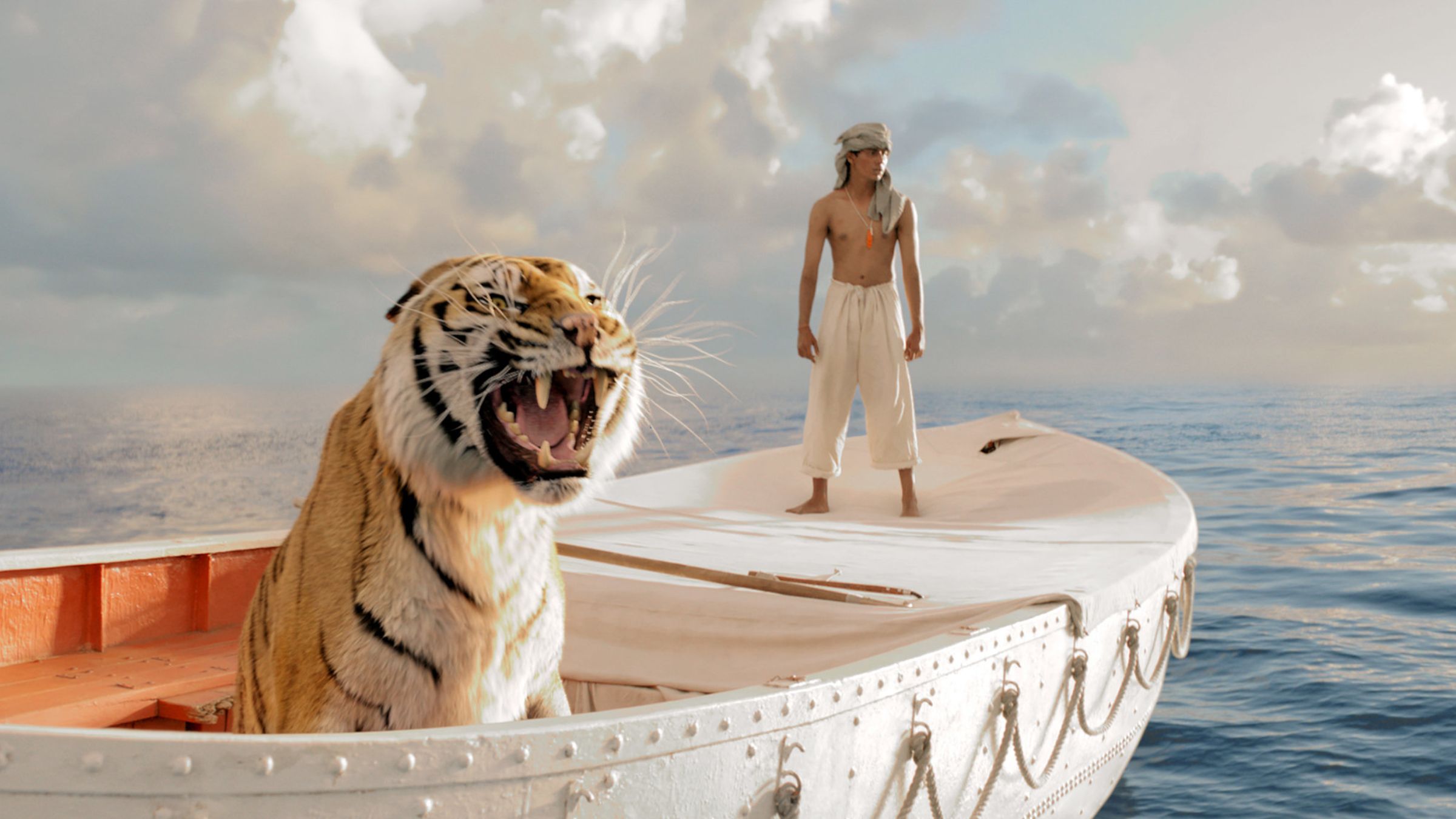
When Life of Pi came out, critics loved it, though many viewers don’t realize it started as a novel. The story centers on a man stranded on a boat with a tiger, and their connection is full of deeper meaning and open to interpretation – it almost feels like a real-life event rather than a fictional tale. Yann Martel’s book relies heavily on storytelling and thoughtful consideration, allowing the meaning to evolve as you read. The film cleverly captured this by creating a visually stunning experience, but without relying on flashy special effects.
The film Life of Pi follows a young man who is the sole survivor of a shipwreck, finding himself adrift in the ocean with a tiger. What makes the movie so effective isn’t just its stunning visuals, but how those visuals amplify the emotional core of the story – the feelings of isolation, fear, and the human need for faith. The film brilliantly captures the book’s most thought-provoking moment – when you begin to question the truth of what you’re seeing – maintaining that same powerful impact without offering easy answers. It’s a technically impressive adaptation that still feels deeply personal and moving.
2) Dune & Dune: Part Two
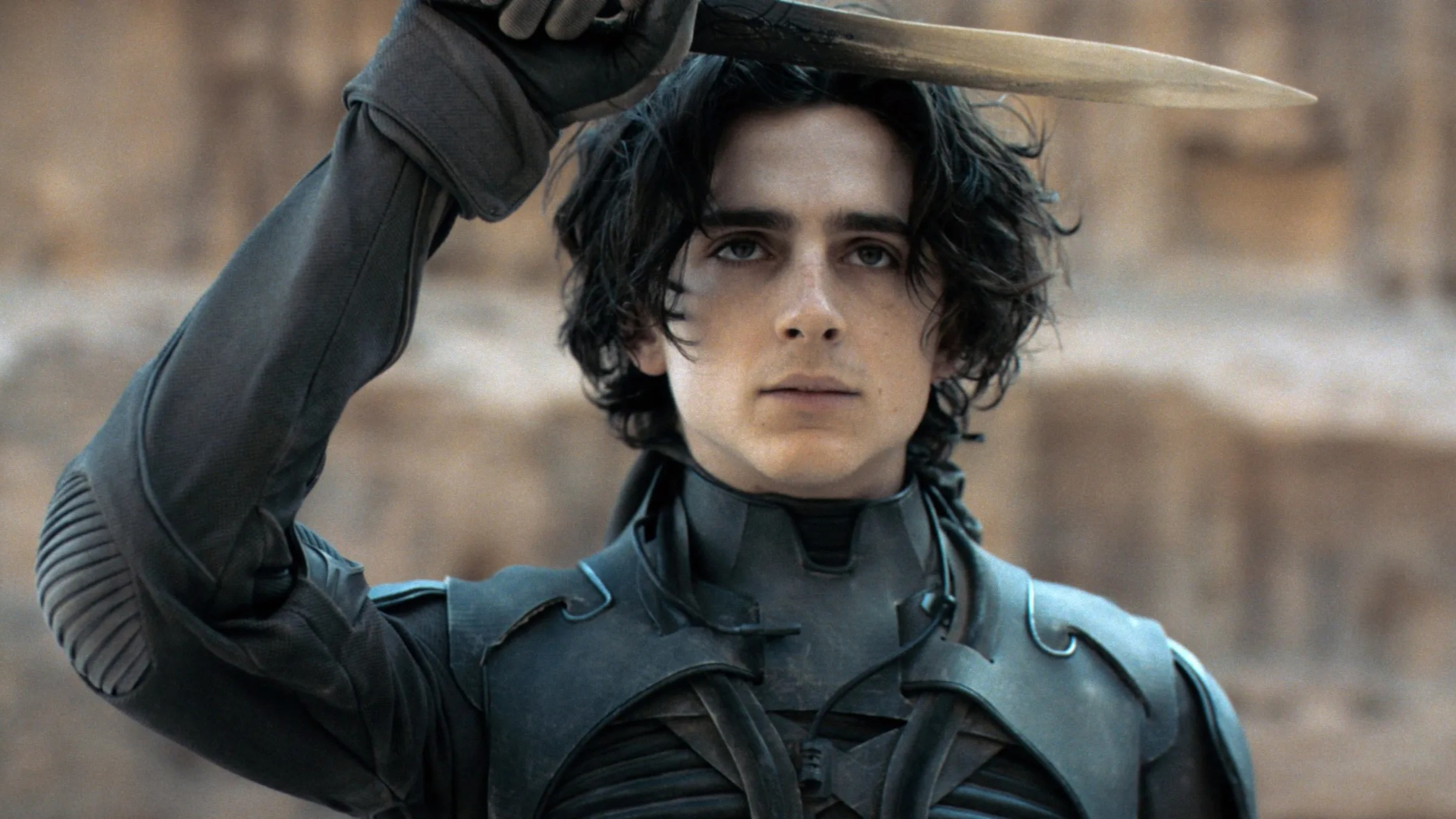
Some stories seem perfectly suited to a single filmmaker, and that was certainly true of Dune and Denis Villeneuve. While David Lynch previously tried to bring the story to life, it didn’t work – the source material is simply too intricate for a film adaptation. The story centers on the young heir to a powerful family, sent to the desert planet Arrakis, which holds a vital resource, and quickly becomes entangled in a massive struggle between empires and religious extremism. However, Dune is more than just a story; it’s a complete world with its own complex systems of politics, religion, prophecy, ecology, warfare, and philosophy – things you can’t adequately explain with just a few lines of dialogue.
The decision to divide Dune into two films was ultimately a good one, and the adaptation has been widely praised. What makes it so effective is that it doesn’t prioritize constant action; instead, it carefully balances moments of excitement with slower, more deliberate pacing. Villeneuve recognized that the story needs room to unfold naturally, rather than jumping straight to spectacle. Ultimately, this adaptation captures the core of the novel: it’s not simply science fiction, but a cautionary tale about the dangers of power – one that feels particularly relevant today.
1) The Lord of the Rings
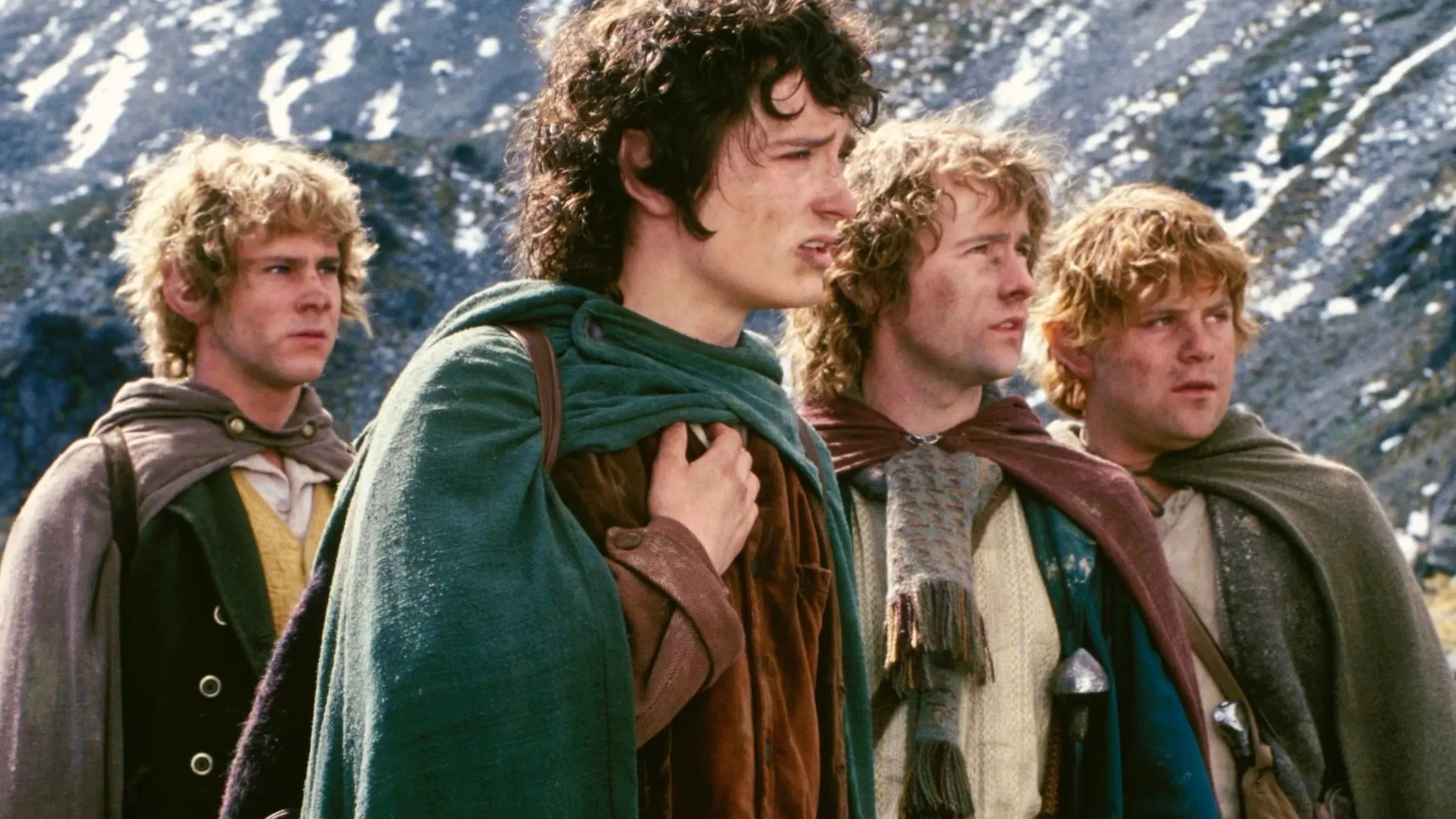
It’s hard to imagine now, but when The Lord of the Rings films were first proposed, many thought Tolkien’s epic story was too complex for the big screen. The books are incredibly detailed, filled with numerous characters, a rich history, and many subplots, making them difficult to adapt. The story centers on a hobbit who must destroy a powerful ring while an evil force tries to conquer Middle-earth. Filmmakers faced the challenge of creating a movie that wasn’t either too short and chaotic or overly long and drawn-out.
Peter Jackson achieved something remarkable with The Lord of the Rings, creating a truly epic film that also felt deeply personal. He succeeded by realizing he didn’t need to include every detail from the books, but instead focus on building a believable world that would fully immerse the audience. This meant making difficult decisions – streamlining and restructuring the plot – while still retaining the core themes of friendship and selflessness. What began as a story seemingly unsuited for the big screen ultimately set the standard for adapting complex, character-driven narratives with both emotional depth and grand spectacle.
Read More
- FRONT MISSION 3: Remake coming to PS5, Xbox Series, PS4, Xbox One, and PC on January 30, 2026
- Best Controller Settings for ARC Raiders
- Mark Zuckerberg & Wife Priscilla Chan Make Surprise Debut at Met Gala
- Meet the cast of Good Omens season 3: All the actors and characters
- 7 Great Marvel Villains Who Are Currently Dead
- Welcome to Demon School! Iruma-kun season 4 release schedule: When are new episodes on Crunchyroll?
- The Boys Season 5 Officially Ends An Era For Jensen Ackles’ Soldier Boy
- Gold Rate Forecast
- Netflix Confirms One Surprising Anime Beat Pokemon & Tied With One Piece for Viewership
- The MCU’s 2026 Release Slate Updated With 4 New Updates
2026-05-16 23:13