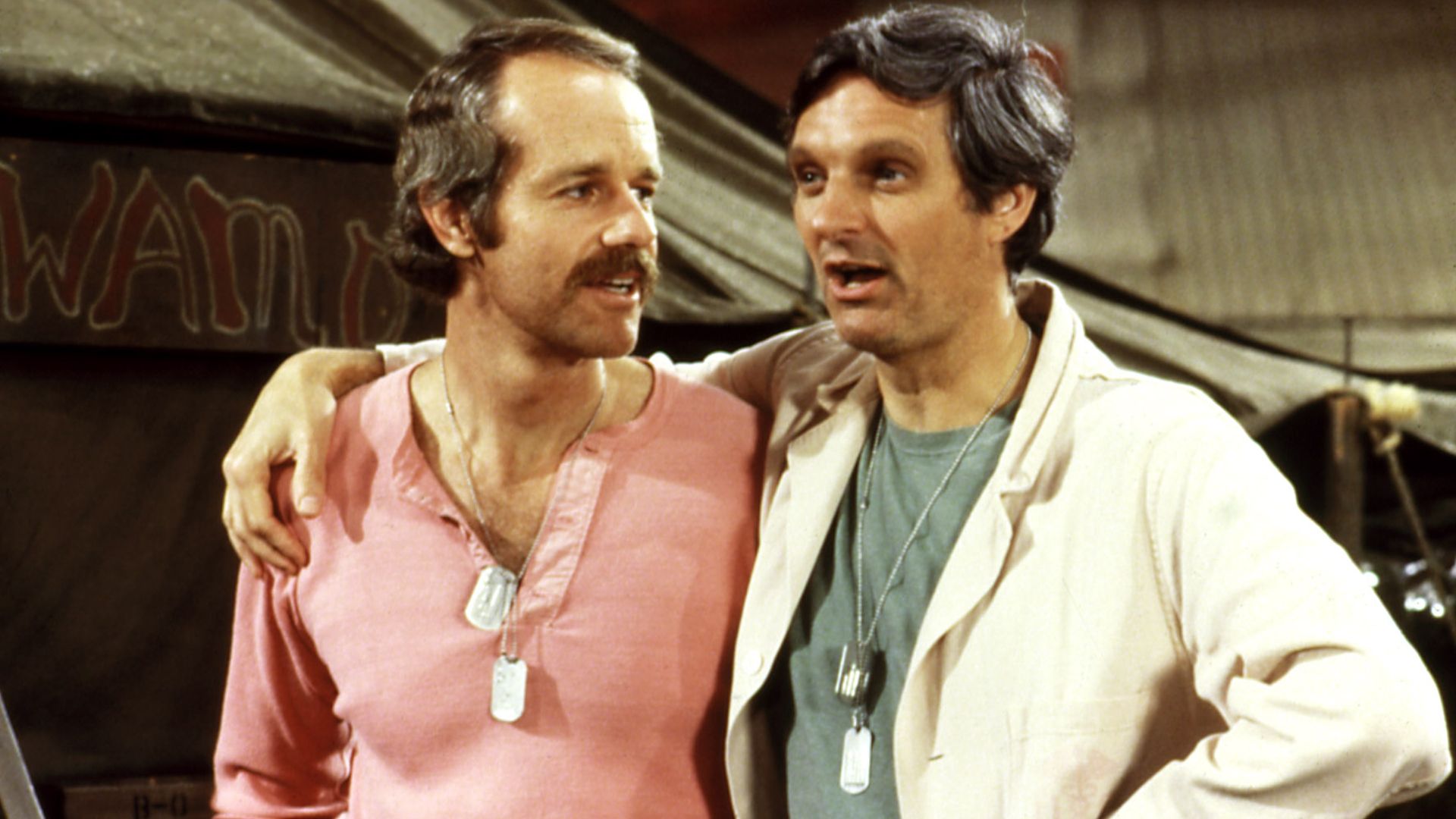
It’s obvious that television is very different today than it was in the 1970s. With more variety in stories and shows blending genres, it’s now rare for a single show to become a cultural phenomenon. But fifty years ago, if you had a TV, chances are you were watching MASH.
Based on the 1970 movie of the same name, MASH is a show about a group of American doctors working during the Korean War, starring Alan Alda, Loretta Swit, and Gary Burghoff. Though it dealt with difficult and important topics, the series uniquely blended comedy with genuine drama, ultimately becoming a groundbreaking and influential television show.
Despite its strengths, MASH occasionally fell into the same traps as other comedies of its time, sometimes choosing silly jokes over meaningful character development. Because of this, some episodes haven’t aged well and were even considered problematic back in the 1970s. In fact, even dedicated fans generally agree that these ten MASH episodes are best avoided when watching the show again.
Germ Warfare
Season 1, Episode 11
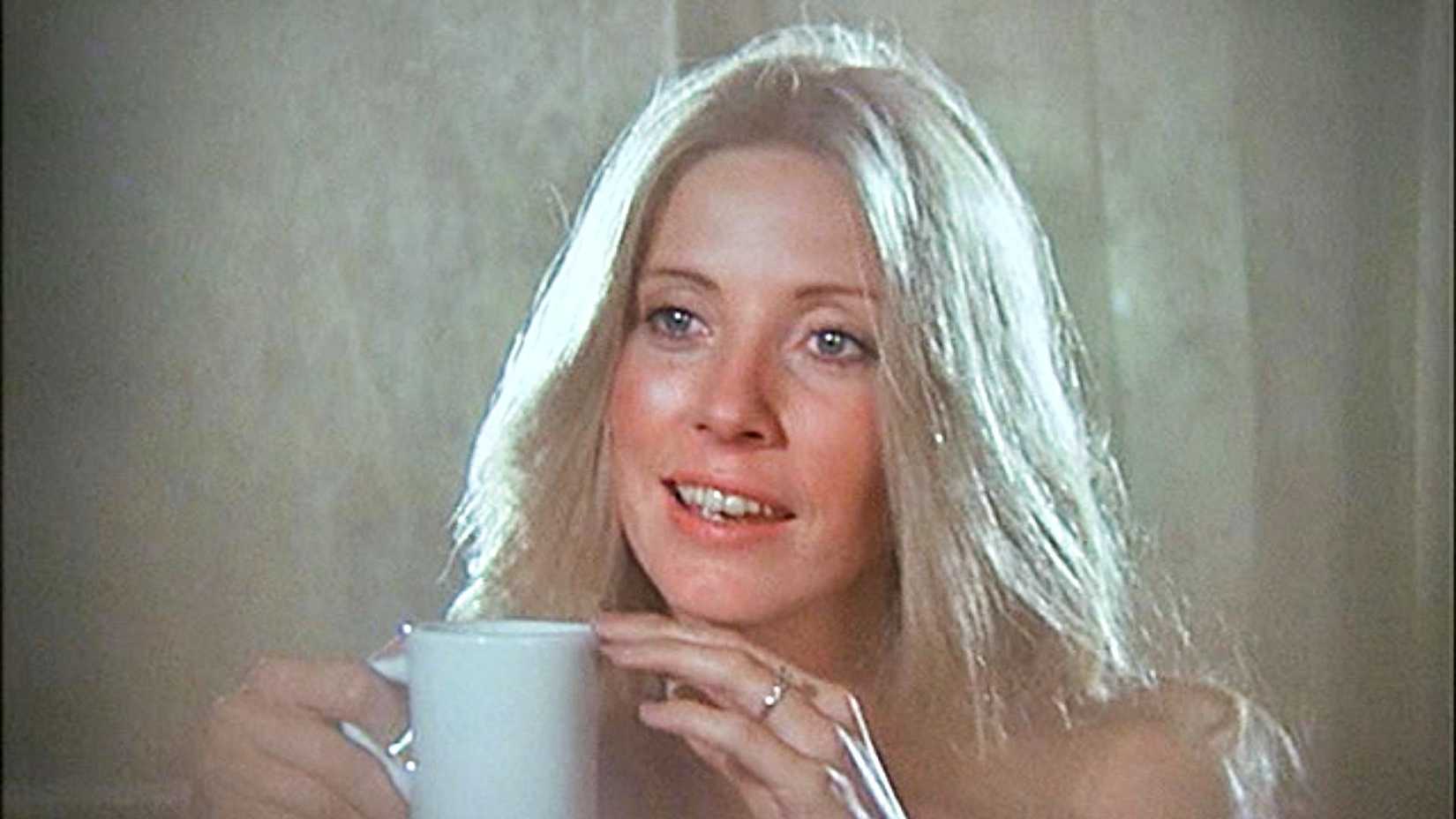
The early MASH episode “Germ Warfare” featured a poorly thought-out and dangerous storyline. When a Korean prisoner of war needed a rare blood type, Frank Burns was the only compatible donor at camp. Instead of simply asking for a donation, the doctors chose to secretly take his blood while he was asleep, and the prisoner subsequently contracted hepatitis.
Instead of being honest with their colleague, Hawkeye and Trapper played a prank on a drunk Frank. They collected his urine for testing, and it turned out he didn’t have hepatitis, but anemia – it was all just a big mix-up. Frank seemed to accept their explanation readily, which made the whole situation seem resolved.
Beyond the storyline, the episode “Germ Warfare” marked the last time Timothy Brown appeared as Oliver Jones, a character unfortunately known by a racially offensive nickname. There was speculation that MASH removed his character after the first season to maintain historical accuracy – claiming there were no Black surgeons stationed in Korea during the war – but this explanation is demonstrably false.
Edwina
Season 1, Episode 13
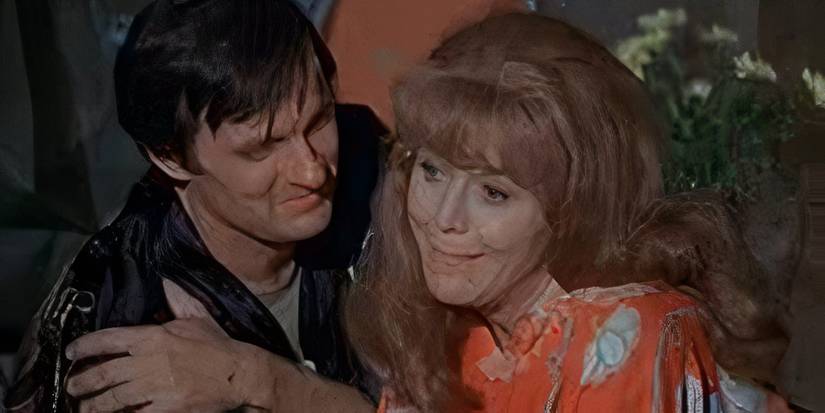
Considering it was made in 1972, is it really shocking that a MASH episode presented a problematic view of women? In the episode “Edwina,” the humor centered around a woman Hawkeye was trying to date. After she expressed feeling unlovable, even Hawkeye rejected her because she was clumsy.
The women of the 4077th tried to help Edwina find a boyfriend by refusing to date anyone themselves until she had a date. They made all the men draw straws to decide who would take her out, which was odd considering the actress Arlene Golonka, who played Edwina, was very attractive. Predictably, Hawkeye ended up with the short straw and had to go on the date.
Hawkeye did try to woo Edwina, but the storyline didn’t resolve with him honestly explaining his behavior. She ultimately went home still believing she was undesirable, and the episode wasn’t a standout in the series MASH.
Henry In Love
Season 2, Episode 16
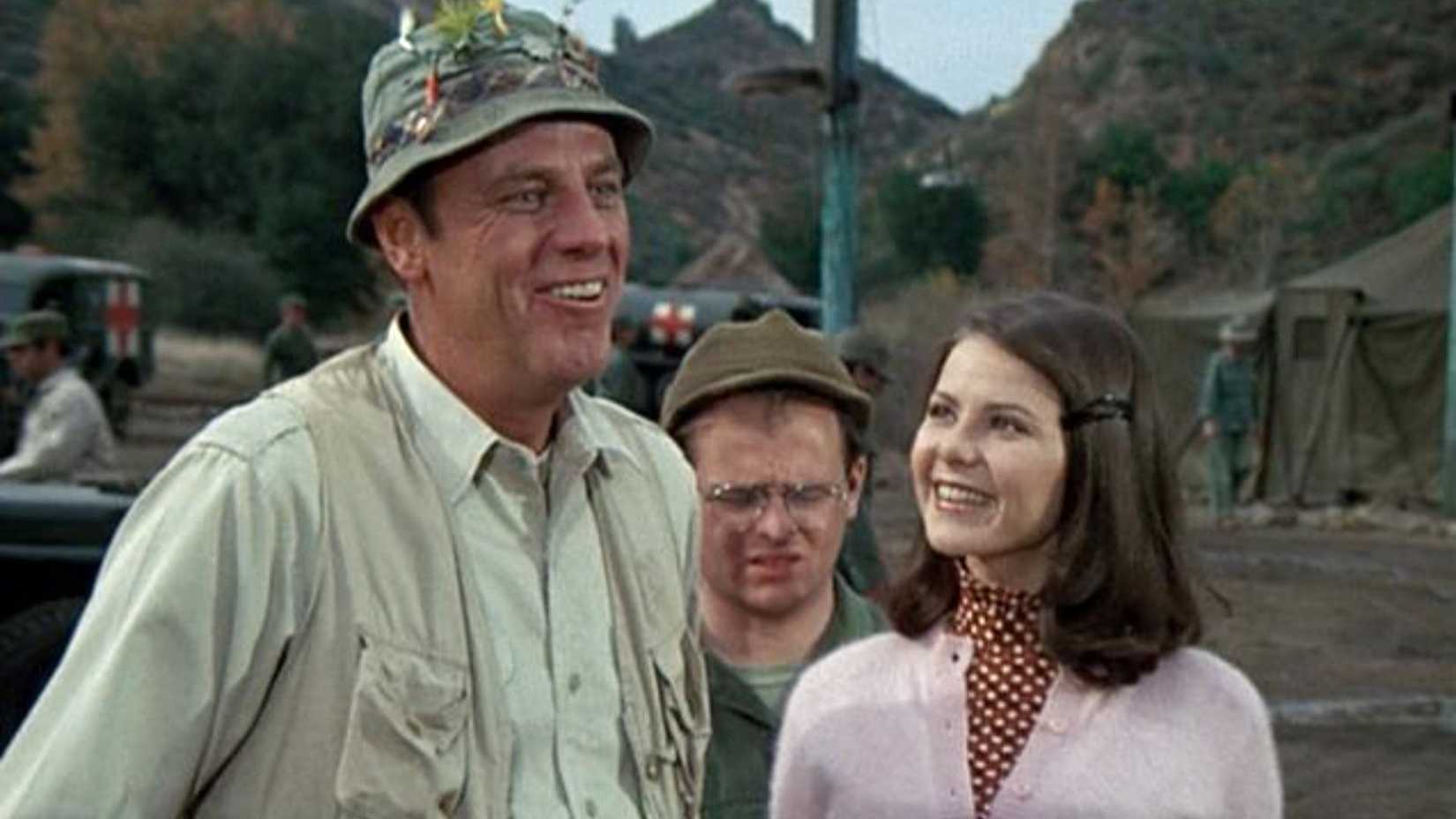
McLean Stevenson’s character, Henry Blake, was a fan favorite on MAS*H, but the episode “Henry In Love” showed a problematic side to him. It was revealed he’d fallen for a much younger American nurse named Nancy Sue while on a trip to Japan. Even more troubling, he didn’t seem to consider the impact this would have on his wife and children back home.
The episode largely focused on the uncomfortable moments Henry created by publicly displaying his much younger girlfriend. Hawkeye especially enjoyed teasing him about dating someone who could have been his daughter. Ultimately, Henry felt good about himself for staying faithful, despite the fact that he hadn’t.
Henry Blake’s character on MASH* was famously written off the show after season 3 when actor McLean Stevenson chose to leave. The writers shocked the cast by revealing Blake’s plane had been shot down, with no survivors. Despite some flaws in his behavior, particularly in the episode “Henry In Love,” he was a much-loved character, making his death a particularly tragic moment for fans.
Hawkeye
Season 4, Episode 19
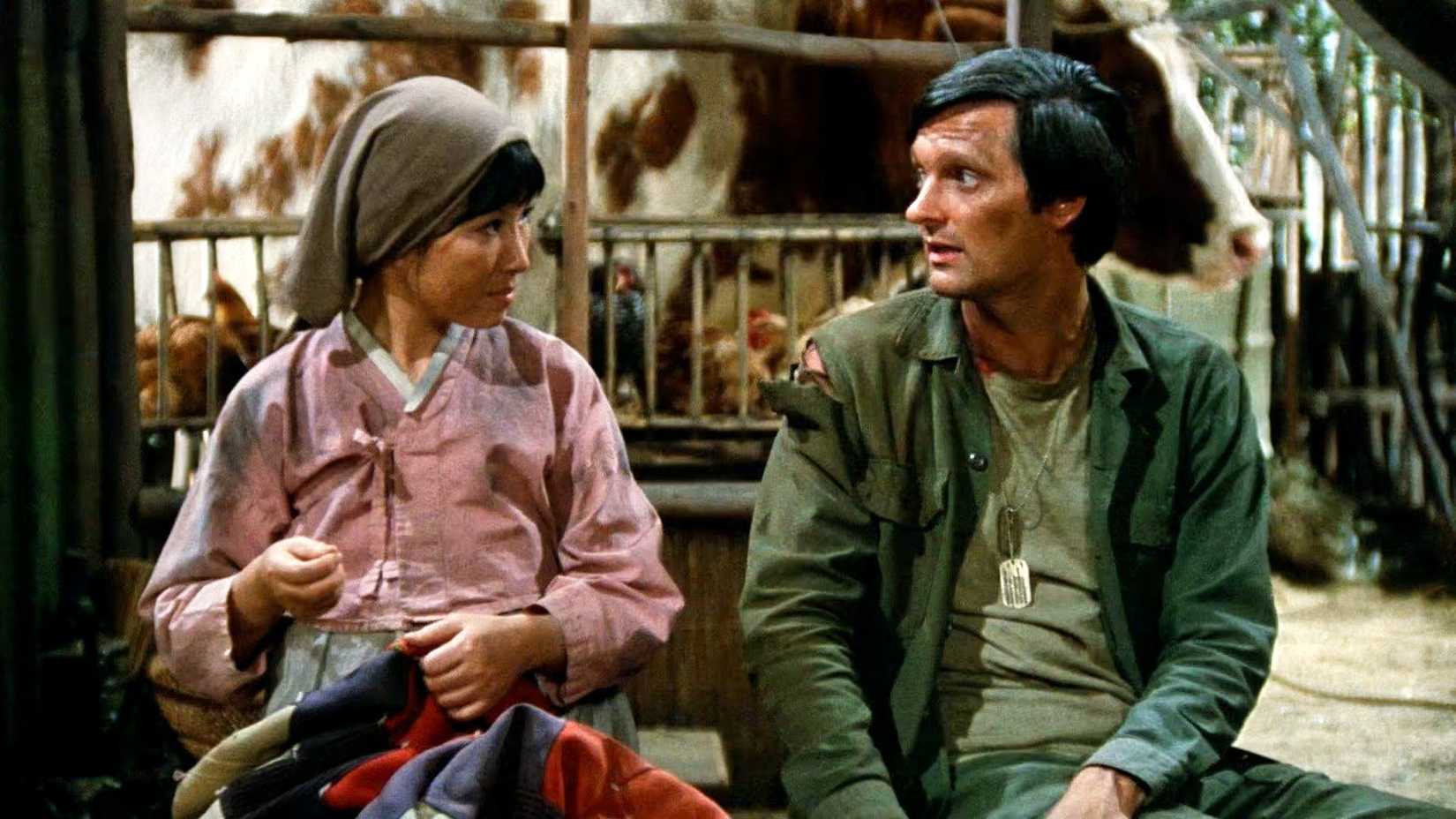
Despite lasting 11 seasons, the TV show MASH only had one episode with all of its main actors. Interestingly, there was also an entire episode, titled “Hawkeye,” that starred only Alan Alda. The episode tells the story of Hawkeye recovering from a jeep accident with the help of a Korean family while waiting to be rescued by his unit.
Instead of focusing on the emotional impact of war on patients, the episode became a showcase for Alan Alda’s lengthy speeches. As Hawkeye’s head injury worsened, he mostly just vented his frustrations to his family, despite being unable to properly connect with them.
Even though Hawkeye expressed gratitude to the family at the end of the episode, he didn’t really connect with them on a personal level. And for viewers who didn’t already like Hawkeye, this episode wasn’t likely to change their minds.
Fallen Idol
Season 6, Episode 3
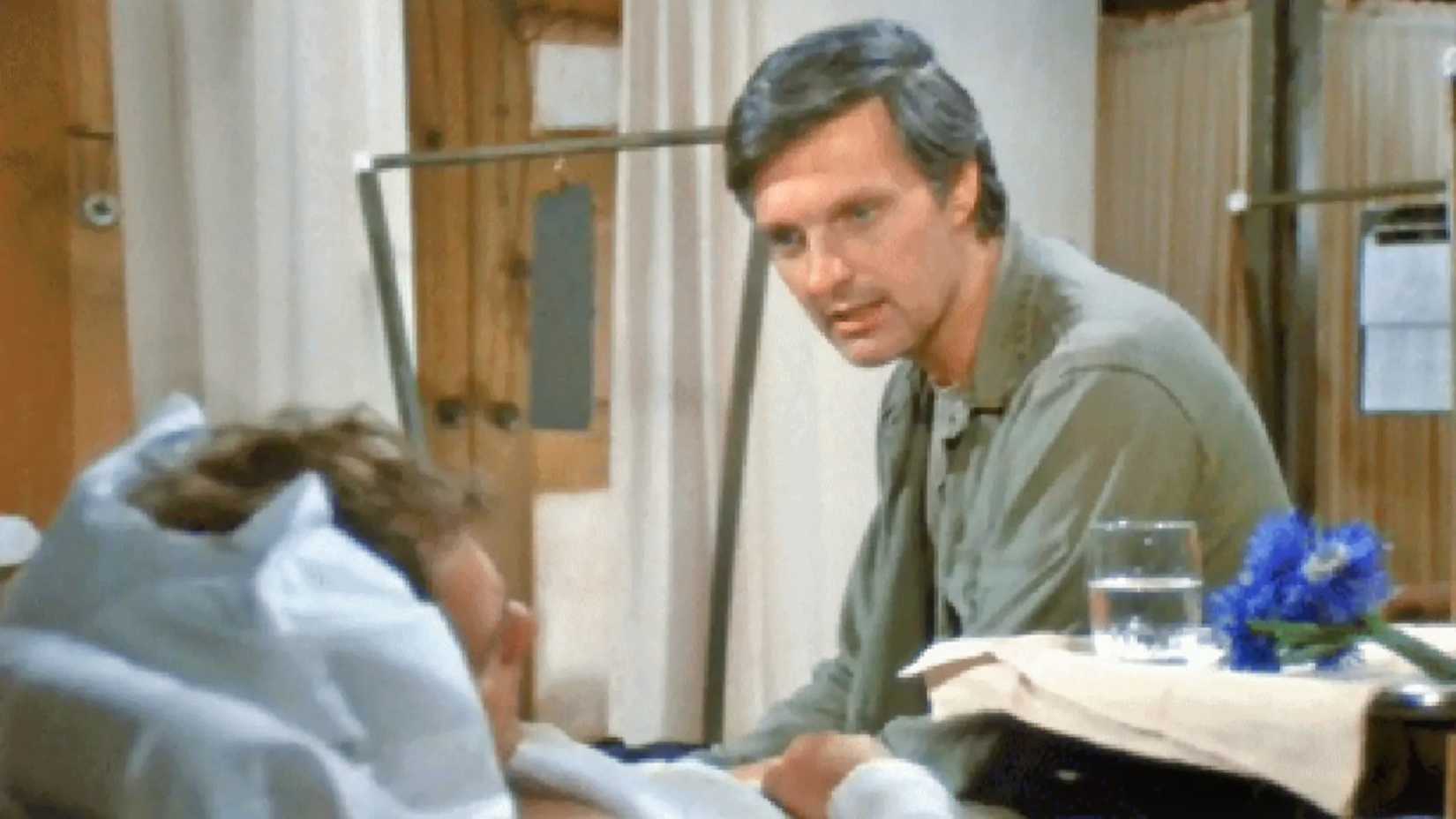
Like “Hawkeye,” “Fallen Idol” struggled because its main character acted badly, making it difficult for viewers to support him. After Radar expressed his lack of experience with women, Hawkeye sent him to Seoul, but Radar soon returned hurt and needing an operation.
Hawkeye’s feelings of guilt began to interfere with his surgeries, leading him to visit Radar, who was recovering. However, Hawkeye unexpectedly lashed out at Radar, upsetting him greatly. Though they eventually made amends, the reconciliation happened only after Radar stopped idolizing Hawkeye.
Hawkeye tried to make up for his behavior by awarding Radar a Purple Heart, though this was standard procedure for soldiers wounded in combat. The show proved it could function well even without Hawkeye, which made his particularly difficult moments even harder to watch.
Lend a Hand
Season 8, Episode 20
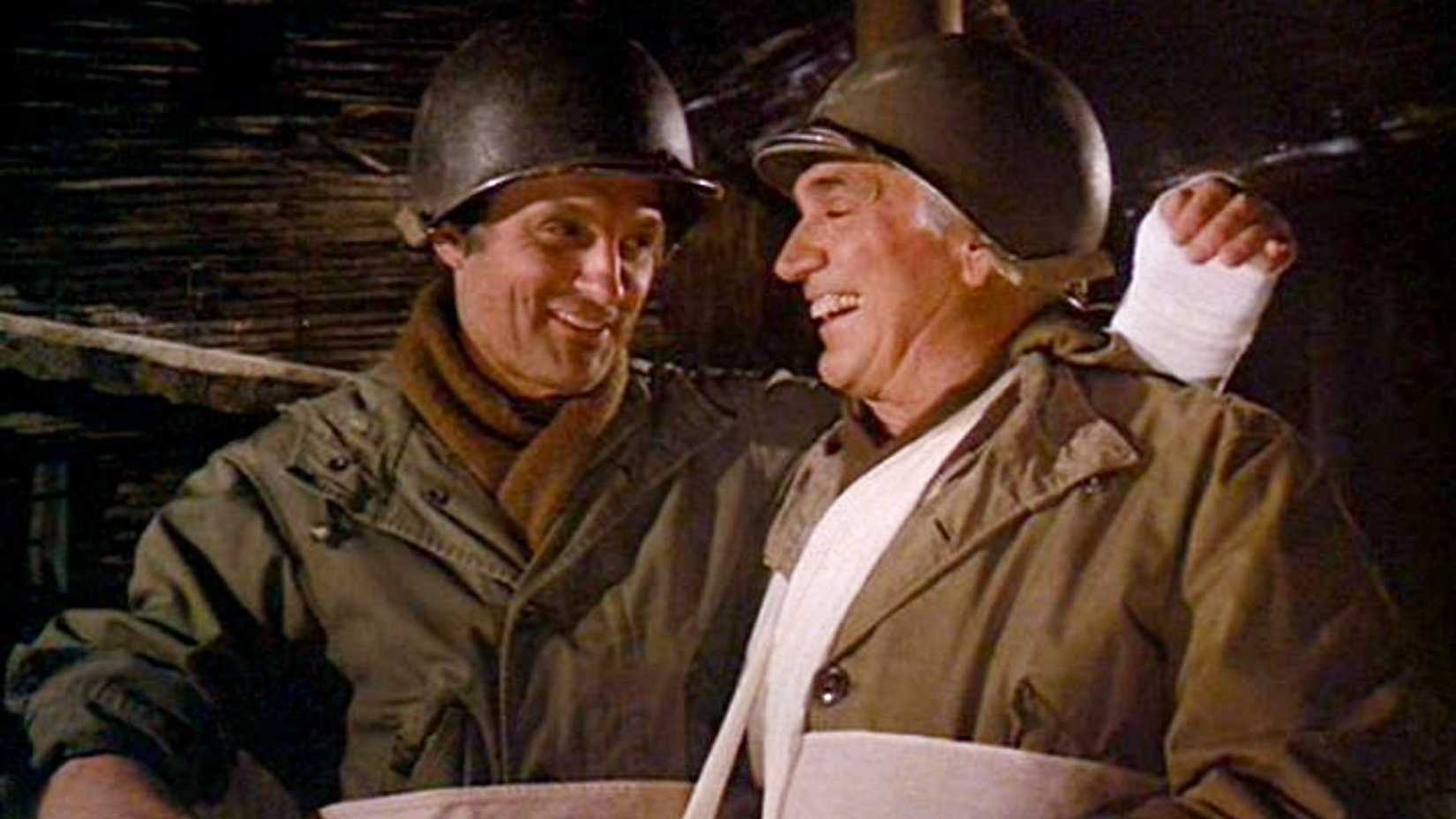
The episode “Lend a Hand” itself wasn’t terrible, but many viewers found it confusing. It featured a second appearance by Alan Alda’s father, Robert Alda, playing Dr. Borrelli – he’d previously been in the episode “The Consultant.” However, in “Lend a Hand,” the show acted as if the events of “The Consultant” hadn’t occurred, creating a continuity error.
Following his drunken mishap that prevented him from operating, the staff at the 4077th were surprisingly glad to have the incompetent Dr. Borrelli return. Hawkeye, who once held Borrelli in some regard, spent the episode dodging him because of his persistent, unwanted advice, causing frequent arguments between them.
Hawkeye and Borrelli reconciled only after they both injured their hands and had to operate on a soldier, each using just one hand. If Robert Alda’s performance and the character’s development had been consistent throughout the series, especially in his final appearance, it wouldn’t seem like the whole storyline was just an excuse for a family gathering.
Dreams
Season 8, Episode 22
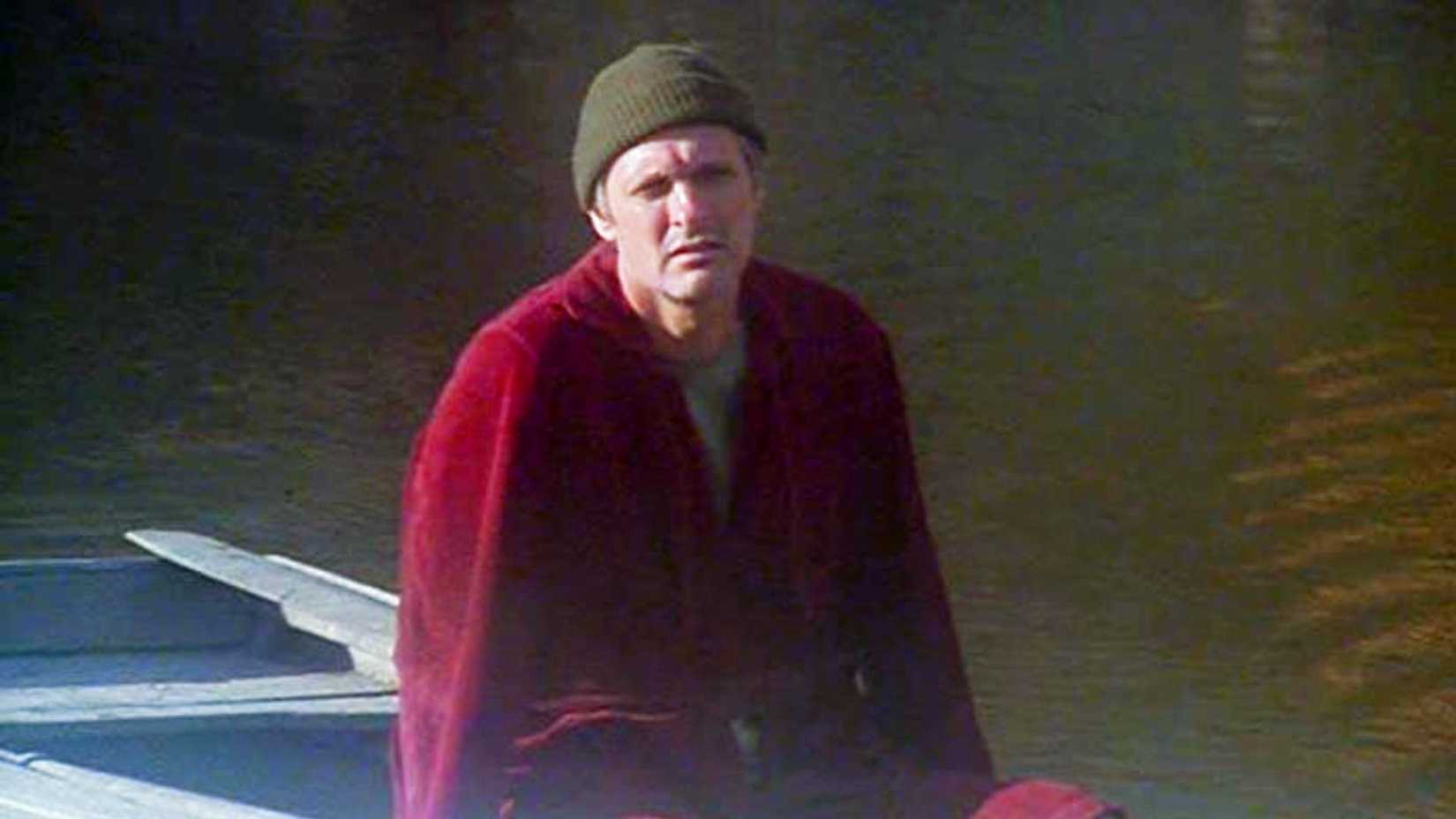
The 1980 MASH episode “Dreams” remains one of the most talked-about installments in the show’s history. Viewers either loved it as the series’ best-written episode or found its serious tone out of place. Written and directed by Alan Alda, the episode features the 4077th falling asleep and experiencing increasingly disturbing dreams. Without the usual laugh track, many scenes felt genuinely frightening, bordering on horror.
The episode’s visuals were powerful and unsettling, but they didn’t quite fit with the generally lighthearted and comedic tone of the show. A good example is Margaret’s dream sequence, where a wedding turns tragic with her fiancé being sent to war, leaving her wedding dress and hands stained with blood.
The episode focusing on Hawkeye was the most intense and disturbing one so far. It featured a horrific series of events: he lost his arm in an accident involving a medical instructor, was unable to save a young Korean patient during surgery, and found himself adrift on a river filled with severed limbs.
Bless You, Hawkeye
Season 9, Episode 17
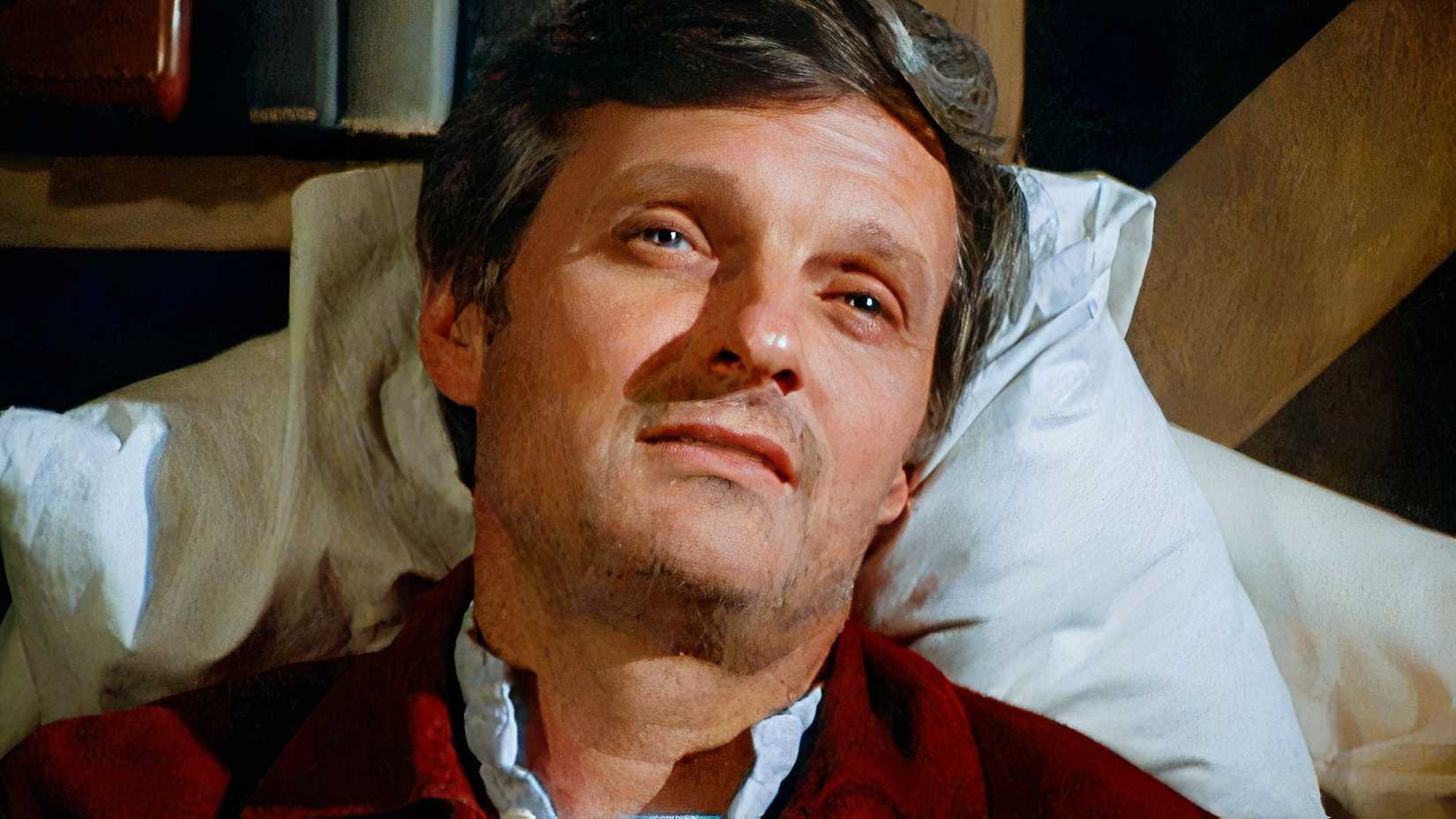
Long-running TV shows often start to run out of good ideas. For MASH, that point came with the episode “Bless You, Hawkeye,” which centered around Hawkeye getting a bad case of uncontrollable sneezing. Instead of exploring how Hawkeye would cope as a patient instead of a doctor, the episode relied too much on the sneezing as a silly, repetitive joke.
Viewers wondering how an entire episode of MASH* could focus solely on Hawkeye’s sneezing might be surprised – it actually works! The episode dedicates itself entirely to figuring out the cause of his constant sneezing, with no other storylines to distract from it.
After doctors determined Hawkeye’s illness was psychological, a psychiatrist discovered his constant sneezing stemmed from a childhood memory. The exaggerated physical comedy was triggered by an incident where Hawkeye’s cousin, Billy, pushed him into a fishing hole when they were kids.
That’s Show Biz
Season 10, Episode 1
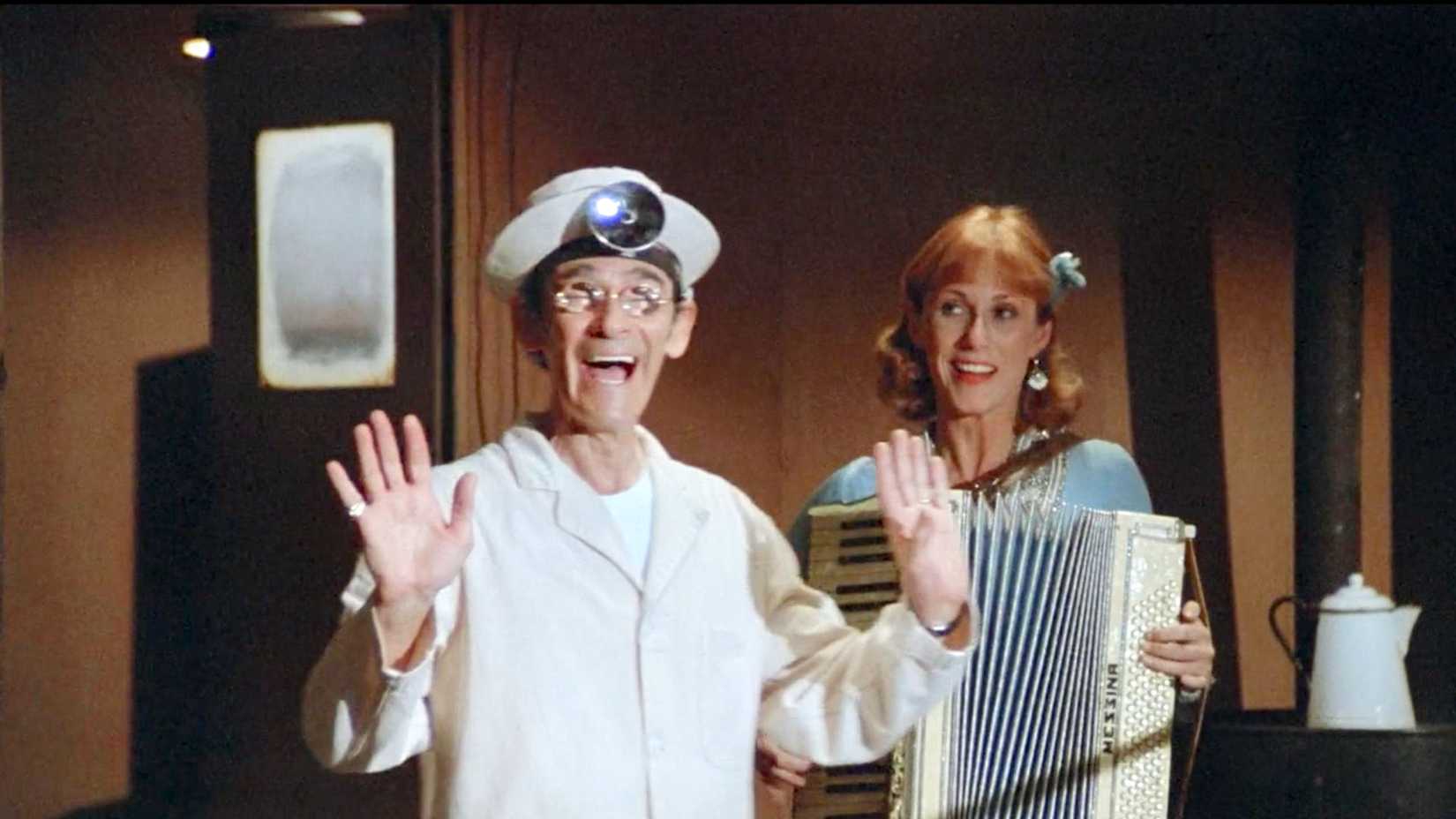
Half-hour TV shows usually need a compelling story to justify extending to an hour, and this episode of “That’s Show Biz” didn’t deliver. The plot centered around a performance group for the troops arriving at the 4077th after one of their singers got hurt.
The episode “That’s Show Biz” faltered by centering the story on the USO performers and their relationships with the 4077th staff. The show featured an awkward emcee, Marina’s unsuccessful attempts to attract Hawkeye, and Mulcahy assisting a performer with a lost item – her ballet shoes.
While the idea of a MASH episode focused on a USO show was intriguing, “That’s Show Biz” didn’t quite succeed. The show’s strongest characters weren’t used effectively, and the episode tried to juggle too many people and plotlines, making it difficult to stay engaged for the full hour.
The Joker Is Wild
Season 11, Episode 4
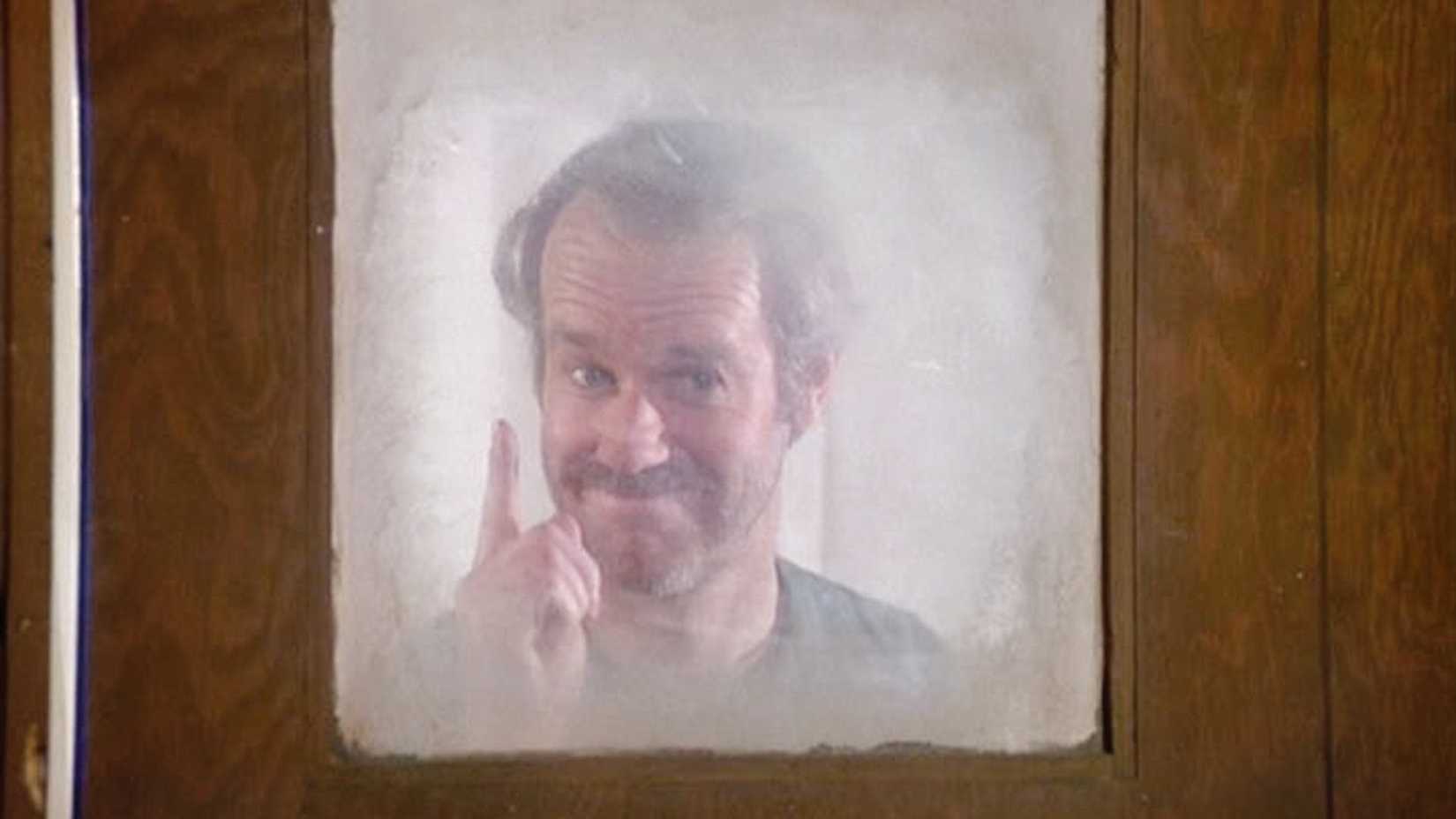
In the episode “The Joker Is Wild,” Hawkeye decided to play a prank on everyone in the 4077th within 24 hours. While he tried, the pranks weren’t very impressive. For example, Mulcahy found hot sauce in his meal, and Winchester woke up to a snake in his bed.
A few of the pranks were dangerous, such as when someone put an explosive in a file cabinet that Klinger opened. At the episode’s conclusion, Hawkeye bragged that he hadn’t been tricked, but Hunnicutt then revealed that the entire 4077th had been working together to try and frustrate him.
While Hawkeye was usually the troublemaker on MASH, this episode put that role on Hunnicutt, and viewers didn’t appreciate it. The episode felt carelessly made, like the show was rushing to finish, which explains why some fans disliked “The Joker Is Wild.” It simply wasn’t very memorable or interesting.
Read More
- Gold Rate Forecast
- 10 Most Powerful Versions of Superman, Ranked
- GBP CNY PREDICTION
- 007 First Light: Release Date, Story, Gameplay, Cast, Editions, and Platforms
- Superman’s 7 Best Power-Ups, Ranked
- DOGE PREDICTION. DOGE cryptocurrency
- 10 Best Free Games on Steam in 2026, Ranked
- 10 Greatest Wii U Games of All Time, Ranked
- Forza Horizon 6 Car List So Far: Confirmed Highlights, Cover Cars, DLC, and Rewards
- What happened to Soldier Boy in The Boys?
2026-04-21 05:26