The ‘transported to another world’ genre in anime is quite predictable, and it doesn’t usually stay fresh for long. The initial idea of an ordinary person ending up in a fantasy setting quickly becomes stale. Many shows then fall into predictable patterns – focusing on wish fulfillment, repeating the same storylines, and appealing to a limited audience with excessive fan service.
Keeping an isekai series engaging over many seasons requires more than just interesting magic or a likeable main character. What really sets consistently good isekai apart is a well-structured plot. Many series fall into predictable patterns and lose their original spark, but the best ones maintain a strong, cohesive storyline from beginning to end.
Every Season of Ascendance of a Bookworm Widens The World
The story of Ascendance of a Bookworm starts with a simple idea: a book lover is reborn as a weak child in a world much like medieval times, and she’s determined to make books again. But her knowledge and intense love of reading aren’t always helpful – they often cause as many difficulties as they fix, shaping her personality and driving the plot.
Even as Myne takes on more responsibilities, her imperfections – like her single-mindedness and occasional self-centeredness – are still noticeable. However, this actually helps the story move forward smoothly, because the world around her develops alongside her increasing status and connections.
The show progresses logically, moving from basic survival stories to complex political maneuvering and religious conflicts. Even minor characters develop their own backstories and aren’t simply there to help the main characters. Importantly, each season builds upon what came before, never discarding previous developments.
Re:Zero Utilizes Every Death as a Plot Investment
I’ve been watching Re:Zero, and it’s built around a surprisingly straightforward idea: the main character keeps reliving the same time loop. But what keeps it from getting repetitive is how the story uses each failed attempt as a chance to learn. Everything Subaru says, every person he trusts (or misjudges), and even his deaths all contribute to how he approaches the next loop. It’s like he’s constantly gathering clues and refining his strategy.
The story’s strength lies in Subaru’s adaptability. Each challenge forces him to face his own flaws – his pride, his desperation, and his misguided attempts at heroism – ensuring the narrative stays fresh and engaging, as the complexities of human nature are endless.
Tanya’s Hyper-Competence is a Genius Trap That Keeps Saga of Tanya The Evil Going
The anime Saga of Tanya the Evil features a highly logical former office worker who excels in combat, but her skills are constantly misinterpreted as cruelty. This leads to her being pushed into increasingly dangerous roles, where her intelligence ironically traps her. The studio, NUT, enhances the story by focusing on the large-scale military strategies and political complexities of the war.
The danger to Tanya continues throughout the story, stemming from people with personal grudges and driven by strong beliefs. The music powerfully portrays each fight as a devastating tragedy, and Aoi Yuki’s voice acting brilliantly captures the shifting moods – from calm professionalism to chilling threat – while remaining consistently believable.
Grimgar of Fantasy And Ash Treats Survival as Grief And Scores Every Moment Accordingly
Grimgar of Fantasy and Ash brilliantly portrays the emotional impact of early battles. The initial fights with even simple goblins feel chaotic and reflect the fear of inexperienced fighters. The series emphasizes the mundane aspects of survival – characters doing laundry, repairing armor, and resting – and uses vocal tracks from [K]NoW_NAME in place of traditional dialogue, allowing the music to express what the characters struggle to verbalize.
The series features a strikingly beautiful musical score that feels like a character’s inner thoughts throughout the entire story. The combination of guitar, cello, and piano creates a memorable and lasting sound. Unlike many shows, the core of the conflict is simply about surviving, which allows the series to maintain a consistent mood in every episode without relying on artificial tension or manufactured larger threats.
Rishe’s Numerous Lifetimes Turn Every Political Crisis Into a Personal Crisis
Rishe Weitzner is incredibly skilled thanks to experiences from past lives, as shown in 7th Time Loop. She’s a natural in battle, moving with the precision of a trained knight, and her knowledge as an apothecary allows her to quickly identify and solve poisonings.
The character consistently demonstrates abilities exactly when the story demands them, making her skill feel earned and natural. Her relationship with Arnold Hein adds consistent suspense throughout the story, as the core conflict remains unresolved.
In this story, Rishe chooses to marry the man who caused her death in a past life, and their complicated history shapes all of their interactions. The anime centers around the two sides of Arnold – the caring man he is now, and the cruel ruler he once was.
Log Horizon Sustains Multiple Seasons by Treating Society Building as The Real Endgame
Log Horizon sets itself apart by focusing on innovative concepts and world-building. Rather than battles, many of Shiroe’s greatest achievements happen through talks and meetings – he creates things like copyright laws and a banking system, and works to get Adventurers officially recognized as a legitimate group. The show’s tense atmosphere is perfectly matched by Yasuharu Takanashi’s powerful rock-orchestra music.
The game’s death and revival system has hidden consequences. Each time a player respawns, they lose small pieces of their real-world memories. For example, Krusty forgetting his cat after dying twice illustrates the heavy price of staying alive in Elder Tale. As characters fight to protect Akihabara within the game, they’re also fighting to preserve their own identities and memories of their lives before the disaster.
The Faraway Paladin Thrives Through Grief And Theological Premise
Will, the main character of The Faraway Paladin, was raised by three undead heroes – a skeleton warrior, a mummy priestess, and a ghost wizard – who taught him not only how to fight, but also about their own regrets and valuable life lessons. After burying them, Will carries the pain of their loss with him, and it guides his actions and decisions throughout the story.
Will’s connection with Gracefeel is like a working agreement, and his adventures usually involve helping troubled spirits find peace. Success isn’t just about fighting; he needs to understand spiritual matters and take responsibility for his actions, giving the story a strong and purposeful direction.
Campfire Cooking in Another World Turns Gluttony Into a Plot Device
In the series Campfire Cooking in Another World With My Absurd Skill, Mukoda isn’t a fighter and doesn’t care about politics—he just wants to enjoy delicious food. This simple goal gives the story a strong, consistent structure. Each new place he visits introduces either a unique ingredient or a fantastical creature he might cook for, and even powerful gods can’t resist everyday treats and baked goods.
The humor in Campfire Cooking in Another World works so well because the usual power dynamics are completely flipped. Fel, who’s normally a terrifying wolf from legend, happily obeys commands just for a taste of ginger pork. Meanwhile, Sui, a cute little slime, is secretly capable of destroying anything that gets in the way of their next meal.
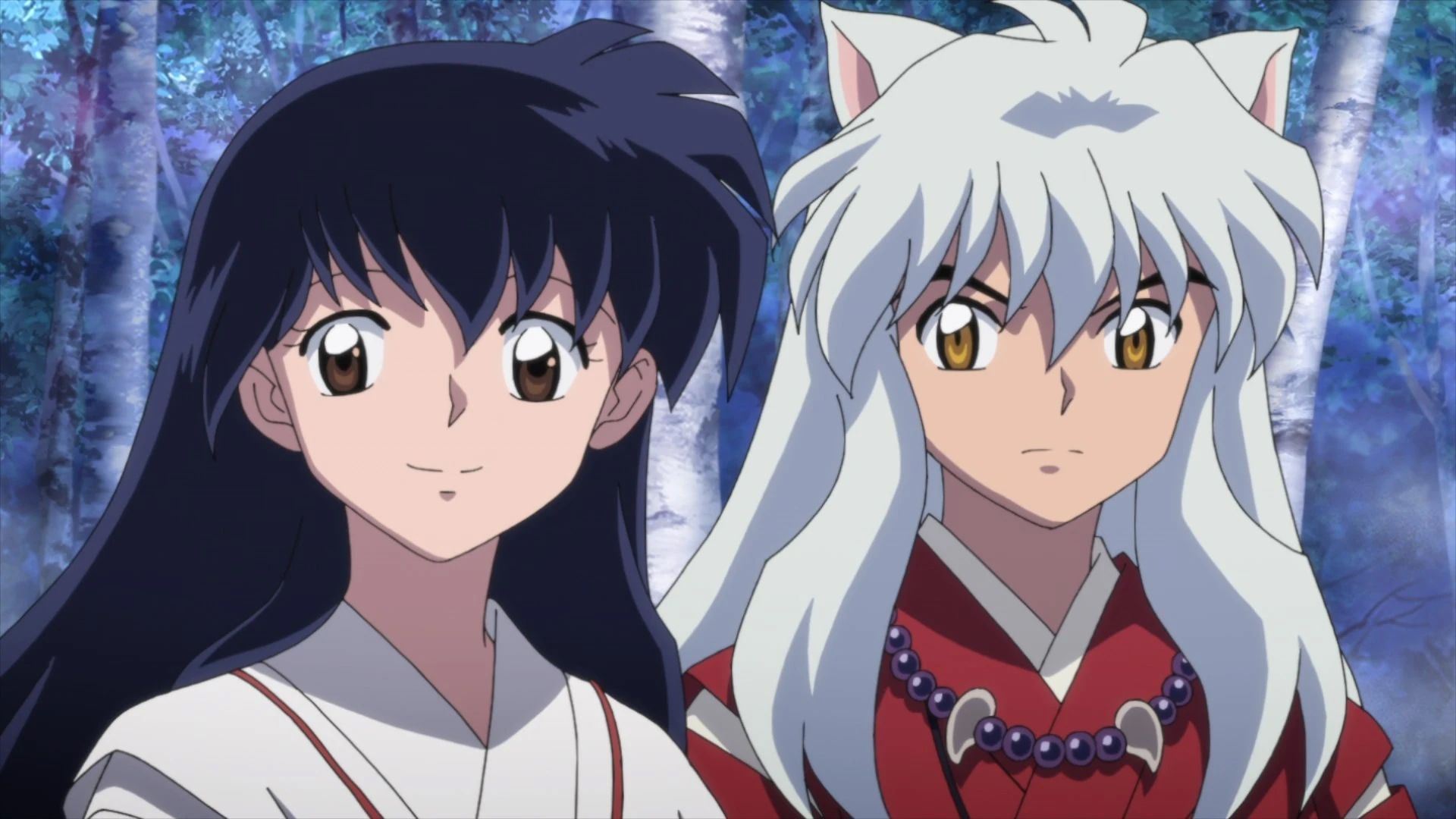
Inuyasha Keeps Naraku as a Definitive Threat And Never Needs a Replacement
Unlike many long anime series, Inuyasha stays strong throughout its run by carefully managing character power levels. Inuyasha’s sword, Tessaiga, becomes more powerful as he learns new techniques rooted in its history and his father’s abilities. Crucially, the series has one main villain, Naraku, from beginning to end, preventing the need to invent bigger and less believable threats as the story progresses.
The Shikon Jewel reflects the inner selves of the characters – it’s made pure by Kagome’s kindness and tainted by Naraku’s evil, making their motivations central to the story. Driven by their own personal goals – Miroku’s quest to break a family curse and Sango’s desire for revenge – the group always has a clear purpose. This strong focus is what keeps Inuyasha, despite its length, from ever feeling aimless.
The Twelve Kingdom Treats Poor Governance as a Destructive Force
The series The Twelve Kingdoms is structured like a collection of independent stories, which allows it to change direction easily. Each story adapts a single novel and isn’t afraid to switch to completely new characters when needed. For example, Taiki’s journey as a young kirin learning the ropes feels very different from Youko’s initial struggles to survive.
This structure keeps the story fresh by introducing new lands – Kei, Tai, and En – and a diverse cast of characters, from commoners to powerful officials and even gods. Importantly, a king’s poor leadership – whether through fear or lack of understanding – directly causes the kingdom’s environment to suffer, showing that political mistakes have real, physical consequences.
Youko’s journey isn’t just about fighting; it’s about learning how countries are run, what drives people to rebel, and the consequences of doing nothing. Essentially, the story shows that power without understanding can ruin a nation, and this idea creates a constant sense of thoughtful conflict throughout The Twelve Kingdoms.
Read More
- UNI PREDICTION. UNI cryptocurrency
- LEGO’s New 12,060-Piece Set Smashes a 5 Year Old Record (& It’ll Cost You $800)
- DEXE PREDICTION. DEXE cryptocurrency
- Pragmata Crashing on Startup: Fixes for PC
- Taylor Swift’s Toy Story 5 Song Now Officially Available to Stream (& It’s Not What I Expected)
- DOGE PREDICTION. DOGE cryptocurrency
- Gold Rate Forecast
- USD HKD PREDICTION
- SUI PREDICTION. SUI cryptocurrency
- Legendary BBC radio host Bob Harris to step down from show due to ill health
2026-06-06 04:27