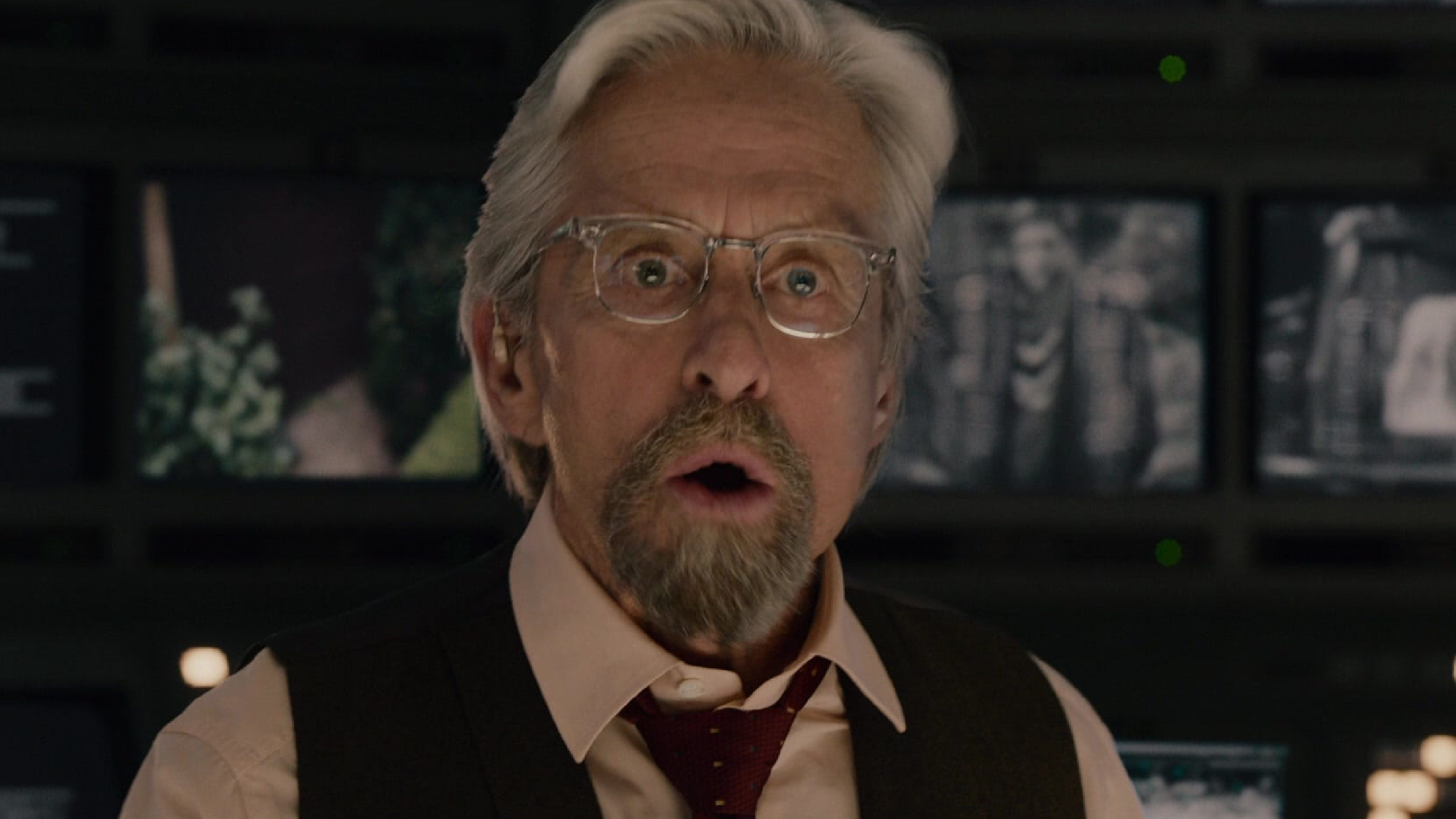
From the beginning, the Marvel Cinematic Universe has faced the challenge of bringing over 60 years of comic book stories to the big and small screen in a way that’s enjoyable for everyone. Adapting that much material always means making changes. Movies and TV shows don’t have the same amount of time as comics to explain everything, and audiences’ tastes change over time. To succeed, the MCU often simplifies character origins, alters superpowers, and even combines multiple characters into one. However, even with Marvel Studios’ best efforts, inconsistencies still appear. A prime example is the science behind the Pym Particles, first introduced in Ant-Man in 2015. The way these particles work—allowing characters to change size—hasn’t always been consistent, changing as needed to fit the plot. This issue actually comes from the original comic books as well.
The movie Ant-Man explains that Pym Particles work by squeezing the space between atoms, letting someone shrink in size without losing any weight or density. This means a shrunken person, like Scott Lang, could still hit with the force of a normal-sized person. However, the movie immediately creates a problem when Hank Pym pulls a tiny tank from a keychain. If the tank kept its full weight, it would be impossible to carry, creating a plot hole. This issue gets even bigger in Ant-Man and the Wasp, where an entire laboratory building is shrunk down to luggage size and rolled through the city. According to the rules established in the first movie, that building would still weigh hundreds of tons! Luckily, a new book called Marvel Anatomy: A Scientific Study of the Superhuman offers a way to explain these inconsistencies and make everything fit together.
The Marvel Anatomy Book Tries to Explain How Pym Particles Work

In their book, Marvel Anatomy: A Scientific Study of the Superhuman, Marc Sumerak and Daniel Wallace tackle the science behind the Pym Particle and size-changing abilities. They use Galileo’s square-cube law, which explains that when something gets bigger, its weight increases much faster than its size. For example, if Ant-Man grew ten times taller, he’d become a thousand times heavier, making movement impossible. The authors propose that Pym Particles don’t just change size, but also dynamically adjust a person’s mass to a manageable level. This explains how Ant-Man can carry a tank keychain – the particles don’t store mass, they simply control it, reducing his weight for portability and restoring it when he needs strength.
The book explains that the idea of three ‘axes’ – size, strength, and durability – comes from Scott Lang’s own theories, not established science. It suggests Pym Particles work by manipulating these three separate factors independently. This means that even when Scott Lang shrinks, he can still hit with full force because his strength doesn’t decrease along with his size. While this is technically fictional, the book provides a consistent explanation for how Pym Particles have behaved throughout Marvel comics and the MCU films.
As a huge Marvel fan, I just got my hands on a really cool book called Marvel Anatomy: A Scientific Study of the Superhuman by Marc Sumerak and Daniel Wallace. It’s newly released from Insight Editions, and it’s a fascinating look at the science (or pseudo-science!) behind everyone’s favorite heroes.
Should Marvel clarify the rules around Pym Particles in the Marvel Cinematic Universe? Share your thoughts in the comments and join the discussion on the ComicBook Forum!
https://comicbook.com/tv-shows/list/every-watcher-appearance-in-the-mcu-so-far/embed/#
Read More
- Elon Musk’s Mom Maye Musk Shares Her Parenting Philosophy
- GBP CNY PREDICTION
- Mark Zuckerberg & Wife Priscilla Chan Make Surprise Debut at Met Gala
- Forza Horizon 6 Car List So Far: Confirmed Highlights, Cover Cars, DLC, and Rewards
- 10 Greatest Manga Endings of All Time
- Elon Musk’s Ex Ashley St. Clair Reveals When Romance Became “Weird”
- 10 Best Free Games on Steam in 2026, Ranked
- Hollow Knight: Silksong Guide – All 30 Lost Flea Locations
- 38 Years Later, Murder, She Wrote’s Most Overlooked Episode Still Pulls Off TV’s Greatest Crossover
- 20 K-Dramas That Nailed the Perfect Ending
2026-04-16 00:12