For three decades, HBO has consistently revolutionized television. Shows like Oz, The Sopranos, Sex and the City, and The Wire established the standard for high-quality TV, pushing boundaries in storytelling, artistic expression, and mature content. This cemented the idea that television could be as compelling and impactful as film. While the television world has changed dramatically with the growth of streaming services, HBO remains synonymous with exceptional programming – it’s more than just television, it’s HBO.
Besides the shows already mentioned, Game of Thrones truly stands out, especially as it approaches its 15th anniversary. Although the final season and series finale are often criticized, that shouldn’t overshadow the show’s impressive achievements, starting from the beginning. Considering its complicated and incomplete source material, large cast, detailed fantasy setting, and elements like dragons and the White Walkers, it’s remarkable that the show succeeded at all.
Game Of Thrones Changed TV – For Better & For Worse

The biggest impact of Game of Thrones on television is how it revitalized the fantasy genre. The show’s popularity sparked a rush among networks to create their own fantasy series—or shows with similar grand, historical scope—with HBO also looking to build on its success.
Whether these shows would have been made regardless is debatable, but series like The Witcher, The Lord of the Rings: The Rings of Power, Wheel of Time, The Shannara Chronicles, Vikings, The Last Kingdom, Shadow & Bone, and House of the Dragon all owe a debt to Game of Thrones. The success of Game of Thrones helped launch a trend of big-budget, adult-oriented high fantasy shows that became popular throughout the 2010s and continues with the rise of streaming services.
However, the show’s impact extends well beyond the fantasy genre. Game of Thrones borrowed from and expanded on elements seen in earlier shows. It took the sophisticated, character-driven storytelling of series like The Sopranos and The Wire, the intricate mystery-building that captivated fans of Lost (where viewers analyzed every detail), and the trend of complex, flawed characters. But Game of Thrones combined these elements in a uniquely powerful way.
I remember discovering this show at just the perfect moment – it felt like everyone was talking about it! It was incredible how it took over conversations at work, online, everywhere. And with social media really taking off, the fear of someone spoiling it was real. Seriously, this was a show you absolutely had to watch as soon as it aired, or risk having everything ruined!

HBO needed a hit, and Game of Thrones delivered. By the time the show premiered, many of the network’s classic series like The Sopranos, The Wire, and Deadwood were already past their prime, and future successes like True Detective hadn’t yet arrived. Competition from networks like AMC, with shows like Mad Men, Breaking Bad, and The Walking Dead, was increasing. Game of Thrones ultimately solidified HBO’s position as a leader in television programming.
As Game of Thrones progressed, the idea that it was more than just a TV show became increasingly accurate. The show’s production quality reached levels comparable to, and often exceeding, those of many films. This contributed to the growing trend of treating TV like cinema, a concept that’s sometimes gone too far – as seen with the decline of self-contained episodes in many streaming series. While other ambitious, high-budget shows existed previously (like HBO’s Rome), none captured the public’s imagination or demonstrated the potential of “small-screen cinema” as effectively as Game of Thrones, and many shows have since attempted to follow its lead.
Thanks to George R.R. Martin’s books, Game of Thrones redefined television storytelling. While plot twists weren’t new, the show shattered the typical formula of clear heroes and villains always succeeding. Previously, audiences generally expected main characters to survive, but Game of Thrones immediately upended this expectation with the death of Ned Stark, and then again with the shocking Red Wedding – events that captivated and devastated viewers worldwide.
While groundbreaking, Game of Thrones wasn’t perfect, and some of its early depictions of sex and violence were problematic. However, it did push boundaries in the television industry. Later shows often copied its dramatic character deaths, but frequently prioritized shocking moments over meaningful storytelling. The show also sparked a huge amount of fan theorizing, which was great for engagement but created unrealistic expectations. These issues – problematic content, senseless deaths, and unmet fan expectations – have become common problems for many popular shows like The Walking Dead and Stranger Things.
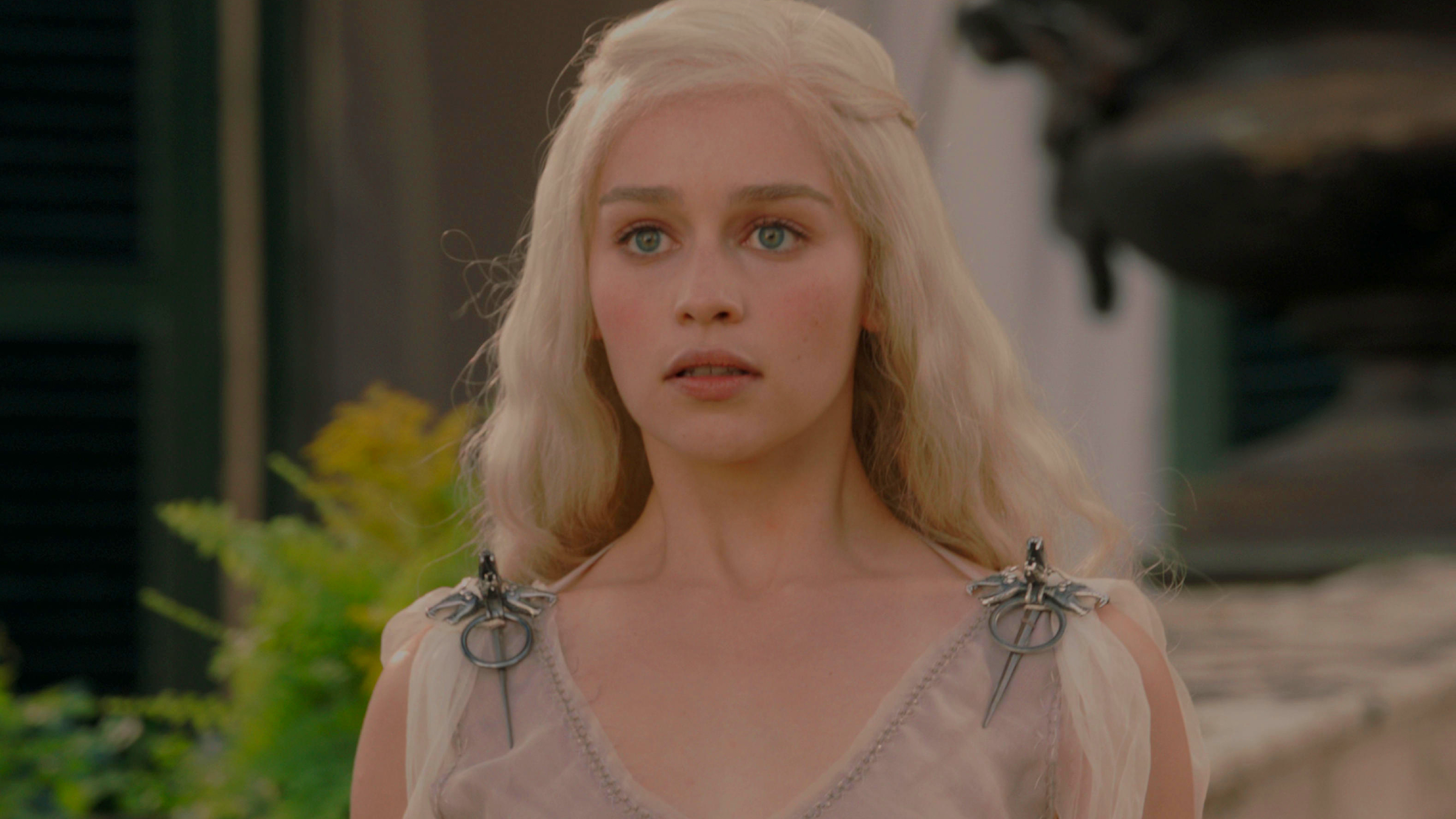
Revisiting the first episode, “Winter is Coming,” highlights how much time Game of Thrones was given to develop. It didn’t become a phenomenon immediately. While 2.2 million viewers watched the premiere – a good number – it wasn’t yet a major cultural moment. The $5-6 million per episode budget was significant, but not revolutionary. The show had the opportunity to build an audience and improve over time, something that’s unusual now when streaming services often expect instant success.
It’s ironic that Game of Thrones—a show that revolutionized television—also contributed to the end of that era. The show’s massive scale and high production costs meant seasons took longer to create. Plus, the explosion of streaming services created so much content that it’s now rare for everyone to watch and discuss the same show. Game of Thrones was the last truly dominant TV show, and with streaming so fragmented, it’s unlikely we’ll see another cultural phenomenon quite like it again.
Game of Thrones is available to stream on HBO Max.
What do you think? Leave a comment below and join the conversation now in the ComicBook Forum!
https://comicbook.com/tv-shows/news/game-of-thrones-show-episodes-underrated-masterpieces/embed/#
Read More
- Gold Rate Forecast
- 10 Most Powerful Versions of Superman, Ranked
- 10 Best Free Games on Steam in 2026, Ranked
- GBP CNY PREDICTION
- Forza Horizon 6 Car List So Far: Confirmed Highlights, Cover Cars, DLC, and Rewards
- 10 Greatest Manga Endings of All Time
- Forza Horizon 6 PC Issues: Fix Crashes, Stuttering, Steam Errors, and Game Pass Problems
- 007 First Light: Release Date, Story, Gameplay, Cast, Editions, and Platforms
- XLM PREDICTION. XLM cryptocurrency
- PI PREDICTION. PI cryptocurrency
2026-04-17 19:11