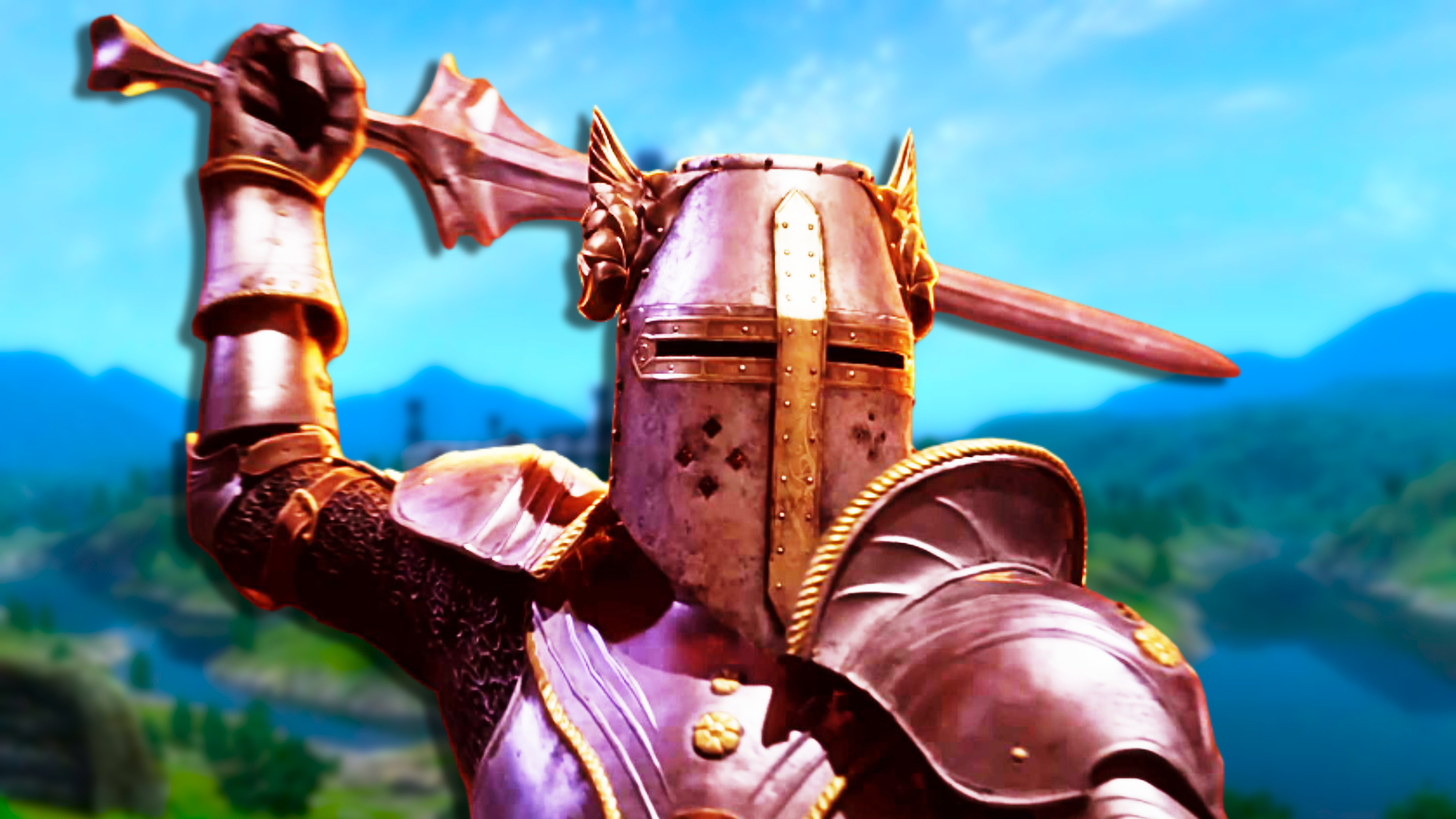
Open-world games still have a lot of problems, even though the genre has improved. Developers have addressed some of the most annoying issues, and moving away from the predictable Ubisoft style has helped open-world games feel fresh and exciting again. But certain problems keep reappearing, either because of ingrained habits or, strangely, deliberate choices. These issues can be small, but even minor flaws add up and hold the entire genre back.
It’s understandable to overlook imperfections in open-world games, especially considering how difficult they are to perfect. Even the best titles have their issues, and it’s unfair to expect perfection. However, there’s one persistent problem that was actually solved over two decades ago. The fix is so effective and obvious that it’s baffling why it still exists. Despite the success of series like The Elder Scrolls which ditched it long ago, the ever-present minimap continues to plague the genre.
Minimaps Are The Worst Thing To Happen To Open World Games
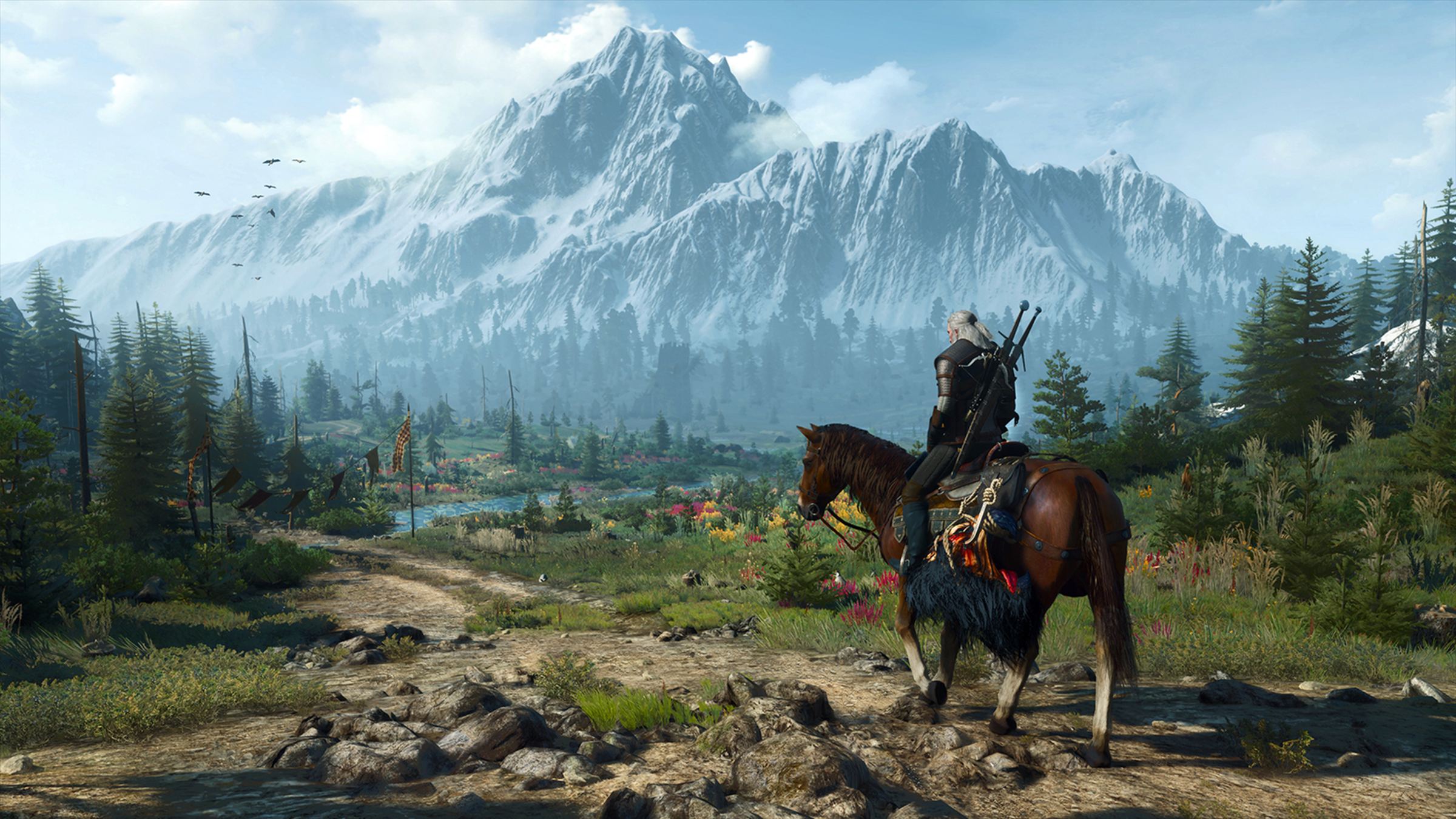
I might be exaggerating a little, but minimaps in open-world games are generally terrible. They work fine in competitive shooters or simpler games where you don’t need to check them constantly – a quick glance can help with orientation or finding secrets. But in open-world games, minimaps are either annoying distractions or, worse, they discourage genuine exploration.
I recently got a little lost while playing the amazing game Crimson Desert. I thought I could easily find my way back to the main path by retracing my steps. However, I had been staring at the minimap for so long that I didn’t recognize my surroundings. I was too focused on the simple, small circle on the screen and not enough on the beautiful, detailed world the developers created, which meant I hadn’t paid attention to where I was going.
The issue isn’t with the minimap itself, or how much information it shows. It’s simply where it has to be placed on the screen. Because of its size and shape, a minimap always occupies one of the corners, and your eyes are drawn to it. This placement pushes everything outside of that corner into your peripheral vision, which your brain tends to ignore, making those details essentially useless.
For years, games have used minimaps, and we’ve become very dependent on them. While they’re common in open-world games, even if I don’t enjoy them myself, players often use them to figure out where they are and where to go. This has led developers to prioritize showing directions on a minimap instead of designing the game world with clear, memorable landmarks. Ultimately, this creates a less engaging experience for both players and developers. Thankfully, Bethesda’s The Elder Scrolls series showed a better approach, but it seems like other developers didn’t take notice.
The Elder Scrolls Has The Perfect Minimap
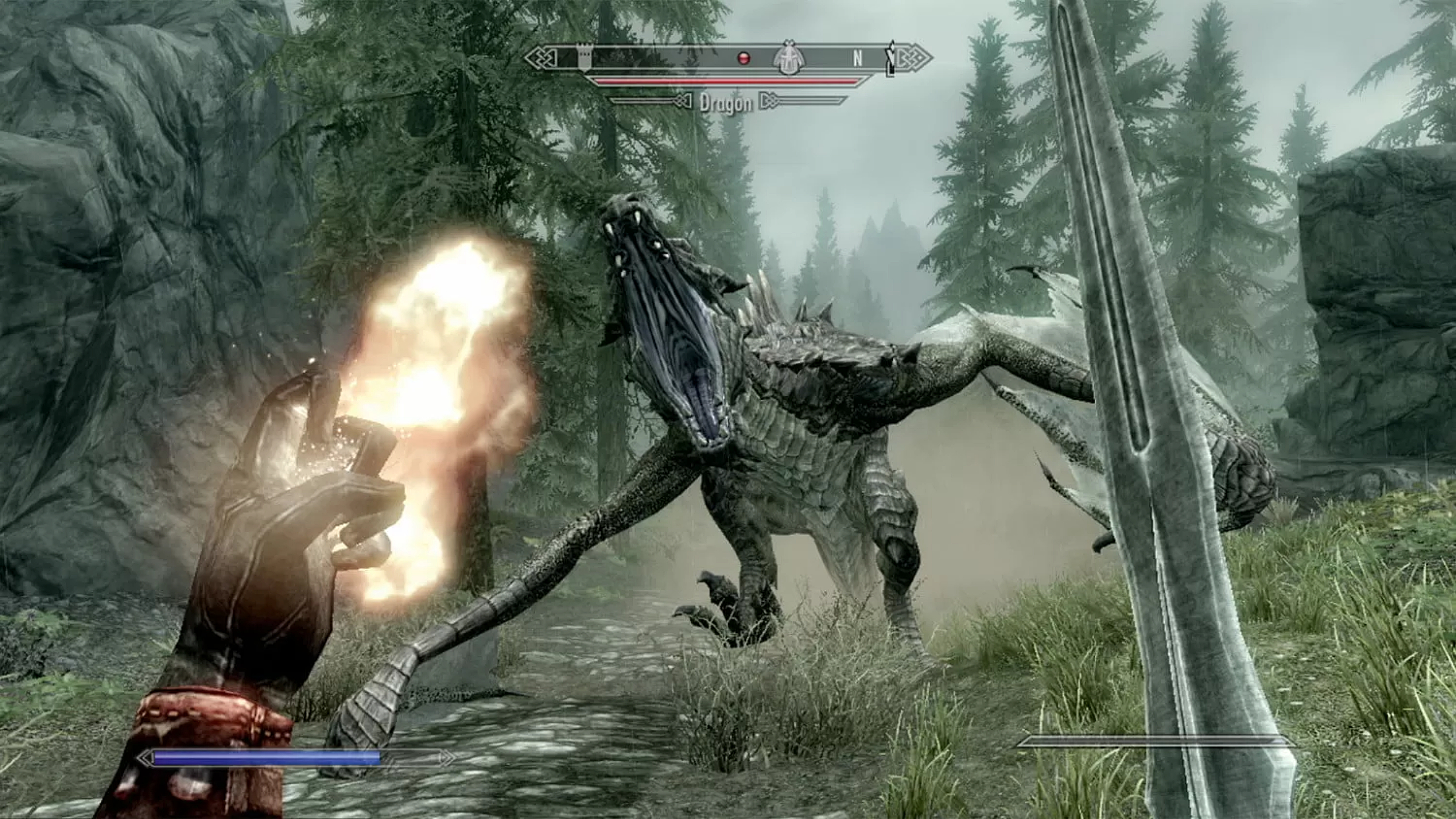
The compass seen in The Elder Scrolls V: Skyrim – and possibly first used in The Elder Scrolls IV: Oblivion – is a much more effective way to show players where they are and what’s around them, without needing to check the map. Oblivion’s compass was small and tucked away in the corner, which helped reduce distractions but wasn’t ideal. Skyrim improved on this by making the compass larger and placing it at the top of the screen.
The solution worked well because the compass was positioned in a way that felt natural and was easy to see while looking straight at the screen. Players didn’t have to look down at a corner to find it; it was either already visible or just a quick glance upward, allowing them to still focus on the game world. This design also kept the interface clean and uncluttered, making the game even more immersive. I believe this is a major reason why The Elder Scrolls V: Skyrim felt like the most immersive open-world game ever made, until Kingdom Come: Deliverance came out.
Warhorse’s medieval open-world game is a stunning achievement, and it stands out from most open-world titles by using a traditional compass instead of a minimap. This design choice keeps the beautiful game world constantly visible and makes the experience far more immersive. It creates a stronger connection to the environment than even the visually impressive world of The Witcher 3. It makes you wonder why more game developers don’t adopt this seemingly better approach.
The Minimap Is Here To Stay, For Now

It’s true that not everyone shares my preference for traditional compasses – most players are used to minimaps now. Minimaps are simply more detailed, showing terrain and distances visually, which is easier to grasp than numbers on a compass. This is especially helpful in games with a lot of verticality, like Crimson Desert. While minimaps can be distracting and take away from the scenery, they’re easy to use and familiar, making them a standard feature in most open-world games.
Minimaps are still common in games, but a growing number are using a simple compass instead. Games like Kingdom Come: Deliverance, the Horizon series, Fallout, Tainted Grail: The Fall of Avalon, Elden Ring, and Assassin’s Creed all use this approach. Interestingly, some games – including Ghost of Tsushima, Death Stranding, and Hell Is Us – have removed both minimaps and compasses entirely. While many developers still prefer these traditional tools, a segment of the gaming industry is clearly exploring alternatives.
The ideal solution would be to offer players choices – a hybrid system that suits everyone. For example, a minimap that only appears when requested, or the option to use a minimap, compass, or no navigational aid at all. While these features would take extra development time and resources – things often overlooked for something like a minimap, especially since a standard design is already common – we’re seeing more games offer customizable interfaces and accessibility options. This suggests developers might soon start rethinking even basic elements like in-game navigation, potentially innovating in the way The Elder Scrolls IV: Oblivion did two decades ago.
How do you like to get around in games? Share your thoughts in the comments below and discuss it with other fans in the ComicBook Forum!
Read More
- The Super Mario Galaxy Movie: 50 Easter Eggs, References & Major Cameos Explained
- Surprise Isekai Anime Confirms Season 2 With New Crunchyroll Streaming Release
- 10 Best Free Games on Steam in 2026, Ranked
- ‘Project Hail Mary’: The Biggest Differences From the Book, Explained
- All 7 New Supes In The Boys Season 5 & Their Powers Explained
- Frieren: Beyond Journey’s End Gets a New Release After Season 2 Finale
- Sydney Sweeney’s The Housemaid 2 Sets Streaming Release Date
- Skate 4 – Manny Go Round Goals Guide | All of the Above Sequence
- Silver Rate Forecast
- Preview: Sword Art Online Returns to PS5 as a Darker Open World Action RPG This Summer
2026-04-13 02:41