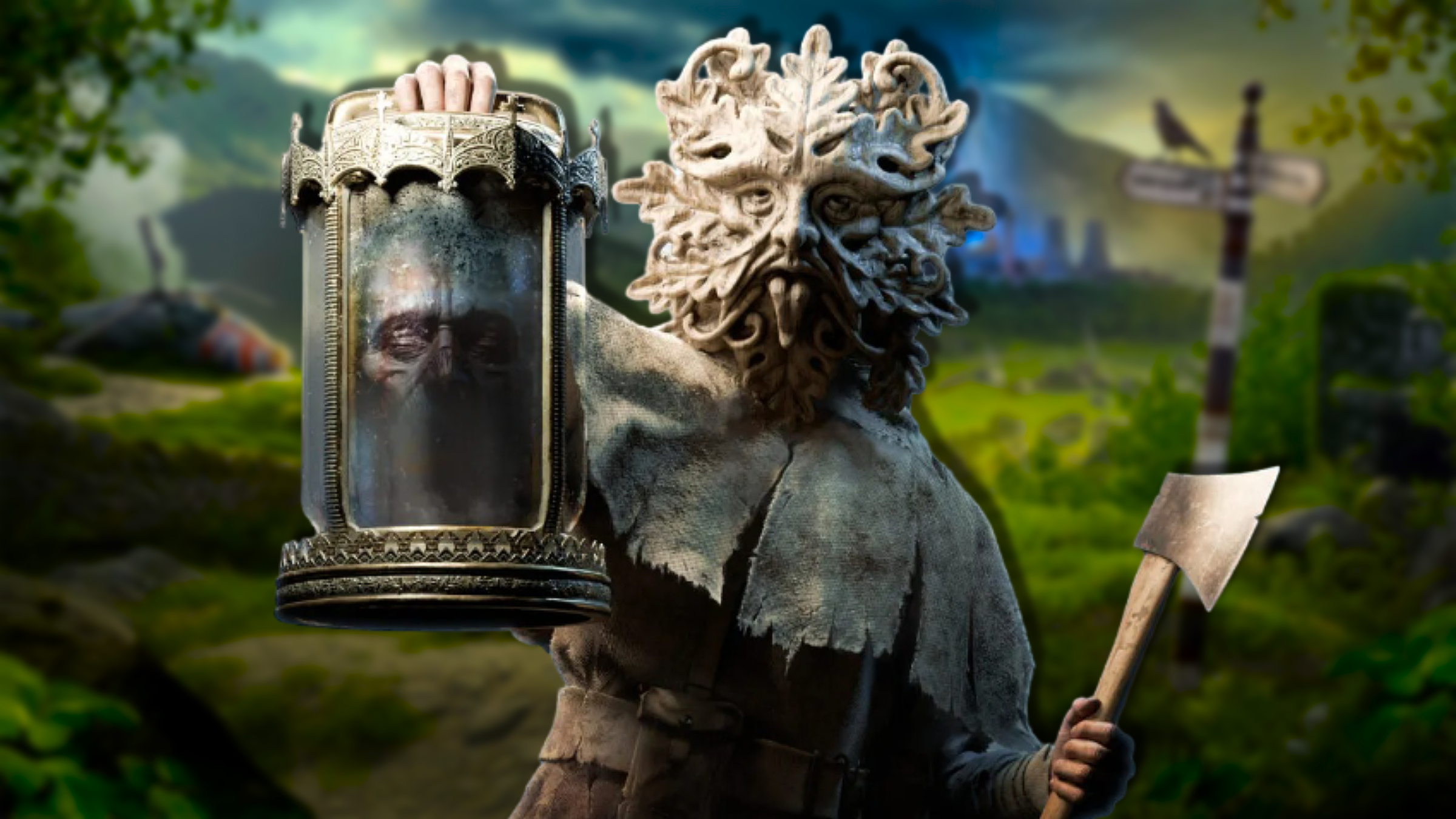
Open-world games have improved dramatically in the last ten years, particularly thanks to groundbreaking titles like Breath of the Wild and Elden Ring. Instead of just completing repetitive tasks like climbing countless towers or clearing out enemy camps, players now explore because they want to. This has made exploration much more immersive, game worlds richer and more satisfying, and quests feel less like checklists. It’s a fantastic time for open-world game design, and you can even see this change in how established developers like Ubisoft are rethinking their traditional approaches.
Open-world games still have some kinks to work out. Many feel too big, overwhelming, and filled with unnecessary content – essentially, they need to be more concise. Developers often assume players want massive worlds, believing bigger is always better, but that’s not necessarily true. A smaller, more focused world can actually be much more enjoyable to explore. A great example is the 2025 RPG Atomfall, a fantastic and often overlooked game that I highly recommend.
Atomfall’s World Proves Size Isn’t Everything
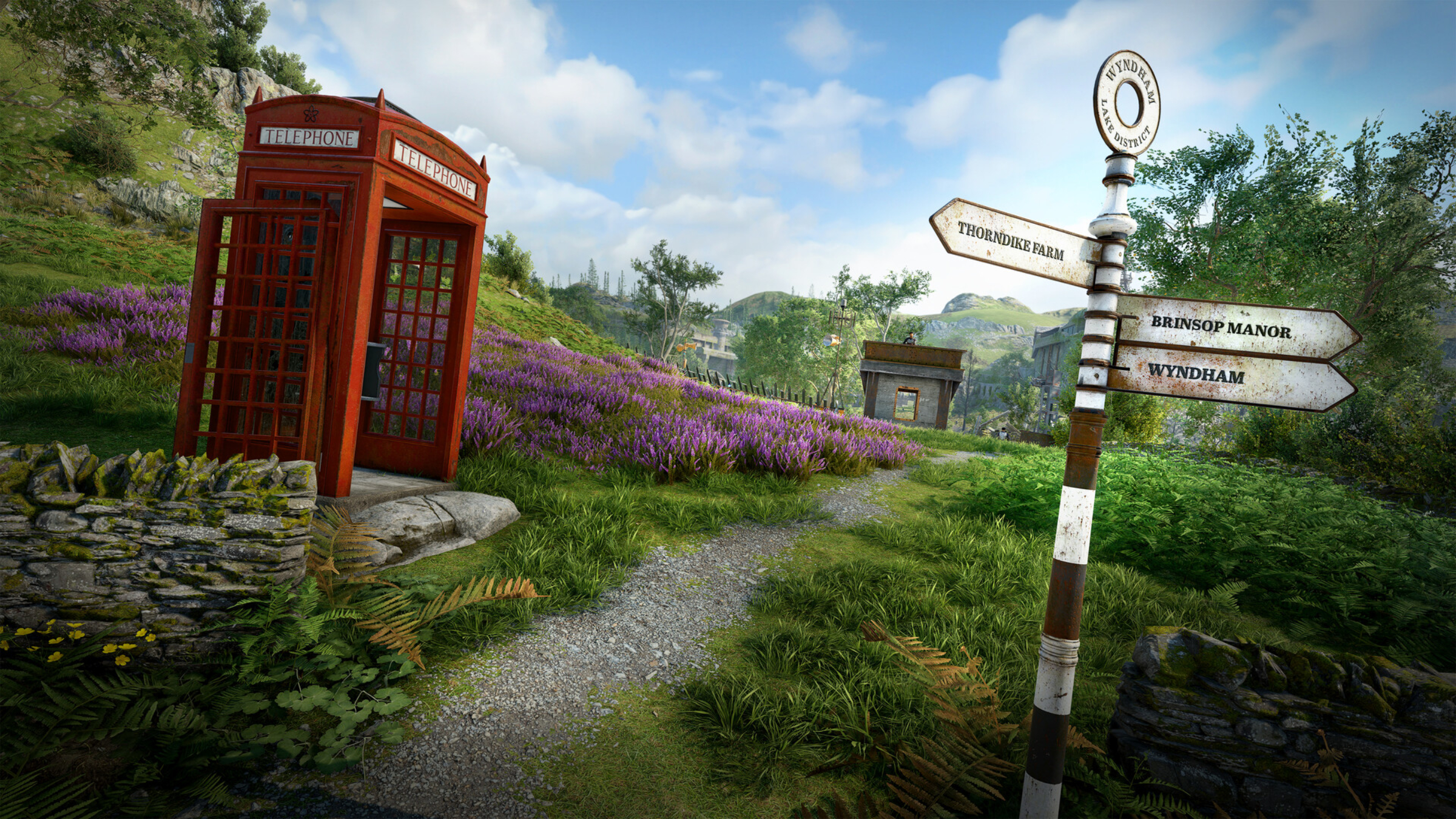
Although Atomfall did well enough to get a sequel announced, I think it deserves more recognition. It attracted a lot of players initially, especially through Xbox Game Pass, but opinions on its mix of survival gameplay and Falloutinspired story were just okay. It wasn’t a flop, but it hasn’t stuck around in the public conversation, either. Atomfall* quickly faded from popularity, which I think is a shame because it’s a really good game and does some innovative things with the open-world genre.
I bring this up because I worry that the clever ways Atomfall designs its open areas will be ignored. While Atomfall isn’t a completely open-world game, that’s actually a good thing. Instead of one huge, connected world, Rebellion divided the countryside into several distinct open areas linked by loading screens. This allowed them to create more detailed and navigable maps, which suited the game’s challenging, hands-off approach. Most importantly, it enabled a much more diverse landscape, as different areas didn’t need to artificially connect to each other.
I believe Atomfall truly feels like a Fallout game because of its smaller, detailed open worlds. These areas are filled with secrets, interesting locations, strong environmental storytelling, and memorable landmarks – all things that make Fallout so engaging. Before release, people constantly compared the two games, and it’s this focus on dense, quality environments that solidifies that connection, in my view. Plus, keeping the world smaller helps Atomfall avoid the feeling of being unnecessarily large, which is a common problem in many open-world games today.
Open-World Games Need To Start Getting Smaller
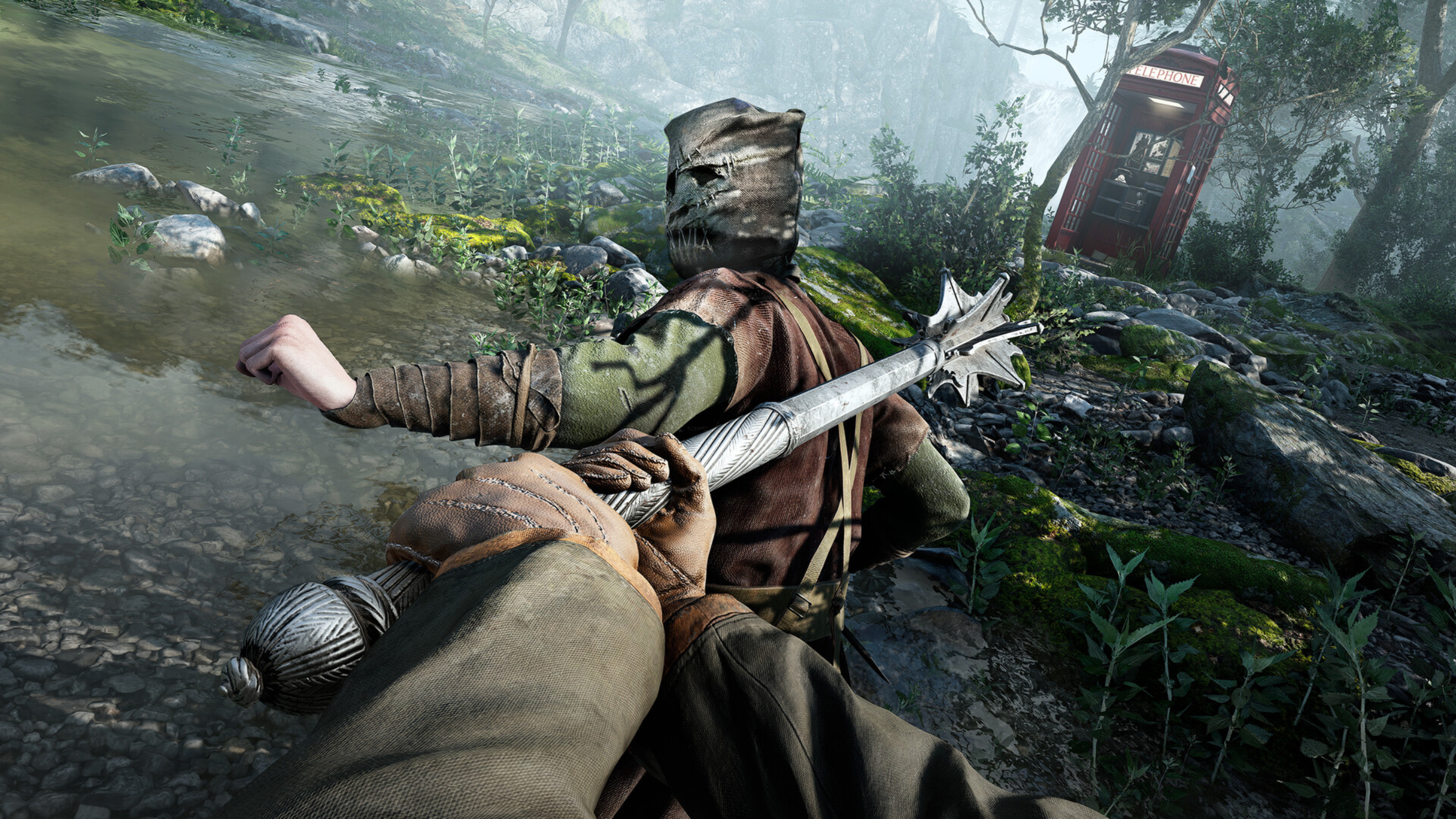
It’s time to move away from overly large open worlds, like those in games like Far Cry and Assassin’s Creed, and go back to a more focused, semi-open design. While huge worlds can be great – Elden Ring and Breath of the Wild prove that when done well – they often end up feeling empty and pointless. It’s simply harder to fill a massive space with interesting things to do than it is a smaller, more concentrated area.
Atomfall’s design cleverly avoids the problem of empty, sprawling worlds. By keeping the map relatively small and densely packed with interesting locations, the game constantly pulls you forward in any direction, even with a limited view. Avowed, a similar fantasy game, successfully used this approach, making its world a pleasure to explore because everything worthwhile is close at hand.
I enjoy large open-world games when the extensive travel feels worthwhile or enjoyable. But it seems odd that so many of these games rely on fast travel – without it, exploring would become boring after a long time. The detailed, smaller open worlds in games like Atomfall demonstrate that the genre can actually be better when focused, and that AAA games don’t need to be massive. This is especially true now that game development costs are skyrocketing. Making a smaller world not only increases the chances of creating a truly engaging experience, but also helps keep production costs down.
It seems like many games are focusing heavily on creating massive open worlds simply to showcase what’s technically possible. It’s as if there’s a pressure to prove video games are a legitimate art form or technical achievement through these huge environments. But this focus is hurting how much players actually enjoy the games and how much time they have to play other titles. When new role-playing games are excessively long and filled with content just to have a bigger map, it leaves little room to experience anything else being released.
I haven’t finished Crimson Desert yet, even though I really enjoy it, simply because the game world is so massive. The ideal size of a game map depends on the game itself. With Atomfall, a smaller world helped create a strong sense of mystery, and in Crimson Desert’s case, a huge world works well because exploration is a key feature. However, maybe it’s time we reconsider the value of moderately sized open worlds and see them used more often in game development. At least most of us can agree that sometimes, less is more.
Read More
- Gold Rate Forecast
- 10 Most Powerful Versions of Superman, Ranked
- GBP CNY PREDICTION
- 007 First Light: Release Date, Story, Gameplay, Cast, Editions, and Platforms
- Forza Horizon 6 Car List So Far: Confirmed Highlights, Cover Cars, DLC, and Rewards
- DOGE PREDICTION. DOGE cryptocurrency
- Superman’s 7 Best Power-Ups, Ranked
- 10 Greatest Wii U Games of All Time, Ranked
- Kingdom Come Deliverance Update 1.002 Enables Trophies to Be Transferred
- EUR CNY PREDICTION
2026-05-11 19:16