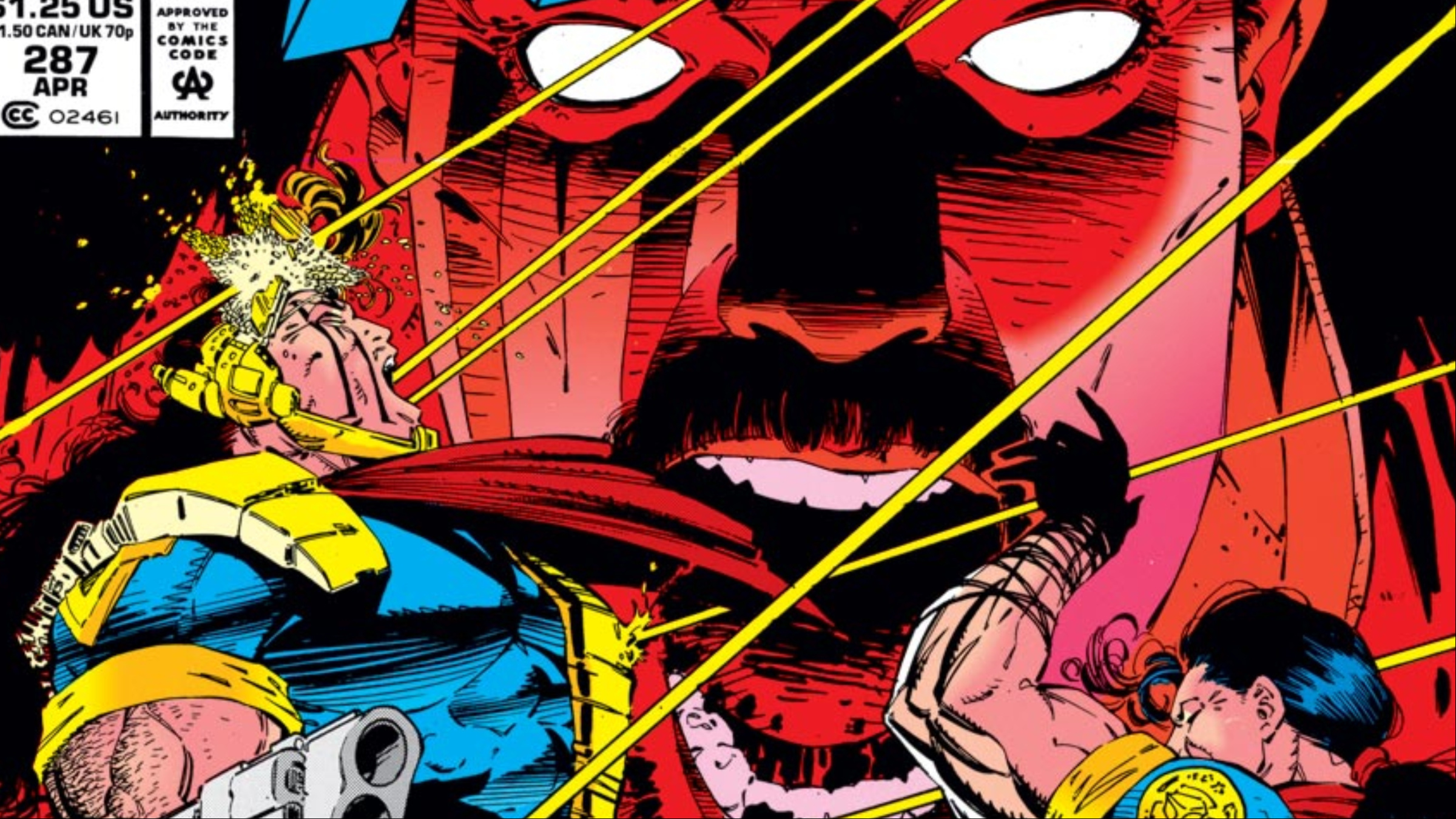
In the 1980s, the X-Men surpassed even Marvel’s most popular teams, like the Avengers and the Fantastic Four, thanks to writer Chris Claremont. The X-Men became the best-selling comic book not just at Marvel, but across the entire industry. Claremont transformed the team with complex, ongoing storylines that kept fans engaged. When he left in 1991, writers Jim Lee, Whilce Portacio, John Byrne, and Scott Lobdell continued this approach, launching the explosive ‘X-traitor’ saga, a long-term plot that captivated readers.
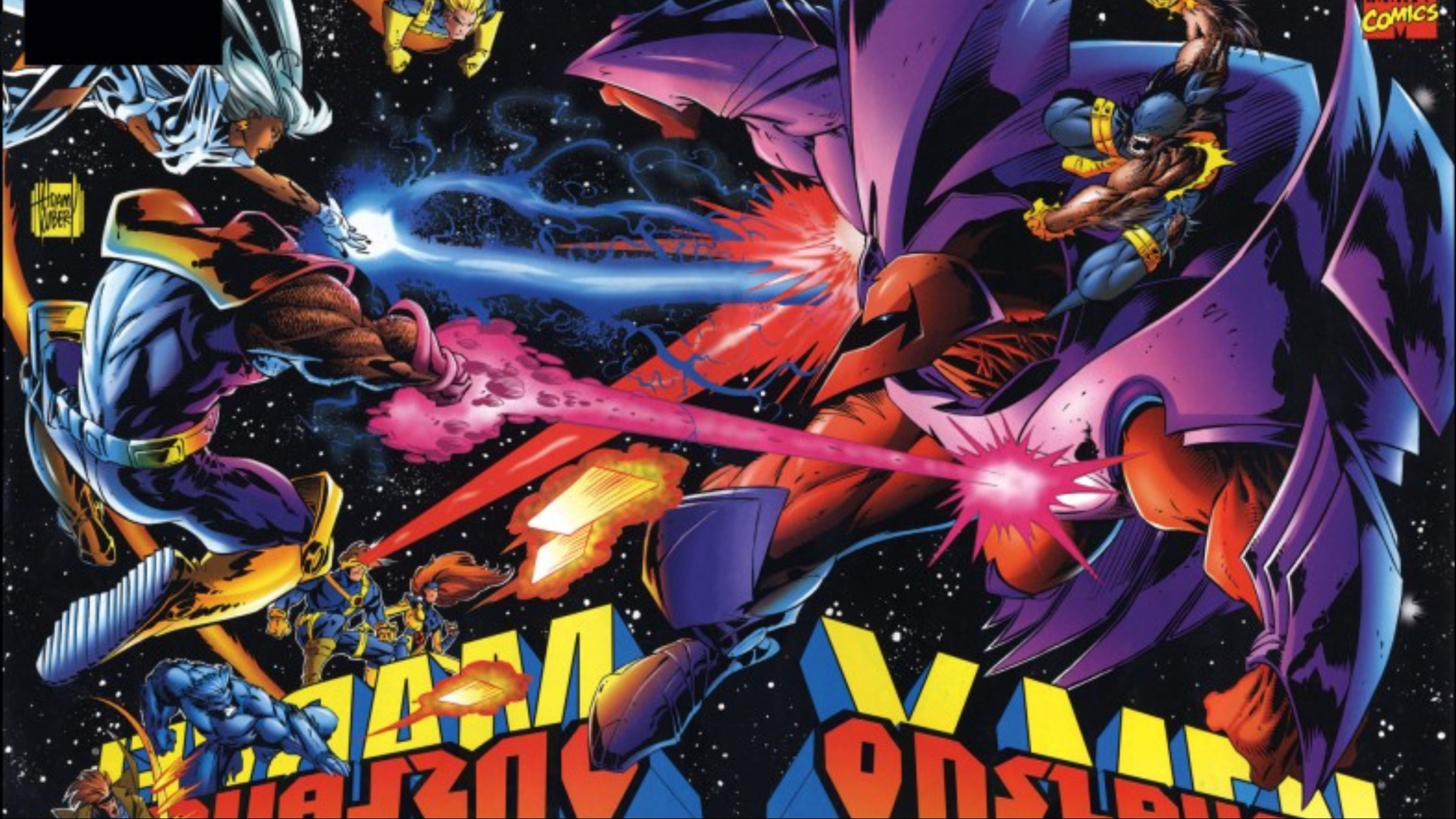
The story really kicked off with the introduction of the character Bishop in Uncanny X-Men #282 (which I recently acquired – it’s much more affordable now than when I was younger!). Bishop came from a bleak future created by someone who betrayed the X-Men, a reveal that happened in Uncanny X-Men #287 and caused a sensation in the comic book world. The X-Men dominated the 1990s, with most fans reading either Uncanny X-Men or X-Men (Vol. 2), and often both. While incredibly popular, the storyline eventually lost momentum and concluded in the massive X-Men event of the decade, “Onslaught.”
The X-Traitor Storyline Showed the Power of the X-Men Comics in 1992
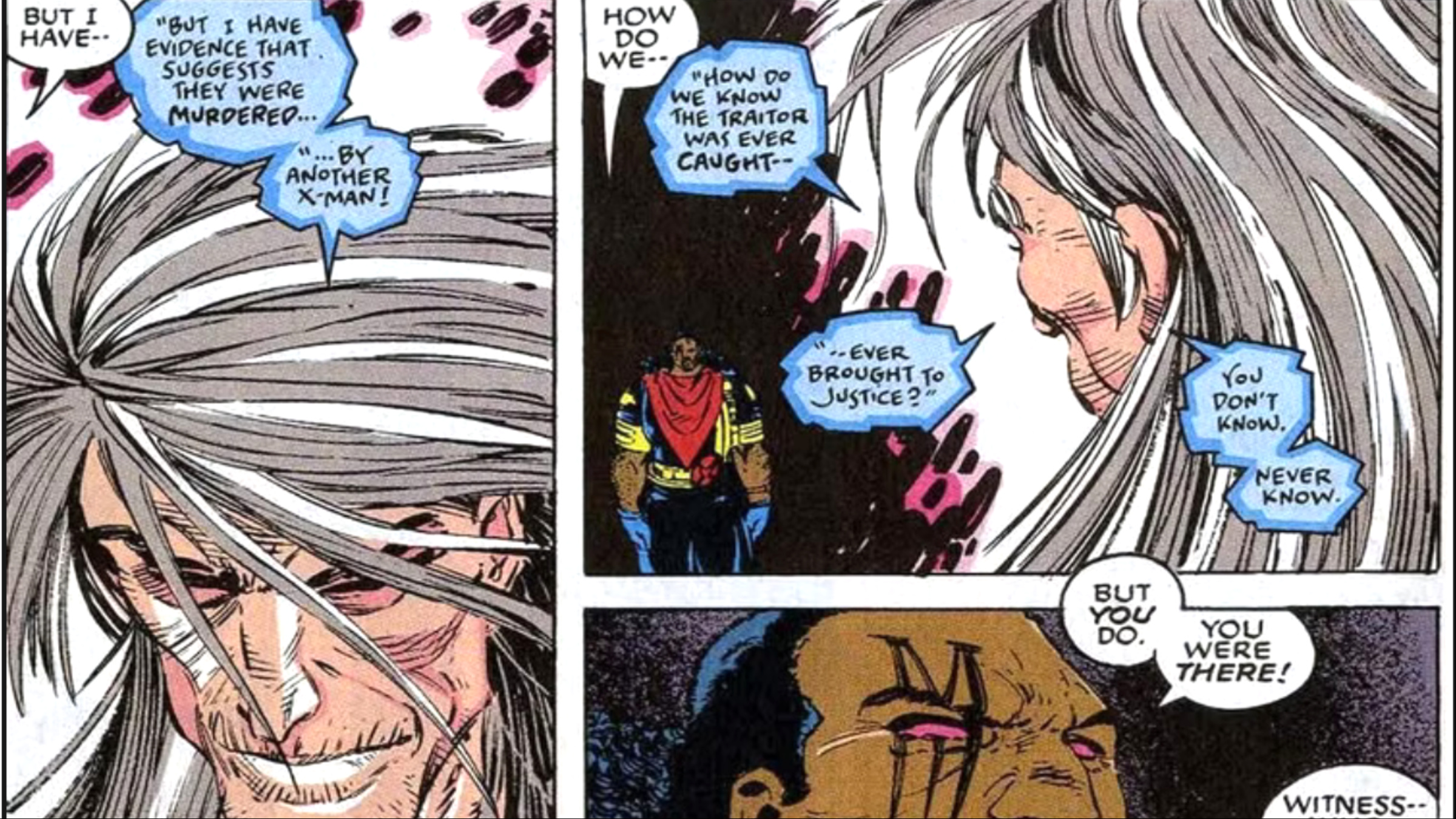
In 1991 and 1992, the X-Men were everywhere, even if you weren’t a fan of superheroes. Comic books were much more popular then, and the huge success of X-Men (Vol. 2) #1 and Uncanny X-Men #281 meant you saw them in all sorts of places. You could find every version of the cover for X-Men (Vol. 2) #1 at stores like Wal-Mart, neatly packaged to keep them in perfect condition – something you rarely saw outside of comic book shops. Comic book displays were in every store your parents took you to, and they were usually willing to buy you a comic (they only cost $1.50 back then – we didn’t realize how affordable that was!).
When Uncanny X-Men #287 revealed details about Bishop’s past, it was a major event for longtime fans. The revelation sparked intense debate among readers, who discussed it in the letters sections of Uncanny and X-Men comics, as well as in magazines like Wizard and Comic Buyers Guide. Many suspected Gambit was the mysterious figure in Bishop’s memories, as he was the only known survivor and the energy signature matched the one that killed Jean Grey. Some even thought Bishop himself could be the person. Everyone was eager to find out what would happen next and fans were incredibly excited for more information.
After the original creators left, the mystery of who was behind the story in Uncanny #287 was largely forgotten. Jim Lee and Scott Lobdell, who wrote that issue, may not have even known the answer. With Lee’s departure, the idea was put aside as other major storylines took precedence. In 1992 and 1993, “X-Cutioner’s Song” and “Fatal Attractions” dominated the narrative, followed by “The Phalanx Covenant” in 1994. Then, in 1995, “Age of Apocalypse” and its consequences took center stage, setting the stage for the “Onslaught” event.
The first issue of X-Men: Onslaught brought the storyline to an end, revealing a surprising twist: Professor X was the traitor, not Gambit or Bishop. It turned out that Xavier had previously erased Magneto’s memories, and this act corrupted him, leading to the creation of Onslaught. Onslaught then demanded the X-Men join him or face destruction. They chose to fight, but were quickly defeated. Jean Grey managed to escape to the mansion and attempted to send a distress signal using Xavier’s telepathy-proof chamber – the same recording Bishop and readers saw in 1992. Ultimately, the conclusion felt disappointing and highlighted issues with the X-Men comics of the 90s, which relied too heavily on nostalgia for the 80s without delivering the same quality of storytelling and editing.
The X-Traitor Story Line Remains One of Marvel’s Biggest Missed Opportunities
I started reading X-Men comics when I was eleven, so I was really excited when “Onslaught” was announced. The build-up, known as the X-Traitor storyline, initially created a lot of buzz among fans. However, it was unexpectedly abandoned in favor of “X-Cutioner’s Song,” which felt like a temporary fix after several key creators – Lee, Potracio, Silvestri, and Liefeld – left the series. It took years for the X-Traitor plot to be awkwardly incorporated into the “Onslaught” event and loosely tied to the “Fatal Attraction” storyline.
I adore the X-Men comics from the ’90s – I’m actually rebuying my old collection after a long time! But looking back, they definitely had flaws. What I always appreciated about Chris Claremont’s writing was how he’d plant seeds – little hints and long-term ideas – and then brilliantly pay them off later. The ’90s X-office was always focused on the next big shock, so cool storylines would often just appear and then vanish without resolution. I think they mistakenly thought that was the key to Claremont’s success, instead of realizing it was his ability to weave everything together.
Read More
- Mark Zuckerberg & Wife Priscilla Chan Make Surprise Debut at Met Gala
- Elon Musk’s Mom Maye Musk Shares Her Parenting Philosophy
- 10 Greatest Manga Endings of All Time
- GBP CNY PREDICTION
- Forza Horizon 6 Car List So Far: Confirmed Highlights, Cover Cars, DLC, and Rewards
- Ranking the 5 Best Spring 2026 Anime So Far (Mid-Season Update)
- Review: Final Fantasy Tactics: The Ivalice Chronicles (PS5) – Still the Benchmark for Turn-Based Tactics
- 10 Best Free Games on Steam in 2026, Ranked
- Miranda Kerr Shares “Quick” Procedure She Got Before Met Gala 2026
- Elon Musk’s Ex Ashley St. Clair Reveals When Romance Became “Weird”
2026-05-23 21:14