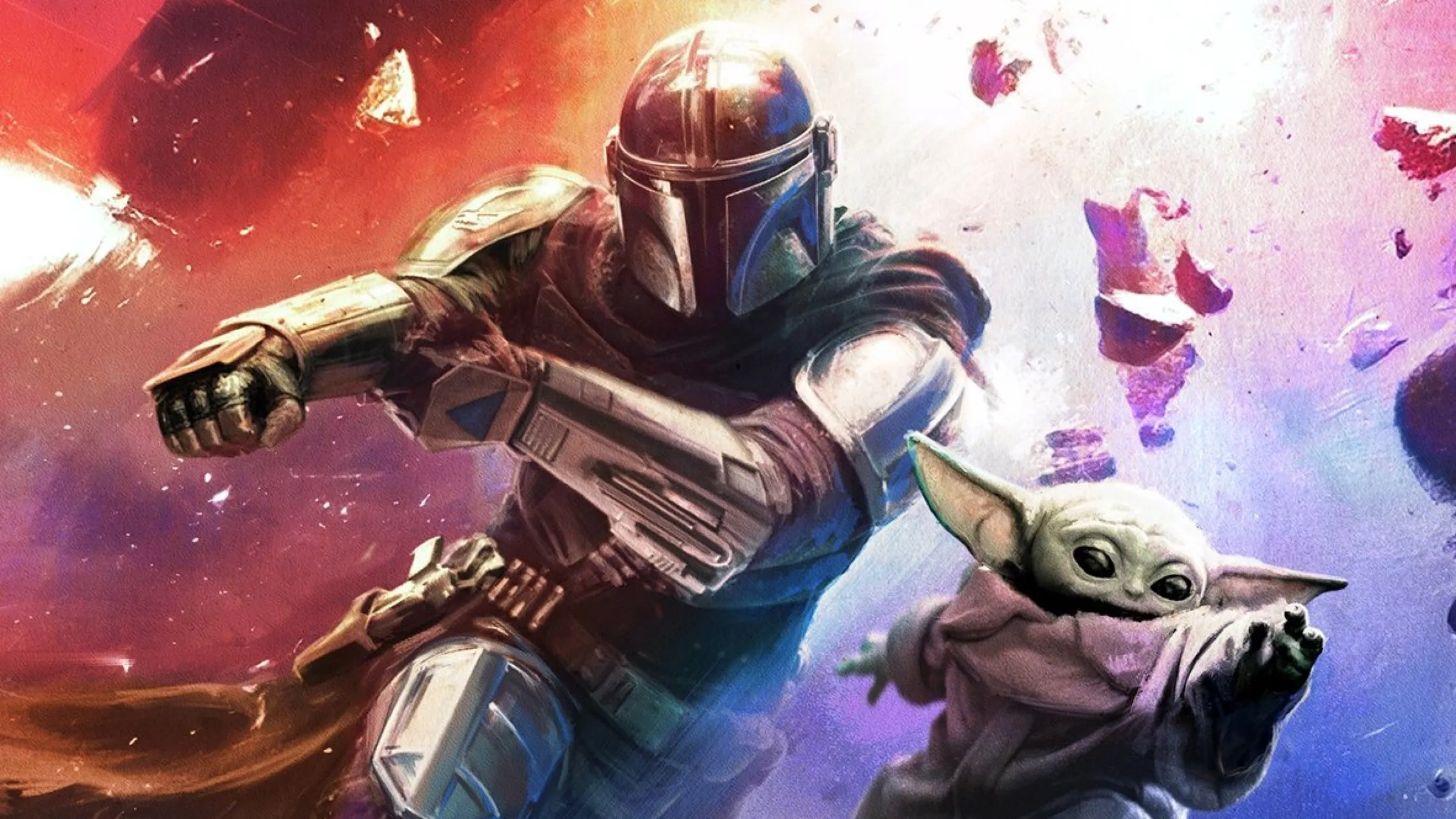
After a nearly seven-year break following The Rise of Skywalker, the latest Star Wars film, The Mandalorian and Grogu, arrived in theaters this summer. Many expected it to be a major blockbuster, but it didn’t quite live up to those expectations. The film earned $98 million domestically over the Memorial Day weekend, which was the lowest opening weekend for a Star Wars movie released since Disney acquired the franchise. Performance declined sharply in its second weekend, with a 70% drop in ticket sales, and it fell to third place behind two independent horror films. So far, the movie has earned a total of $248.2 million worldwide.
Though it cost $165 million to produce (excluding marketing and distribution), The Mandalorian and Grogu is unlikely to be a financial failure for Disney and Lucasfilm, considering the extra income from merchandise, theme park attractions, and on-demand rentals. However, it definitely didn’t perform as well as the studios likely expected for a new Star Wars film released during a holiday weekend. What caused this disappointing box office performance? Several factors contributed to The Mandalorian and Grogu having the lowest box office numbers of any Star Wars movie to date.
1) The Mandalorian Is a Streaming Franchise (and Star Wars Has Become One Too)
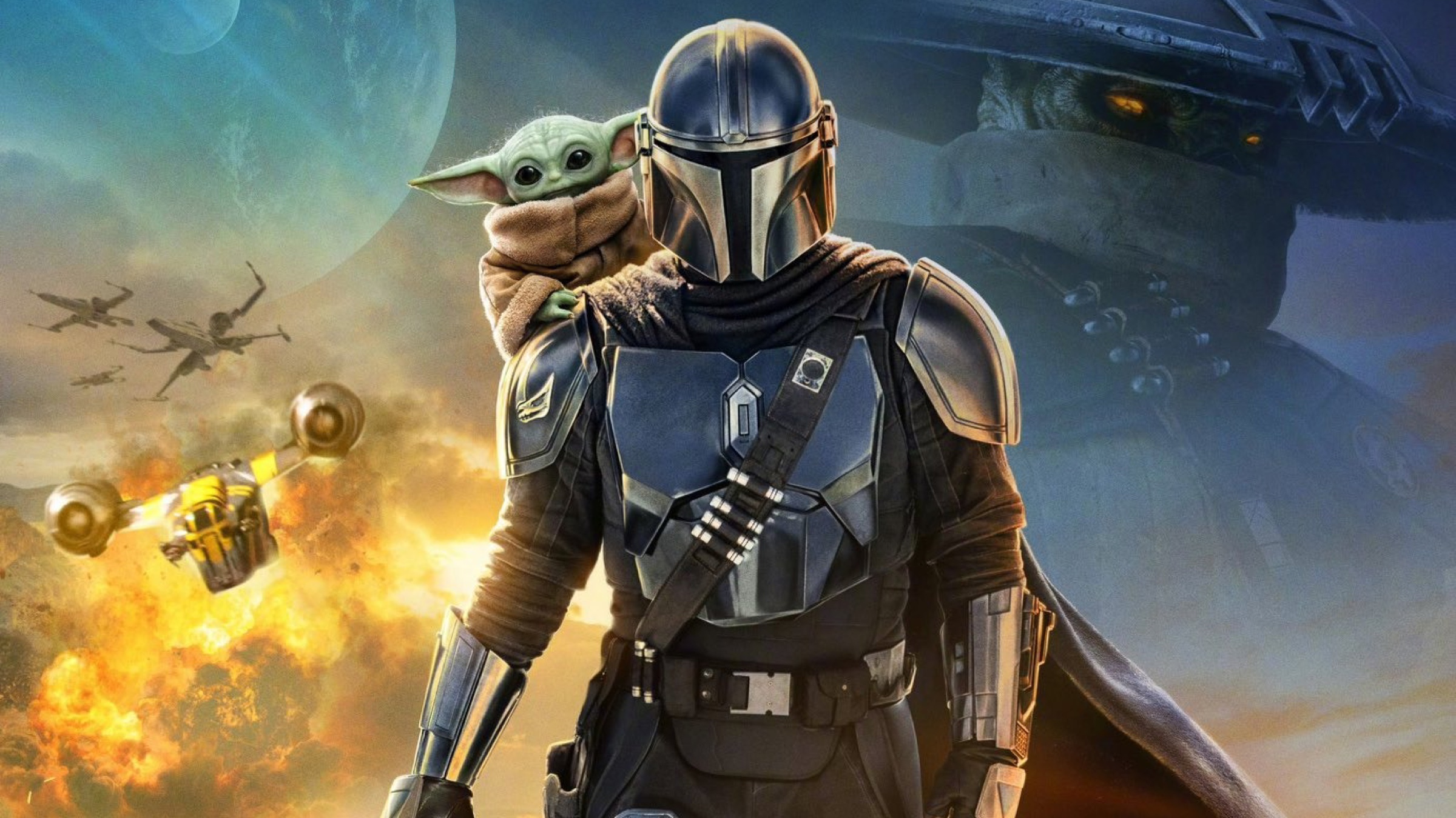
Look, after The Marvels and the recent Captain America film didn’t quite land, The Mandalorian & Grogu continues a worrying trend with Disney’s strategy of turning streaming shows into theatrical releases. It’s a tough sell, honestly. Jon Favreau clearly tried to make this movie accessible to anyone, even if you hadn’t followed the show, but it really felt like a continuation of three seasons of TV. I think that might have turned off a lot of potential viewers – not everyone keeps up with the Disney+ shows! And let’s be real, The Mandalorian basically was Disney+ for a long time, so a lot of people probably just figured they’d wait to watch it when it eventually hit the streamer again.
This highlights a bigger shift happening with Star Wars. While new movies were put on hold after The Rise of Skywalker, a lot of new content still came out – mostly through TV shows, both animated and live-action, on streaming services. This effectively turned Star Wars into a franchise primarily experienced at home. It’s a similar situation to what Disney has been facing with Pixar since the pandemic began. Once audiences get used to new releases coming directly to their homes, it’s difficult to get them back to theaters.
2) Star Wars Franchise Fatigue
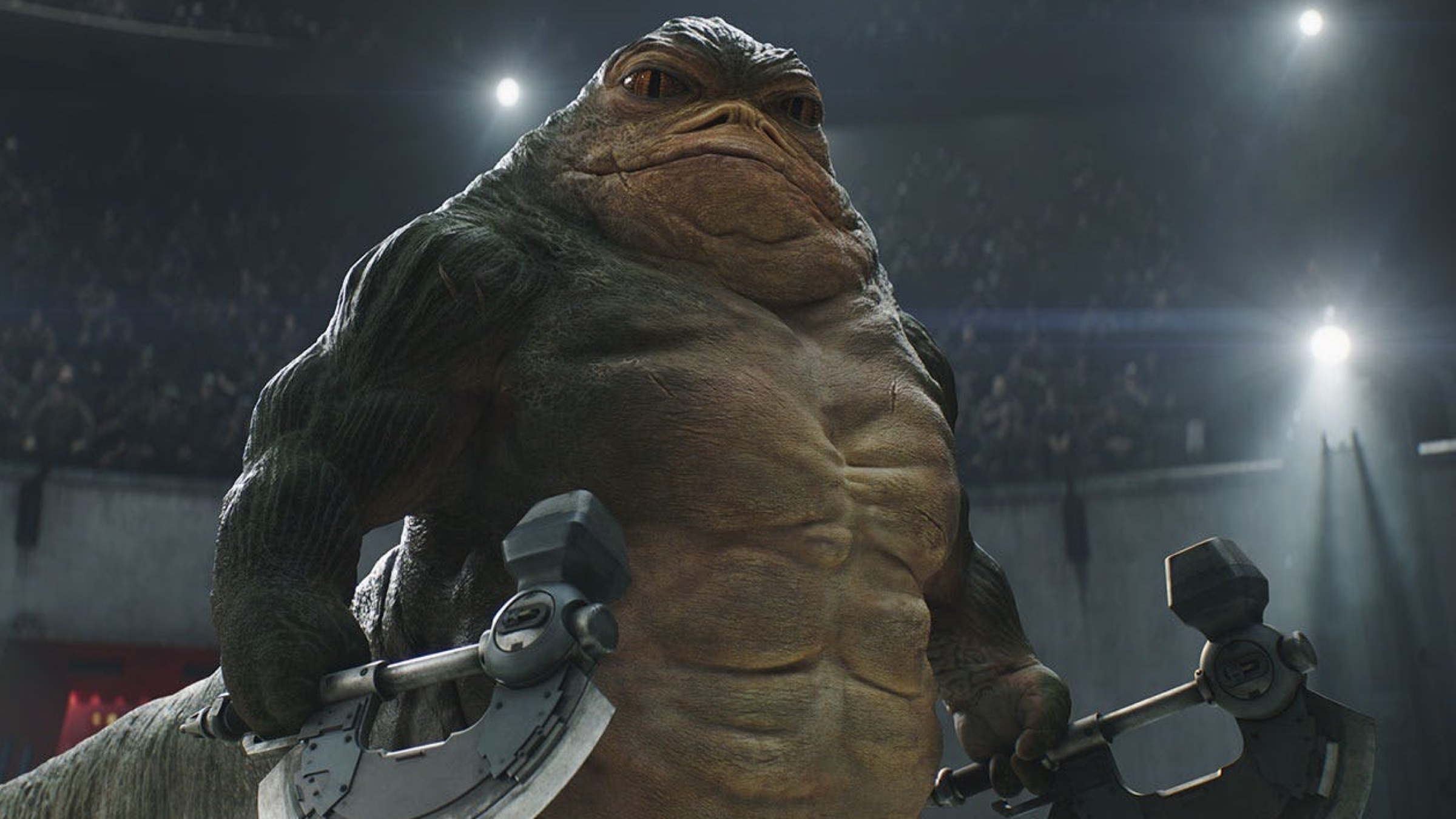
The Star Wars franchise is in a unique position as it emerges from another period of limited movie releases. When The Force Awakens was about to premiere in December 2015, excitement was incredibly high. The release of the memorable “Chewie, we’re home” trailer brought fans together in a way that hasn’t happened since. Over the decade since then, however, opinions about Star Wars have shifted.
Let’s be honest, when you’re dealing with a franchise as massive as Star Wars, pleasing everyone is a tall order. But lately, it feels like every new release sparks a huge debate. The Last Jedi was incredibly divisive, Solo just didn’t connect with audiences, and The Rise of Skywalker left a lot of fans disappointed. That trend has continued on TV too – The Book of Boba Fett, Obi-Wan Kenobi, Ahsoka, and The Acolyte all received pretty mixed reactions. Even The Mandalorian stumbled a bit with its third season, which I think definitely hurt the performance of the movie it led into. If I’m being real, the only Star Wars thing everyone seemed to genuinely love since 2020 was Andor. It feels like the franchise hasn’t really hit its stride since that amazing hallway scene in Rogue One.
3) Lack of Buzz and Word of Mouth

While the Star Wars franchise has had its ups and downs recently, The Mandalorian and Grogu had the potential to reignite fan enthusiasm and bring audiences back to theaters. Unfortunately, Lucasfilm’s initial marketing didn’t deliver. The first trailer was underwhelming, and the Super Bowl ad—a strange parody of Budweiser commercials—didn’t effectively promote the movie. Later ads focused on the story and characters, but the damage was already done. Because of the inconsistent promotion, The Mandalorian and Grogu never gained the necessary momentum before its theatrical release.
Despite hoping positive reviews would help, The Mandalorian and Grogu received only mixed reactions. Its 62% score on Rotten Tomatoes is among the lowest for any Star Wars project, with most critics finding it a fun but narratively weak space adventure. This reinforced the feeling that it was essentially a very long episode of the Mandalorian TV series – even though the show aimed for a cinematic look. As a result, it never generated the excitement needed to become a major event. This is in stark contrast to Project Hail Mary, which was hailed as a “masterpiece” long before its release and received glowing reviews praising its emotional impact and the need to experience it on a large IMAX screen.
4) Competition From Horror Movies

While The Mandalorian and Grogu initially benefited from a lack of major competition, it surprisingly fell behind two smaller, independent horror films – Backrooms and Obsession (the latter being in its third week of release) – leading to a significant 70% drop in viewership. It’s no surprise that a Star Wars show aimed at families and R-rated horror movies attract very different audiences. However, Obsession and Backrooms received better reviews, making them more attractive options for moviegoers simply looking for something new and worthwhile. Today, people want to feel like a trip to the cinema is a good value, and a highly-discussed horror film naturally stands out.
After recent movies like Obsession and Backrooms outperformed The Mandalorian in theaters, some people are wondering if big franchises are losing their appeal. It’s probably too early to say for sure, with new installments of Toy Story, Minions, and Spider-Man coming out this summer. However, it’s another indication that moviegoing habits might be shifting. Last year, we noted that superhero movies weren’t performing as well, while anime, video game adaptations, and horror films were more successful. While big-budget blockbusters will always have a place, audiences may no longer automatically go see a movie just because it’s part of a well-known franchise. They’re looking for more compelling reasons to buy a ticket.
Read More
- GBP CNY PREDICTION
- 10 Most Powerful Versions of Superman, Ranked
- Gold Rate Forecast
- 10 Greatest Wii U Games of All Time, Ranked
- DOGE PREDICTION. DOGE cryptocurrency
- EUR CNY PREDICTION
- 007 First Light: Release Date, Story, Gameplay, Cast, Editions, and Platforms
- Forza Horizon 6 PC Issues: Fix Crashes, Stuttering, Steam Errors, and Game Pass Problems
- Forza Horizon 6 Car List So Far: Confirmed Highlights, Cover Cars, DLC, and Rewards
- Superman’s 7 Best Power-Ups, Ranked
2026-06-03 23:43