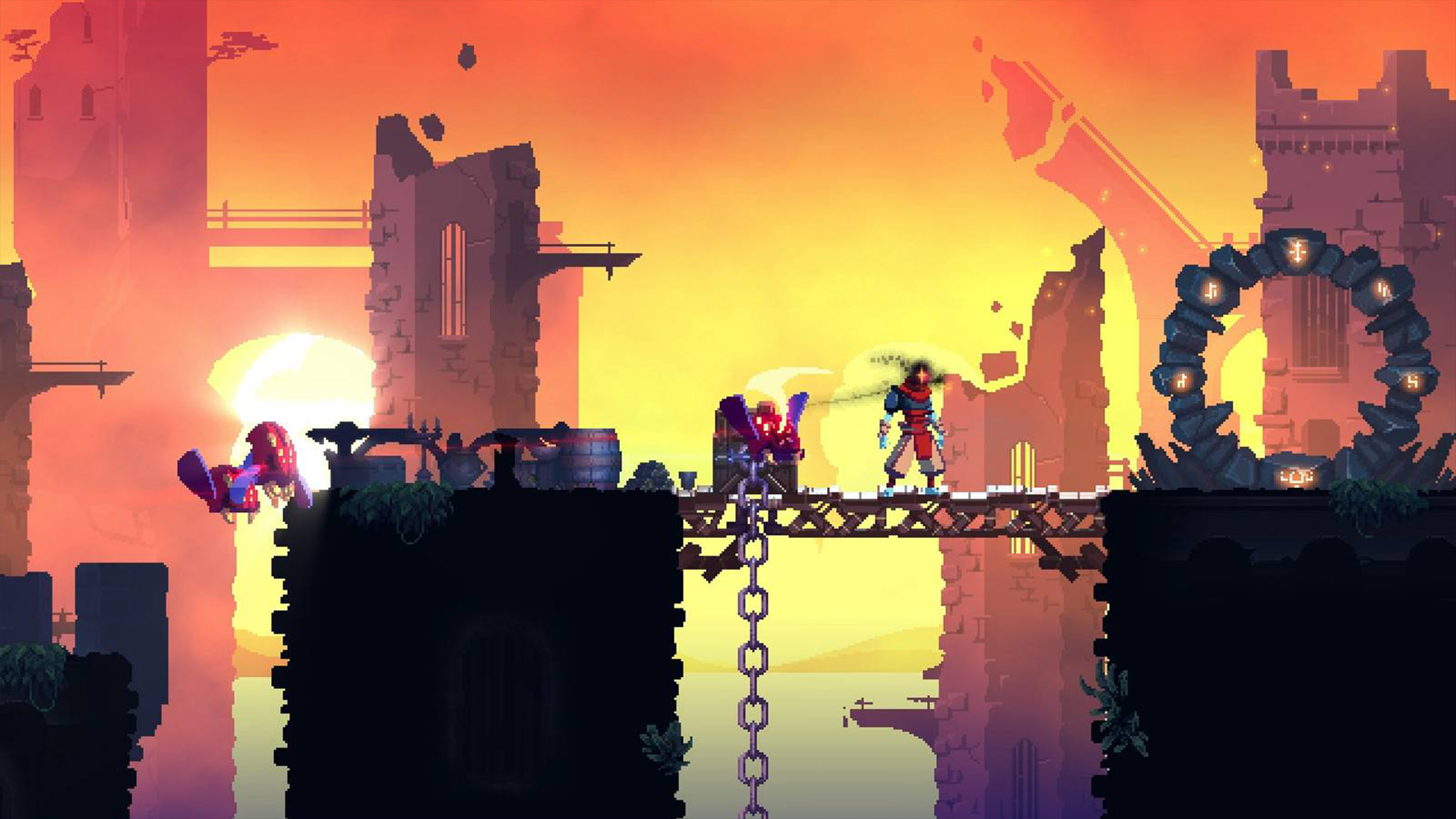
Metroidvanias are incredibly popular games now, but it took time to build that success. The genre has always focused on exploring large worlds, fighting enemies, and solving puzzles, but for a long time, it appealed to a smaller, dedicated fanbase. Even before the term ‘Metroidvania’ existed, players loved games where gaining new skills unlocked previously inaccessible areas and revealed secrets within a vast, connected world. That feeling of discovery is what initially drew me to the games that started it all: Metroid and Castlevania.
The Metroidvania genre has become incredibly popular recently, fueled by a surge of new games. However, this popularity rests on a long history of creative development, with many current series building on ideas from decades ago. Some games stay true to the genre’s roots, while others are pushing boundaries with fresh gameplay, visuals, and design choices, attracting new players. A few even blend Metroidvania elements with other genres, showcasing its adaptability. Here are five series and games that have been most important in shaping what we know as Metroidvania.
5) Dead Cells
As a huge fan, I think Dead Cells really nailed something special when it came out in 2018. It took the exploration and feeling of games like Metroid and Castlevania – you know, unlocking new areas and getting better abilities – and mixed it with the replayability of roguelikes. Every time you play, the levels change, the weapons are different, and you’re encouraged to try out new builds. But it wasn’t just random; that classic Metroidvania feel of discovering secrets and getting stronger was still totally there. It felt like a perfect blend of old and new, and honestly, nothing else quite felt like it at the time.
A big part of what makes Dead Cells so enjoyable is its fast-paced, precise combat – a hallmark of great Metroidvania games. The quick movement, dodging, and wide range of weapons create a compelling cycle where both quick reactions and careful strategy are valuable. Even after playing for a long time, I kept wanting to play ‘just one more run’ to experiment with different gear combinations. Each attempt feels unique, but the game consistently feels like you’re making progress.
The game demonstrated that Metroidvanias could evolve and try new things while still feeling like themselves. Its popularity paved the way for games that blend different genres, moving beyond typical formulas. Dead Cells didn’t simply add to the Metroidvania genre—it redefined it, becoming a major influence on modern games in the style. Since then, other developers have followed its example, experimenting and proving just how varied Metroidvanias can be.
4) Ori & The Blind Forest

Few games are as beautiful and emotionally resonant as Ori and the Blind Forest. Its stunning, hand-painted art and captivating music create an incredible atmosphere and tell a powerful story. Many players, myself included, were impressed by how well the game’s heartfelt story combined with its incredibly precise and responsive platforming. It wasn’t just visually impressive; it was also a joy to play, demanding skill and timing – truly showcasing what makes the Metroidvania genre so great.
Ori’s world design masterfully combines a focused story with the freedom to explore. The game is easy to pick up but still offers a lot to discover. As you progress, you’ll unlock new movement skills that completely change how you get around, and the challenges always feel organic to the environment. Even revisiting older areas is rewarding because your new abilities let you experience them in fresh ways. This blend of skillful platforming and heartfelt story makes for a truly special experience.
What truly sets Ori apart as one of the greatest Metroidvania series is its influence on how these games are made today. It paved the way for a generation of Metroidvanias that are beautifully crafted, emotionally engaging, and visually stunning. Ori embodies the modern evolution of the genre, demonstrating that compelling stories, gorgeous art, and tight controls can all come together perfectly in a sprawling, side-scrolling adventure.
3) Hollow Knight

If anyone asks me about great modern Metroidvanias, I always bring up Hollow Knight. Seriously, the world they built, Hallownest, is just incredible – one of the most detailed and immersive places I’ve ever explored in a game. It’s got this really cool, sad vibe, and the story isn’t just told to you, it’s woven into the environment itself. Plus, the way you unlock new areas and abilities just feels so satisfying, which is exactly what a good Metroidvania should do. You can really see its influence on so many games coming out now. Just look at how much everyone is excited for Silksong – it proves how much of an impact Hollow Knight has had.
I was really surprised by how much I enjoyed the combat in this game! It seems straightforward at first, but there’s a ton of depth to it. Every little thing you unlock – upgrades, charms, even new movement options – genuinely changes how you approach each fight. The boss battles are perfectly tuned, too – challenging, but never unfair, so when you finally beat one, it feels amazing. And the world is so huge and packed with secrets! I’ve already lost count of how many hours I’ve spent exploring, finding hidden areas, and just soaking in the atmosphere of Hallownest. It’s a game you can really get lost in long after you’ve finished the main story.
Above all, Hollow Knight defines what Metroidvania games are today and where the genre is headed. It reignited player interest in these types of games when 2D titles were being eclipsed by large open-world games and games focused on ongoing services. The game’s popularity demonstrated that players still want well-designed adventures where you unlock new abilities. It’s difficult to picture the current popularity of the genre without Hollow Knight. It has firmly established itself as a landmark Metroidvania and one of the most important indie games ever made.
2) Castlevania
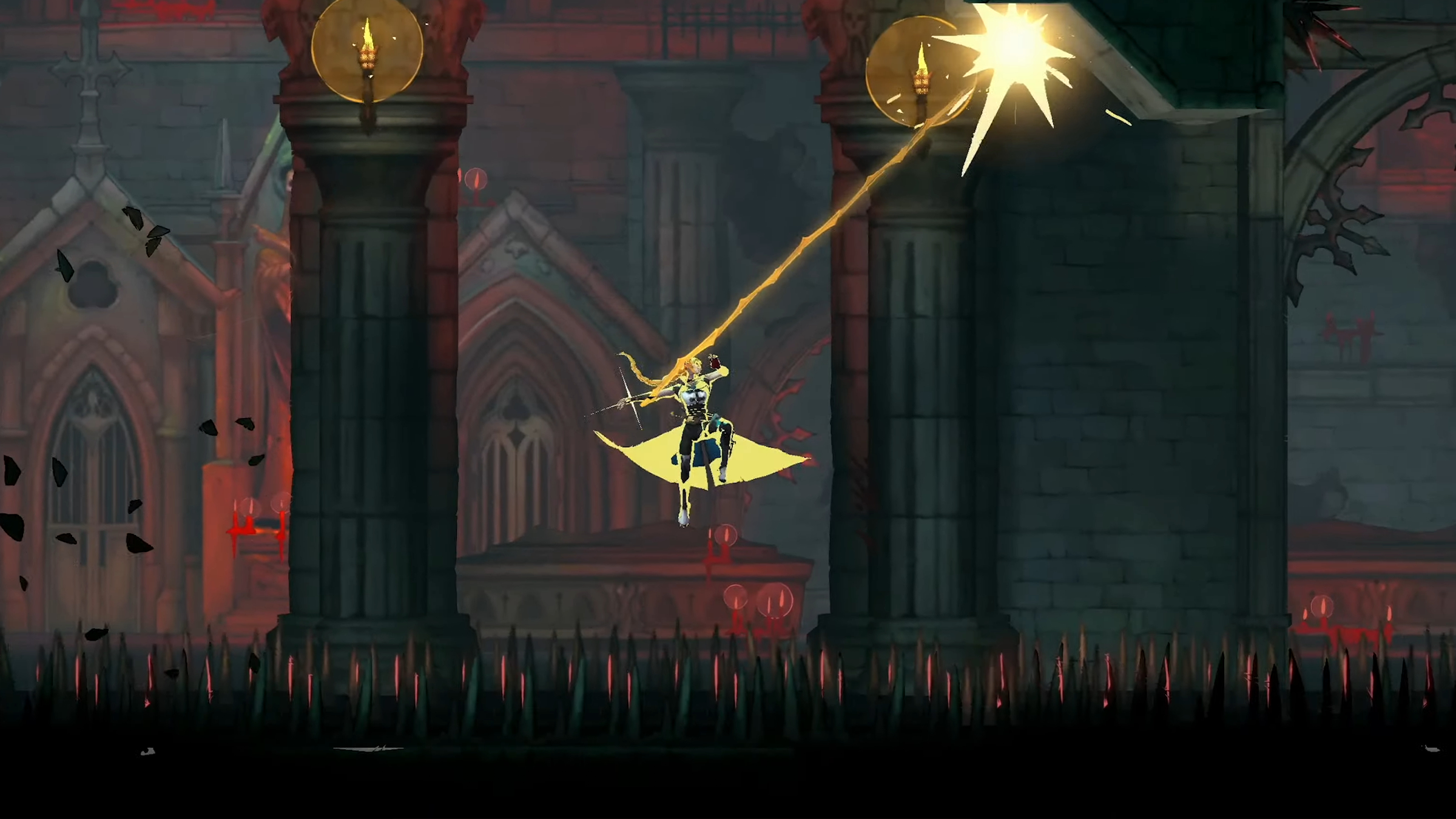
The Castlevania series, alongside Metroid, is foundational to the Metroidvania genre. While earlier Castlevania games were straightforward action titles, Castlevania: Symphony of the Night revolutionized the formula. Its sprawling, interconnected castle, RPG-style character development, and focus on discovery created a unique gameplay experience that has influenced numerous games since. Developers still look to Symphony of the Night for inspiration when designing their own game worlds today.
The series kept getting better on the Game Boy Advance and Nintendo DS, becoming known for some of the greatest Metroidvania games ever made. Titles like Aria of Sorrow, Dawn of Sorrow, and Order of Ecclesia perfectly balanced challenging combat, character progression, and world exploration, all while maintaining a great flow. These games really defined what the genre could achieve, and their levels, boss battles, and ways to upgrade your character are still considered some of the best in 2D action games.
The lasting appeal of Castlevania lies in how much it has shaped other games. Many modern “Metroidvania” games use the same basic design, rhythm, and feeling of intrigue that Castlevania pioneered. Its influence is still strongly felt today – in fact, the genre wouldn’t be what it is without it. Now, with the return of the series in Castlevania: Belmont’s Curse, it will be exciting to see how this legendary franchise fares in the current landscape of Metroidvanias.
1) Metroid
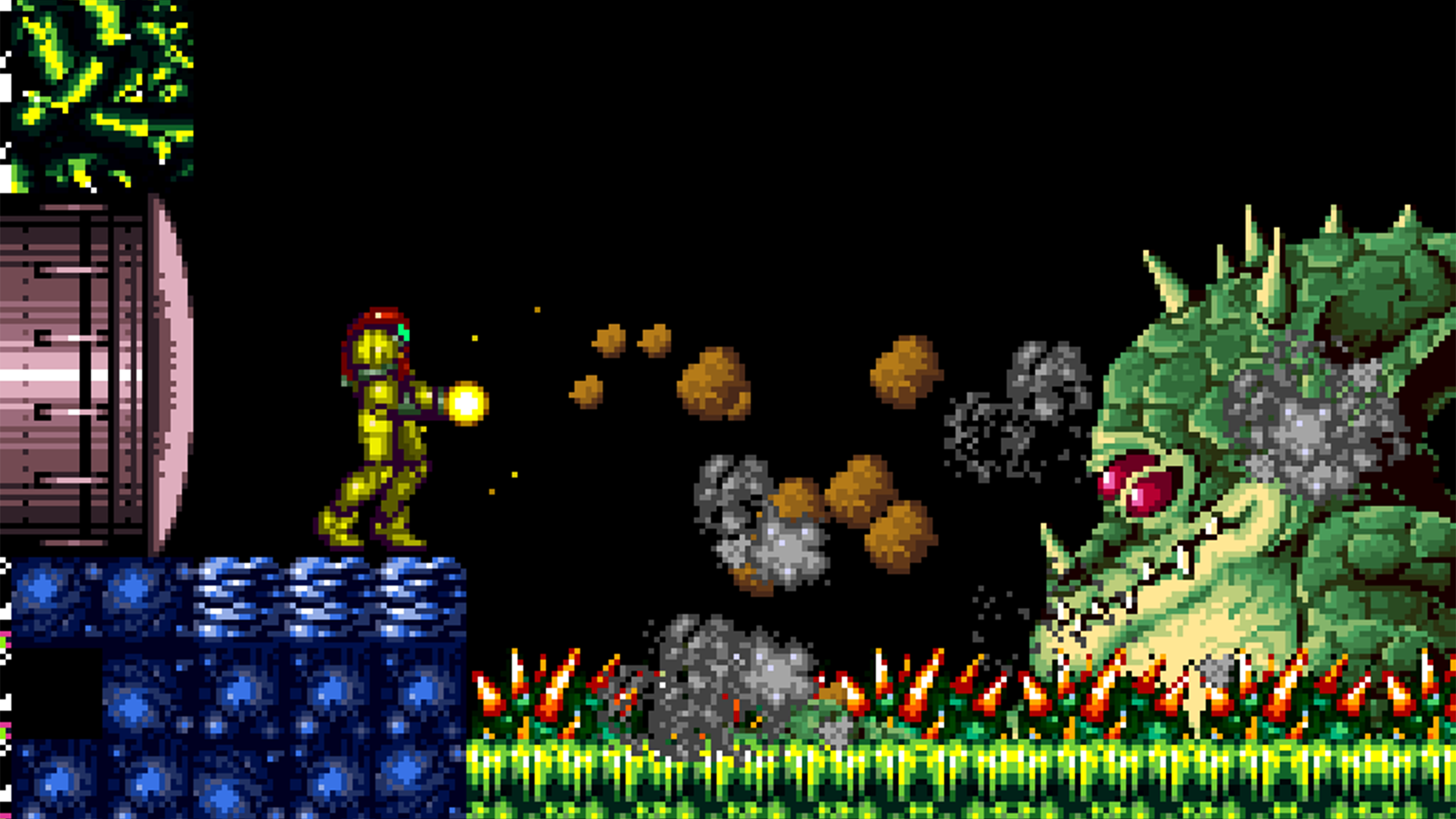
The original Metroid game essentially created the genre it’s now known for. It focused on exploring a moody, immersive world, telling a story through the environment, and gaining new abilities to access previously unreachable areas – all before the term ‘Metroidvania’ even existed. For many fans, the first time playing Super Metroid was a defining moment in gaming. The game’s world felt huge, truly dangerous, and incredibly alive, encouraging players to be patient and rewarding them for exploring – something few games managed then, and still don’t achieve today.
The Metroid series is known for constantly finding new and creative ways to play. Metroid Fusion experimented with how the story was told. Metroid Dread updated the controls and action, but still felt like a classic Metroid game. Metroid Prime proved that the Metroidvania style could work brilliantly in a 3D world. Each game is made with incredible attention to detail, and has influenced many other developers. It’s rare for a series to consistently deliver high quality for so many years.
The enduring success of Metroid isn’t just about its history; it remains a vital and influential series today. Recent games demonstrate that its core gameplay still resonates with players, and a constant stream of newcomers are discovering its brilliance through both classic re-releases and brand new adventures. It’s no surprise the genre is named after it – Metroid essentially laid the foundation for all Metroidvanias. Nintendo has consistently pushed the boundaries of gaming, and Metroid is a prime example of how they’ve shaped game design and even created entirely new genres.
What do you think? Leave a comment below and join the conversation now in the ComicBook Forum!
Read More
- The Super Mario Galaxy Movie: 50 Easter Eggs, References & Major Cameos Explained
- Surprise Isekai Anime Confirms Season 2 With New Crunchyroll Streaming Release
- ‘Project Hail Mary’: The Biggest Differences From the Book, Explained
- 10 Best Free Games on Steam in 2026, Ranked
- Silver Rate Forecast
- All 7 New Supes In The Boys Season 5 & Their Powers Explained
- Sydney Sweeney’s The Housemaid 2 Sets Streaming Release Date
- Skate 4 – Manny Go Round Goals Guide | All of the Above Sequence
- Frieren: Beyond Journey’s End Gets a New Release After Season 2 Finale
- Preview: Sword Art Online Returns to PS5 as a Darker Open World Action RPG This Summer
2026-03-03 00:12