As a huge fan, I’ve noticed Metroidvanias are everywhere right now! It feels like the genre has really blown up over the last ten years, especially with all the excitement for Hollow Knight: Silksong and so many indie developers taking inspiration from classics like Metroid and Castlevania. Seriously, every month brings a new, massive 2D action game with big maps, tough bosses, and that awesome feeling of unlocking new abilities to explore even more. But honestly, while I love it, it’s getting really crowded. It’s a shame because so many amazing games end up getting overlooked because of the bigger titles and well-known franchises.
It’s particularly annoying that so many innovative Metroidvania games don’t get much attention. A lot of recent titles clearly take inspiration from Hollow Knight, and can sometimes feel too similar. However, the genre offers much more variety – some games are trying out 3D environments, others are perfecting movement and time-based mechanics, and a few are even mixing in elements from other genres to create something truly new. These five Metroidvanias are fantastic, but they often fly under the radar.
5) Kotama and the Academy Citadel
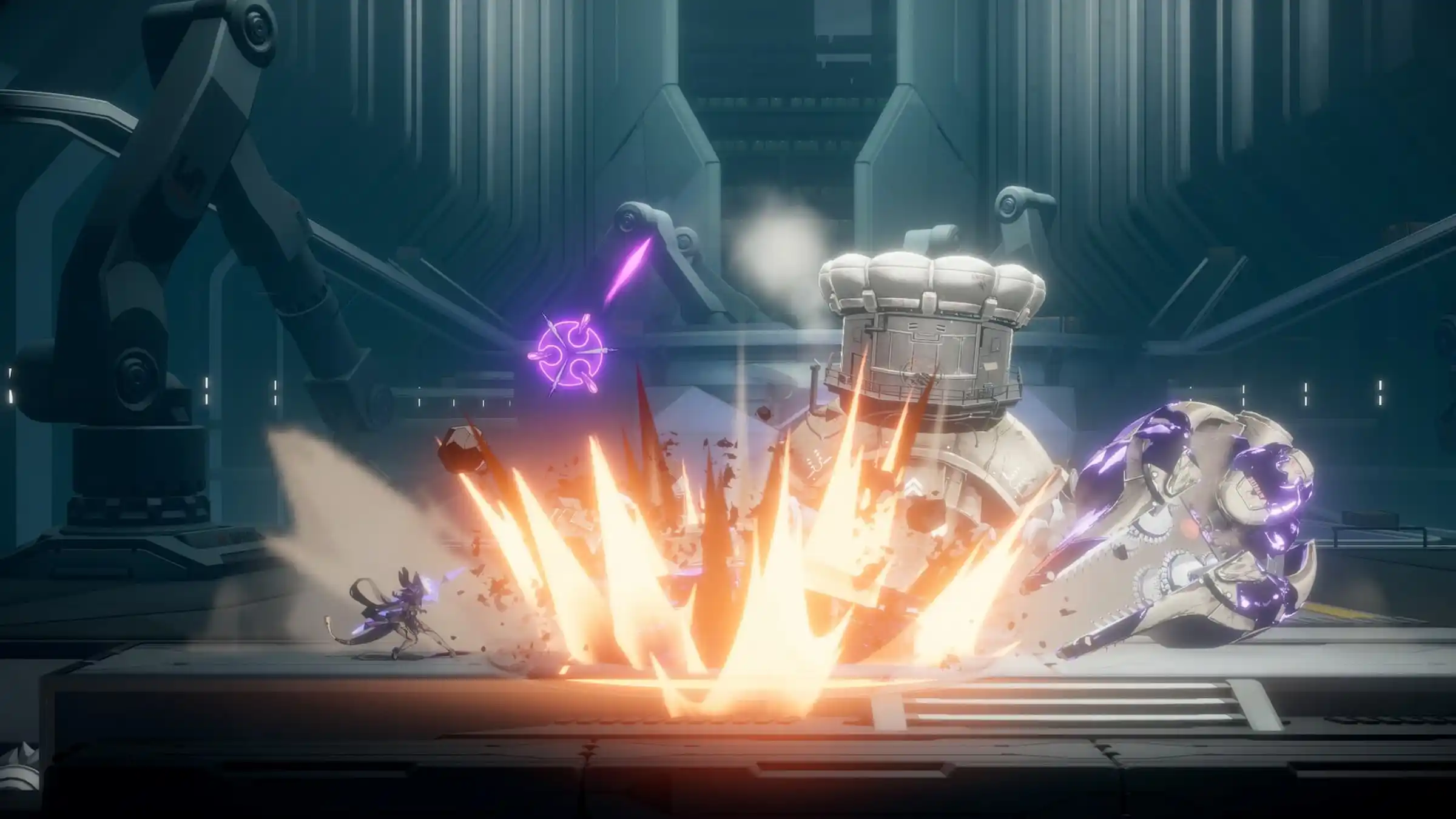
Kotama and the Academy Citadel is notable for its immersive atmosphere and appealing presentation. The game combines anime-style graphics with the exploration-driven gameplay of Metroidvania titles, resulting in a world that feels both mysterious and richly detailed. Players navigate a large academy, discovering hidden secrets as the environment changes around them.
What really makes this game special is its focus on telling a story through the world around you and how you move through it. The academy feels like a real, breathing place, with paths and secrets gradually appearing as you gain new skills. This feeling of finding things out is key to a good Metroidvania game, and Kotama nails it.
Battles are fast-paced and fluid, blending quick weapon strikes with magical powers, so players can change how they fight to suit each challenge. Moving around the world isn’t separate from combat – it’s woven into the fighting, making exploration more exciting. The game takes place in an academy, which allows for unique puzzles, hidden stories, and ways to improve your character, offering a fresh change from the typical dark fantasy settings found in many games.
4) Metro Gravity
Metro Gravity is a really engaging 3D Metroidvania – one of the best I’ve seen recently. It doesn’t just focus on fighting; the game is built around unique movement and how you control gravity. The futuristic setting and main character remind me of Bayonetta. Exploring the world is genuinely fun, and Metro Gravity seems entirely focused on making that the best part of the experience.
What really stands out in this game is its clever use of vertical space. While 2D Metroidvania games often have complex, layered maps, it’s hard to recreate that feeling in 3D – even the Metroid series sometimes struggles with this. Metro Gravity overcomes this challenge by making gravity itself a key part of how you move around. The controls are smooth and responsive, letting you slide on walls, flip gravity, and combine different moves seamlessly. This creates a fast-paced, rhythmic experience that feels more like a traditional platformer than a typical Metroidvania focused on combat.
Honestly, what really grabbed me about this game is how fresh it feels compared to a lot of other indie titles coming out right now. It seems like everyone is trying to make the next Hollow Knight with the same gloomy vibes and combat, but Metro Gravity does something totally different. They’ve really focused on letting you move in cool ways and crafting awesome environments, which makes it stand out and is super memorable. It’s not just another Metroidvania, and that’s a huge win for me.
3) Fallen Tear: The Ascension
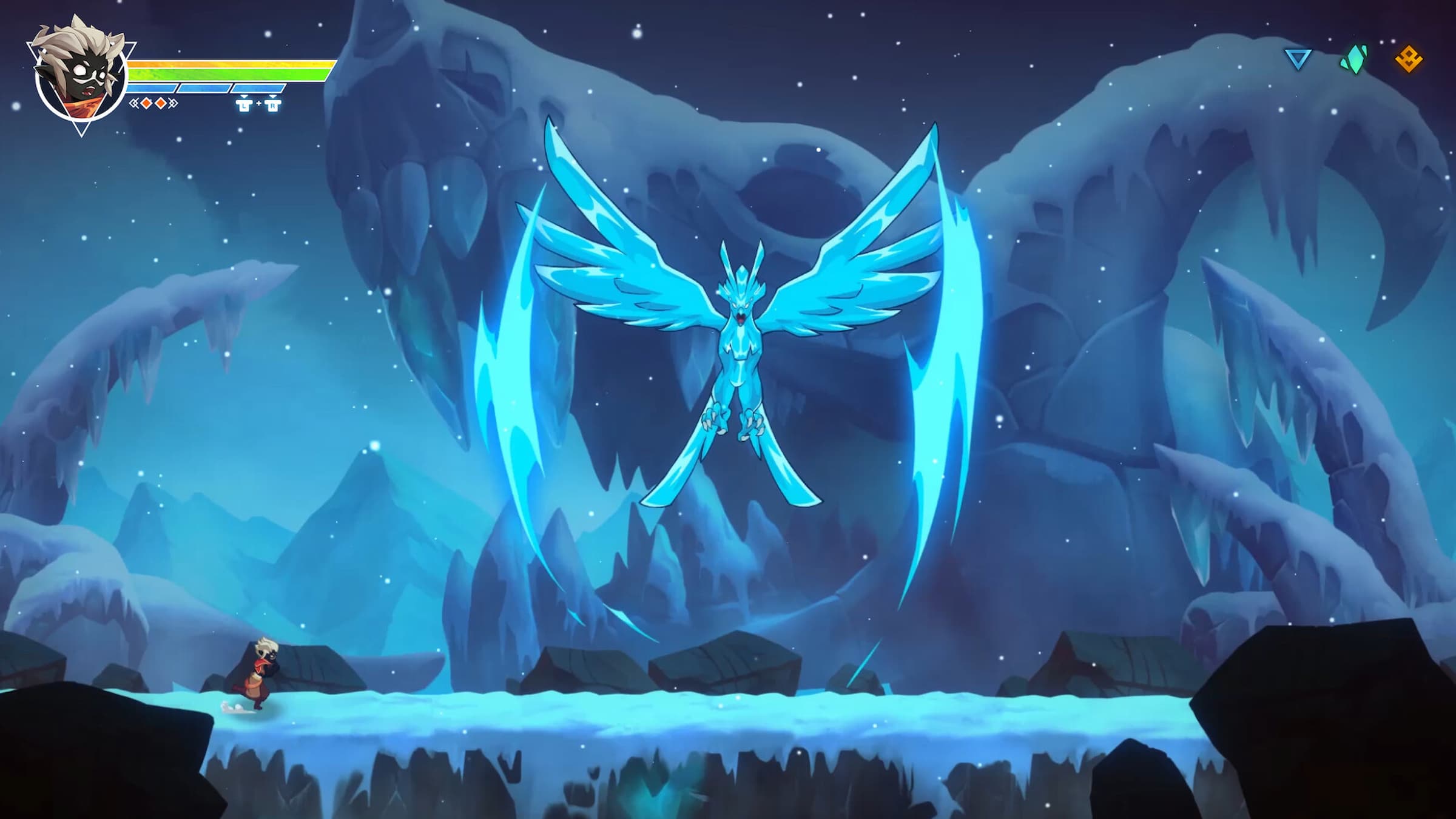
Fallen Tear: The Ascension blends the best of Metroidvania and JRPG genres with its rich story and engaging combat. Even in its early stages of development, the game feels impressively large in scope. Players will explore a vast, connected world drawing inspiration from Southeast Asian myths and cultures, offering a unique visual style that stands out from the typical dark aesthetic found in many modern Metroidvania games.
The game’s animation is particularly impressive, giving character movements and battles a fluid, polished feel. This is especially important in this type of game, where action is constant. The combat system also strikes a good balance between fast-paced action and letting players customize their strategies. With a variety of skills and companions, players are encouraged to try different approaches and find what works best for them.
The game world feels impressively large and diverse, with everything from lush forests to crumbling ruins and bustling towns. It creates a sense of scale that’s rare in many indie Metroidvania games, making it feel like a real, connected world instead of just a series of separate levels. What really stands out is that Fallen Tear has a unique personality – something the genre truly needs. It’s not just trying to copy Hollow Knight; it’s forging its own path and identity.
2) Pseudoregalia
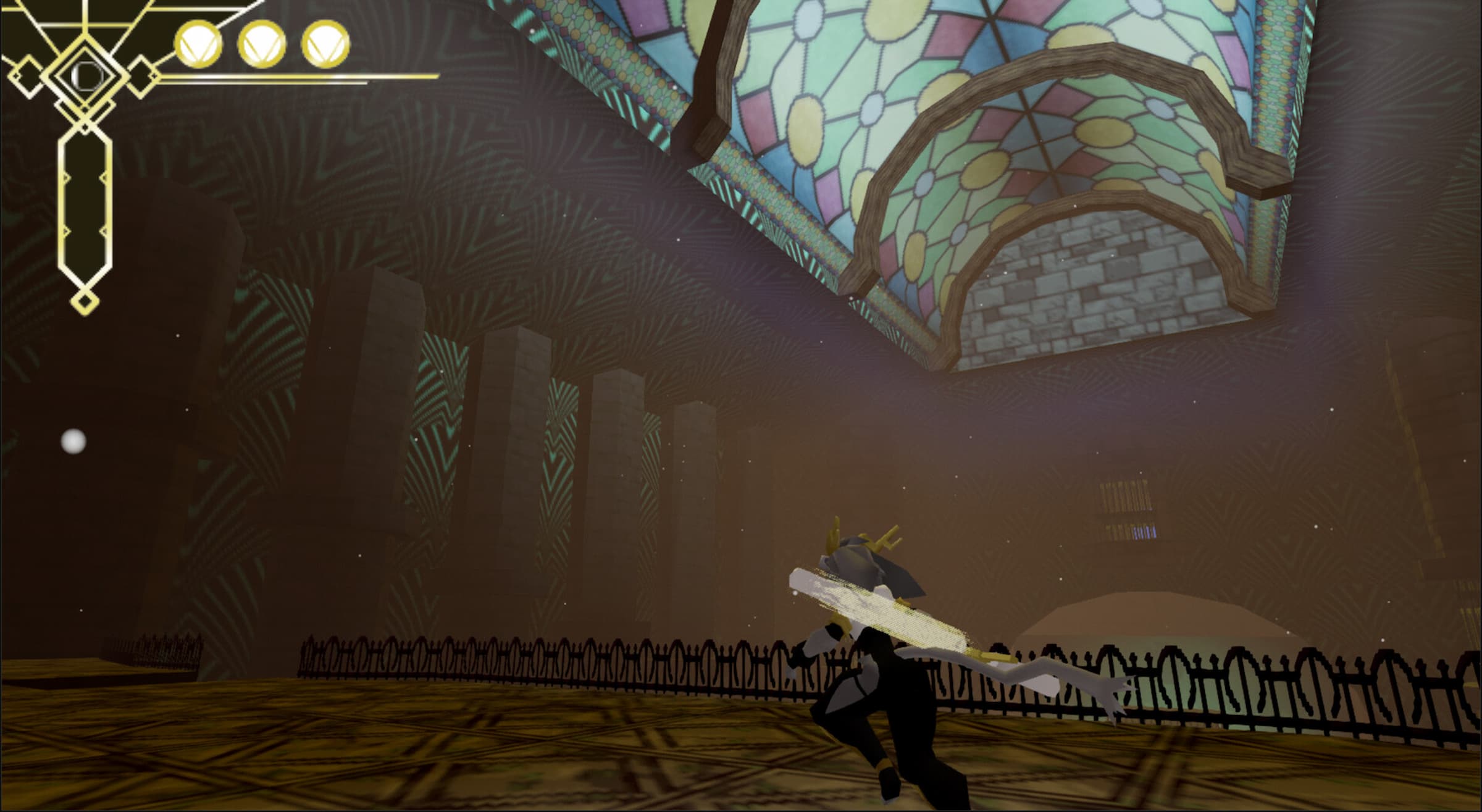
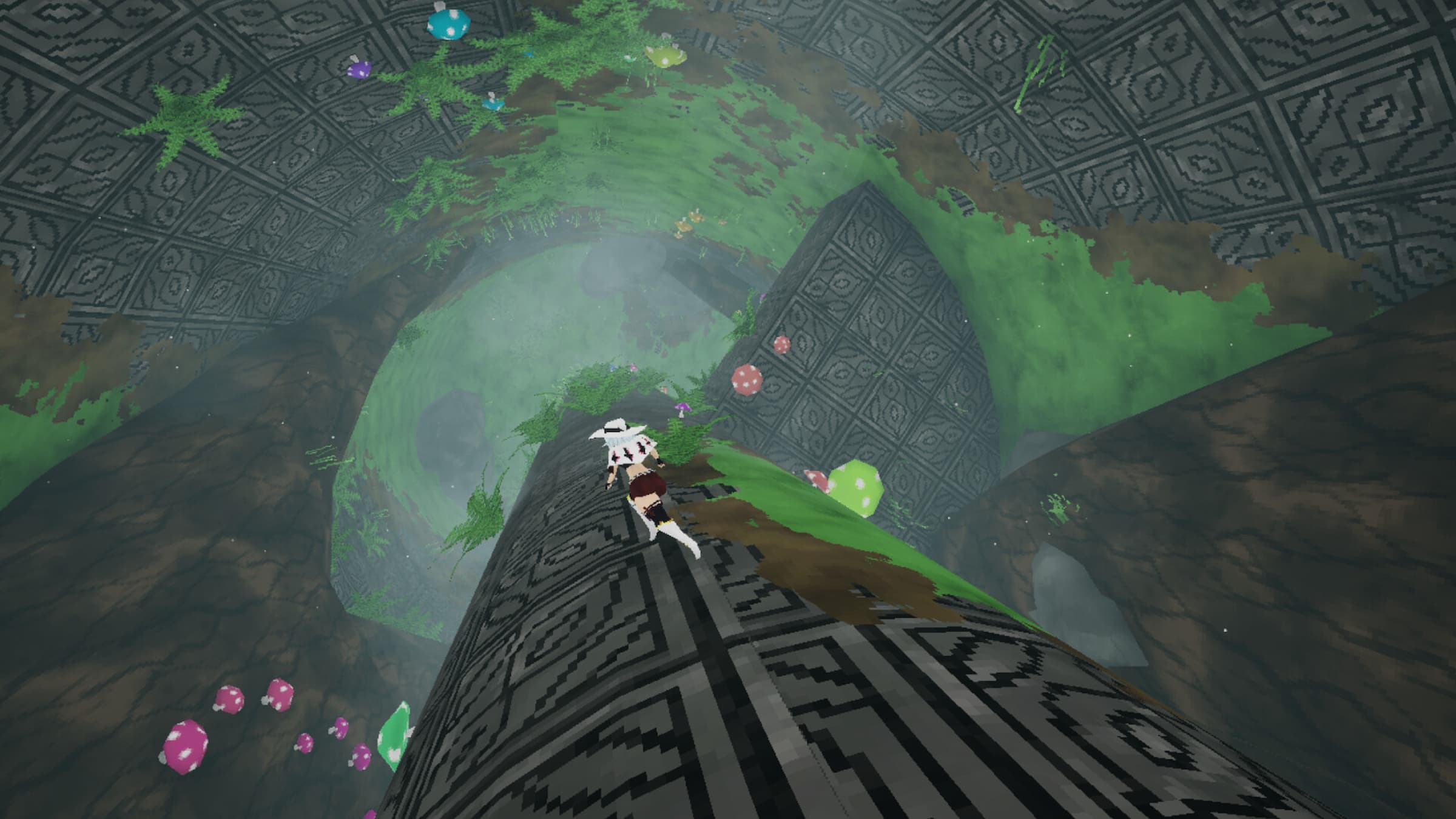
I was genuinely surprised by Pseudoregalia. It initially appears basic, reminiscent of an older Nintendo 64 title. However, once you start playing, it becomes clear that it features some of the most refined movement controls in the Metroidvania style. What sets it apart is that Pseudoregalia is entirely in 3D. The gameplay centers on learning and perfecting movement skills, using speed and momentum to overcome challenging levels. The overall experience feels like a blend of Super Mario 64‘s freedom with the progression of a Metroidvania.
What’s most enjoyable is how the character moves – every jump, slide, and wall kick feels powerful and encourages you to try new things. Getting around the world is a reward in itself, even more so than finding new weapons or abilities. This fits perfectly with the game’s open design, which smartly lets players explore and discover things on their own, without constant hand-holding.
The game’s art style is also a breath of fresh air. Its retro, low-polygon graphics create a dreamy, nostalgic feeling without feeling forced or overly reliant on that style. It evokes a time when games were more unusual and surprising. Ultimately, Pseudoregalia shows that Metroidvanias don’t have to stick to the same old formula, and that 3D can work beautifully for the genre if developers focus on fluid movement and encouraging exploration.
1) Touhou Luna Nights
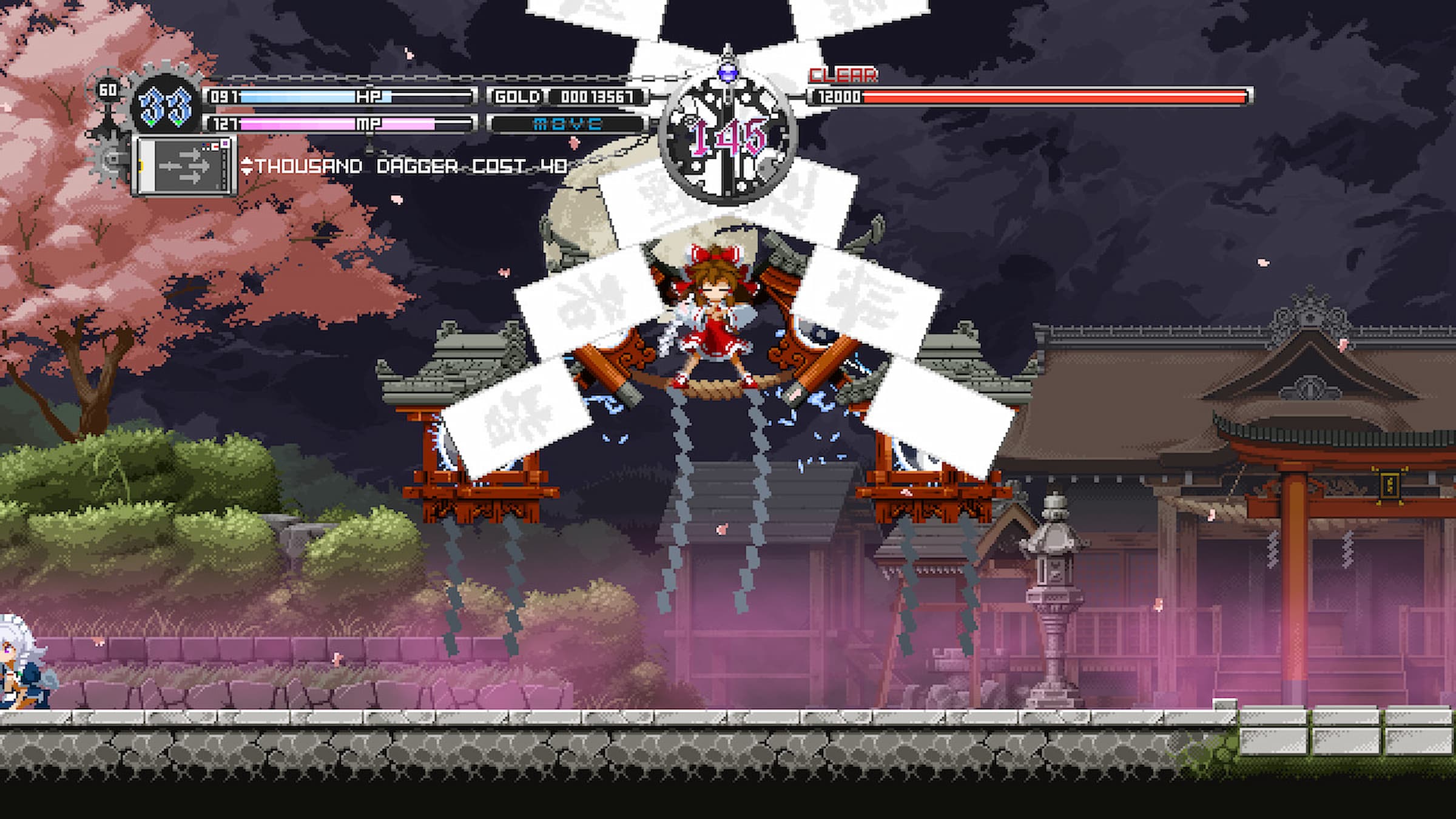
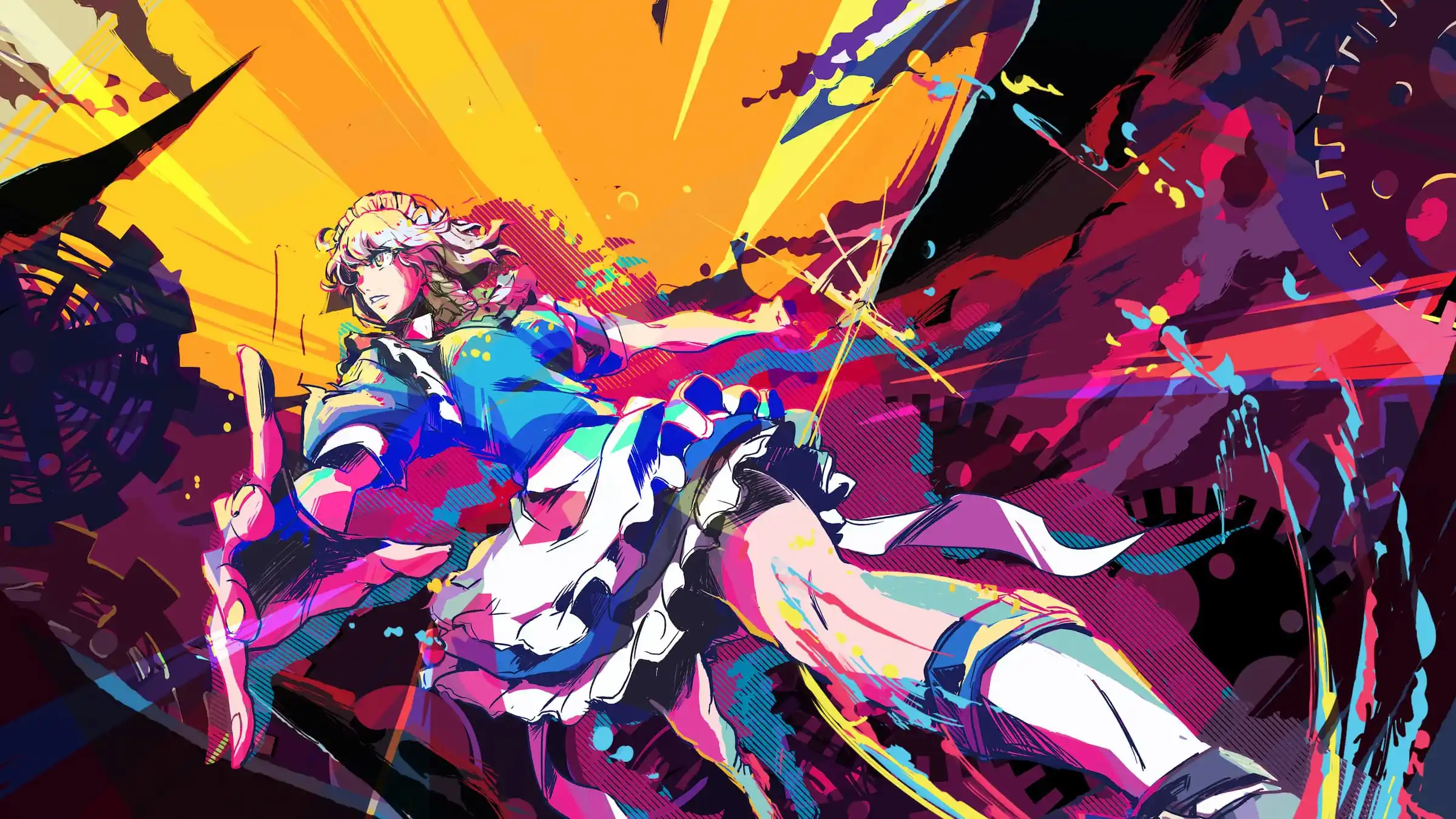
Despite being overlooked by many, Touhou Luna Nights is a standout Metroidvania from the last ten years. It features beautiful pixel art and a truly unique gameplay twist: the ability to control time. As Sakuya Izayoi, players can stop and manipulate time to navigate a strange world, overcome tricky puzzles, and battle challenging enemies. This mechanic fundamentally alters both the combat and platforming experience.
I was really struck by how seamlessly the ability to stop time is woven into the entire game. Battles aren’t just about quick reactions; they become more like strategic challenges where where you stand and when you act are just as important. This is especially true for boss fights. The game also looks fantastic – the pixel art is some of the best I’ve seen in an indie title, and the visual effects when you manipulate time make everything feel really cool and energetic.
One of the best things about this game is its excellent pacing. Many Metroidvania games feel drawn out with too much going back over old ground, but Touhou Luna Nights keeps things moving forward while still letting you explore. It still feels fresh and different even now, years after it came out. It’s rare to find a game that blends action, exploration, and interesting gameplay mechanics so well. If you’re looking for a lesser-known Metroidvania to try, this would be my top recommendation.
What do you think? Leave a comment below and join the conversation now in the ComicBook Forum!
Read More
- Everything You Need To Know About Nikki Baxter In Stranger Things’ Animated Spinoff
- The Boys Season 5, Episode 5 Ending Explained: Why Homelander Does THAT
- Welcome to Demon School! Iruma-kun season 4 release schedule: When are new episodes on Crunchyroll?
- ‘The Bride!’ Review: Jessie Buckley Breathes Life into a Monstrous Mess
- Gemma Arterton spy thriller Secret Service based on hit novel gets release date confirmed on ITV
- Miranda Kerr Shares “Quick” Procedure She Got Before Met Gala 2026
- 10 Movies That Were Banned in Different Countries For Random Reasons
- Frieren: Beyond Journey’s End Gets a New Release After Season 2 Finale
- After 11 Years, Black Clover Officially Ends With Final Release (& Crowns a New Wizard King)
- 7 Most Brutal Avengers Villains, Ranked by Threat Level
2026-05-07 23:13