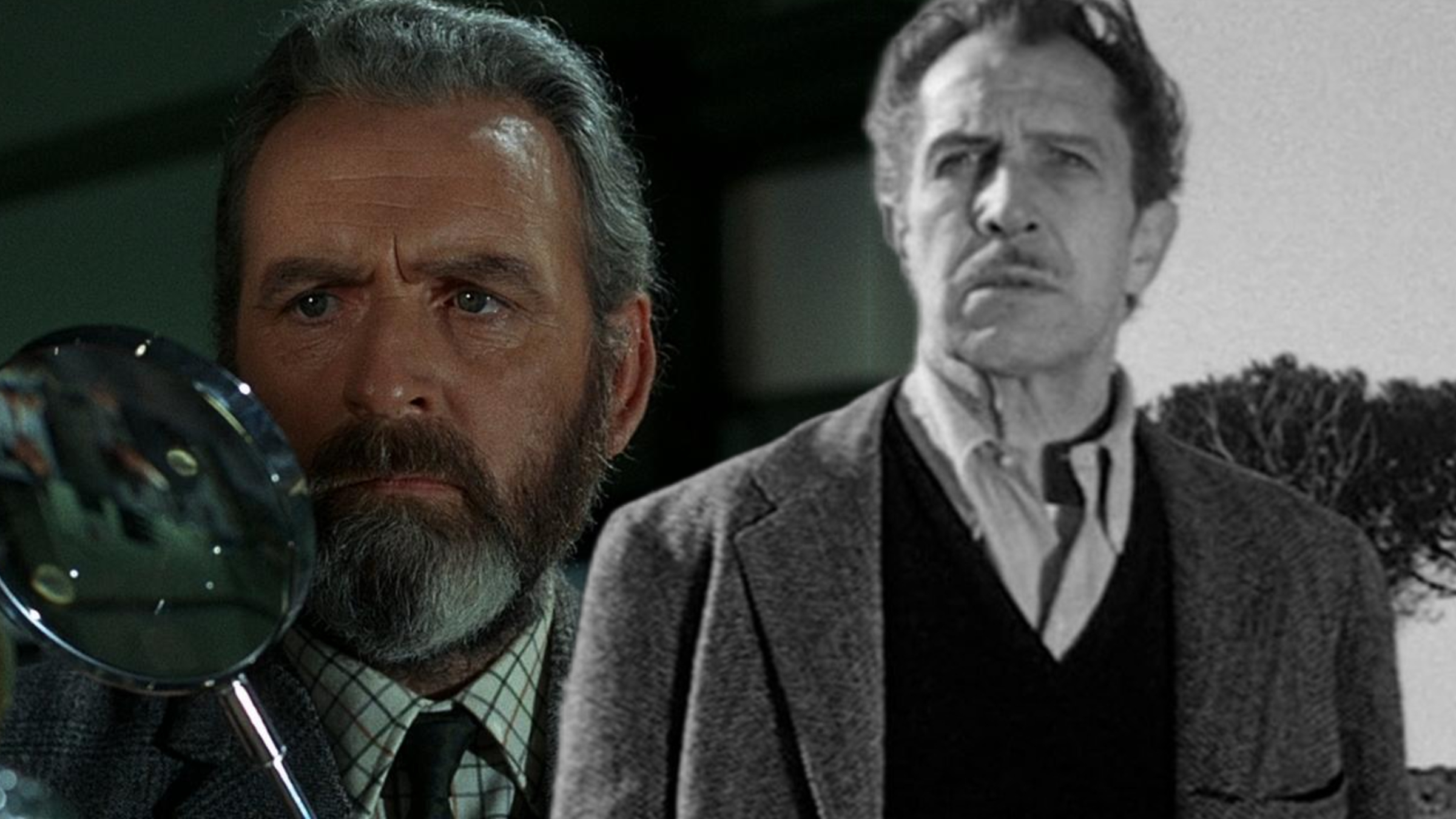
Science fiction has captivated audiences for decades. It’s an incredibly varied genre, ranging from far-out fantasies to disturbingly realistic stories. The most memorable sci-fi films have become classics, influencing countless others. Because the genre is so expansive, even excellent sci-fi movies sometimes don’t get the recognition they deserve.
The 1960s were a pivotal decade for science fiction, especially in film and television. While many iconic sci-fi movies were released and are still celebrated today, several other excellent films from that era have been overlooked. In fact, some of the most thrilling and innovative sci-fi movies of the 1960s are surprisingly forgotten, even though they helped shape the genre into the powerhouse it is now.
5) The Last Man on Earth (1964)
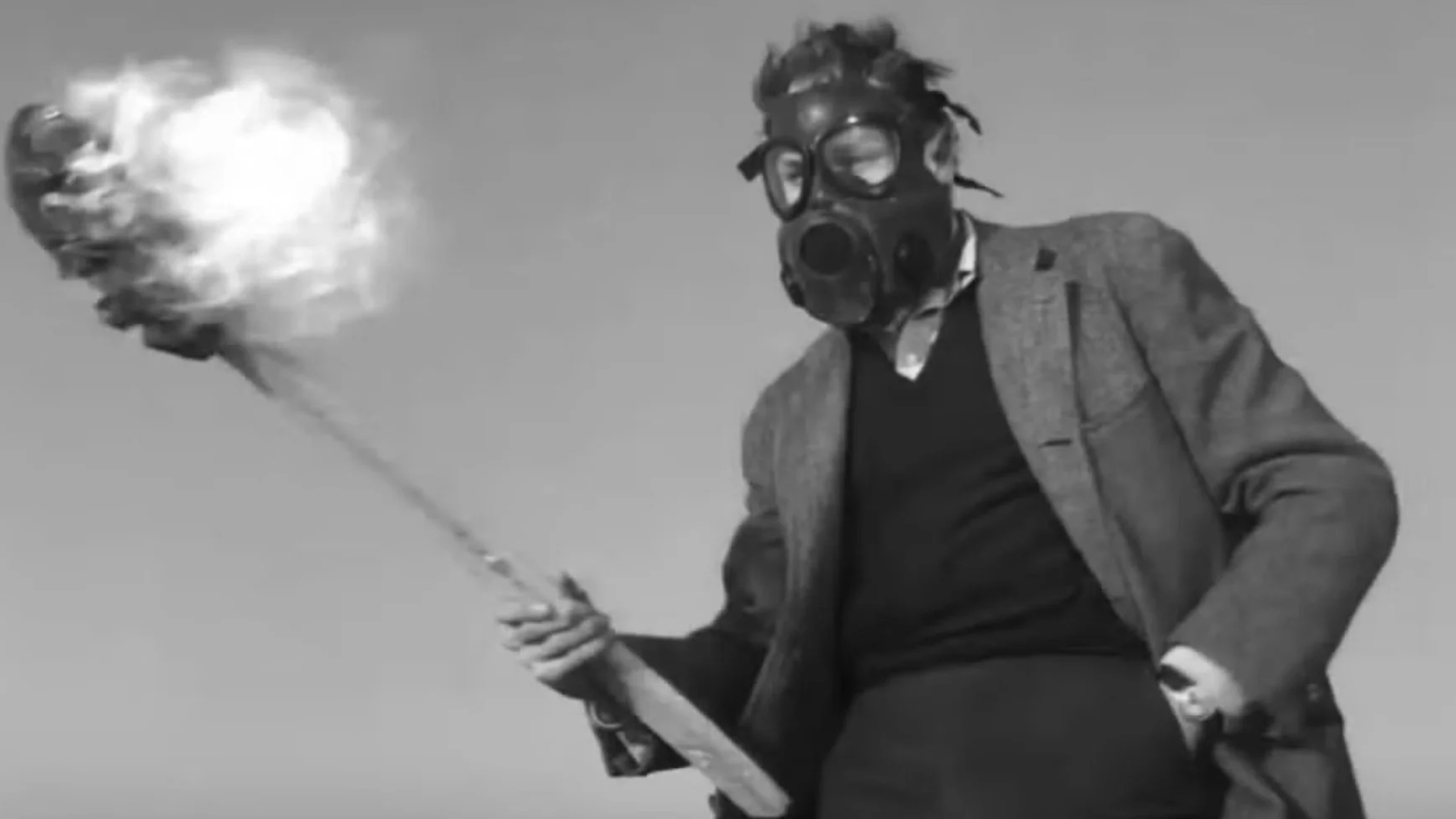
While it might not be considered a timeless sci-fi classic, the 1964 film The Last Man on Earth is still a strong example of 1960s science fiction. Based on Richard Matheson’s novel I Am Legend, the movie stars Vincent Price as the only person left alive after a plague transforms everyone else into vampire-like creatures. It’s one of the earliest apocalyptic stories of its kind, and many believe it influenced the famous 1968 film Night of the Living Dead.
4) Quatermass and the Pit (1967)
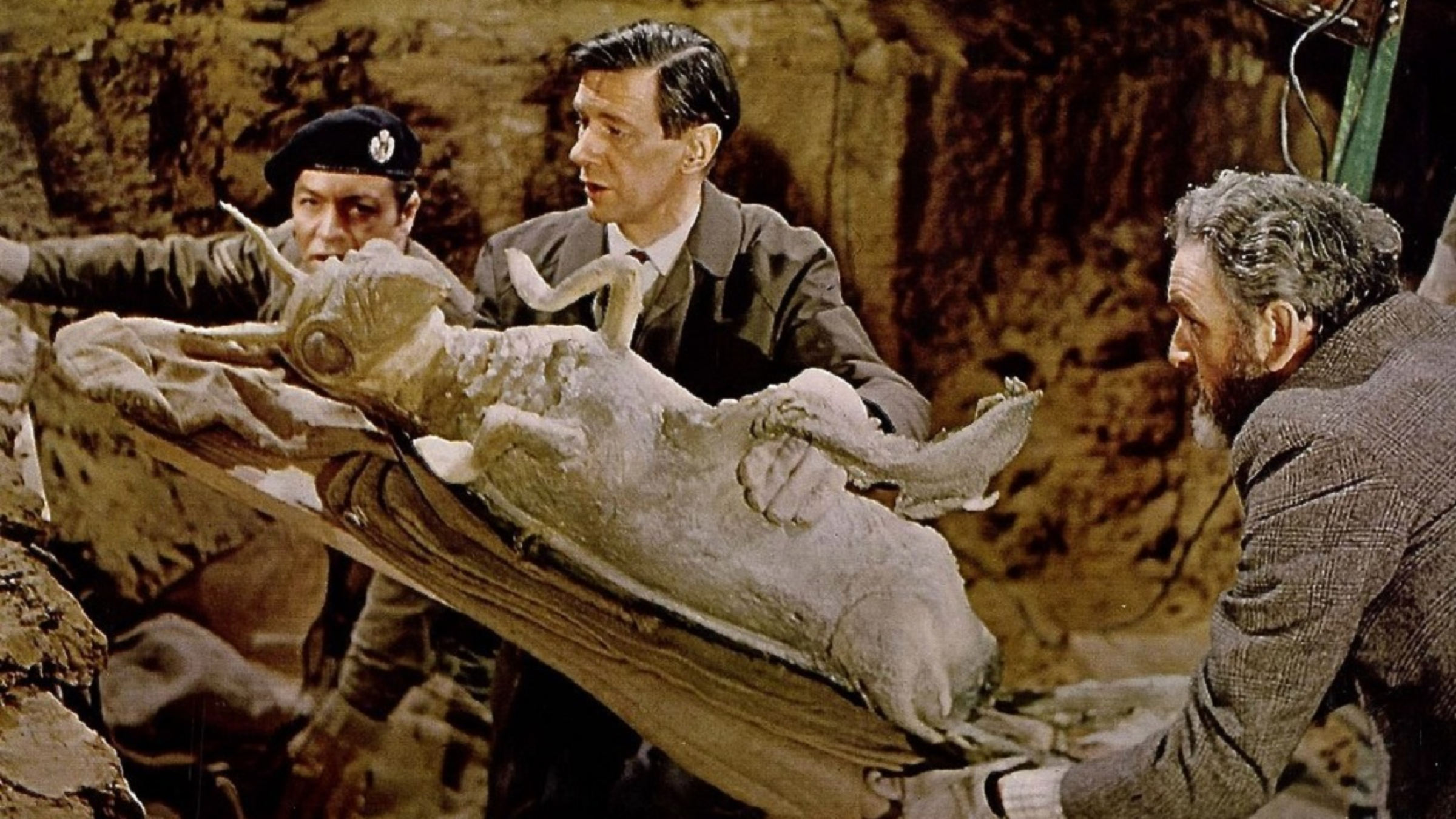
Released in 1967 as Quatermass and the Pit (known as Five Million Years to Earth in the US), this film is based on a popular science fiction series. It centers around the discovery of old human remains and a strange object that seems to be from another planet. Quatermass and the Pit is a classic example of the ‘ancient aliens’ idea, which has become more common in recent years. It’s a standout sci-fi movie from the 1960s that was remarkably forward-thinking and deserves a wider audience today.
3) The Damned (1962)
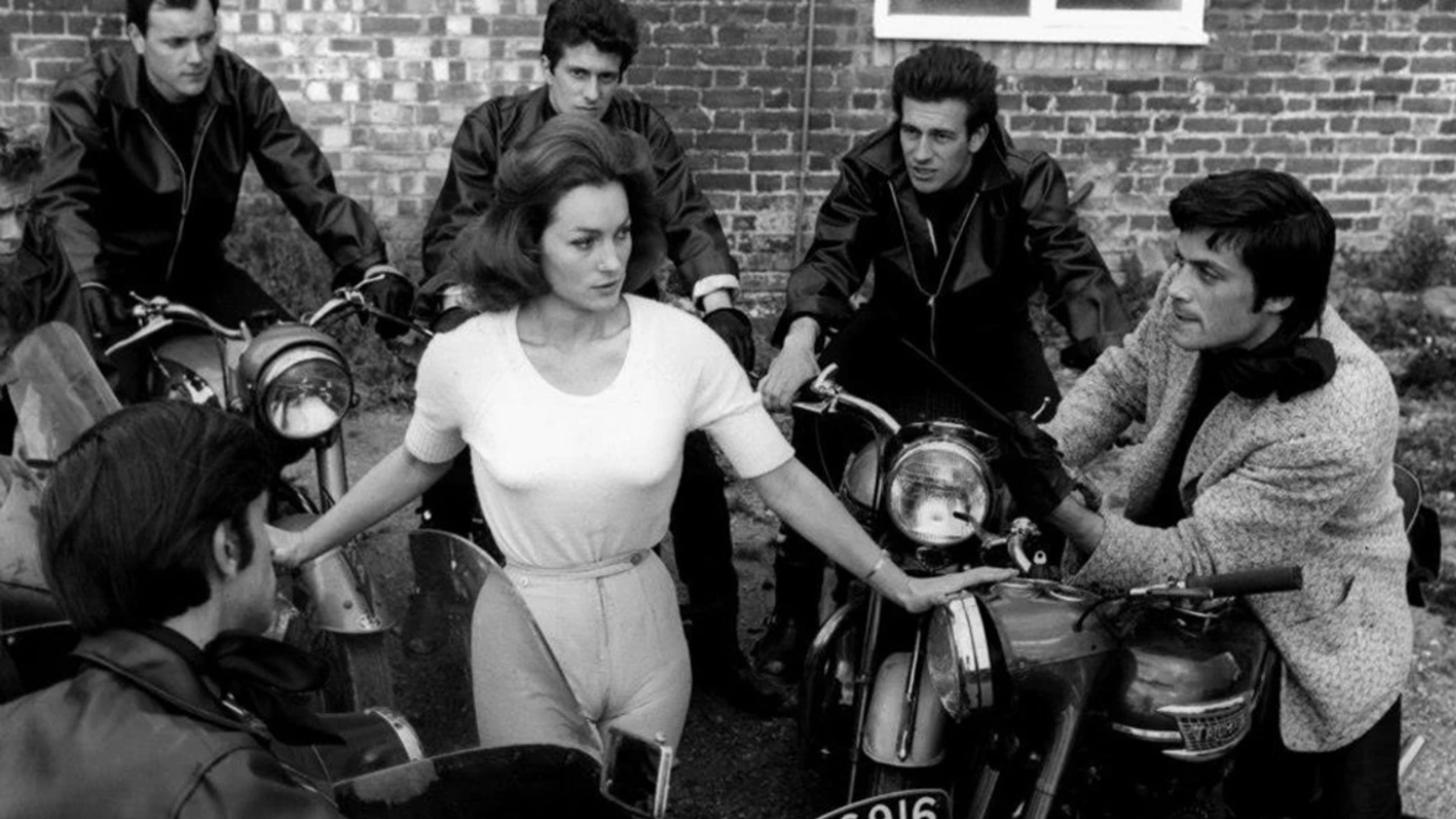
Released in the 1960s, The Damned is a British science fiction film that, despite being a standout in the genre, isn’t as well-known as it should be. This bleak and unsettling sci-fi horror reflects common themes of the time, like fears about radiation and the Cold War. While it might not feel groundbreaking today, The Damned remains a gripping and enjoyable film, holding up remarkably well after all these years.
2) The 10th Victim (1965)
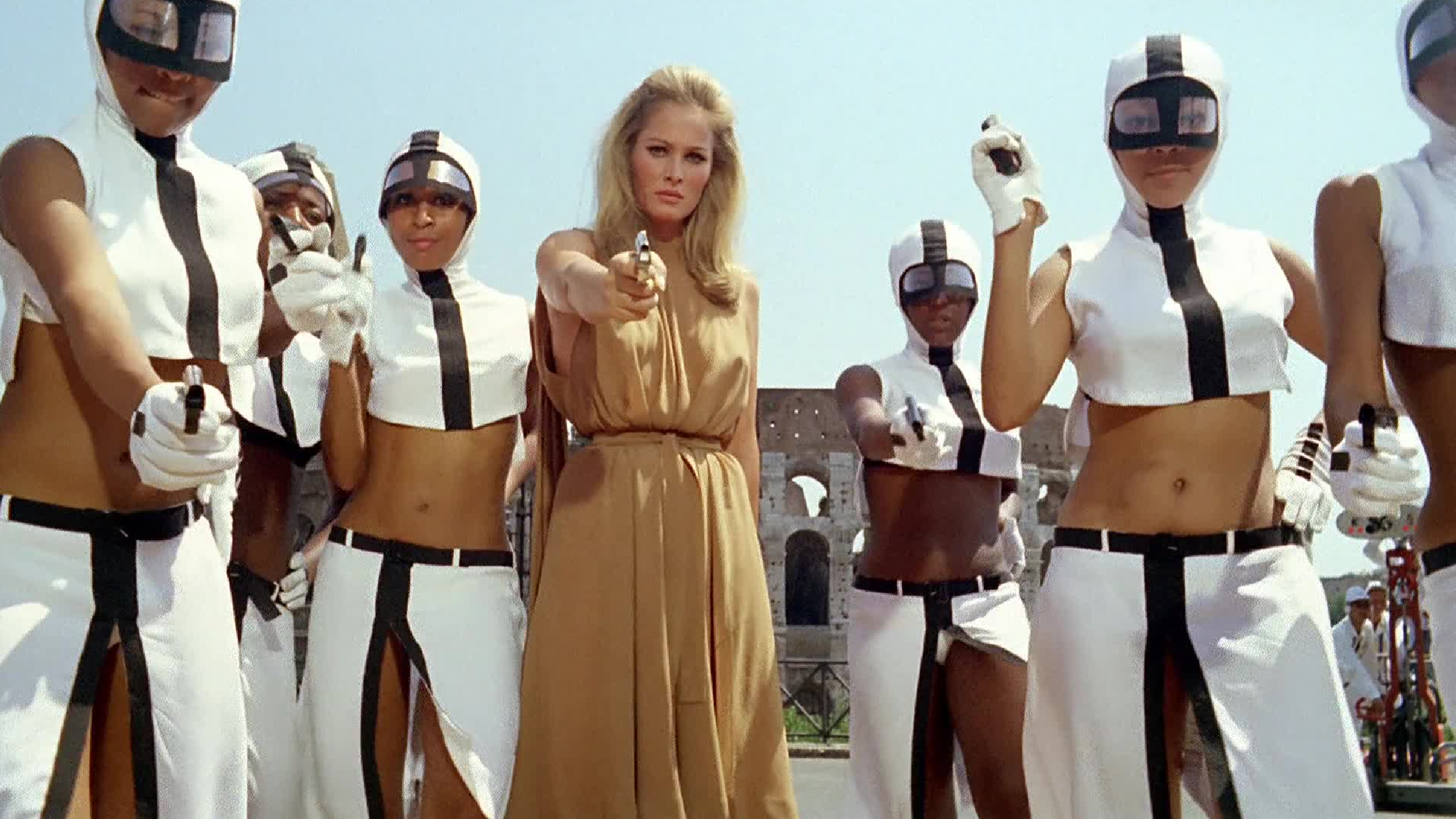
Though not widely remembered today, The 10th Victim is a fantastic example of 1960s science fiction. This Italian-French co-production is probably most recognizable for starring Ursula Andress, famous for her role in the 1962 James Bond film Dr. No. The movie, set in 2079, depicts a world that prevents war through a government-sponsored game where people compete as either Hunters or Victims. Often seen as an early influence on dystopian fiction, The 10th Victim truly deserves more recognition from sci-fi enthusiasts.
1) Seconds (1966)
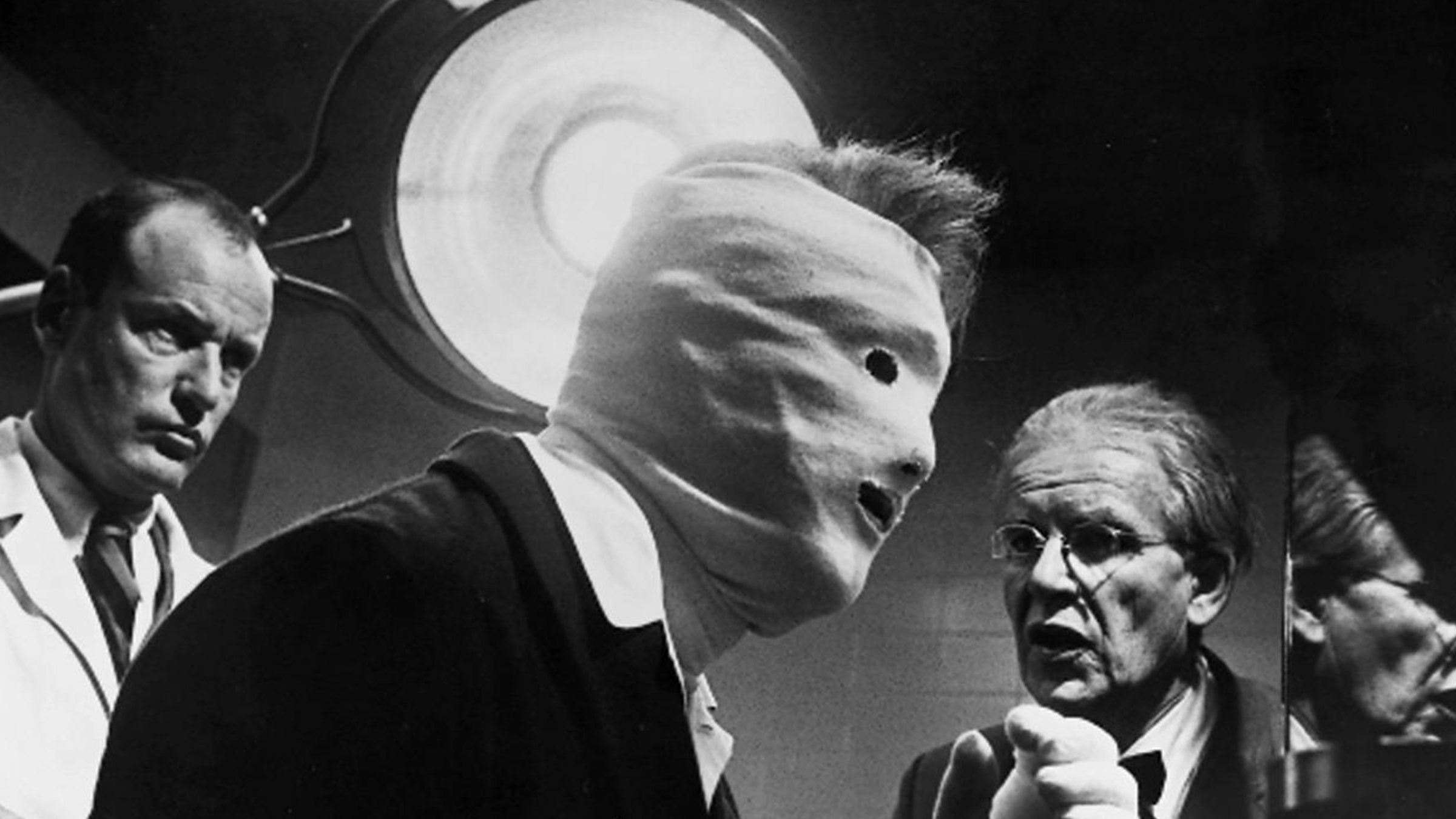
While the 1960s produced a lot of forgotten sci-fi films, Seconds is particularly memorable. It’s a unique movie that blends science fiction with psychological horror, telling the story of a dissatisfied banker who gets a complete makeover and new identity through an experimental procedure. Despite having a devoted fanbase, Seconds remains largely unknown to modern sci-fi fans, which is unfortunate because it’s one of the decade’s best and most underrated science fiction films.
What do you think? Leave a comment below and join the conversation now in the ComicBook Forum!
https://comicbook.com/movies/list/5-great-sci-fi-movies-with-seriously-dark-endings/embed/#
Read More
- GBP CNY PREDICTION
- Elon Musk’s Mom Maye Musk Shares Her Parenting Philosophy
- Forza Horizon 6 Car List So Far: Confirmed Highlights, Cover Cars, DLC, and Rewards
- 10 Greatest Manga Endings of All Time
- Elon Musk’s Ex Ashley St. Clair Reveals When Romance Became “Weird”
- 38 Years Later, Murder, She Wrote’s Most Overlooked Episode Still Pulls Off TV’s Greatest Crossover
- Mark Zuckerberg & Wife Priscilla Chan Make Surprise Debut at Met Gala
- Hollow Knight: Silksong Guide – All 30 Lost Flea Locations
- 20 K-Dramas That Nailed the Perfect Ending
- A Major PlayStation Delisting Exposes a Sony Problem
2026-04-15 17:14