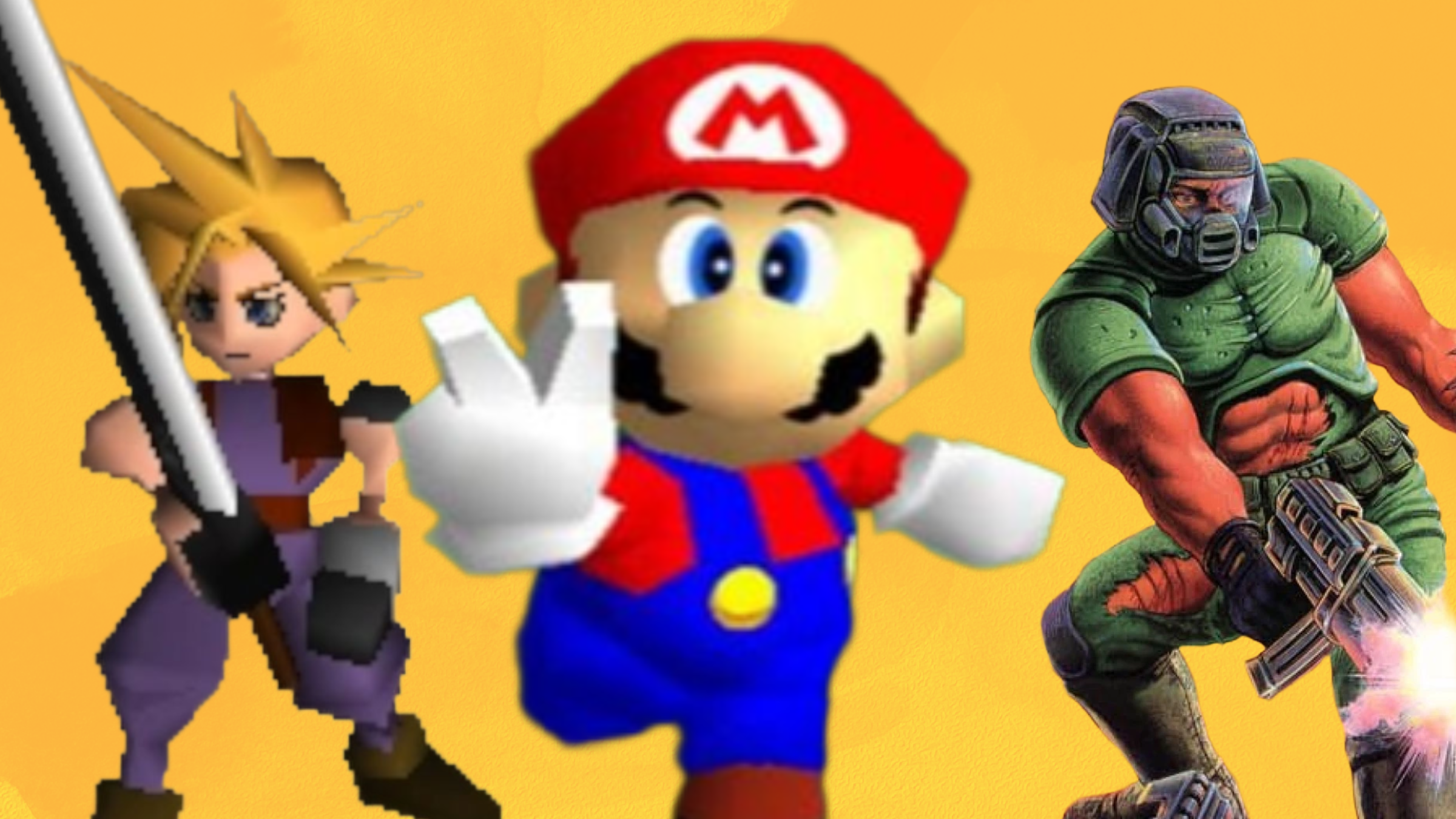
The 1990s were a pivotal time for video games. Though arcades were still popular, playing on home consoles and PCs really took off, setting the stage for the massive gaming industry we know today. As technology got better, game developers tried out new ideas, creating completely new types of games and ways to tell stories. Many of the things gamers expect in games now were either invented or improved during this decade. The ’90s also saw games move from 2D to fully 3D, which meant developers had to completely rethink how games were played and experienced.
The 1990s were a pivotal decade for gaming because many of its most popular titles continue to influence game design today. These games aren’t just remembered fondly—developers still use their ideas decades later. Some even created entire genres, while others fundamentally changed what players expect from games. They didn’t just achieve popularity; they revolutionized how games are made, impacting everything from level design and storytelling to controls, pacing, atmosphere, and how immersive they are. You can still see the influence of these five defining 1990s games in today’s biggest blockbusters.
5) Resident Evil
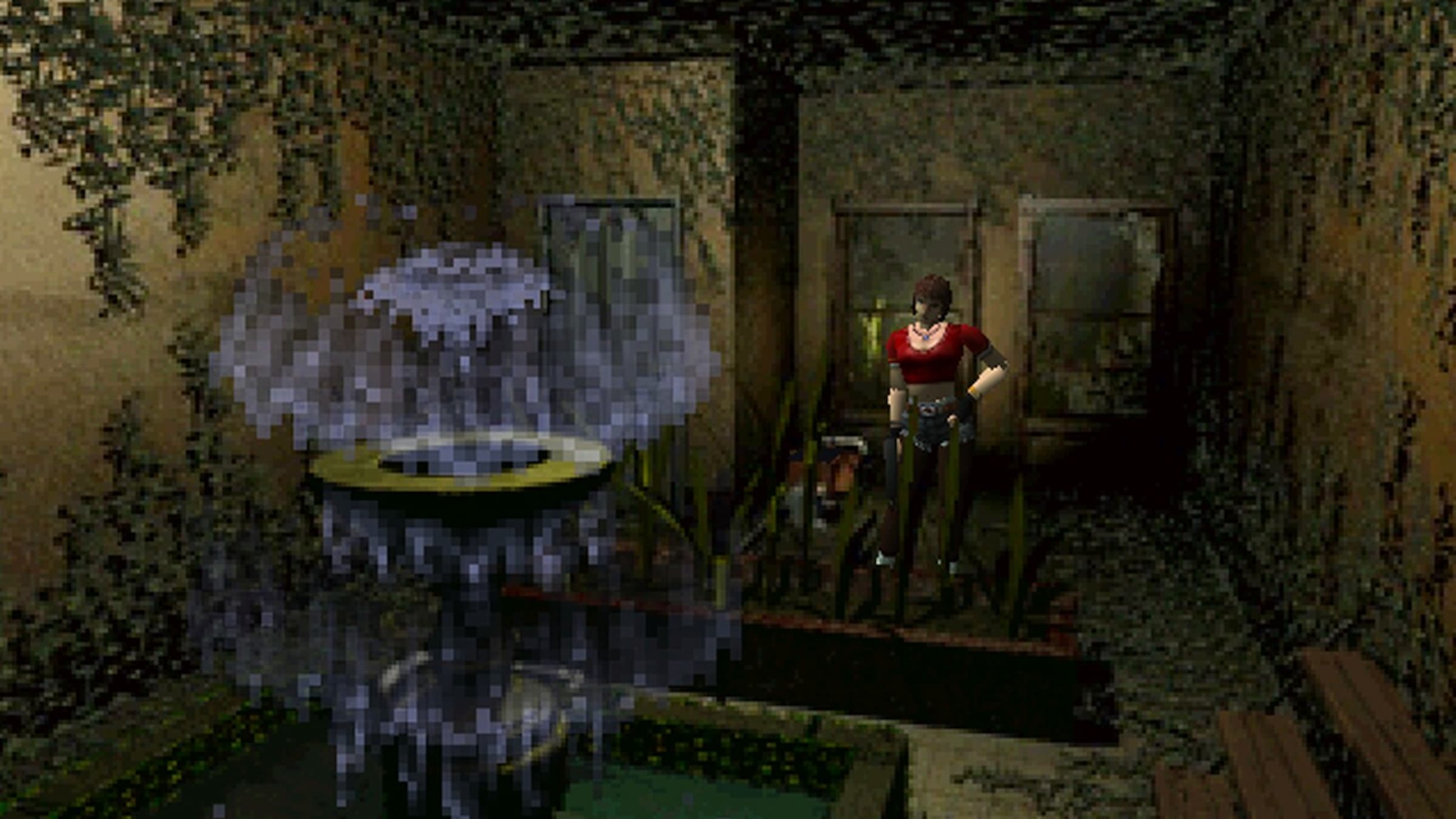
Horror games were around before 1996, but Capcom’s Resident Evil revolutionized how they created fear and suspense. The game was key in defining the ‘survival horror’ genre, focusing on making players feel vulnerable and limited in resources, rather than just relying on action. A notable feature was its fixed camera angles, which, while partly due to the technology of the time, also built tension by creating a cinematic look and limiting what players could see.
Players were always on edge, worried about what dangers lurked just out of sight. Limited supplies of ammo and health made exploring even more tense. The game’s mansion layout was also incredibly influential, inspiring many games that followed. Instead of a simple path forward, Resident Evil made you carefully unlock rooms and areas by solving puzzles, finding keys, and revisiting places. This design made the environment feel truly scary and unpredictable, and you can still see its influence in horror games today.
Few games from the 1990s created the same feeling of dread as the original Resident Evil. The sound of a zombie groaning from another room, combined with the slow, careful opening of a door, built a unique kind of tension. The series demonstrated that games could be truly frightening by building suspense and uncertainty, not just through action. Resident Evil continues to have a huge impact on game design today. Modern survival horror games, like Dead Space and The Evil Within, as well as many independent horror titles, clearly take inspiration from Resident Evil’s focus on limited resources and using the environment to tell a story.
4) Doom

If you’re talking about games that really changed things in the ’90s, you absolutely have to mention Doom. It came out in ’93 and totally revolutionized first-person shooters and PC gaming as a whole. Sure, there were shooters before it, but Doom was the one that really made fast-paced, action-packed first-person combat huge. Everything about it – the speed, the levels, the different enemies, even how the weapons felt when you used them – was unlike anything else back then. Plus, the deathmatches with friends and the ability to mod the game helped build some of the first real PC gaming communities. It was a game-changer, honestly.
As a fan, I always thought Doom wasn’t just fun to play, but a real showcase of what PCs were capable of at the time – it seriously got a lot of people interested in building their own gaming computers! And the way they released it – that shareware model – meant everyone could try it out back when the internet was new. It’s funny, even today people are still asking if their computers can run it, which just proves how big of a deal it was. But it wasn’t just about the tech. The levels were amazing – these complex, maze-like areas packed with secrets, different heights, and those keycards you needed to find. It made fighting monsters about exploring and discovering things, not just running down a straight path shooting everything in sight.
Games that followed Doom, such as Marathon and many popular first-person shooters today, still use ideas from its original design. The Doom series has also become incredibly popular again recently. Doom (2016) and Doom Eternal updated the series for modern audiences while keeping the fast-paced, action-packed gameplay that fans loved. In fact, Doom’s success has led many modern shooters to focus more on quick movement and maintaining speed – proving those elements are always engaging.
3) Final Fantasy VII
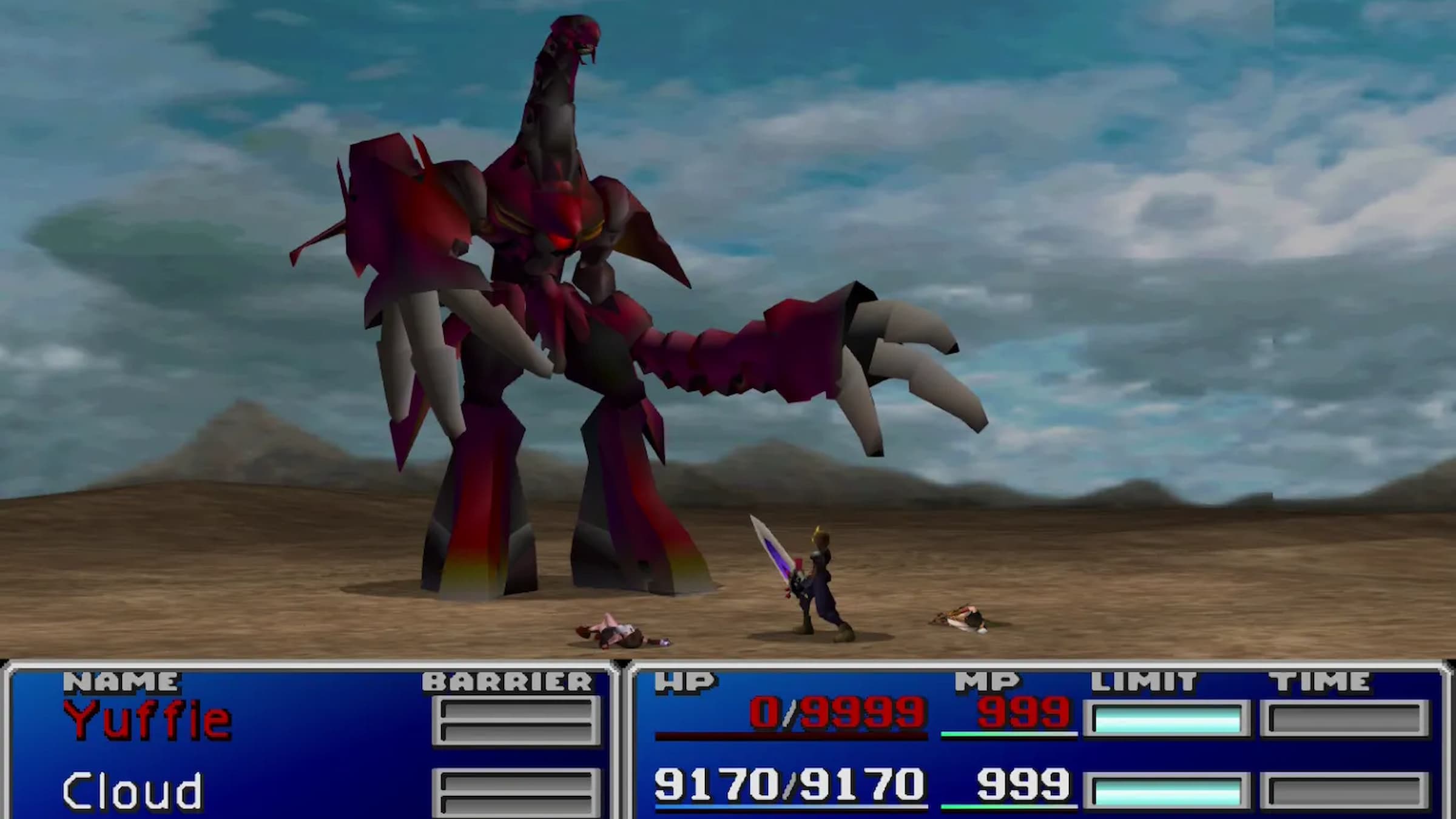
I remember when Final Fantasy VII came out in ’97. RPGs were already big in Japan, but that game? It totally blew up the genre worldwide. Square really went all out with it for the PlayStation – the story felt like a movie, the characters stuck with you, and the world was massive and so detailed. Honestly, the way it looked back then was a huge part of why it made such a splash. It was revolutionary!
In the 1990s, Final Fantasy VII felt like a movie thanks to its full-motion video cutscenes, detailed 3D worlds, and dynamic camera angles – a level of cinematic quality rarely seen in games at the time. It proved to game publishers that RPGs could become huge hits worldwide, and paved the way for many RPGs that followed. The game’s story explored complex themes like identity, environmental issues, corporate corruption, and personal loss, giving it more emotional impact than many other games of its era. Characters such as Cloud, Aerith, and Sephiroth became instantly recognizable because they felt more realistic and complex than the heroes and villains in previous RPGs.
Final Fantasy VII’s innovative Materia system had a huge impact on how RPGs let players customize their characters. The ability to freely combine skills, magic, and character builds offered a level of flexibility that many games since have tried to copy. The game struck a great balance between being easy to pick up and offering real depth, which helped bring more players to the RPG genre. The series remains incredibly popular today, with Square Enix continuing to expand the world of Final Fantasy VII through its remake, and the wider Final Fantasy franchise still being a cornerstone of RPG gaming. Many modern RPGs, both large and small, were influenced by the success of Final Fantasy VII.
2) Super Mario 64
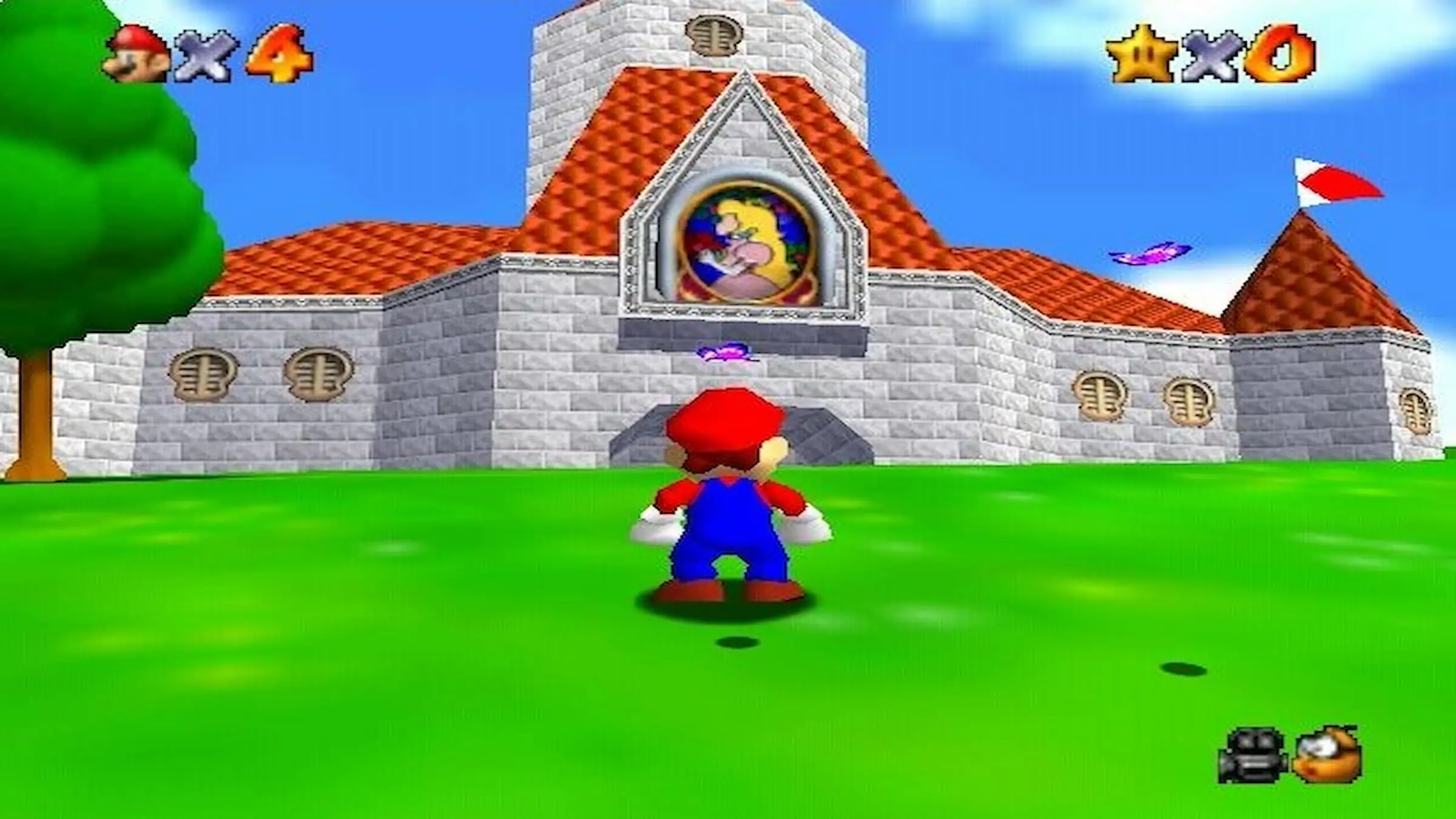
Super Mario 64 was a groundbreaking game that significantly impacted how platformers were designed. Released with the Nintendo 64 in 1996, it successfully tackled the challenges of bringing 2D gameplay into 3D. Nintendo introduced innovative controls with the analog stick and a flexible camera, both of which quickly became standard features in the gaming industry. The game showed players how to move and explore fully 3D worlds with ease and responsiveness.
Super Mario 64 dramatically changed how game levels were created. Unlike older games with straightforward, linear paths, it featured expansive, open areas designed like playgrounds, packed with things to discover and many different goals. Players could explore these levels however they wanted, tackling challenges in any order they chose. This innovative approach didn’t just impact platforming games; it also heavily influenced the design of open-world games in general, setting a new standard for freedom and exploration.
Even now, the way you move in the game is amazing. Players had a huge amount of freedom thanks to moves like triple jumps, wall kicks, dives, and long jumps, all powered by momentum. Many modern platforming games still take inspiration from how Super Mario 64 lets you control your character. Games like A Hat in Time, Astro Bot, and numerous independent platformers continue to build on the ideas first seen in Super Mario 64. Nintendo also frequently references the game in newer titles, such as Super Mario Odyssey, which further developed the sense of freedom and innovative movement that started here.
1) The Legend of Zelda: Ocarina of Time
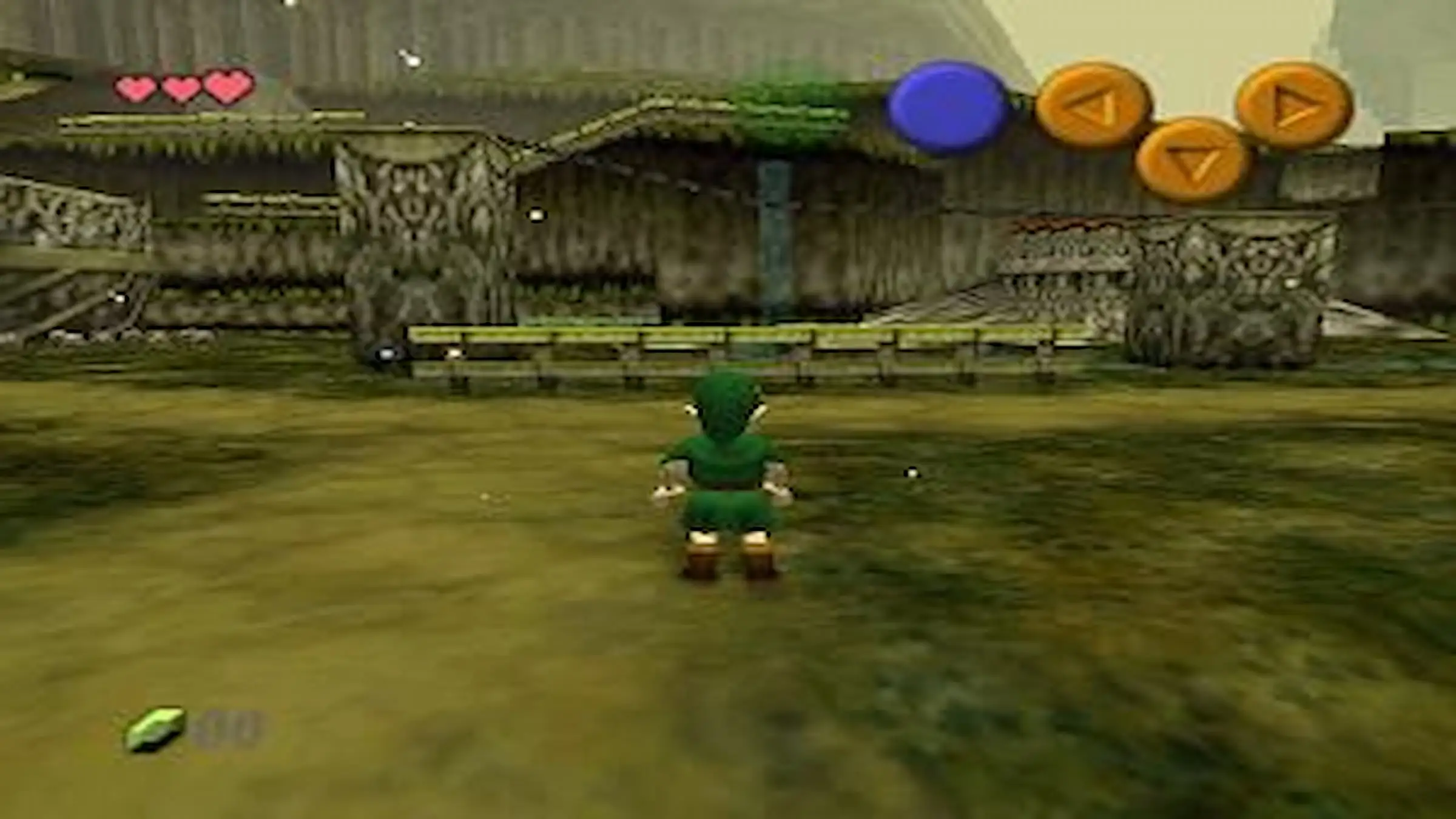
The Legend of Zelda: Ocarina of Time, released in 1998, had a huge impact on how 3D action-adventure games are made. Nintendo’s groundbreaking game introduced mechanics and systems that are still used in countless titles today. Its innovative targeting system, often called “Z targeting,” revolutionized combat by letting players lock onto enemies and move effectively in 3D environments. This solved common problems with 3D fighting and became a key element in many games that followed.
The game truly mastered creating puzzles within its 3D environments. Its dungeons weren’t just about fighting; they smoothly blended combat, exploration, using items, and solving puzzles – a formula that many adventure games still use today. Each dungeon introduced new ideas in a way that felt natural and wasn’t confusing, and this thoughtful design extended to the game’s open world, which was filled with hidden secrets and interesting enemies.
Even today, Ocarina of Time heavily influences how action-adventure games are made. Many popular franchises, including Dark Souls, Darksiders, and numerous open-world games, have taken inspiration from its combat, dungeons, and how players advance. Nintendo has continued to build on these ideas in later Zelda games like Breath of the Wild and Tears of the Kingdom, proving the series’ lasting impact. Decades after its release, game developers still point to Ocarina of Time as a prime example of excellent 3D game design.
Read More
- Best Controller Settings for ARC Raiders
- Review: Final Fantasy Tactics: The Ivalice Chronicles (PS5) – Still the Benchmark for Turn-Based Tactics
- Mark Zuckerberg & Wife Priscilla Chan Make Surprise Debut at Met Gala
- The Boys Season 5 Officially Ends An Era For Jensen Ackles’ Soldier Boy
- Nippon Sangoku Is The Best New Post-Apocalyptic Anime of Spring 2026
- Elon Musk’s Mom Maye Musk Shares Her Parenting Philosophy
- 10 Greatest Manga Endings of All Time
- The Witcher 3 Officially Reveals Stunning New Ciri Figure Coming 2026
- The WONDERfools ending explained: What happened to the Child of Eternity?
- 7 Great Marvel Villains Who Are Currently Dead
2026-05-19 20:14