I’ve always loved games that let you build huge empires and fight futuristic wars – they’re a massive part of gaming! A lot of big titles focus on looking cool, but the really special ones are the ones that try to be realistic about the science. Those are the games that really stick with you, offering something totally unique and unforgettable.
A handful of incredibly talented developers have created games with realistic physics, believable technology, and carefully constructed worlds. Sadly, despite their impressive detail and storytelling, these fantastic games haven’t received widespread recognition and remain known only to dedicated fans.
Psi-Ops: The Mindgate Conspiracy Offered Telekinetic Espionage Hit
Released in 2004, Psi-Ops: The Mindgate Conspiracy was Midway’s take on a science fiction action game. Players control Nick Scryer, a psychic agent who’s lost his memory and must go undercover within a dangerous terrorist group called The Movement. The game lets you use both traditional weapons and powerful psychic abilities, in a world where controlling minds is a key tactic. What made Psi-Ops truly special was the wide range of mental powers available, including telekinesis, pyrokinesis, and mind control.
When it first came out, this game revolutionized physics in third-person shooters. Using the advanced Havok engine, it transformed every environment into a fully destructible space, and players loved spending time in the training mode just testing out the physics. The fun of lifting enemies with telekinesis or using objects to ‘surf’ across rooms earned the game widespread praise and quickly established it as a cult favorite.
Although the game resonated with players and garnered a dedicated following, its release was overshadowed by other games, and its publisher’s financial difficulties quickly stalled its progress. The story ended on a frustrating cliffhanger, hinting at a sequel that unfortunately never came, leaving fans disappointed.
Metal Arms: Glitch in the System Was Chaotic Robot Fun
In Metal Arms: Glitch in the System, you play as Glitch on the metal planet Iron Star, battling to free his people from a controlling droid army. The game combines fast-paced, intense shooting with a unique hacking ability – you can take control of enemy robots and use their weapons against their allies! With a huge variety of creative weapons, the campaign is a wild and explosive adventure.
The game was immediately praised for its advanced AI and realistic physics, making each battle feel unique and exciting. Players and critics were particularly impressed by how enemies realistically lost limbs and parts when damaged, adding to the immersive experience. Its fast-paced multiplayer and clever, satirical story helped solidify its reputation as a standout title, demonstrating that a game didn’t need a human hero to be captivating and well-designed.
The game didn’t get the marketing push it needed and was lost in the shuffle of bigger, more popular releases that year. When the studio that made it was bought and then closed down, any chance of a sequel disappeared, leaving the story unfinished. Now, it’s largely forgotten, but a small group of fans still remember it as one of the best action games of the early 2000s.
ENSLAVED: Odyssey to the West Mastered Stealth Platforming Combination
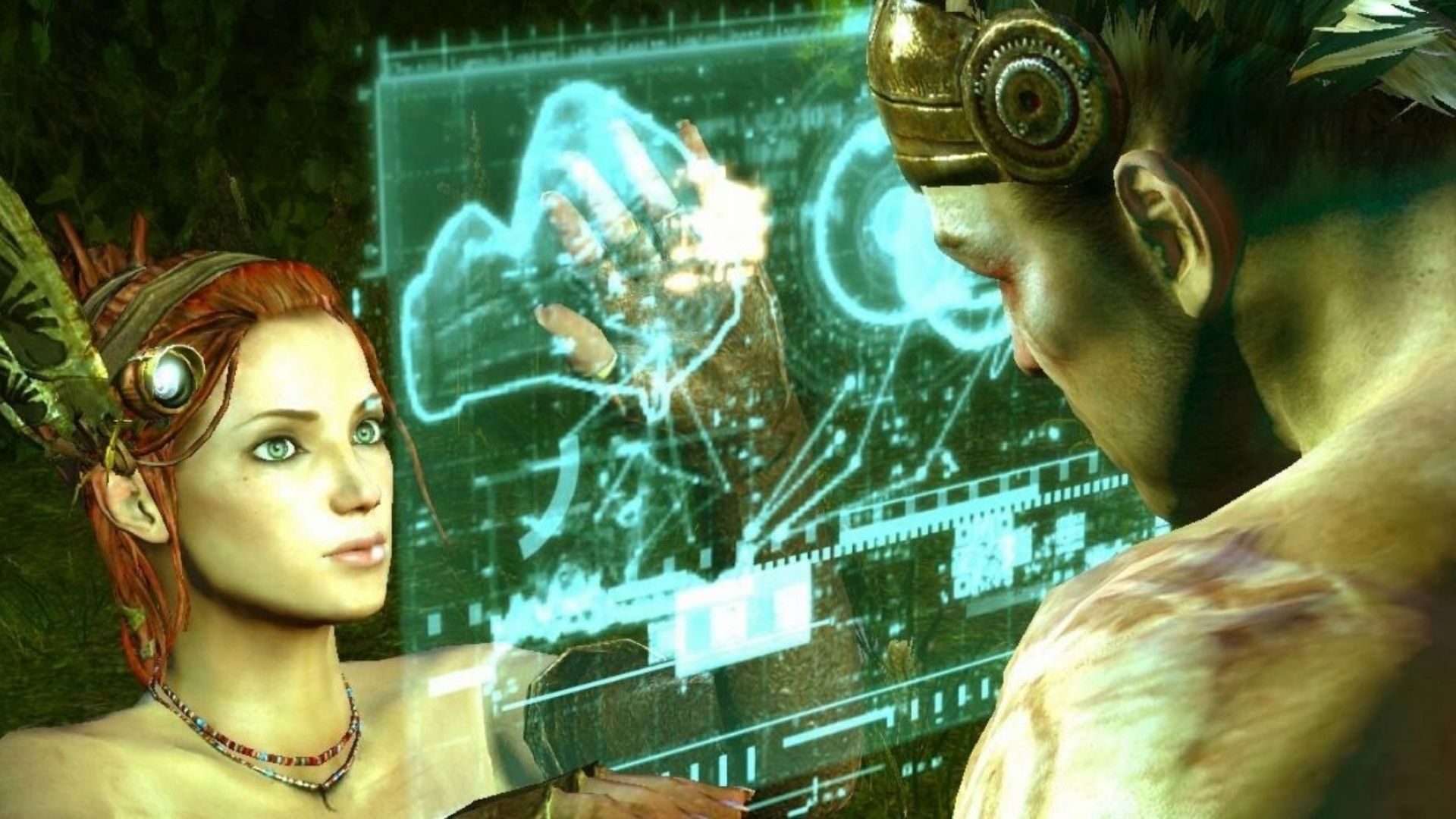
Set 150 years in the future after a global catastrophe, where nature has taken over the remains of cities, ENSLAVED: Odyssey to the West offers a fresh take on the classic story. The game combines smooth, fast-paced platforming with intense close-quarters combat, and features teamwork-focused gameplay. Players will need to strategically direct Trip to divert the attention of robotic enemies and enhance Monkey’s weapon.
Created by Ninja Theory, this game revolutionized storytelling in video games with its advanced motion capture and a script co-written by Alex Garland. The incredible acting brought characters to life with remarkable emotion and realistic facial expressions, earning praise from both critics and players. The game’s lush, overgrown world was a visually stunning departure from the often-dark and gritty settings common in games at the time.
Despite receiving excellent reviews and being a creatively impressive game, it didn’t sell well and disappointed its publisher. Limited marketing and a lot of other big game releases at the same time meant this well-made gem went largely unnoticed. Critics often point to it as one of the most underrated games of its time.
Rogue Galaxy Was The Biggest JRP Hidden Gem of Its Time
In Rogue Galaxy, you play as Jaster Rogue, a young man from the desert who is accidentally thought to be a famous bounty hunter. He ends up joining a crew of space pirates and travels across a huge galaxy filled with diverse worlds – from lush jungles to futuristic cities and spaceships. The game features fast-paced, action-packed battles where you fight alien creatures using swords, guns, and special skills with your team, all without loading screens between encounters.
Ni no Kuni: Wrath of the White Witch pushed the PlayStation 3 to its full potential with beautiful, anime-style graphics and a world you could explore without any loading screens. It wasn’t just pretty, though – the game also offered a deep experience, letting players create new weapons and build complex factories to produce valuable items.
Despite a big marketing campaign, Rogue Galaxy came out late in the PlayStation 2’s lifespan, right as everyone was getting excited about the new PlayStation 3 and Xbox 360. This unfortunate timing meant many gamers missed it, which ultimately prevented a sequel from being made. However, it remains a beloved and impressive RPG, and fans still consider it one of the best games of its generation.
Shadow Complex Brought Hard-Hitting 2D Metroidvania Madness
Shadow Complex is a fresh take on the classic side-scrolling adventure. You play as Jason Fleming, a hiker who ventures into a massive, high-tech underground facility to save his girlfriend. As you explore the complex, controlled by a dangerous military group, you’ll discover powerful weapons and technology that let you reach new areas. The game combines 2D exploration with a unique 3D aiming system, letting you shoot enemies hidden within the environment.
The game was a huge hit with both critics and players, quickly becoming one of the best-selling digital games and demonstrating the power of downloadable console titles. Reviewers loved its smooth flow, rewarding gameplay, and exciting combat, which made even revisiting areas fun. It proved that a modern side-scrolling game could appeal to a wide audience, helping to revitalize the genre during the rise of independent game development.
Shadow Complex’s initial success was limited by being exclusive to a single platform, which meant fewer people could play it when it was most popular. Although a remastered version was later released on modern systems, the market was already crowded with similar games, making it hard for the game to regain prominence.
Read More
- Best Controller Settings for ARC Raiders
- Meet the cast of Good Omens season 3: All the actors and characters
- Mark Zuckerberg & Wife Priscilla Chan Make Surprise Debut at Met Gala
- Nippon Sangoku Is The Best New Post-Apocalyptic Anime of Spring 2026
- Review: Final Fantasy Tactics: The Ivalice Chronicles (PS5) – Still the Benchmark for Turn-Based Tactics
- 7 Great Marvel Villains Who Are Currently Dead
- FRONT MISSION 3: Remake coming to PS5, Xbox Series, PS4, Xbox One, and PC on January 30, 2026
- Welcome to Demon School! Iruma-kun season 4 release schedule: When are new episodes on Crunchyroll?
- Elon Musk’s Mom Maye Musk Shares Her Parenting Philosophy
- The Boys Season 5 Officially Ends An Era For Jensen Ackles’ Soldier Boy
2026-05-19 04:17